

Water leakage is a silent threat most property owners underestimate, leading to billions in repair costs globally each year. For anyone living in British climates or dealing with unpredictable South African weather, moisture intrusion poses unique challenges that require more than just quick fixes. Understanding the fundamentals of waterproofing, including the benefits of a dedicated waterproofing membrane, helps protect your building’s structure and health for years to come.
Table of Contents
- What Is Waterproofing And Why It Matters
- Key Methods And Regional Approaches
- Legal Standards And Compliance Obligations
- Risks, Health And Property Impacts
- Cost Implications And Long‑Term Value
Key Takeaways
| Point | Details |
|---|---|
| Importance of Waterproofing | Essential for protecting structural integrity and preventing moisture-related damage. |
| Regional Considerations | Tailored waterproofing methods are necessary to address unique environmental challenges in South Africa. |
| Legal Compliance | Strict adherence to regulations and documentation is crucial for avoiding substantial liabilities related to inadequate waterproofing. |
| Long-term Investment | Effective waterproofing can significantly reduce maintenance costs and enhance property value over time. |
What Is Waterproofing And Why It Matters
Waterproofing represents a critical protective strategy for buildings, designed to shield structures from moisture damage. A waterproofing membrane is an impermeable layer applied to surfaces exposed to water or weather, preventing unwanted moisture penetration into critical structural components.
The core purpose of waterproofing centres on protecting a building’s fundamental structural integrity. Moisture infiltration can cause significant damage, potentially compromising foundations, weakening structural materials, and creating environments conducive to mould growth. Professional waterproofing techniques create barriers that prevent water from seeping into walls, roofs, basements, and other vulnerable areas, thus maintaining the long-term stability and durability of properties.
Different types of waterproofing methods exist, tailored to specific architectural needs and environmental conditions. These might include liquid-applied membranes, sheet membranes, cementitious coatings, and specialised sealants designed to address unique structural requirements. Each technique offers distinct advantages in blocking water penetration and protecting building materials from potential degradation.
Pro Waterproofing Tip: Conduct annual professional inspections of your property’s waterproofing systems to identify and address potential vulnerabilities before they escalate into costly structural damage.
Key Methods And Regional Approaches
South Africa presents unique challenges for waterproofing professionals, with diverse weather patterns requiring specialised protection strategies. The country’s varied climate zones demand adaptable solutions that can withstand intense UV exposure, significant temperature fluctuations, and intermittent heavy rainfall.
Primary waterproofing methodologies in South African construction include several sophisticated techniques. Torch-on bitumen systems provide robust protection for flat roofs and underground structures, offering excellent durability in harsh environmental conditions. Polyurethane-based membranes deliver superior flexibility, making them ideal for surfaces experiencing structural movement or thermal expansion. Cementitious coatings remain particularly effective for concrete structures, creating a rigid barrier against moisture penetration.
Regional variations significantly influence waterproofing approach selection. Coastal regions like Cape Town require salt-resistant treatments, while inland areas such as Johannesburg need solutions capable of managing rapid temperature shifts. Contractors must consider factors like substrate composition, expected water exposure, and long-term environmental stress when recommending specific waterproofing interventions.
Here is a comparison of key waterproofing methods used in South Africa:
| Method | Primary Application | Key Advantage | Limitation |
|---|---|---|---|
| Torch-on Bitumen | Flat roofs, basements | Highly durable in harsh climates | Requires skilled installation |
| Polyurethane Membrane | Moving/expanding surfaces | Superior flexibility | Sensitive to UV without coating |
| Cementitious Coating | Concrete walls, tanks | Strong adhesion to masonry | Less flexible, can crack |
| Salt-resistant Treatment | Coastal structures | Protects against salt corrosion | Specialised application required |
Pro Waterproofing Strategy: Consult local waterproofing specialists who understand your specific regional climate and structural requirements before selecting a protection method. Regional expertise trumps generic solutions every time.
Legal Standards And Compliance Obligations
The South African waterproofing industry is governed by comprehensive regulatory frameworks designed to ensure quality, safety, and professional standards. The Waterproofing Association of South Africa (WTASA) plays a critical role in maintaining industry integrity, promoting open competition and protecting the interests of all stakeholders including clients, contractors, and manufacturers.
Legal compliance in waterproofing extends across multiple regulatory domains. Construction regulations mandate specific technical standards for moisture protection, with building codes specifying minimum requirements for waterproofing materials, application techniques, and structural protection. These standards address critical aspects such as material durability, water resistance ratings, thermal performance, and long-term structural integrity. Professionals must demonstrate adherence to national building regulations, environmental protection guidelines, and occupational health and safety requirements.
Property owners and contractors face significant legal implications for non-compliance. Inadequate waterproofing can result in substantial financial liabilities, including potential legal claims for structural damage, health risks from moisture-related issues like mould growth, and potential invalidation of property insurance policies. Professional certification, documented installation processes, and compliance with industry standards become crucial risk management strategies for mitigating potential legal challenges.
Pro Legal Compliance Tip: Always request and retain detailed documentation of waterproofing work, including professional certifications, material specifications, and installation certificates to protect your legal interests and ensure comprehensive coverage.
Risks, Health And Property Impacts
Water damage represents a significant threat to property integrity and human health, with inadequate waterproofing potentially causing multiple serious complications. Moisture infiltration creates an environment ripe for biological hazards, structural deterioration, and potentially dangerous electrical risks.
The biological consequences of poor waterproofing are particularly alarming. Persistent dampness generates ideal conditions for mould proliferation, which can trigger severe respiratory problems, allergic reactions, and long-term health complications. Structural damage becomes inevitable as moisture systematically compromises building materials, causing destructive processes like timber wet rot, steel reinforcement corrosion, and gradual material degradation. These issues extend beyond cosmetic concerns, potentially undermining entire structural frameworks.
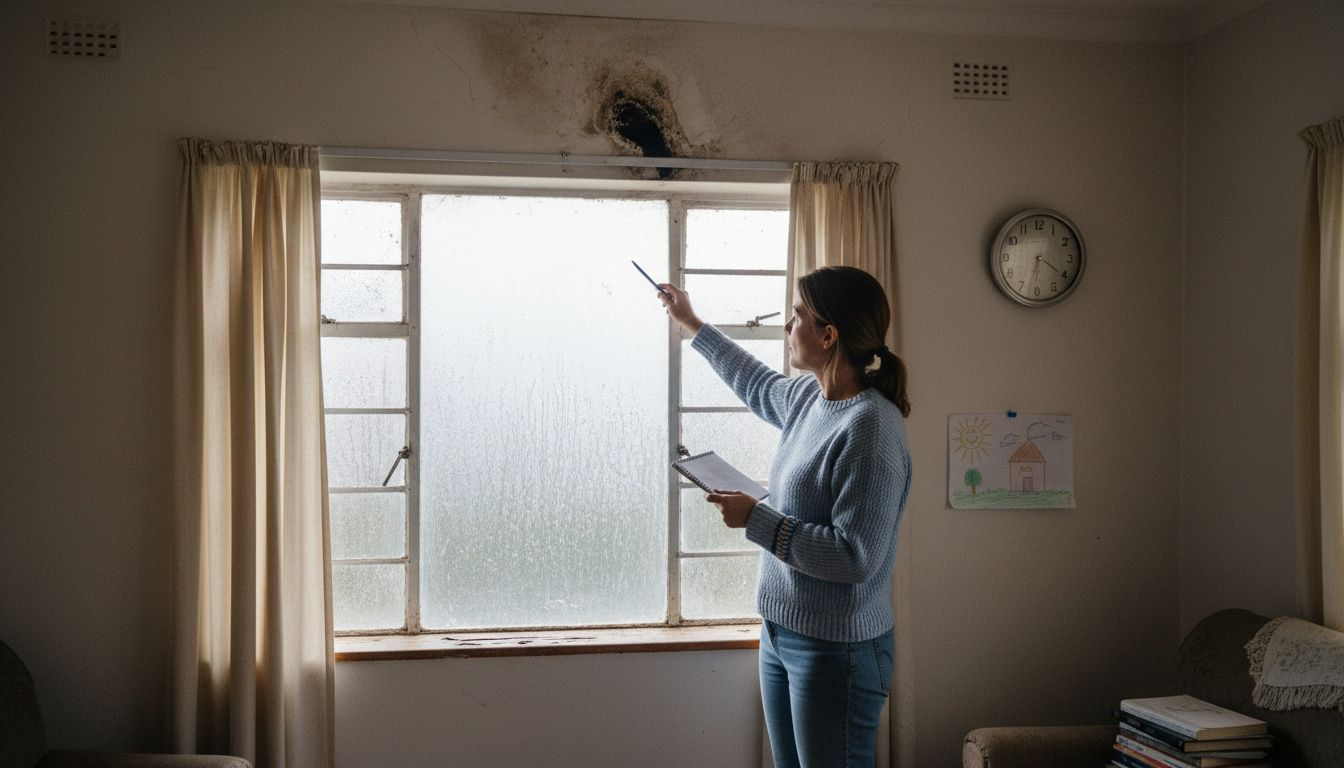
Economic impacts of water damage can be substantial and multifaceted. Property owners face escalating maintenance expenses, reduced building lifespan, and potential market value depreciation. Electrical systems become vulnerable to short-circuiting, creating additional safety risks beyond structural integrity. Insurance complications may arise, with policies potentially becoming invalidated due to preventable moisture-related damage.
The following table summarises key risks linked to inadequate waterproofing:
| Risk Area | Potential Consequence | Long-term Impact |
|---|---|---|
| Structural | Foundation weakening | Building instability, costly repairs |
| Health | Mould growth | Respiratory illness, allergies |
| Economic | Insurance claim denial | Substantial financial losses |
| Safety | Electrical system failures | Fire hazards, electrocution risk |
Pro Damage Prevention Tip: Implement regular professional moisture inspections to detect and address potential waterproofing vulnerabilities before they transform into costly, extensive repair projects.
Cost Implications And Long‑Term Value
Professional waterproofing represents a strategic investment that can dramatically extend a building’s structural lifespan. Proactive moisture management offers substantial financial advantages by preventing extensive and expensive future repairs, transforming waterproofing from a maintenance expense into a critical long-term asset protection strategy.
The economic calculus of waterproofing extends far beyond immediate installation costs. Property owners can anticipate significant financial benefits, including reduced maintenance expenses, enhanced structural durability, and sustained property value. Preventative waterproofing acts as a financial shield, mitigating potential damage that could result in exponentially higher repair and restoration costs. Complex moisture-related structural issues can quickly escalate from manageable interventions to complete system replacements, potentially costing several times more than initial preventative treatments.
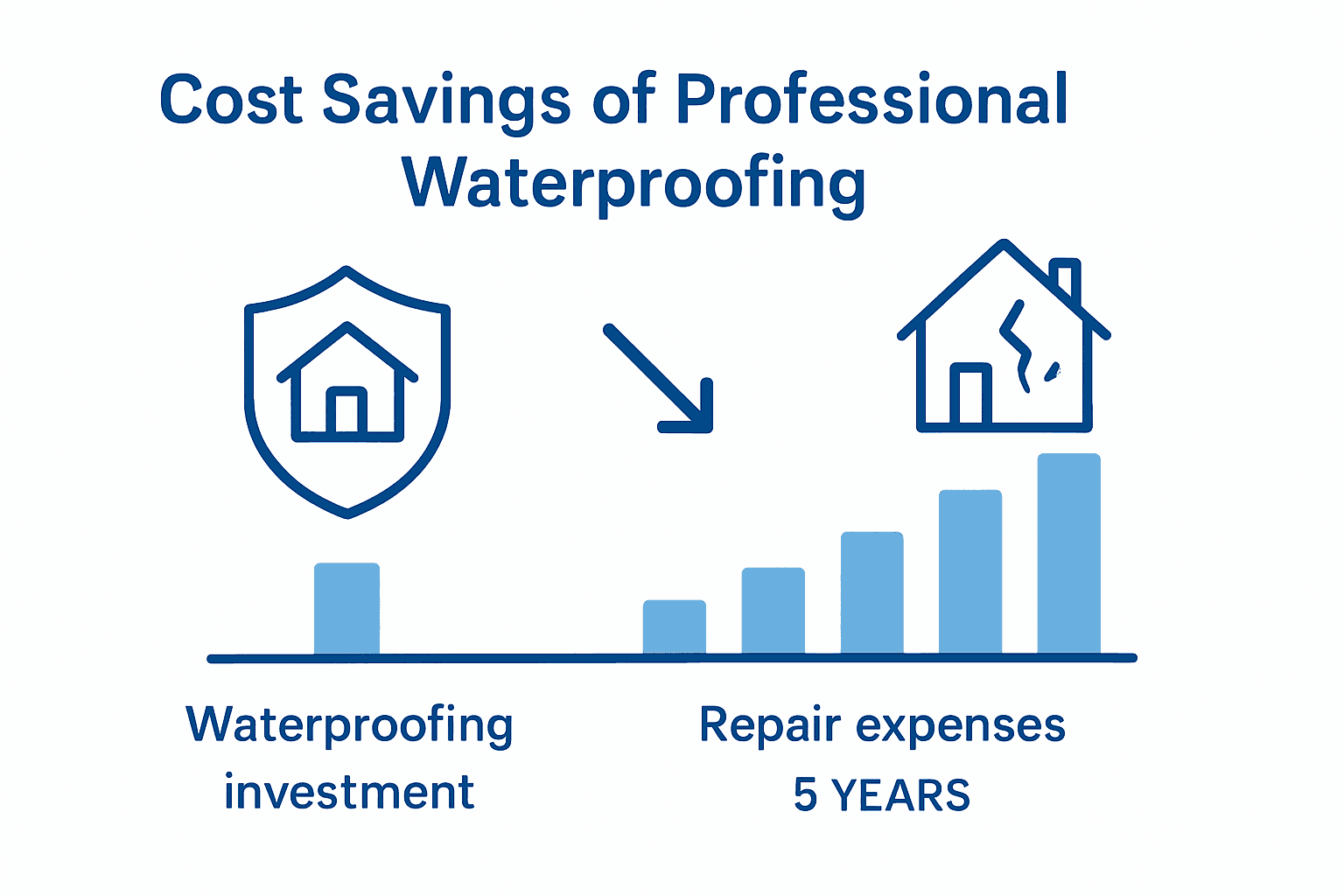
Insurance and real estate valuation perspectives further underscore waterproofing’s economic significance. Well-maintained properties with comprehensive waterproofing demonstrate lower risk profiles, potentially qualifying for more favourable insurance premiums. Real estate market assessments increasingly consider moisture protection as a critical value indicator, with thoroughly waterproofed buildings commanding premium market positions and attracting more discerning buyers and tenants.
Pro Financial Planning Tip: Consider waterproofing as a strategic investment rather than an expense, allocating resources towards comprehensive protection that delivers substantial long-term financial returns and property value preservation.
Secure Your South African Property with Expert Waterproofing Solutions
Water damage and moisture infiltration pose serious threats to your property’s structure and health. This article highlights the critical importance of professional waterproofing to prevent foundation weakening, mould growth, and costly repairs. If you are concerned about selecting the right protection strategy to suit South Africa’s diverse climates and legal standards, Pro Waterproofing offers the expertise you need to safeguard your investment.
Explore our Uncategorized – Pro Waterproofing section for valuable insights and expert advice. Act now to protect your home or commercial building with tailored waterproofing methods designed specifically for South African conditions. Visit Pro Waterproofing to request a quote and connect with licensed professionals committed to quality, warranties, and lasting moisture protection.
Frequently Asked Questions
What is waterproofing and why is it important for buildings?
Waterproofing is a protective strategy designed to shield buildings from moisture damage. It involves the application of impermeable membranes that prevent water infiltration, thus maintaining the structural integrity and longevity of properties.
What are the primary types of waterproofing methods available?
The main types of waterproofing methods include liquid-applied membranes, sheet membranes, cementitious coatings, and specialised sealants, each offering unique advantages tailored to specific structural needs and environmental conditions.
How does inadequate waterproofing affect property and health?
Inadequate waterproofing can lead to serious risks such as structural deterioration, mould growth, and electrical system failures. These issues can cause significant health problems, financial losses, and costly repairs for property owners.
What are the cost implications of investing in waterproofing?
Investing in professional waterproofing can extend a building’s lifespan and reduce long-term maintenance costs. Effective moisture management can prevent expensive repair work, making waterproofing a sound financial strategy for property protection.