
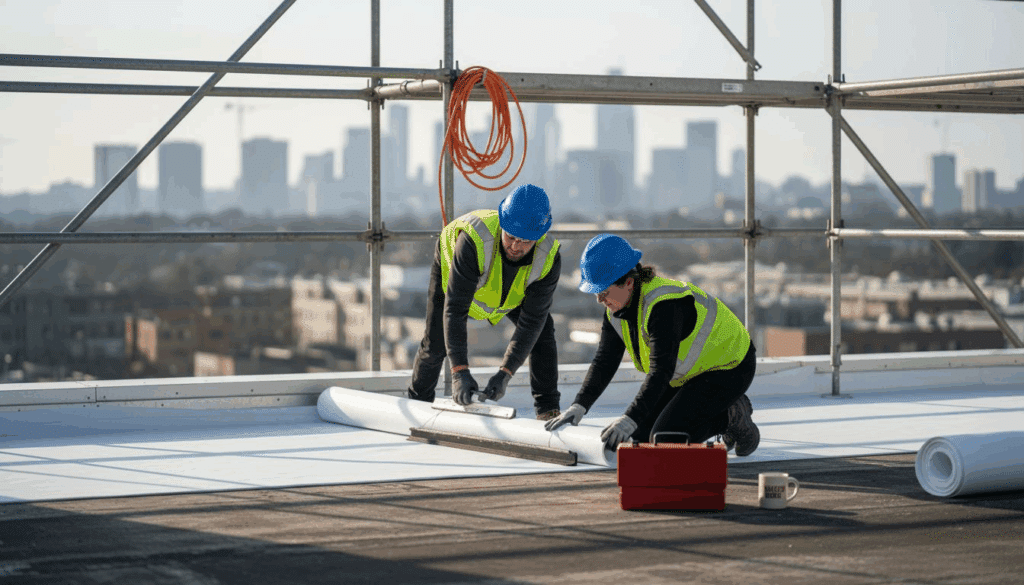
Rooftop leaks can quickly lead to costly repairs and ongoing frustration, especially during the unpredictable rain seasons across Gauteng and Western Cape. Keeping your property secure from water intrusion is more than just a comfort issue—it is vital for the long-term stability of your building. Waterproof membrane roofs form a seamless barrier that provides superior defence against leaks and structural damage, giving you peace of mind whether you are a homeowner or manage a busy property.
Table of Contents
- What Is a Waterproof Membrane Roof?
- Types of Roof Waterproofing Membranes
- How Waterproof Membrane Roofing Works
- Choosing the Right Membrane for Your Roof
- Costs, Risks, and Common Pitfalls
- Selecting Qualified Waterproofing Contractors
Key Takeaways
| Point | Details |
|---|---|
| Importance of Waterproof Membrane Roofs | These roofs provide exceptional protection against water infiltration, enhancing a building’s structural integrity. |
| Types of Waterproof Membranes | Different membrane types such as EPDM and PVC offer unique advantages based on specific environmental and architectural needs. |
| Choosing the Right Membrane | Selecting a membrane requires careful consideration of climate conditions, roof characteristics, and performance criteria to ensure long-term effectiveness. |
| Role of Professional Contractors | Engaging qualified waterproofing contractors is crucial for proper installation and long-term maintenance of waterproof systems. |
What Is a Waterproof Membrane Roof?
A waterproof membrane roof is a sophisticated roofing system engineered to create an impenetrable barrier against water infiltration, protecting the structural integrity of buildings across South Africa. Unlike traditional roofing methods, these advanced systems provide comprehensive defence against moisture penetration.
At its core, a waterproof membrane roof involves applying specialised impermeable layers designed to prevent water from entering building surfaces. Membrane roofing technologies typically utilise synthetic materials such as:
- Synthetic rubber
- Thermoplastic compounds
- Modified bitumen materials
- Polyurethane liquid membranes
- Cementitious coatings
These advanced materials create a continuous, seamless protective layer that shields the underlying structure from potential water damage. The membrane functions by forming a watertight seal that prevents moisture from seeping through, which is particularly crucial in regions with variable rainfall and challenging environmental conditions.
Waterproof membrane roofs represent a critical technological advancement in building protection, offering superior defence against water infiltration compared to traditional roofing solutions.
The composition and application of these membranes vary depending on specific architectural requirements, local climate conditions, and the unique characteristics of the building. Professional installation ensures that every potential entry point for moisture is comprehensively sealed, providing long-lasting protection against structural deterioration.
Pro tip: Always consult a professional waterproofing specialist who understands the specific environmental challenges of your region before selecting a membrane roofing system.
Types of Roof Waterproofing Membranes
Roof waterproofing membranes represent a sophisticated array of protective solutions designed to shield buildings from moisture damage. Membrane roofing technologies are primarily categorised into distinct types that offer unique characteristics and performance capabilities for different architectural requirements.
The primary categories of roof waterproofing membranes include:
-
Single-ply membranes:
- Thermoset elastomers (EPDM, neoprene)
- Uncured elastomers
- Thermoplastics (PVC, KEE, TPO)
-
Modified bitumen membranes:
- Polymer-enhanced bitumen compounds
- Developed in mid-1960s in Europe
- Enhanced durability and waterproofing properties
-
Polymeric membranes:
- Synthetic rubber-based materials
- Flexible and adaptable to different surfaces
- High resistance to environmental stressors
Modern waterproofing membranes offer unprecedented protection against moisture infiltration, transforming how we approach building envelope engineering.
Each membrane type is engineered to address specific environmental challenges, with South African building standards playing a crucial role in determining appropriate applications. The selection depends on factors such as local climate conditions, roof slope, building usage, and potential exposure to extreme weather patterns.
Professional waterproofing specialists carefully assess these variables to recommend the most suitable membrane system, ensuring long-term structural integrity and preventing potential water-related damage.
Here’s how common waterproof membrane types compare across key performance factors:
| Membrane Type | Durability Under Stress | UV Resistance | Application Complexity |
|---|---|---|---|
| EPDM (rubber) | Highly resilient | Excellent | Moderate, requires bonding |
| PVC/TPO (thermoplastic) | Robust, resists puncture | Very high | Needs heat welding |
| Modified Bitumen | Superior for foot traffic | Good | Involves torch or adhesives |
| Polyurethane Liquid | Flexible, seamless | Variable (depends on type) | Requires skilled application |
| Cementitious Coating | Brittle, prone to cracking | Moderate | Straightforward, for concrete |
Pro tip: Consult a professional who understands local building regulations and can conduct a comprehensive site assessment before selecting your waterproofing membrane.
How Waterproof Membrane Roofing Works
Waterproof membrane roofing is a sophisticated engineering solution designed to create an impenetrable barrier against moisture intrusion. Membrane roofing technologies function by establishing a continuous, durable protective layer that prevents water penetration across building surfaces.
The fundamental mechanism of waterproof membrane roofing involves several critical steps:
-
Application Process:
- Laying synthetic rubber or thermoplastic materials
- Creating seamless protective layers
- Sealing connections using specialised techniques
-
Bonding Methods:
- Heat welding techniques
- Adhesive application
- Chemical bonding processes
- Mechanical fastening systems
-
Performance Characteristics:
- Preventing water ingress
- Resisting environmental stressors
- Adapting to structural movements
- Maintaining long-term structural integrity
A well-installed waterproof membrane transforms a vulnerable roof surface into a robust, water-resistant shield that protects entire building structures.
The installation requires meticulous precision, particularly on flat or low-slope roof configurations where water drainage is inherently slower. Professional waterproofing specialists carefully select membrane materials based on specific environmental conditions, roof geometry, and potential stress factors unique to each building.
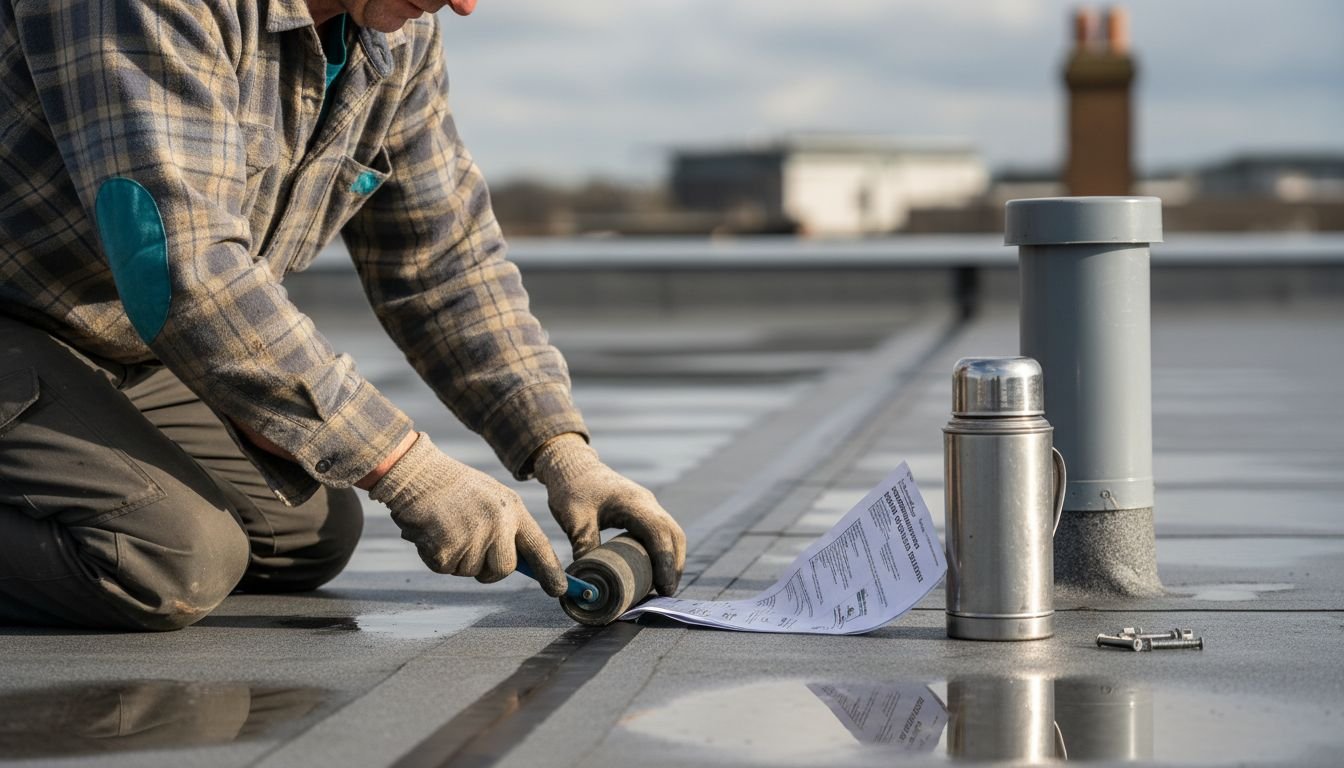
Each membrane system undergoes rigorous testing to ensure its capacity to withstand prolonged exposure to moisture, temperature variations, and mechanical stress. The goal is to create a seamless, resilient barrier that maintains its protective properties over extended periods.
Pro tip: Always prioritise professional installation by certified waterproofing experts who understand the nuanced requirements of your specific roof structure and local climate conditions.
Choosing the Right Membrane for Your Roof
Selecting the appropriate waterproof membrane is a critical decision that directly impacts your building’s long-term protection and structural integrity. Membrane roofing technologies require careful consideration of multiple environmental and architectural factors to ensure optimal performance.
Key considerations for membrane selection include:
-
Climate Compatibility:
- Temperature variation resistance
- UV exposure tolerance
- Humidity and rainfall patterns
- Wind load characteristics
-
Roof Characteristics:
- Slope configuration
- Structural movement potential
- Existing substrate conditions
- Load-bearing requirements
-
Performance Criteria:
- Chemical resistance
- Flexibility under stress
- Longevity expectations
- Maintenance complexity
Professional membrane selection transcends simple material choice and represents a comprehensive risk management strategy for building envelope protection.
Different membrane types offer unique advantages. EPDM membranes provide exceptional flexibility and chemical resistance, while thermoplastic options like PVC and TPO deliver robust heat-welded seams. Modified bitumen membranes excel in high-traffic areas, offering superior durability under mechanical stress.
Engineering professionals recommend consulting certified waterproofing specialists who can conduct comprehensive site assessments. These experts evaluate specific environmental conditions, potential stress factors, and compatibility with existing building components to recommend the most suitable membrane system.
Pro tip: Always request detailed performance documentation and independent testing certifications when selecting a waterproofing membrane to ensure comprehensive protection.
Costs, Risks, and Common Pitfalls
Understanding the financial and technical complexities of waterproof membrane roofing is crucial for making informed decisions. Membrane roofing risks encompass a wide range of potential challenges that can significantly impact long-term building protection and maintenance expenses.
Key financial and technical considerations include:
-
Cost Factors:
- Material quality and type
- Installation complexity
- Roof surface area
- Regional labour rates
- Additional preparatory work
-
Primary Risks:
- Seam failure potential
- Water intrusion vulnerabilities
- Environmental damage mechanisms
- Substrate compatibility issues
-
Common Installation Pitfalls:
- Inadequate surface preparation
- Improper material selection
- Insufficient thermal expansion allowances
- Neglecting manufacturer’s specifications
- Poor quality control during installation
Comprehensive risk management in waterproofing demands meticulous attention to technical details and proactive strategic planning.
The financial implications of waterproof membrane installation vary dramatically. Budget-conscious property owners must balance initial investment against long-term durability, understanding that cheaper solutions often result in higher maintenance and replacement costs over time.
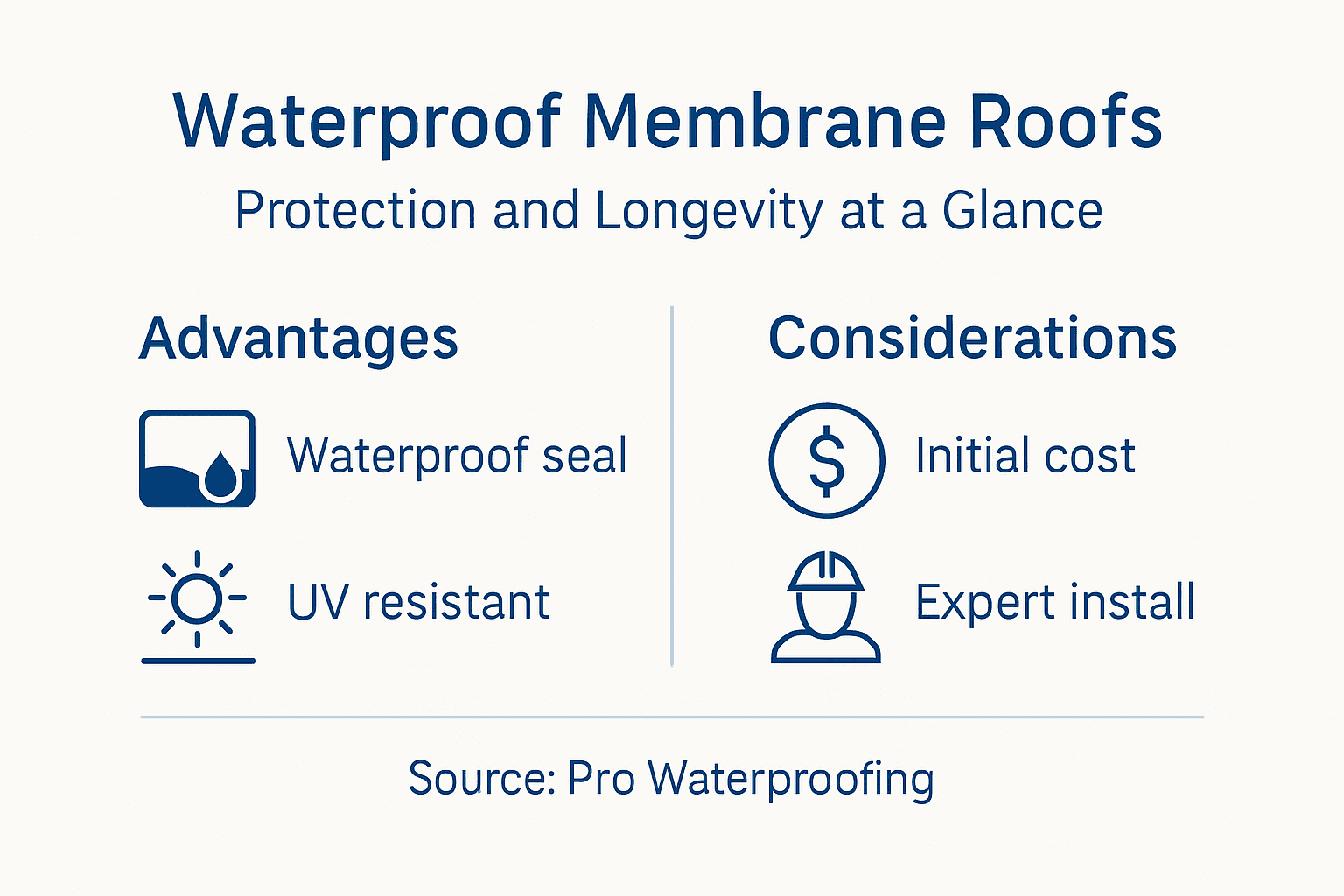
Professional waterproofing specialists recommend thorough site assessments, detailed material compatibility studies, and rigorous quality control processes to mitigate potential risks. Investing in high-quality materials and expert installation can prevent substantial future repair expenditures.
The following table outlines financial and technical influences on waterproof membrane selection:
| Cost Factor | Typical Impact | Long-Term Effect |
|---|---|---|
| Material Quality | Higher cost with better protection | Reduces future repair expenses |
| Installation Complexity | Increases up-front labour cost | Improves reliability, fewer leaks |
| Roof Surface Area | Larger areas cost more | Scales total investment |
| Maintenance Frequency | More for cheaper systems | Raises life-cycle expenditures |
Pro tip: Request comprehensive warranties and independent performance certifications to validate the true long-term value of your chosen waterproofing membrane system.
Selecting Qualified Waterproofing Contractors
Choosing the right waterproofing contractor is a critical decision that can significantly impact the long-term protection and performance of your building’s roof. Registered Waterproofing Consultant credentials represent a crucial benchmark for evaluating professional competence and reliability in the waterproofing industry.
Critical factors to consider when selecting a waterproofing contractor include:
-
Professional Credentials:
- Industry-recognised certifications
- Registered Waterproofing Consultant (RWC) status
- Technical training documentation
- Professional membership affiliations
-
Experience and Expertise:
- Years of specialised waterproofing experience
- Portfolio of completed projects
- Specialisation in membrane roofing systems
- Local project references
- Understanding of regional climate challenges
-
Compliance and Standards:
- Adherence to SANS 10021 standards
- Proper insurance coverage
- Documented quality control processes
- Comprehensive warranty offerings
- Transparent pricing structures
Professional waterproofing contractors are not merely service providers but strategic partners in protecting your building’s structural integrity.
Technical competence goes beyond basic credentials. Exceptional contractors demonstrate deep understanding of substrate preparation, material compatibility, and complex installation techniques specific to different roof configurations and environmental conditions.
Property owners should conduct thorough due diligence, including requesting detailed project proposals, checking independent references, and verifying technical competencies before committing to a waterproofing contractor.
Pro tip: Request comprehensive documentation of past project outcomes and independently verified performance certifications to validate a contractor’s true professional capabilities.
Protect Your Roof with Expert Waterproof Membrane Solutions
A waterproof membrane roof is essential for lasting protection against water damage that threatens your building’s structure and value. Key challenges include selecting the right membrane to withstand South Africa’s unique climate, ensuring seamless installation, and avoiding common risks such as seam failure and substrate incompatibility. At Pro Waterproofing, we understand these pain points and offer professional guidance on membrane types, installation techniques, and contractor selection to keep your roof watertight and durable.
Explore our insightful resources in Uncategorized – Pro Waterproofing for expert tips and industry best practices.
Act now to safeguard your property with trusted waterproofing specialists. Visit Pro Waterproofing today for a personalised consultation and obtain a tailored waterproof membrane roofing solution. Don’t wait until water damage compromises your investment. Reach out via our contact form and take the first step towards a secure, long-lasting roof.
Frequently Asked Questions
What is a waterproof membrane roof?
A waterproof membrane roof is a roofing system designed to create a barrier against water infiltration, protecting buildings from moisture damage. It uses impermeable layers made from synthetic materials to ensure a watertight seal.
What are the different types of waterproof membrane roofing systems?
The primary types include single-ply membranes (such as EPDM, PVC, and TPO), modified bitumen membranes, and polymeric membranes. Each type offers distinct advantages and is suited for varying environmental conditions and usage needs.
How does waterproof membrane roofing work?
Waterproof membrane roofing functions by applying seamless, durable layers to create a protective barrier. These membranes are bonded using techniques such as heat welding or adhesives, which prevent water penetration and adapt to any structural movements.
What factors should I consider when choosing a waterproof membrane?
Considerations include climate compatibility, roof characteristics (like slope and potential movement), and performance criteria such as flexibility, UV resistance, and chemical resistance. Consulting with a professional can help ensure the right choice for your building’s needs.