
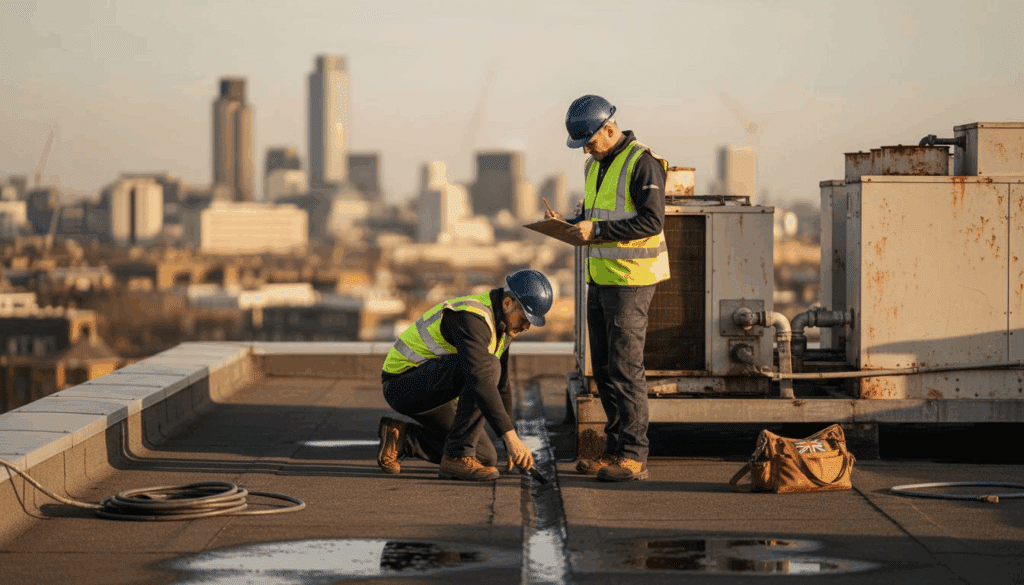
Leaking roofs can disrupt your operations and cause expensive repairs for your commercial property. Knowing how to protect your building from rain and harsh South African weather is a real challenge. The right approach can save you from costly surprises and help your roof last for years.
This guide brings you practical knowledge on every stage of the waterproofing process—from choosing suitable materials to securing skilled contractors. You will uncover expert-approved steps that make a real difference in roof protection and discover which methods keep your property safe even under tough climate conditions. Each tip provides direct actions that lead to reliable, long-lasting waterproofing results.
Table of Contents
- Assessing Roof Condition Before Waterproofing
- Choosing the Right Waterproofing Materials
- Ensuring Professional Surface Preparation
- Applying Advanced Waterproofing Techniques
- Inspecting and Testing Waterproofed Roofs
- Setting Up Regular Maintenance Schedules
- Selecting Qualified Waterproofing Contractors
Quick Summary
| Takeaway | Explanation |
|---|---|
| 1. Regular roof inspections prevent damage | Performing biannual inspections can identify vulnerabilities early, reducing the risk of costly water damage. |
| 2. Choose materials based on local climate | Selecting waterproofing materials tailored to your environment ensures effective long-term roof protection and performance. |
| 3. Proper surface preparation enhances waterproofing | Comprehensive preparation increases the longevity of the waterproofing system and ensures effective adhesion of the membrane. |
| 4. Employ advanced waterproofing techniques | Using modern application methods extends roof life and maximises the effectiveness of waterproofing solutions. |
| 5. Maintain a structured maintenance schedule | Regular maintenance can lower repair costs significantly and prolong your roof’s overall lifespan. |
1. Assessing Roof Condition Before Waterproofing
Before applying any waterproofing treatment, a comprehensive roof condition assessment is crucial for commercial properties. Understanding your roof’s current state helps prevent costly damage and ensures the effectiveness of waterproofing solutions.
Roof inspections involve several critical components:
- Visual surface examination to identify obvious damage
- Moisture mapping to detect hidden water infiltration
- Structural integrity checks for potential weak points
- Material degradation assessment
Commercial roofs face significant environmental challenges. Continuous exposure to harsh Gauteng and Western Cape weather conditions can accelerate roof deterioration. Roof condition inspection reveals potential vulnerabilities before they become major problems.
A thorough roof assessment can prevent up to 80% of potential water damage incidents.
Specific inspection areas include:
- Checking membrane integrity
- Evaluating seam conditions
- Examining flashings and edge details
- Identifying potential crack formations
- Assessing drainage system functionality
Professional inspectors use advanced technologies like infrared thermography and moisture metres to detect subsurface issues invisible to the naked eye. These techniques help identify potential water penetration risks before they escalate into significant structural problems.
Pro tip: Schedule professional roof inspections biannually to catch and address potential issues early, potentially saving thousands in repair costs.
2. Choosing the Right Waterproofing Materials
Selecting the appropriate waterproofing materials is a critical decision that directly impacts your commercial roof’s longevity and performance. The right materials can mean the difference between decades of protection and costly, recurring water damage.
Commercial properties in South Africa require robust waterproofing solutions that can withstand diverse environmental challenges. Waterproofing materials selection demands careful consideration of multiple factors.
Key waterproofing material options include:
- Liquid membranes offering seamless coverage
- Sheet membranes providing robust protection
- Bituminous coatings with excellent durability
- Cementitious waterproofing for structural applications
- Polyurethane membranes with superior flexibility
Selecting materials tailored to your specific roof design and local climate conditions is essential for long-term protection.
Material selection criteria involve evaluating:
- Climate exposure intensity
- Roof substrate characteristics
- Expected building movement
- Budget constraints
- Application complexity
Understanding each material’s unique properties helps property managers make informed decisions. Polyurethane membranes, for instance, offer exceptional elasticity and crack-bridging capabilities ideal for roofs experiencing significant structural movement.
Pro tip: Always request manufacturer performance certifications and conduct compatibility tests before large-scale waterproofing applications to ensure optimal material performance.
3. Ensuring Professional Surface Preparation
Professional surface preparation is the foundational step that determines the success of any commercial roof waterproofing project. Neglecting this critical phase can compromise the entire waterproofing system and lead to premature failure.
Surface preparation techniques are crucial for creating an optimal substrate for waterproofing membrane application. Commercial roofs in South Africa demand meticulous attention to detail due to extreme weather conditions.
Key surface preparation elements include:
- Comprehensive surface cleaning
- Moisture content assessment
- Structural defect identification
- Substrate repair and levelling
- Contaminant removal
Proper surface preparation can increase waterproofing system longevity by up to 50%.
Critical surface preparation steps:
- Remove all loose debris and dust
- Repair structural cracks and surface imperfections
- Eliminate oil and grease contamination
- Apply appropriate primer
- Ensure complete surface dryness
Special attention must be given to roof penetrations and flashings, which are common weak points in waterproofing systems. These areas require precise treatment to guarantee watertight seals.
Pro tip: Invest in professional surface moisture testing and use high-quality primers specific to your roof substrate to maximise waterproofing membrane adhesion and performance.
4. Applying Advanced Waterproofing Techniques
Advanced waterproofing techniques represent the cutting edge of commercial roof protection strategies. Successfully applying these methods requires precision technical knowledge and a systematic approach tailored to South African environmental challenges.
Commercial property managers can enhance roof durability by mastering waterproofing application techniques. Modern waterproofing goes beyond simple membrane installation.
Key advanced waterproofing techniques include:
- Liquid-applied membrane systems
- Reinforced spray polyurethane techniques
- Cold-applied seamless membranes
- Elastomeric coating applications
- Advanced thermal welding methods
Advanced waterproofing techniques can extend roof life by up to 25 years when applied correctly.
Critical application considerations:
- Maintain consistent membrane thickness
- Eliminate potential air pockets
- Ensure complete surface coverage
- Use professional-grade application tools
- Follow manufacturer recommended curing times
Precision application requires understanding substrate characteristics and selecting techniques compatible with specific roof structures. Each commercial roof presents unique challenges demanding tailored waterproofing approaches.
Pro tip: Invest in professional training for application teams and conduct multiple quality control checks during the waterproofing process to guarantee optimal membrane performance.
5. Inspecting and Testing Waterproofed Roofs
Roof inspections are the critical safeguard that validates the effectiveness of your waterproofing investment. Without systematic testing, even the most advanced waterproofing treatments can harbour hidden vulnerabilities.
Commercial property managers can ensure comprehensive roof protection through rigorous and methodical inspection protocols.
Key inspection techniques include:
- Visual surface assessment
- Moisture metre scanning
- Infrared thermal imaging
- Water ponding tests
- Membrane adhesion checks
Professional roof inspections can detect potential issues before they escalate into costly water damage.
Comprehensive testing procedures:
- Conduct initial visual damage survey
- Perform non-destructive moisture mapping
- Check membrane integrity and bonding
- Test drainage system functionality
- Document and photograph all findings
Electronic detection technologies now enable precise identification of potential water infiltration points. These advanced methods go beyond traditional visual inspections, providing deeper insights into roof condition.
Pro tip: Schedule professional roof inspections twice annually and immediately after significant weather events to catch and address potential vulnerabilities early.
6. Setting Up Regular Maintenance Schedules
Regular maintenance schedules are the cornerstone of long-term commercial roof protection. Proactive maintenance prevents minor issues from escalating into costly structural damage.
Property managers can develop comprehensive waterproofing workflows that ensure consistent roof health and performance.
Key maintenance schedule components:
- Quarterly visual inspections
- Biannual professional assessments
- Post-extreme weather evaluations
- Drainage system checks
- Membrane condition monitoring
Consistent maintenance can reduce potential repair costs by up to 70%.
Structured maintenance approach:
- Create detailed inspection checklist
- Schedule systematic roof assessments
- Document all maintenance activities
- Track performance and repair history
- Update maintenance protocols annually
Digital maintenance tracking enables precise monitoring of roof condition. Modern commercial properties benefit from technology-driven maintenance strategies that provide real-time insights.
Pro tip: Implement a digital maintenance management system to track roof health systematically and set automated reminders for routine inspections.
7. Selecting Qualified Waterproofing Contractors
Choosing the right waterproofing contractor can make or break your commercial roof’s long-term performance and durability. A skilled contractor transforms technical expertise into reliable protection for your property.
Property managers can navigate contractor selection wisely by understanding critical evaluation criteria.
Key contractor selection criteria include:
- Industry certifications
- Proven project experience
- Technical expertise
- Professional references
- Insurance and warranty offerings
Selecting a qualified contractor reduces potential roof failure risks by up to 80%.
Comprehensive contractor evaluation steps:
- Verify professional credentials
- Review past project portfolios
- Check manufacturer endorsements
- Request detailed project proposals
- Compare multiple contractor estimates
Technical competence matters more than pricing. Commercial roof waterproofing requires specialised skills that go beyond standard construction practices.
Pro tip: Request portfolios demonstrating successful waterproofing projects in similar commercial environments and always prioritise contractors with documented manufacturer training.
Below is a comprehensive table summarising the critical strategies and considerations for commercial roof waterproofing discussed in the article.
| Aspect | Key Details | Significance |
|---|---|---|
| Roof Condition Assessment | Inspections involve examining membranes, seams, flashings, and drainage, using advanced methods like infrared scanning. | Identifying vulnerabilities prevents major damage and preserves structure integrity. |
| Material Selection | Options include liquid membranes, sheet membranes, and polyurethane coatings, selected based on climate, substrate, and budget. | Ensures the roof’s durability and reduces future repair costs. |
| Surface Preparation | Essential steps are cleaning, repairing defects, and applying primers. Key areas are flashings and penetrations. | Proper preparation significantly increases the effectiveness and lifespan of waterproofing systems. |
| Advanced Techniques | Methods include liquid membranes, thermal welding, and seamless coatings, applied ensuring consistent thickness and coverage. | Applies precise solutions matching roof structure challenges, extending lifespan. |
| Post-Application Testing | Inspections like thermal imaging, water testing, and adhesion checks ensure thorough waterproofing. | Early detection of flaws protects against future water infiltration issues. |
| Maintenance | Implement regular inspections, digital tracking, and reaction protocols post-severe weather events. | A consistent maintenance routine helps prevent minor issues from evolving into significant damages. |
| Contractor Selection | Criteria include experience, certifications, and past project assessments. Request detailed proposals for comparison. | Choosing skilled contractors ensures optimised application and fewer defects, safeguarding investment. |
This table organises the pivotal elements of ensuring a robust commercial roof waterproofing system, tailored to withstand environmental and structural challenges effectively.
Secure Your Commercial Roof with Expert Waterproofing Solutions Today
Facing the complexities of commercial roof waterproofing requires more than just basic repairs. The article highlights crucial challenges like thorough roof condition assessment, professional surface preparation, and the application of advanced waterproofing techniques that protect your property from costly water damage and structural issues. Understanding these key steps and selecting the right contractor ensures your roof withstands South Africa’s demanding climate conditions with long-lasting protection.
Discover how Pro Waterproofing bridges these precise needs with proven expertise. From selecting the perfect materials to meticulous maintenance scheduling, our dedicated team helps you confidently navigate every stage of your commercial waterproofing project. Don’t leave your roof’s future to chance — visit our Uncategorized category for detailed insights and trusted guidance.
Take the first step towards safeguarding your commercial property with Pro Waterproofing. Explore comprehensive solutions and expert advice at Pro Waterproofing, and connect with qualified contractors who prioritise quality, experience and warranties. Act now to prevent costly repairs and enjoy peace of mind knowing your investment is protected.
Frequently Asked Questions
What are the key steps for effective commercial roof waterproofing?
The key steps include assessing roof condition, selecting the right waterproofing materials, ensuring professional surface preparation, applying advanced techniques, inspecting and testing the waterproofed roofs, setting up regular maintenance schedules, and selecting qualified waterproofing contractors. Follow these steps to enhance your roof’s durability and minimise potential repair costs.
How often should I schedule professional roof inspections for waterproofing?
You should aim to conduct professional roof inspections at least biannually, or twice a year. Additionally, schedule inspections after significant weather events to promptly identify any potential vulnerabilities and avoid costly damage.
What factors should I consider when choosing waterproofing materials?
Consider climate exposure, roof substrate characteristics, expected building movement, budget constraints, and application complexity. Selecting materials specifically tailored to your roof’s design and local environment will ensure optimal protection and longevity.
How can I ensure proper surface preparation before waterproofing?
Ensure that the surface is comprehensively cleaned, moisture content is assessed, structural defects are identified, and contaminants are removed. Completing these steps can significantly increase the longevity of your waterproofing system by up to 50%.
Why is it essential to select a qualified waterproofing contractor?
Choosing a qualified waterproofing contractor reduces the risk of roof failure significantly, by up to 80%. Prioritise contractors with verified credentials, proven project experience, and positive professional references to ensure quality and reliability.
What are the benefits of setting up regular maintenance schedules for my commercial roof?
Regular maintenance schedules can reduce potential repair costs by up to 70%. Implement structured maintenance practices, including quarterly inspections and biannual professional assessments, to keep your roof in optimal condition and extend its lifespan.
Recommended
- Commercial Waterproofing Step by Step Guide for Success
- Roof Waterproofing Steps for Lasting Protection
- Roof Waterproofing Process: Secure Your Property Today – Pro Waterproofing
- A to Z of Roof Waterproofing – Pro Waterproofing
- 7 Key Tips for Choosing Breathable Waterproof Workwear – WorkWearComfort