

Water creeping through basement walls during rainy South African seasons often signals trouble for homeowners in Gauteng and the Western Cape. Persistent dampness and hidden leaks can weaken property foundations over time, erode your investment, and risk long-term structural problems. Understanding a basement water drainage system reveals how engineered solutions can shield your home from these threats, helping you maintain a dry, valuable living space and avoid expensive repairs down the line.
Table of Contents
- What Is a Basement Water Drainage System?
- Types of Basement Drainage Solutions
- How Basement Drainage Systems Work
- Costs, Risks, and Installation Pitfalls
- Selecting Qualified Contractors in South Africa
Key Takeaways
| Point | Details |
|---|---|
| Importance of Basement Drainage | A basement water drainage system is essential for preventing water-related damage, such as mould growth and structural weakening. |
| Types of Systems | There are various basement drainage solutions, including external and internal systems, each suited for different properties and conditions. |
| Installation Considerations | Proper installation is crucial; improperly installed systems can lead to significant long-term costs for repairs. |
| Maintenance is Key | Regular inspections and maintenance of the drainage system can prevent costly water damage and ensure effective functioning. |
What Is a Basement Water Drainage System?
A basement water drainage system is an engineered solution that collects, channels, and removes water from around and beneath your home’s foundation. Think of it as a protective barrier that keeps groundwater, surface runoff, and seepage away from your basement walls and floor.
These systems are vital in preventing water-related damage such as structural weakening, dampness, mould growth, and foundation instability. In Gauteng and the Western Cape, where rainfall patterns and soil conditions vary significantly, proper drainage becomes essential protection for your property.
How Basement Drainage Systems Work
A basement water drainage system typically consists of multiple components working together:
- Perimeter drainage collects water along the foundation’s exterior edge
- Sump pits gather collected water in a centralised location
- Pump systems remove water away from the foundation
- Waterproof membranes prevent water penetration through foundation walls
- Proper grading directs surface water away from the building
Drainage installations designed to collect and direct water away from building foundations follow South African building standards that govern their installation and maintenance. These engineered systems represent a comprehensive approach to preventing water damage to structural elements.
A well-designed basement water drainage system prevents costly water damage before it starts, protecting both your property’s structure and value.
Why Your Basement Needs One
Basements face unique challenges. They sit below ground level, making them vulnerable to hydrostatic pressure from surrounding soil. Water naturally migrates downward and sideways, seeking the path of least resistance.
Without proper engineered solutions designed to manage water ingress, your basement becomes susceptible to flooding, dampness, and structural problems. The cost of repairing water damage far exceeds the investment in proper drainage installation.
These systems involve planning, design, and ongoing management to assure effective water removal from basements and other vulnerable below-ground spaces. Understanding what a basement water drainage system does helps you appreciate why prevention matters more than fixing problems later.
Proper drainage also connects to broader basement waterproofing approaches that work together for comprehensive protection. When all components function correctly, your basement stays dry regardless of weather conditions.
Pro tip: Schedule a drainage inspection every 2-3 years to ensure pipes remain clear and pumps operate correctly, catching potential problems before they flood your basement.
Types of Basement Drainage Solutions
Basement drainage solutions fall into distinct categories, each designed for different conditions and property layouts. Your choice depends on your foundation type, soil composition, water table level, and budget. Understanding your options helps you select the right protection for your Gauteng or Western Cape home.
The main approaches work by either intercepting water before it reaches your foundation or removing it once it arrives. Most effective basement protection combines multiple methods working together as a comprehensive system.
Here is a comparison of the main types of basement drainage systems to help you understand the benefits and limitations of each approach:
| System Type | Key Benefit | Typical Application | Main Limitation |
|---|---|---|---|
| External drainage (French) | Blocks water before entry | New builds, high water tables | High upfront cost, excavation |
| Internal drainage | Removes water after ingress | Existing basements | Only manages, does not prevent |
| Waterproof membranes/boards | Adds moisture barrier layer | Both new and retrofit | Needs combination with drains |
External Drainage Systems
Perimeter or French drains are among the most common solutions. These trenches filled with gravel and perforated pipe sit along your foundation’s exterior, intercepting groundwater before it contacts your walls.
How they work:
- Gravel-filled trenches slope away from the foundation
- Perforated pipes collect water and direct it downslope
- Water flows toward daylight drainage or a collection point
- Backfill prevents soil from clogging the system
Engineered drainage approaches-home) such as external perimeter drains reduce hydrostatic pressure and prevent seepage from reaching your basement walls. These systems excel at managing groundwater in areas with high water tables.
External drainage prevents water from ever touching your foundation, making it the most effective long-term solution when properly installed.
Internal Drainage Systems
Internal systems work after water has entered your basement, collecting and removing it via sump pumps. These solutions suit existing basements where external digging isn’t practical.
Internal drainage includes:
- Sump pits that catch water pooling on the floor
- Submersible pumps that automatically remove collected water
- Discharge pipes that direct water away from the foundation
- Check valves that prevent backflow during heavy rainfall
Waterproof Membranes and Drainage Boards
These products combine moisture barriers with drainage capability, working alongside other solutions. Surface drainage techniques manage rainwater and prevent pooling against foundations, whilst drainage boards allow water to flow safely down and away.
Membranes and boards:
- Create a moisture-resistant layer on foundation walls
- Channel water downward rather than inward
- Work effectively with perimeter drainage systems
- Provide additional protection during heavy rainfall
Proper drainage design connects to broader basement waterproofing solutions that create layered protection. When combined, these methods keep basements dry year-round.
Pro tip: Test your drainage system annually by observing where water flows during heavy rain—if it pools near your foundation, your system needs assessment or adjustment.
How Basement Drainage Systems Work
Basement drainage systems operate on straightforward principles: intercept water before it damages your foundation, and remove any moisture that does infiltrate. The system combines gravity, mechanical pumping, and strategic placement to keep your basement dry year-round.
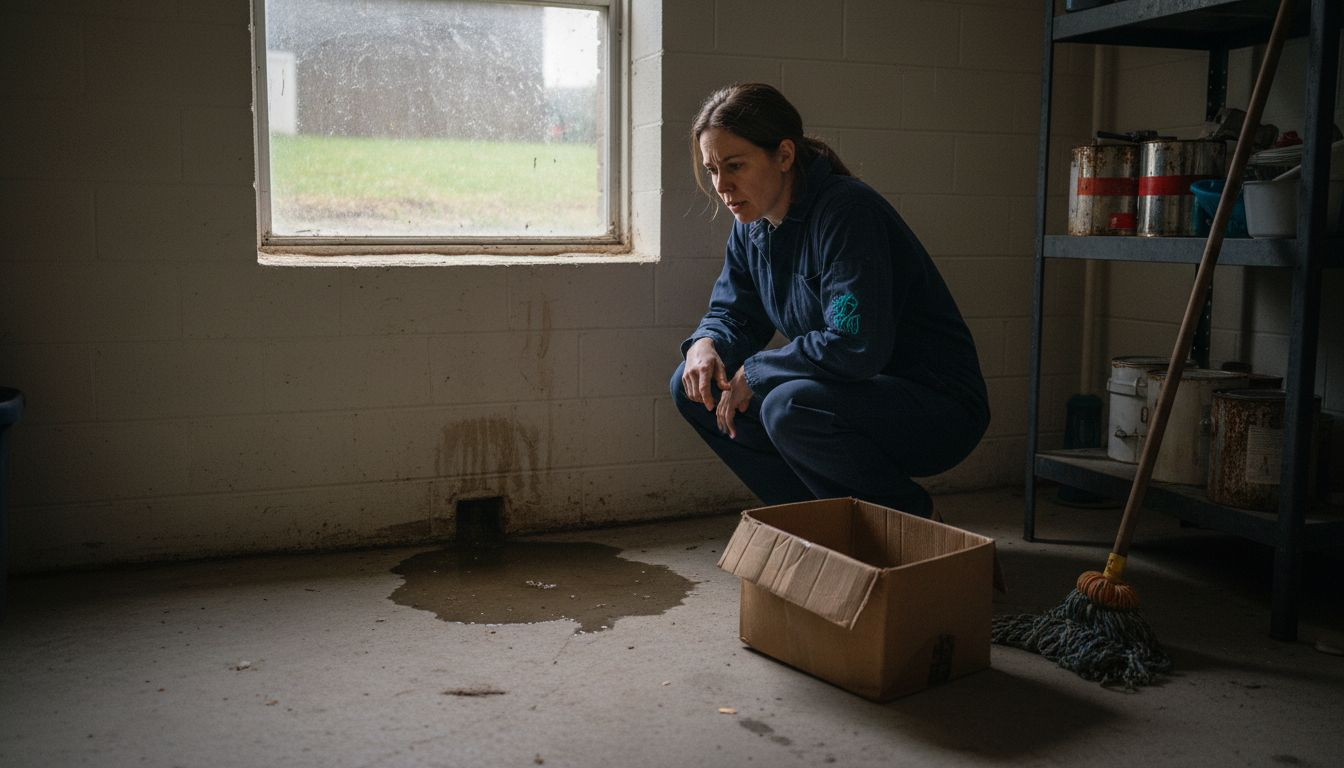
Think of it like a multi-layer defence. The outer perimeter stops water from ever reaching your walls. If water gets past that layer, internal systems capture and expel it. Understanding this process helps you appreciate why proper installation matters so much.
The External Defence Line
External drainage works by positioning perforated pipes and filter materials along your foundation’s perimeter. Groundwater intercepts through these pipes before reaching your basement walls or floor slab.
Here’s how the process unfolds:
- Gravel-lined trenches sit against your foundation’s exterior
- Perforated pipes collect water seeping through soil
- Water flows downhill or toward a designated discharge point
- Filter fabric prevents soil from clogging the system
- Discharge directs water safely away from your home
This approach minimises hydrostatic pressure, the force that makes water push against your foundation walls during heavy rainfall or high groundwater conditions.
Managing Water Infiltration
If water does penetrate your basement despite external protection, internal systems take over. Physical drainage infrastructure inside your basement captures moisture and directs it safely away.
Internal systems typically include:
- Drainage channels or “weeping” systems around the floor perimeter
- Sump pits that collect water pooling beneath the slab
- Submersible pumps activated by rising water levels
- Check valves preventing backflow during heavy storms
- Discharge pipes carrying water away from your foundation
An effective drainage system uses both external interception and internal removal, creating redundancy that keeps your basement protected regardless of rainfall intensity.
How Gravity and Pumps Work Together
Gravity does most of the work. Water naturally flows downhill through perforated pipes and drainage channels, requiring no electricity. External systems leverage gravity almost entirely, making them reliable and low-maintenance.
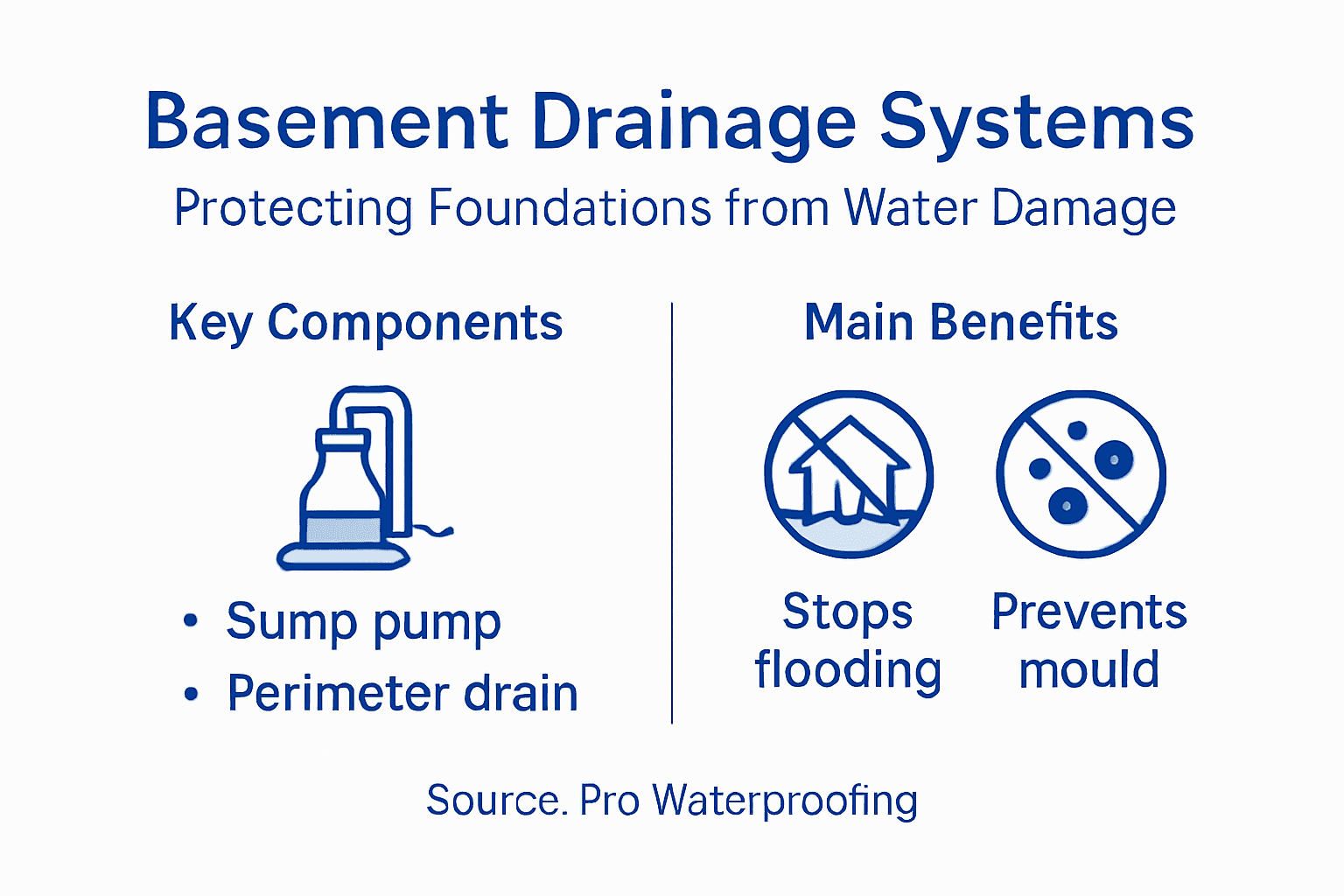
Internal sump pumps activate when water reaches a certain level, automatically removing collected moisture. This mechanical backup ensures water never pools dangerously inside your basement. Modern pumps include battery backup, protecting your home even during power outages.
Proper basement water damage prevention depends on these systems functioning correctly throughout the year. Regular maintenance keeps pipes clear and pumps operational.
Pro tip: Listen for your sump pump running during or after heavy rain—silence indicates a potential failure requiring immediate inspection before water damages your basement.
Costs, Risks, and Installation Pitfalls
Basement drainage installation is a significant investment, but the cost of water damage far exceeds installation expenses. Understanding pricing, risks, and common mistakes helps you budget realistically and avoid costly failures.
In South Africa, installation costs vary widely depending on your property’s size, soil conditions, and system complexity. Getting multiple quotes ensures you understand the market and spot unrealistic pricing that often indicates poor quality work.
Installation Costs Breakdown
Basement drainage systems involve several cost components. Installation expenses include excavation, specialised materials, waterproofing products, and mechanical equipment such as sump pumps.
Typical cost factors:
- Excavation and soil removal around your foundation
- Perforated pipes and gravel filter materials
- Waterproof membranes and drainage boards
- Submersible pumps and electrical installation
- Labour for proper system installation
- Backfill and site restoration
External drainage systems typically cost more upfront than internal solutions, but they prevent problems rather than simply managing them. Internal systems suit existing basements where external excavation isn’t feasible.
Common Installation Risks
Improper installation leads to ineffective drainage, water pooling, and accelerated structural damage. These failures emerge months or years after installation when fixing them costs significantly more.
Frequent mistakes include:
- Incorrect pipe slope preventing gravity drainage
- Inadequate filter materials allowing soil clogging
- Poor waterproofing membrane application
- Sump pump discharge directed toward the foundation
- Failure to follow South African building standards
Cutting corners during installation creates expensive problems later. Proper installation to standards prevents years of water damage and structural deterioration.
Ongoing Maintenance Costs
Budget planning must include potential long-term maintenance and failure mitigation expenses. Neglecting maintenance turns a properly functioning system into a liability within years.
Maintenance typically involves:
- Annual inspections of pipes and pump operation
- Clearing debris from gutters and drainage channels
- Testing sump pumps monthly and replacing batteries annually
- Monitoring discharge pipes for blockages
- Replacing pumps every 5-7 years as they wear
Selecting the Right Contractor
Contractor selection heavily influences installation success and future costs. Asking contractors critical questions about their experience and warranties protects your investment.
Evaluate contractors based on:
- Licensed and insured operation in South Africa
- References from recent residential projects
- Written warranties covering labour and materials
- Knowledge of local soil and water conditions
- Compliance with SANS 10252-2 standards
Pro tip: Request itemised quotes from at least three contractors, then verify references before deciding—the cheapest option often results in the costliest repairs.
To make an informed decision, consider these critical factors when selecting a basement drainage contractor:
| Consideration | Why It Matters | What To Check |
|---|---|---|
| Credentials | Ensures legal compliance | Verify insurance, SARS, CIDB |
| Local experience | Matches methods to soil/rainfall | Ask for local project references |
| Warranty detail | Protects against future issues | Seek written, clear warranties |
| Detailed quote | Avoids unexpected costs | Request itemised, written estimate |
Selecting Qualified Contractors in South Africa
Choosing the right contractor makes the difference between a drainage system that protects your home for decades and one that fails within years. Qualified contractors understand local soil conditions, comply with South African standards, and deliver quality workmanship that justifies your investment.
The contractor you select shapes your project’s success more than any other decision. A poor choice leads to costly failures, whilst a qualified professional ensures your basement stays dry year-round.
Verify Essential Credentials
Qualified contractors demonstrate compliance with South African building codes and health and safety regulations. Check their qualifications before discussing your project.
Essential credentials to verify:
- Current business registration with the South African Revenue Service (SARS)
- Professional liability insurance covering drainage installation
- Membership in relevant industry associations or bodies
- CIDB grading confirming construction capability
- Valid health and safety compliance certificates
- References from recent residential projects in your area
Licensed contractors carry insurance protecting you if accidents occur during installation. Unlicensed operators leave you liable for injuries and property damage on your own property.
Check Experience and Track Record
Experience with basement drainage matters significantly. Contractors familiar with drainage standards and local conditions understand soil types, water tables, and installation challenges specific to Gauteng or the Western Cape.
Assess experience by requesting:
- Portfolio of completed basement drainage projects
- References from homeowners in your area
- Details about their experience with your foundation type
- Examples of warranty periods they guarantee
- Explanation of their installation methodology
Experience protects you from costly mistakes. A contractor with 10+ years installing drainage systems in your region understands conditions better than a generalist.
Understand Written Warranties
Qualified contractors stand behind their work with written warranties covering labour and materials. These warranties provide recourse if problems emerge after installation. Avoid contractors offering only verbal assurances.
Warranties should include:
- Labour coverage for 2-5 years minimum
- Material guarantees matching manufacturer specifications
- Clear terms defining warranty coverage
- Contact procedures for filing claims
- Coverage for system failures due to workmanship
Interview Multiple Candidates
Never hire the first contractor you contact. Interviewing three or more candidates reveals market standards and helps you spot unrealistic pricing. The cheapest option frequently indicates corners being cut during installation.
During interviews, ask about their understanding of waterproofing contractor responsibilities and their specific approach to your property’s unique conditions. Good contractors explain their methodology clearly and answer detailed questions without hesitation.
Pro tip: Request written itemised quotes including all materials, labour, equipment, and disposal costs—compare apples to apples rather than making decisions based on total price alone.
Secure Your Home with Expert Basement Water Drainage Solutions
Facing persistent basement water issues can feel overwhelming and risky. The article highlights challenges like hydrostatic pressure, water infiltration, and costly structural damage that come from inadequate drainage. If you recognise the importance of a well-engineered system combining external perimeter drainage, internal sump pumps, and waterproof membranes, you understand your home deserves professional care to prevent these costly risks.
Protect your property with proven waterproofing expertise that guarantees lasting results. At Pro Waterproofing, we specialise in comprehensive waterproofing solutions tailored for South African homes and commercial buildings. With years of experience ensuring compliance with local standards and delivering reliable installations, we take the burden off your shoulders.
Don’t wait until water damage threatens your basement’s integrity. Visit our site now to explore our services, learn how to select trusted contractors, and request a personalised waterproofing quote. Act today to safeguard your home against moisture problems with trusted professionals dedicated to quality and peace of mind.
Explore more about basement waterproofing options and start your journey towards a dry, damage-free basement.
Frequently Asked Questions
What is a basement water drainage system?
A basement water drainage system is an engineered solution that collects and removes water from around and beneath your home’s foundation, preventing water damage, mould growth, and structural instability.
How do basement drainage systems work?
Basement drainage systems typically consist of perimeter drainage, sump pits, pump systems, waterproof membranes, and proper grading, all working together to intercept water before it damages your foundation or remove it if it does enter.
What are the different types of basement drainage solutions?
The main types of basement drainage solutions include external drainage systems (such as French drains), internal drainage systems (with sump pumps), and waterproof membranes or boards. Each type has its benefits and limitations depending on the specific conditions of your property.
Why is proper drainage important for a basement?
Proper drainage is crucial for a basement as it prevents flooding, dampness, and structural problems caused by hydrostatic pressure from surrounding soil. Investing in a effective drainage system is far more cost-efficient than repairing water damage later.