
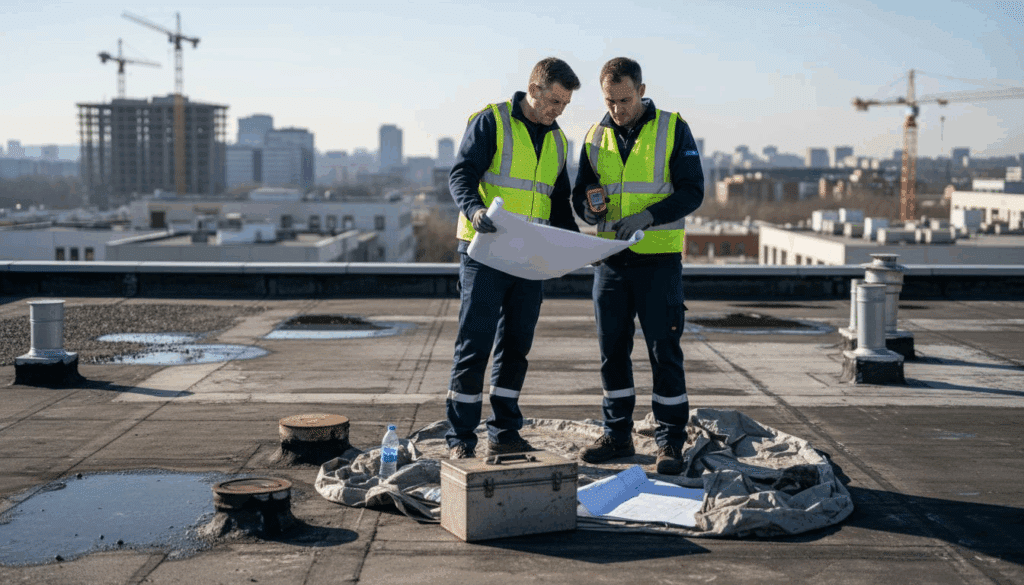
Waterproofing failures cost British businesses millions in repairs every year. Keeping commercial properties protected from water damage is not just best practice, it is crucial for long term value and safety. Whether you manage a modern office block or a heritage building, knowing the latest strategies for effective waterproofing can prevent disruptions, structural decay, and expensive losses. This guide breaks down proven steps to help safeguard your investment and minimise the risks frequently faced by British property owners.
Table of Contents
- Assess Site Conditions Before Waterproofing
- Select the Right Waterproofing Materials
- Prepare Surfaces Thoroughly for Application
- Ensure Professional Installation Techniques
- Monitor and Address Common Weak Points
- Plan for Routine Inspections and Maintenance
- Prioritise Qualified Contractors and Warranties
Quick Summary
| Key Message | Explanation |
|---|---|
| 1. Conduct a thorough site assessment | Understand your property’s environment to identify potential waterproofing challenges and tailored solutions. |
| 2. Choose suitable waterproofing materials | Select materials based on environmental factors and substrate types to ensure long-term effectiveness. |
| 3. Prepare surfaces meticulously | Properly repair and clean surfaces to achieve optimal adhesion for waterproofing applications. |
| 4. Ensure professional installation practices | Employ qualified technicians for precise application techniques to ensure effective waterproofing. |
| 5. Implement routine inspections | Schedule regular assessments to monitor weaknesses and maintain waterproofing performance over time. |
1. Assess Site Conditions Before Waterproofing
Waterproofing begins with understanding the unique landscape of your commercial property. Before applying any protective measures, a comprehensive site assessment provides critical insights into potential challenges and optimal solutions. This initial evaluation determines the effectiveness of your entire waterproofing strategy.
Professional site assessments involve thoroughly examining multiple environmental factors that could impact water resistance. Geological characteristics, existing infrastructure, drainage patterns, and historical moisture issues all play significant roles. Understanding site conditions helps prevent future structural damage and ensures targeted waterproofing interventions.
Key elements of a comprehensive site assessment include ground slope analysis, soil composition evaluation, groundwater levels, and existing drainage systems. Property managers should look for signs of previous water intrusion such as stain marks, mould growth, or structural deterioration. These indicators reveal potential weak points that require specialised waterproofing techniques.
Topographical mapping provides crucial information about water flow and potential accumulation zones. Experts recommend creating a detailed site diagram that highlights potential moisture risk areas. This visual representation helps contractors design precise waterproofing solutions tailored to your specific property characteristics.
Advanced assessment techniques now incorporate digital mapping and moisture detection technologies. Thermal imaging cameras and ground penetrating radar can identify hidden moisture pockets and structural vulnerabilities that traditional visual inspections might miss.
Pro tip: Always engage a certified waterproofing professional with specialised site assessment equipment and expertise to conduct a thorough initial evaluation of your commercial property.
2. Select the Right Waterproofing Materials
Selecting appropriate waterproofing materials is a critical decision that can make or break your commercial property’s long term protection. Each material offers unique characteristics designed to address specific environmental challenges and structural requirements.
Understanding material properties becomes paramount when designing robust waterproofing solutions. Different waterproofing materials provide varying levels of protection depending on substrate type, moisture exposure, and environmental conditions. Concrete surfaces might require cementitious coatings, while flexible areas demand liquid membranes with enhanced adaptability.
Key considerations include material durability, chemical resistance, application complexity, and compatibility with existing structures. Polyurethane coatings offer exceptional flexibility and adhesion, making them suitable for surfaces experiencing structural movement. Bituminous membranes provide excellent water resistance for underground applications and foundation walls.
Commercial properties demand materials that can withstand diverse environmental stressors. Some waterproofing solutions incorporate advanced polymer technologies that create seamless protective barriers resistant to temperature fluctuations, ultraviolet radiation, and mechanical stress. The goal is not just preventing water intrusion but ensuring long term structural integrity.
Professional waterproofing contractors recommend conducting comprehensive material compatibility tests before large scale implementation. These assessments help identify potential interactions between waterproofing materials and existing substrate surfaces, preventing future degradation or performance issues.
Pro tip: Always consult a professional waterproofing specialist who can recommend materials specifically tailored to your property’s unique environmental conditions and structural requirements.
3. Prepare Surfaces Thoroughly for Application
Surface preparation is the foundation of successful waterproofing. Without meticulous groundwork, even the most advanced waterproofing materials will fail to provide reliable protection. On site best practices emphasise the critical nature of comprehensive surface assessment and preparation before any waterproofing application.
Thorough surface preparation involves multiple critical steps. First, inspect the entire surface for existing damage such as cracks, structural fractures, or previous water damage. These imperfections must be repaired and sealed completely before applying any waterproofing material. Surfaces require thorough cleaning to remove dirt, grease, loose particles, and organic growth that could compromise material adhesion.
Mechanical preparation techniques play a crucial role in creating optimal surface conditions. Methods like sandblasting, grinding, and pressure washing effectively remove contaminants and create a textured surface that enhances material bonding. Different substrates require specific preparation approaches tailored to their unique characteristics and existing condition.
Moisture content represents another critical factor in surface readiness. Professionals use specialised moisture metres to ensure surfaces are within acceptable humidity ranges. Applying waterproofing materials to surfaces with excessive moisture can lead to poor adhesion, bubbling, and premature failure of the protective layer.
Chemical treatments might be necessary to neutralise existing surface conditions. Primers designed to improve adhesion and create uniform surface tension can significantly enhance the performance of waterproofing materials. These preparatory treatments create a stable foundation for long lasting protection.
Pro tip: Always conduct a comprehensive surface inspection and moisture test before beginning any waterproofing project, and allocate sufficient time for thorough preparation to ensure optimal material performance.
4. Ensure Professional Installation Techniques
Professional installation techniques are the cornerstone of effective waterproofing that guarantees long lasting protection for commercial properties. Technical assessments from industry experts underscore the critical importance of precision and skill during waterproofing application.
Qualified technicians understand that waterproofing is more than simply applying a protective layer. They meticulously analyse substrate conditions, environmental factors, and material compatibility to create a comprehensive installation strategy. Proper technique involves understanding thermal expansion, structural movement, and potential stress points that could compromise waterproofing performance.
Key installation considerations include maintaining consistent material thickness, creating seamless overlaps, and eliminating potential air pockets or moisture trapped between layers. Professionals use specialised tools and techniques to ensure uniform coverage and perfect adhesion. Thermal welding for membrane applications, precision roller techniques, and advanced sealing methods represent critical skills that distinguish professional installation.
Trained technicians also understand the importance of environmental conditions during installation. Temperature, humidity, and substrate preparation directly impact material performance. They carefully monitor and control these variables to guarantee optimal curing and bonding of waterproofing materials.
Certification and ongoing training play crucial roles in maintaining installation standards. Technicians must stay updated on emerging technologies, material innovations, and industry best practices. Continuous professional development ensures that installation techniques evolve alongside technological advancements in waterproofing solutions.
Pro tip: Always request documented evidence of technician certifications and recent training before commencing any commercial waterproofing project.
5. Monitor and Address Common Weak Points
Waterproofing effectiveness relies on identifying and proactively addressing potential vulnerabilities before they escalate into significant structural problems. Commercial roof challenges demonstrate the critical importance of understanding and monitoring common weak points in waterproofing systems.
Common weak points typically emerge around structural transitions, penetration points, and areas experiencing frequent environmental stress. Joints between different building materials, roof edges, drainage systems, and areas around mechanical equipment installations represent prime locations for potential water intrusion. These zones require careful, systematic inspection to prevent moisture penetration.
Thermal expansion and contraction create significant stress on waterproofing membranes. Temperature variations cause materials to stretch and contract, potentially creating microscopic fractures that compromise protective barriers. Professionals recommend conducting comprehensive seasonal assessments to identify early signs of material degradation such as surface cracking, membrane separation, or reduced elasticity.
Electrical conduits, plumbing pipes, and ventilation systems often create complex penetration points that challenge waterproofing integrity. Each penetration represents a potential entry point for moisture if not properly sealed. Advanced sealant technologies and specialised flashing techniques can help create robust barriers around these critical transition areas.
Regular infrared scanning and moisture mapping provide advanced diagnostic tools for identifying hidden vulnerabilities. These non invasive techniques can detect moisture accumulation beneath surface layers, allowing property managers to address potential issues before they become costly structural problems. Proactive monitoring transforms waterproofing from a reactive maintenance approach to a strategic preservation strategy.
Pro tip: Schedule professional comprehensive inspections at least twice annually, focusing on identifying and repairing potential weak points before they develop into significant water intrusion risks.
6. Plan for Routine Inspections and Maintenance
Routine inspections and maintenance are the backbone of sustainable waterproofing protection for commercial properties. Property inspection strategies demonstrate that proactive monitoring can significantly extend the lifespan of waterproofing systems and prevent costly structural damage.
A comprehensive maintenance programme involves systematic assessments that go beyond surface level observations. Professional inspectors evaluate multiple elements including membrane integrity, structural interfaces, drainage systems, and potential stress points. These detailed examinations help identify subtle changes that might indicate emerging waterproofing challenges before they escalate into significant problems.
Seasonal variations create unique challenges for waterproofing systems. Summer heat can cause material expansion while winter moisture creates additional stress. Quarterly inspections allow property managers to track these cyclical changes and implement targeted interventions. Advanced diagnostic tools like thermal imaging and moisture mapping provide precise insights into system performance that visual inspections might miss.
Maintenance documentation represents another critical aspect of effective waterproofing management. Detailed inspection reports create a historical record of system performance, enabling property owners to track degradation patterns and make informed decisions about repair or replacement strategies. These comprehensive logs can also support warranty claims and demonstrate proactive property management.
Professional maintenance programmes typically include cleaning critical drainage systems, repairing minor surface imperfections, and assessing the condition of protective coatings. Preventative interventions are almost always more cost effective than reactive repairs, making routine inspections a strategic investment in long term property preservation.
Pro tip: Establish a fixed inspection schedule with a certified waterproofing professional, ensuring comprehensive assessments occur at least twice annually during different seasonal conditions.
7. Prioritise Qualified Contractors and Warranties
Selecting the right waterproofing contractor represents a critical decision that directly impacts your property’s long term protection and structural integrity. Choosing waterproofing contractors requires careful evaluation beyond simple cost comparisons.
Qualified contractors bring specific technical expertise, industry certifications, and proven track records of successful waterproofing implementations. Look for professionals with documented experience in commercial projects, recognised industry accreditations, and comprehensive insurance coverage. These credentials demonstrate a commitment to professional standards and quality workmanship.
Warranty offerings provide another crucial indicator of contractor reliability. Comprehensive warranties should cover material performance, installation quality, and potential future repairs. Professional contractors confident in their work will provide detailed written warranties that specify exact coverage terms, duration, and potential repair protocols. These documents protect your investment and reflect the contractor’s professional commitment.
Technical competence involves more than surface level skills. Qualified contractors understand complex interactions between building materials, environmental conditions, and waterproofing technologies. They can provide sophisticated diagnostic assessments, recommend tailored solutions, and implement advanced protective strategies that address your specific property requirements.
Beyond technical skills, reputable contractors maintain transparent communication processes. They should offer detailed project proposals, clear cost breakdowns, realistic timelines, and ongoing support throughout the waterproofing implementation. Written documentation, professional communication, and responsive customer service distinguish top tier waterproofing professionals.
Pro tip: Request and thoroughly verify contractor credentials, including professional certifications, insurance documentation, and references from previous commercial projects before finalising any waterproofing contract.
Below is a comprehensive table summarizing the strategies and steps for effective waterproofing of commercial properties discussed in the article.
| Main Step | Key Points & Actions | Benefits/Outcomes |
|---|---|---|
| Assess Site Conditions | Perform a comprehensive site assessment to understand geological characteristics, existing infrastructure, and drainage patterns. Utilise digital mapping and moisture detection. | Accurate identification of potential challenges, ensuring targeted waterproofing and future structural integrity. |
| Select Waterproofing Materials | Choose materials based on substrate type, environmental conditions, and long term durability. Ensure compatibility and undertake material compatibility tests. | Long term protection and structural integrity, tailored solutions for specific property needs. |
| Prepare Surfaces Thoroughly | Repair existing damage, clean surfaces thoroughly, and use mechanical preparation techniques. Adjust moisture content before application. | Enhanced material adhesion, optimal surface conditions, and prevention of premature failure. |
| Ensure Professional Installation | Employ qualified technicians knowledgeable in substrate analysis and precise application techniques. Monitor environmental conditions during installation. | Long lasting protection through skilled application and adherence to professional standards. |
| Monitor and Address Weak Points | Conduct regular inspections of joint and penetration points, using advanced diagnostic tools like infrared scanning. | Early identification of potential vulnerabilities, proactive maintenance, and extended waterproofing lifespan. |
| Routine Inspections and Maintenance | Plan scheduled inspections to evaluate membrane integrity and other critical elements. Use advanced tools for precise assessments. | Prevention of costly structural damage, and prolongation of system lifespan. |
| Prioritise Qualified Contractors | Choose contractors with technical expertise, industry certifications, and comprehensive warranty offerings. | Assurance of quality workmanship, professional commitment, and investment protection. |
Protect Your Commercial Property with Expert Waterproofing Solutions
Understanding the critical importance of assessing site conditions, selecting the right materials, and ensuring professional installation can make all the difference in safeguarding your commercial property. At Pro Waterproofing, we deeply recognise the challenges property owners face with moisture intrusion and weak points that threaten structural integrity. Our specialised services address these pain points through thorough inspections and tailored waterproofing strategies designed to meet your property’s unique needs.
Don’t leave your property exposed to costly repairs or hidden damage. Visit Uncategorized – Pro Waterproofing to explore detailed insights and take the first step towards securing your investment. Connect with our certified experts at Pro Waterproofing today for a personalised assessment and see why our commitment to quality, warranties, and professional standards make us the trusted partner for commercial waterproofing in South Africa. Act now to protect your building with confidence and long-lasting peace of mind.
Frequently Asked Questions
What are the key factors to assess before waterproofing a commercial property?
Before waterproofing a commercial property, assess site conditions such as ground slope, soil composition, drainage patterns, and existing moisture issues. Conduct a thorough site evaluation to identify vulnerable areas that require targeted waterproofing solutions.
How do I select the appropriate waterproofing materials for my building?
Choose waterproofing materials based on their specific characteristics and compatibility with your property’s structure and environmental challenges. Consult a professional to evaluate material durability and resistance to local conditions before making a decision.
What steps should I follow to prepare surfaces for waterproofing?
Prepare surfaces by inspecting for damage, cleaning to remove contaminants, and ensuring moisture levels are within acceptable ranges. Allocate sufficient time for surface preparation to enhance material adhesion and ensure long-lasting waterproofing results.
How can I ensure professional installation techniques are used?
Ensure professional installation by hiring qualified contractors with the necessary certifications and experience in commercial waterproofing. Request specific evidence of their skills and training to guarantee a precise and effective application of waterproofing materials.
What maintenance practices should I implement after waterproofing?
Implement routine inspections and maintenance programmes that include periodic evaluations of waterproofing systems for potential vulnerabilities. Schedule these inspections at least twice annually to address any minor issues before they escalate into costly repairs.
Why is it important to prioritise qualified contractors for waterproofing projects?
Selecting qualified contractors is essential as they possess the expertise and experience required to ensure effective waterproofing. Look for contractors who offer comprehensive warranties, which provide peace of mind regarding the long-term performance of the waterproofing system.