
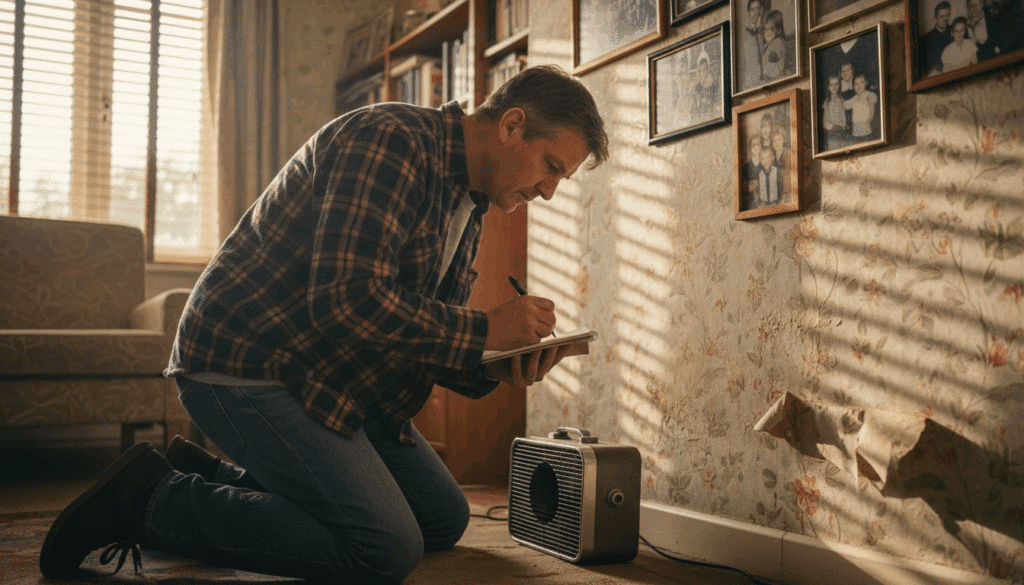
Water stains on your ceiling or musty smells in your home are more than small annoyances. These early signs often point to underlying waterproofing problems that, if left unresolved, can lead to severe structural damage and enormous repair bills. The chaos experienced during the 2022 Durban floods stands as a sharp warning of what happens when water damage is ignored and small leaks spiral into major disasters.
You do not need to wait for a crisis before taking action. By understanding the most common waterproofing mistakes, you can protect your home, save money, and avoid the stress of emergency repairs. The following insights will show you practical solutions and reveal what to watch out for before hidden water issues turn into costly nightmares.
Get ready to uncover the key steps every homeowner should take to strengthen their property’s defences against leaks and damp. Armed with this knowledge, you will have the confidence to spot risks early and choose reliable waterproofing solutions for lasting peace of mind.
Table of Contents
- Ignoring Early Signs of Damp or Leaks
- Using Inappropriate Waterproofing Materials
- Poor Surface Preparation Before Application
- Neglecting Roof and Wall Junctions
- Overlooking Regular Maintenance Inspections
- Hiring Unqualified Waterproofing Contractors
- Skipping Warranty and Quality Assurance Checks
Quick Summary
| Key Message | Explanation |
|---|---|
| 1. Address early damp signs immediately | Small patches of dampness can lead to significant structural damage if ignored. Look for water stains and mould growth as initial warning signs. |
| 2. Choose appropriate waterproofing materials | Using the correct materials tailored to your home’s conditions is vital. Inappropriate choices can lead to costly failures. |
| 3. Ensure thorough surface preparation | Properly prepare surfaces before waterproofing. This step is crucial for ensuring a reliable waterproofing barrier lasts. |
| 4. Regularly inspect critical junctions | Roof and wall junctions are often vulnerable to leaks. Regular assessments can prevent severe water damage down the line. |
| 5. Verify contractor qualifications | Selecting qualified waterproofing contractors is essential. Always check credentials and previous work to ensure quality protection for your home. |
1. Ignoring Early Signs of Damp or Leaks
Homeowners often underestimate the potential devastation caused by seemingly minor water damage. What might appear as a small patch of dampness can quickly escalate into a major structural nightmare if left unchecked.
The consequences of neglecting early warning signs can be catastrophic. Durban flood research highlights how unchecked water damage can lead to extensive property destruction and potentially life-threatening situations.
Common early warning signs homeowners should never ignore include:
- Unexplained water stains on walls or ceilings
- Musty odours in specific rooms
- Visible mould growth
- Peeling paint or wallpaper
- Soft or bulging wall surfaces
- White powdery residue on walls (efflorescence)
- Unexplained increase in humidity levels
These symptoms indicate moisture penetration that can compromise your home’s structural integrity. Water does not remain static – it travels through tiny cracks, spreading damage silently and incrementally.
Moisture left unchecked can reduce your property’s value by up to 25% and create serious health risks for inhabitants.
Early intervention is significantly more cost-effective than major repairs. Professional waterproofing experts can diagnose underlying issues before they become expensive structural problems. A small investment in inspection and minor repairs can save thousands in potential reconstruction costs.
Pro tip: Conduct a thorough home moisture inspection every six months, paying special attention to basement areas, roof edges, and wall junctions.
2. Using Inappropriate Waterproofing Materials
Choosing the wrong waterproofing materials can transform a simple home maintenance task into an expensive nightmare. Your property’s protection depends entirely on selecting materials scientifically suited to your specific environmental conditions.
Waterproofing material guidelines from the Department of Public Works emphasise the critical importance of matching materials precisely to structural requirements and local climate.
Common mistakes in material selection include:
- Using generic waterproofing solutions without assessing specific needs
- Selecting materials based solely on price
- Ignoring local humidity and temperature variations
- Applying inappropriate membrane types
- Choosing materials incompatible with existing building structures
Different areas of your home require tailored waterproofing approaches. Basement waterproofing demands different materials compared to roof treatments or external wall protection.
Not all waterproofing materials are created equal. The wrong choice can lead to premature failure and costly repairs.
Quality matters significantly. Cheap materials often result in expensive long-term damage. Professional assessment helps identify the most suitable waterproofing solution for your specific property conditions.
Factors influencing material selection include:
- Surface porosity
- Existing structural condition
- Water exposure intensity
- Temperature fluctuations
- Chemical composition of potential water contaminants
Pro tip: Always consult a professional waterproofing specialist who can conduct a comprehensive site assessment and recommend materials precisely matched to your property’s unique requirements.
3. Poor Surface Preparation Before Application
Skipping proper surface preparation is like building a house on sand – your entire waterproofing investment becomes inherently unstable and prone to catastrophic failure. Professional standards emphasise meticulous surface preparation as the foundation of effective waterproofing.
When surfaces are not correctly prepared, waterproofing materials cannot bond properly, creating vulnerabilities that compromise your entire protection strategy. This seemingly minor step can determine whether your waterproofing solution lasts months or decades.
Common surface preparation mistakes include:
- Failing to remove existing debris and contaminants
- Applying waterproofing on damp or uneven surfaces
- Skipping crucial cleaning and priming stages
- Ignoring substrate structural integrity
- Not addressing underlying surface defects
- Using incorrect cleaning techniques
- Rushing the preparation process
Proper surface preparation is not optional – it is the critical first step in creating a reliable waterproofing barrier.
Each surface requires unique preparation techniques. Concrete needs different treatment compared to masonry or wooden surfaces. Thorough cleaning and assessment determine the success of any waterproofing application.
Key preparation steps include:
- Comprehensive surface inspection
- Removing loose materials
- Cleaning with appropriate solvents
- Repairing surface imperfections
- Ensuring complete dryness
- Applying recommended primer
Pro tip: Always invest time in surface preparation and consider professional assessment if you are uncertain about the correct approach for your specific surface.
4. Neglecting Roof and Wall Junctions
Roof and wall junctions represent the most vulnerable points in any waterproofing system. These critical intersections are where water infiltration most commonly occurs, transforming a minor weakness into a potential structural disaster.
South African building standards highlight critical junction details that homeowners frequently overlook. These transition zones require specialised treatment to prevent water penetration and subsequent damage.
Common junction vulnerabilities include:
- Poor flashing installation
- Inadequate membrane overlap
- Incorrect slope design
- Missing or damaged sealants
- Uneven surface transitions
- Neglecting expansion joint treatments
- Ignoring material compatibility
Water will always find the path of least resistance – and roof-wall junctions are typically that path.
Professional waterproofing demands meticulous attention to these intersectional zones. Seamless junction treatment prevents moisture migration and protects your property’s structural integrity.
Key considerations for effective junction management:
- Use specialised transition membranes
- Ensure proper slope and drainage
- Apply compatible sealants
- Create smooth surface transitions
- Conduct regular detailed inspections
Pro tip: Invest in professional junction assessment every two years to identify and address potential weak points before they become expensive repair projects.
5. Overlooking Regular Maintenance Inspections
Ignoring routine waterproofing inspections is akin to driving a car without ever checking the oil. These critical assessments prevent minor issues from escalating into catastrophic structural failures.
South African national infrastructure standards mandate systematic maintenance to ensure water infrastructure integrity. Neglecting these inspections can transform a small, inexpensive repair into a massive, wallet-draining renovation.
Common inspection blind spots include:
- Undetected hairline cracks
- Hidden moisture accumulation
- Subtle membrane degradation
- Blocked drainage systems
- Developing mould colonies
- Structural micro-movements
- Seal deterioration
Preventative maintenance is always cheaper than reactive repair.
Systematic inspection protocols protect your property’s most valuable asset – its structural integrity. Regular assessments catch potential issues before they become expensive emergencies.
Key inspection focus areas:
- Check roof membrane conditions
- Examine wall junction seals
- Inspect drainage pathways
- Test waterproofing membrane adhesion
- Look for subtle moisture indicators
Pro tip: Schedule professional waterproofing inspections annually and conduct personal visual checks every six months to maintain your property’s protective barriers.
6. Hiring Unqualified Waterproofing Contractors
Choosing an unqualified waterproofing contractor is like entrusting your life savings to an amateur financial advisor. The consequences can be financially and structurally devastating.
The Joint Building Contracts Committee guidelines emphasise the critical importance of appointing technically competent professionals who understand complex waterproofing requirements.
Red flags indicating an unqualified contractor include:
- No verifiable professional credentials
- Limited or nonexistent portfolio of completed projects
- Unwillingness to provide comprehensive written quotes
- Lack of proper insurance documentation
- Absence of clear warranty terms
- Vague technical explanations
- Significantly lower pricing compared to market rates
Not all contractors are created equal. Your property’s integrity depends on selecting genuine expertise.
Technical competence matters immensely. Unqualified contractors often create more problems than they solve. They might use inappropriate materials misaligned with your specific structural requirements.
Key verification steps for contractor selection:
- Request comprehensive professional qualifications
- Check industry registration status
- Demand detailed project references
- Verify previous client testimonials
- Review comprehensive insurance documentation
Pro tip: Always request and independently verify a contractor’s professional credentials and past project outcomes before signing any agreement.
7. Skipping Warranty and Quality Assurance Checks
Warranty documents are not mere paperwork but critical protective shields for your waterproofing investment. Neglecting these crucial quality assurance checks can transform a supposedly secure home into a potential financial disaster.
Quality assurance protocols in South African building standards mandate comprehensive documentation to safeguard consumer interests.
Common warranty overlooking mistakes include:
- Accepting verbal warranty promises
- Not reading full contract details
- Ignoring warranty exclusion clauses
- Failing to understand repair conditions
- Neglecting documentation storage
- Not tracking warranty expiration dates
- Skipping professional compliance verification
A warranty is only as strong as the documentation supporting it.
Warranty complexity demands attention. Each clause can significantly impact your potential repair and replacement rights. Professional contractors should provide clear written warranties detailing coverage scope.
Key warranty verification steps:
- Request comprehensive written warranty
- Understand exact coverage limitations
- Check warranty transferability terms
- Verify contractor’s registration status
- Document all communication
Pro tip: Photograph and digitally archive all warranty documentation immediately after receiving them to ensure you have reliable proof of your contractual protections.
Below is a comprehensive table summarising the main causes, consequences, and solutions to waterproofing issues as outlined in the article.
| Issue | Cause | Solution |
|---|---|---|
| Ignoring Early Signs of Damp | Neglecting small moisture indicators like stains and mould. | Conduct regular inspections, especially in moisture-prone areas, and address issues promptly. |
| Using Inappropriate Waterproofing Materials | Choosing materials without considering environmental conditions. | Select materials based on local climate, surface type, and water exposure levels. |
| Poor Surface Preparation | Failing to clean and prime surfaces before application. | Ensure thorough cleaning, drying, and application of appropriate primers. |
| Neglecting Roof and Wall Junctions | Weak transitions at junctions creating entry points for water. | Treat junctions with specialised materials and regular inspections to maintain integrity. |
| Overlooking Regular Maintenance | Ignoring periodic checks leading to unnoticed deterioration. | Schedule professional inspections annually; visually assess every six months. |
| Hiring Unqualified Contractors | Employing contractors without verifying credentials or experience. | Check professional references, qualifications, and warranties provided. |
| Skipping Warranty Checks | Neglecting to confirm coverage and conditions. | Review warranty terms thoroughly and archive documentation securely. |
Protect Your Home with Expert Waterproofing Solutions Today
Avoid the costly pitfalls of common waterproofing mistakes by partnering with trusted professionals who understand the unique challenges South African properties face. From recognising early signs of damp to selecting the right materials and ensuring meticulous surface preparation, Pro Waterproofing is here to safeguard your investment and peace of mind. Explore our expert insights and specialised services tailored to prevent issues before they escalate.
Discover how our experienced team can help you tackle vulnerabilities at roof and wall junctions, maintain regular inspections, and choose qualified contractors with confidence. Act now to protect your property from hidden water damage and structural failures. Visit Pro Waterproofing and browse our Uncategorized – Pro Waterproofing category for more expert advice and solutions. Get your personalised quote today and secure a watertight future for your home.
Frequently Asked Questions
What are the early signs of water damage I should watch for?
Early signs of water damage include water stains on walls or ceilings, musty odours, and visible mould growth. Regularly inspect your home, focusing on areas like basements and roof edges, to catch issues before they escalate.
How can I select the right waterproofing materials for my home?
Choose waterproofing materials that are scientifically suited to your specific environment and structural needs. Consult a professional to assess factors such as surface porosity and water exposure intensity to ensure compatibility.
What steps should I take to prepare surfaces before applying waterproofing materials?
Proper surface preparation involves removing debris, cleaning with suitable solvents, and repairing any imperfections. Ensure surfaces are completely dry and primed to maximise the effectiveness of your waterproofing application.
How often should I inspect my waterproofing system for maintenance?
Schedule professional waterproofing inspections annually and carry out personal visual checks every six months. Regular inspections can help identify unnoticed issues, saving you from costly repairs in the long run.
What qualifications should I look for in a waterproofing contractor?
Look for a waterproofing contractor with verifiable professional credentials, comprehensive project references, and proper insurance documentation. Verify their expertise to ensure they meet your specific waterproofing requirements.
Why is understanding warranty documents important for waterproofing?
Warranty documents provide essential protection for your waterproofing investment. Review warranties carefully to understand coverage limitations and conditions, and store them securely for future reference.