
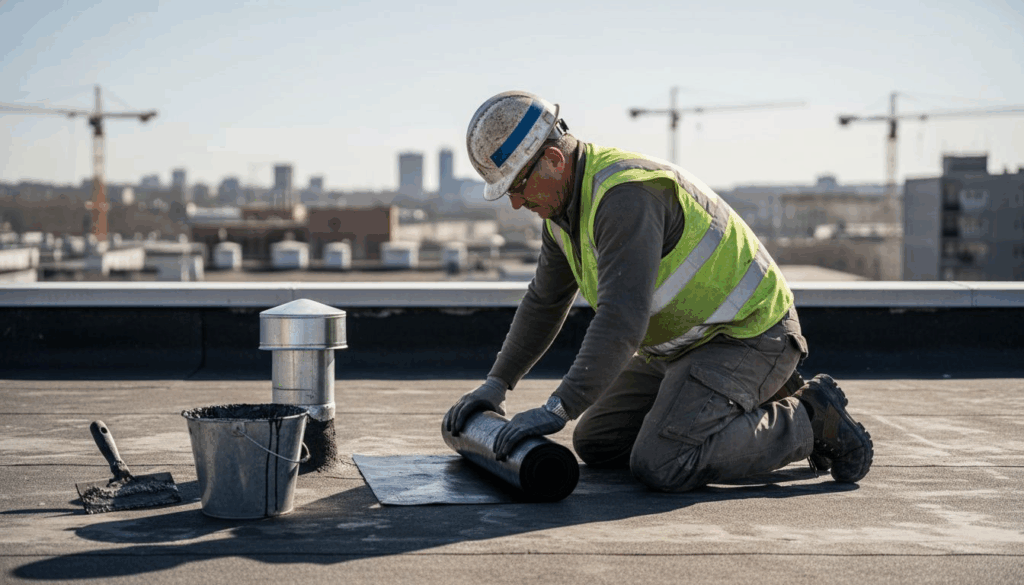
Water damage can cause endless headaches for property owners in Gauteng and Western Cape, especially when unpredictable weather takes its toll on roofs. Protecting your building with the right waterproofing system matters more than most realise because even a small leak can escalate into costly repairs. By understanding membrane roof waterproofing and the key steps that lead to a durable, leak-free result, you can make confident decisions that safeguard your investment and your peace of mind.
Table of Contents
- Membrane Roof Waterproofing Explained Clearly
- Types of Waterproofing Membranes for Roofs
- Application Process and Key Features
- Typical Costs and Risks Involved
- Comparing Alternatives and Contractor Selection
Key Takeaways
| Point | Details |
|---|---|
| Membrane Roof Waterproofing is Essential | It provides a critical barrier against moisture, extending the life of roofing systems in South Africa. |
| Surface Preparation is Crucial | Proper cleaning and inspection are vital to ensure successful membrane installation and prevent future leaks. |
| Professional Installation Recommended | Engaging certified contractors ensures quality workmanship and adherence to waterproofing standards. |
| Understand Costs and Risks | Failing to evaluate material quality and contractor expertise can lead to increased long-term expenses due to inadequate protection. |
Membrane Roof Waterproofing Explained Clearly
Membrane roof waterproofing represents a critical protective strategy for preventing water damage and extending the lifespan of residential and commercial roofing systems in South Africa. These sophisticated waterproofing solutions use specialised membrane materials designed to create an impenetrable barrier against moisture infiltration, ensuring comprehensive roof protection.
The core principle of membrane roof waterproofing involves applying a continuous, flexible layer that seals potential entry points for water. South African waterproofing standards specify precise installation techniques that guarantee optimal performance across diverse climatic conditions. These membranes typically consist of synthetic materials like Polyvinyl Chloride (PVC), Ethylene Propylene Diene Monomer (EPDM), or Thermoplastic Polyolefin (TPO).
Key characteristics of effective membrane roof waterproofing include:
- Exceptional water resistance
- High flexibility to accommodate structural movements
- Resistance to ultraviolet radiation
- Long-term durability
- Ability to withstand temperature variations
The installation process requires meticulous preparation and expert application. Professionals must thoroughly inspect the roof surface, repair any existing damage, and ensure a completely clean and smooth substrate before membrane installation. Proper surface preparation is crucial for preventing future leaks and maximising the membrane’s protective capabilities.
Pro tip: Always request detailed documentation of membrane specifications and installation warranty from your waterproofing contractor to ensure comprehensive protection.
Types of Waterproofing Membranes for Roofs
Waterproofing membranes for roofs represent sophisticated protective solutions designed to shield buildings from moisture penetration, with each type offering unique characteristics tailored to specific architectural and environmental requirements. Understanding the diverse range of waterproofing membrane solutions helps property owners select the most appropriate protection for their specific roofing needs.
The primary types of waterproofing membranes include:
- Bituminous Membranes: Traditional torch-applied or self-adhesive sheets made from modified asphalt
- Synthetic Rubber Membranes (EPDM): Highly flexible synthetic materials excellent for complex roof geometries
- PVC Membranes: Thermoplastic sheets offering superior chemical resistance and durability
- TPO Membranes: Environmentally friendly thermoplastic polyolefin membranes with excellent heat-welding properties
- Liquid-Applied Membranes: Seamless coating systems that can be sprayed or rolled directly onto roof surfaces
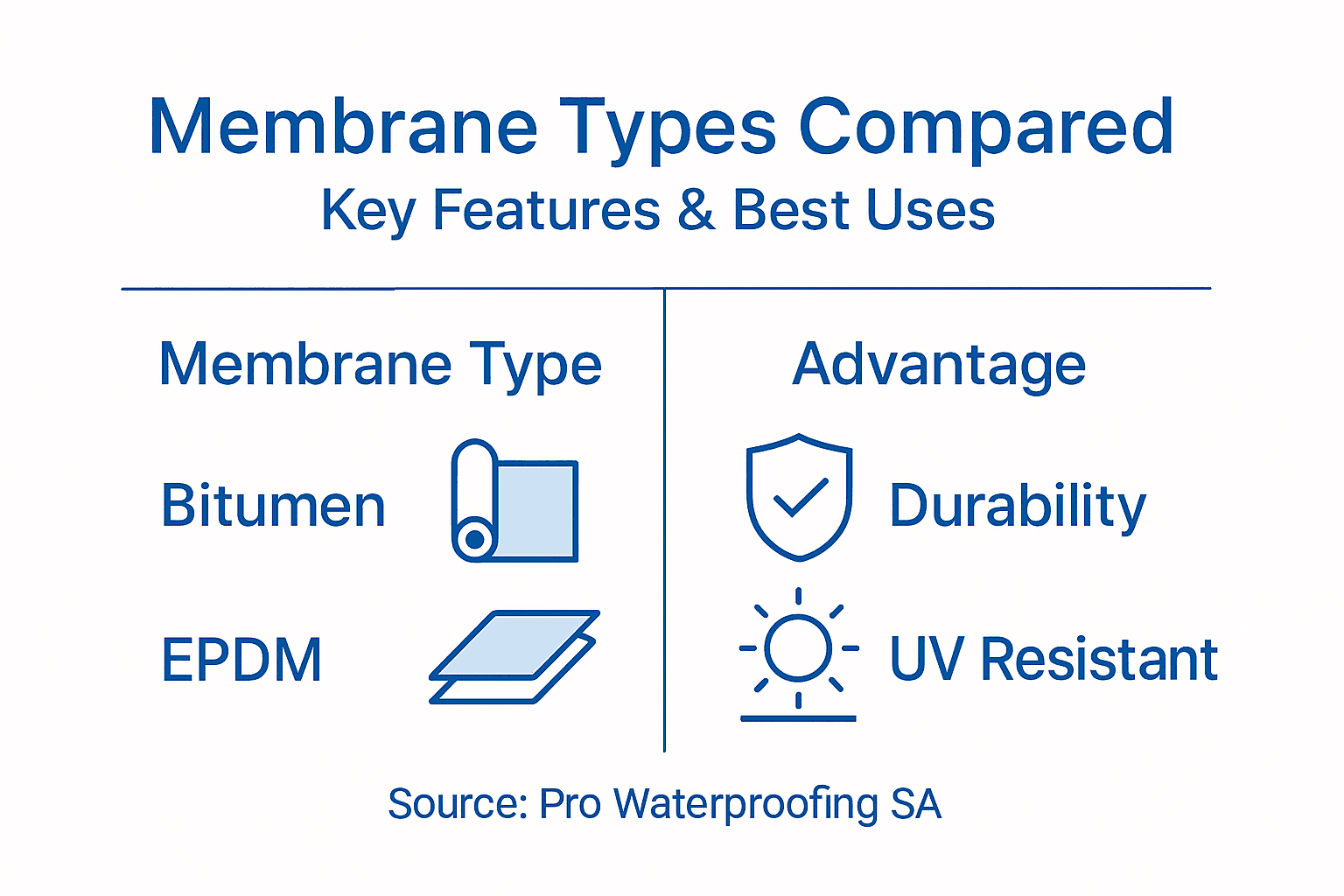
Each membrane type presents distinct advantages depending on factors such as climate conditions, roof slope, building usage, and budget constraints. Synthetic membranes like EPDM and PVC have gained significant popularity in South African construction due to their exceptional resistance to ultraviolet radiation and temperature fluctuations. These materials provide robust protection against water infiltration while maintaining structural integrity under challenging environmental conditions.
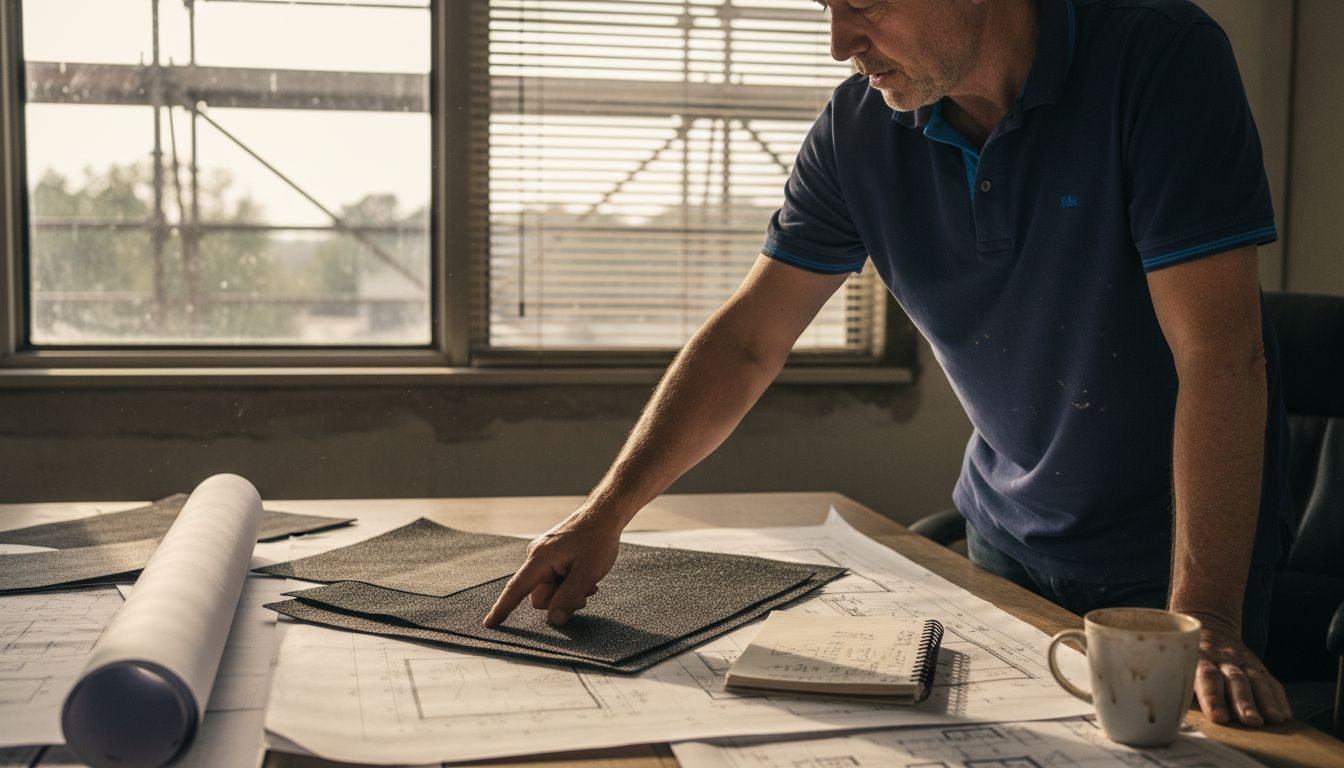
For a clearer understanding, here is a comparison of common roof waterproofing membranes by their typical use and resilience:
| Membrane Type | Typical Usage | UV Resistance | Life Expectancy |
|---|---|---|---|
| Bituminous | Flat industrial roofs | Moderate | 10-15 years |
| EPDM (Synthetic Rubber) | Complex geometries | Excellent | 25-30 years |
| PVC (Thermoplastic) | Residential & commercial | Very high | 20-25 years |
| TPO | Eco-friendly buildings | High | 15-20 years |
| Liquid-Applied | Irregular surfaces | Depends on blend | 10-20 years |
The selection process involves careful evaluation of performance characteristics, including tensile strength, elongation capacity, puncture resistance, and chemical compatibility with existing roofing substrates. Professional waterproofing specialists recommend conducting thorough site assessments to determine the most suitable membrane system for specific architectural requirements.
Pro tip: Consult a professional waterproofing contractor to perform a comprehensive roof assessment and recommend the most appropriate membrane type for your specific building environment.
Application Process and Key Features
The application of waterproofing membranes requires meticulous preparation and expert technical knowledge to ensure comprehensive protection against moisture infiltration. Liquid-applied waterproofing membranes represent a sophisticated approach that offers seamless coverage for complex roof structures.
Key application steps for membrane waterproofing include:
- Comprehensive surface preparation and cleaning
- Detailed inspection of existing roof substrate
- Repairing structural defects or surface irregularities
- Applying primer to enhance membrane adhesion
- Carefully installing the selected membrane system
- Conducting thorough quality control checks
Professional waterproofing specialists emphasise the critical importance of surface preparation, which involves removing debris, addressing structural imperfections, and creating a smooth, stable base for membrane installation. Surface Integrity plays a fundamental role in determining the long-term performance of the waterproofing system, with even minor substrate irregularities potentially compromising the membrane’s effectiveness.
The application process varies significantly depending on the specific membrane type, with techniques ranging from torch application for bituminous membranes to spray or roller techniques for liquid-applied systems. Each method requires specialised equipment and trained technicians who understand the nuanced requirements of different membrane technologies. Temperature, humidity, and environmental conditions must be carefully monitored to ensure optimal application and curing.
Pro tip: Always engage certified waterproofing professionals who can provide comprehensive documentation and warranties for their membrane installation work.
Typical Costs and Risks Involved
Understanding the financial implications and potential risks associated with membrane roof waterproofing is crucial for property owners in South Africa. Roof waterproofing cost analysis reveals a complex landscape of pricing factors that significantly impact overall project expenses.
Typical cost considerations for membrane roof waterproofing include:
- Material selection and quality
- Roof surface area and complexity
- Extent of surface preparation required
- Labour and specialist installation charges
- Membrane type and application method
- Warranty and long-term protection coverage
The financial investment for membrane waterproofing can vary substantially, typically ranging from R150 to R600 per square metre depending on specific project requirements. Comprehensive Quotation becomes critical, with property owners advised to seek detailed breakdowns that explicitly outline preparation costs, material specifications, labour charges, and warranty terms.
Significant risks in membrane roof waterproofing include potential moisture penetration, premature membrane degradation, and improper installation techniques. These risks can lead to substantial structural damage, potentially costing exponentially more than the initial waterproofing investment. Professional assessment and selection of appropriate membrane systems, coupled with certified installation by experienced technicians, remain the most effective strategies for mitigating these potential financial and structural risks.
To help property owners assess investment risks, here is an overview of key cost and risk factors:
| Factor | Impact on Cost | Risk if Overlooked |
|---|---|---|
| Membrane quality | Directly affects price | Early degradation possible |
| Labour expertise | Higher cost for specialists | Leak risk from poor install |
| Warranty coverage | May raise initial cost | High repair expense later |
| Roof complexity | Increases material/labour | Missed areas lead to leaks |
Pro tip: Request comprehensive documentation detailing material specifications, installation techniques, and full warranty terms before committing to any waterproofing project.
Comparing Alternatives and Contractor Selection
Selecting the most appropriate waterproofing solution and contractor requires careful evaluation of multiple critical factors beyond simple price comparison. Choosing waterproofing contractors demands a comprehensive approach that considers technical expertise, local experience, and professional credentials.
Critical criteria for evaluating waterproofing contractors include:
- Documented trade qualifications and certifications
- Proven track record of successful local projects
- Comprehensive insurance and liability coverage
- Detailed written proposals with transparent pricing
- Clear warranty and guarantee terms
- References from previous clients
- Technical understanding of local building conditions
Alternative waterproofing methods beyond membrane systems include traditional techniques such as Cementitious Waterproofing, Bituminous Coating, and Crystalline Waterproofing. Each alternative presents unique advantages and limitations, with membrane systems generally offering superior long-term performance and flexibility for complex roof structures. Professionals recommend conducting thorough site assessments to determine the most suitable approach for specific architectural requirements.
The selection process should prioritise contractors with demonstrable local expertise, comprehensive technical knowledge, and a proven ability to address South African environmental challenges. Property owners must move beyond surface-level comparisons and conduct in-depth evaluations of contractor capabilities, understanding that the cheapest quote does not necessarily represent the most cost-effective long-term solution.
Pro tip: Request comprehensive portfolios and conduct site visits to verify a contractor’s previous waterproofing work before making a final selection.
Secure Your Roof with Expert Membrane Waterproofing Solutions Today
Membrane roof waterproofing is vital to prevent costly water damage and ensure lasting protection against leaks. If you have identified challenges such as structural movement, UV exposure, or roof complexity from the article, you will value professional solutions that guarantee high flexibility and durability. Understanding the importance of thorough surface preparation and the right membrane choice can mean the difference between temporary fixes and long-term peace of mind.
At Pro Waterproofing, we specialise in delivering expert membrane waterproofing services tailored to South African climates and building needs. Explore our comprehensive resources and service offerings in the Uncategorized – Pro Waterproofing category for insights on the best materials and installation practices.
Don’t wait until leaks cause irreversible damage to your property. Contact our certified specialists now for a detailed roof assessment and personalised waterproofing plan. Visit Pro Waterproofing to request a quote and secure your property’s protection with proven membrane systems.
Frequently Asked Questions
What is membrane roof waterproofing?
Membrane roof waterproofing involves applying a continuous, flexible layer of specialised materials to create a barrier against moisture infiltration, protecting both residential and commercial roofing systems.
What are the benefits of using synthetic membranes like EPDM and PVC?
Synthetic membranes offer exceptional water resistance, high flexibility, and excellent resistance to ultraviolet radiation and temperature fluctuations, making them ideal for various roofing environments.
How important is surface preparation before applying a waterproofing membrane?
Surface preparation is crucial as it ensures a clean, smooth substrate for membrane installation, helping to prevent leaks and ensuring the long-term effectiveness of the waterproofing system.
What are the typical costs associated with membrane roof waterproofing?
Costs can vary based on factors such as material selection and quality, surface area, complexity of the roof, and labour charges. Generally, prices range from R150 to R600 per square metre depending on project requirements.