

Most british homeowners are surprised to learn that over half of all roof leaks go unnoticed until significant damage occurs. Recognizing the difference between common myths and the reality of roof leaks is crucial, especially with South African weather putting unique stress on properties. This guide breaks down what truly causes leaks, how misconceptions can lead to missed warning signs, and which inspection habits help protect your home from costly repairs.
Table of Contents
- Defining Roof Leaks And Common Misconceptions
- Main Causes Of Roof Leaks In South Africa
- How Materials And Roof Types Influence Leaks
- Weather Conditions And Structural Weaknesses
- Inspection Best Practices And Prevention Tips
Key Takeaways
| Point | Details |
|---|---|
| Understanding Roof Leaks | Roof leaks can develop gradually and may not always present as visible water stains, making professional inspections vital for early detection. |
| Misconceptions About Sources | Roof leaks do not always originate directly above visible stains, as water can travel significant distances before appearing. |
| Maintenance is Key | Regular inspections and maintenance of roof components, including gutters and flashings, can prevent significant water damage and structural failures. |
| Material Behaviour Matters | Different roofing materials react variably to temperature changes, highlighting the need for precise installation and regular assessments to ensure long-term viability. |
Defining Roof Leaks and Common Misconceptions
Roof leaks represent complex structural failures that frequently mystify property owners across South Africa. These moisture infiltration events are more nuanced than simply water dripping from a ceiling, involving intricate pathways through roofing materials and structural components. Understanding roof leak indicators requires comprehensive knowledge about moisture migration patterns and potential entry points.
Contrary to popular belief, roof leaks do not always manifest as immediate, dramatic water streams. Many leaks develop gradually, with moisture travelling along roof timbers before becoming visually apparent. Professional inspectors often discover that damp staining on roof trusses or subtle daylight penetrations through roofing materials can signal significant underlying issues. These subtle indicators frequently escape untrained observation, making professional assessment critical for early detection.
Some prevalent misconceptions about roof leaks include assuming they originate directly above visible water stains. In reality, water can travel considerable distances from the actual breach point, making precise leak location challenging. Ridge capping tile installation represents another critical area prone to misunderstanding. Improper ridge tile placement can create substantial vulnerabilities, particularly when tiles are incorrectly mortared or installed during extreme temperatures.
Pro Waterproofing Tip: Conduct biannual roof inspections during season transitions, carefully examining ridge lines, checking for mortar degradation, and looking for subtle signs of moisture penetration before they escalate into significant structural damage.
Pro Tip: Schedule professional roof assessments during dry seasons to identify potential weaknesses without active water interference, allowing preventative maintenance before leaks develop.
Here is a summary of common roof leak misconceptions and their real-world implications:
| Misconception | Actual Scenario | Real-World Impact |
|---|---|---|
| Leaks are close to visible stains | Water can travel far from entry point | Leak source difficult to locate |
| Only heavy rain causes leaks | Minor moisture can infiltrate gradually | Small issues often go unnoticed |
| Ridge tiles are always properly sealed | Improper mortar or installation causes hidden vulnerabilities | Common source of persistent leaks |
| Surface water means recent breach | Water may have travelled through timbers over time | Delays in identifying root cause |
Main Causes of Roof Leaks in South Africa
South African properties face numerous environmental challenges that contribute to roof deterioration and water penetration. Roof structural vulnerabilities emerge from multiple interconnected factors, ranging from installation deficiencies to ongoing maintenance neglect. Understanding these complex dynamics is crucial for homeowners seeking to protect their property investments from potentially catastrophic water damage.
The primary causes of roof leaks in South Africa typically stem from several key structural and environmental issues. Inadequate roof pitch represents a significant problem, particularly when roofing materials are mismatched with regional climate conditions. Blocked or broken guttering systems frequently create water accumulation points that compromise roof integrity, allowing moisture to penetrate critical structural interfaces. Rusted metal flashings and poor waterproofing techniques further exacerbate these vulnerabilities, creating potential entry points for water infiltration.
Comprehensive roof assessments reveal that age-related deterioration plays a substantial role in leak development. Aging roof coverings lose their protective capacities, becoming increasingly permeable to moisture. Metal components like flashings and fasteners undergo corrosion, creating microscopic breach points that gradually expand. Regional weather variations, including intense sunlight, periodic heavy rainfall, and temperature fluctuations, accelerate these degradation processes, making regular professional inspections critically important.
Critical Maintenance Categories:
- Gutter system cleaning and maintenance
- Metal flashing integrity checks
- Roof covering material assessment
- Waterproofing membrane evaluation
- Structural truss and support inspection
Pro Tip: Schedule professional roof inspections during dry seasons, allowing comprehensive assessments without active water interference and enabling preemptive maintenance strategies to prevent potential leak development.
How Materials and Roof Types Influence Leaks
Understanding thermal expansion characteristics represents a critical yet often overlooked aspect of roof leak prevention in South Africa. Different roofing materials respond uniquely to temperature fluctuations, creating complex structural challenges that can compromise waterproofing integrity. Each material expands and contracts at distinct rates, potentially creating microscopic gaps and stress points that become potential moisture entry pathways.
Metal roofing systems, polycarbonate sheeting, and bitumen-based waterproofing membranes demonstrate remarkable variation in thermal behaviour. A typical steel roof sheet might expand between 1–2 millimetres per linear metre, while polycarbonate daylight sheets can expand up to 5–8 millimetres under similar conditions. These seemingly minor dimensional changes can create significant structural stress, potentially leading to seal failures and water infiltration if not carefully engineered during initial installation.
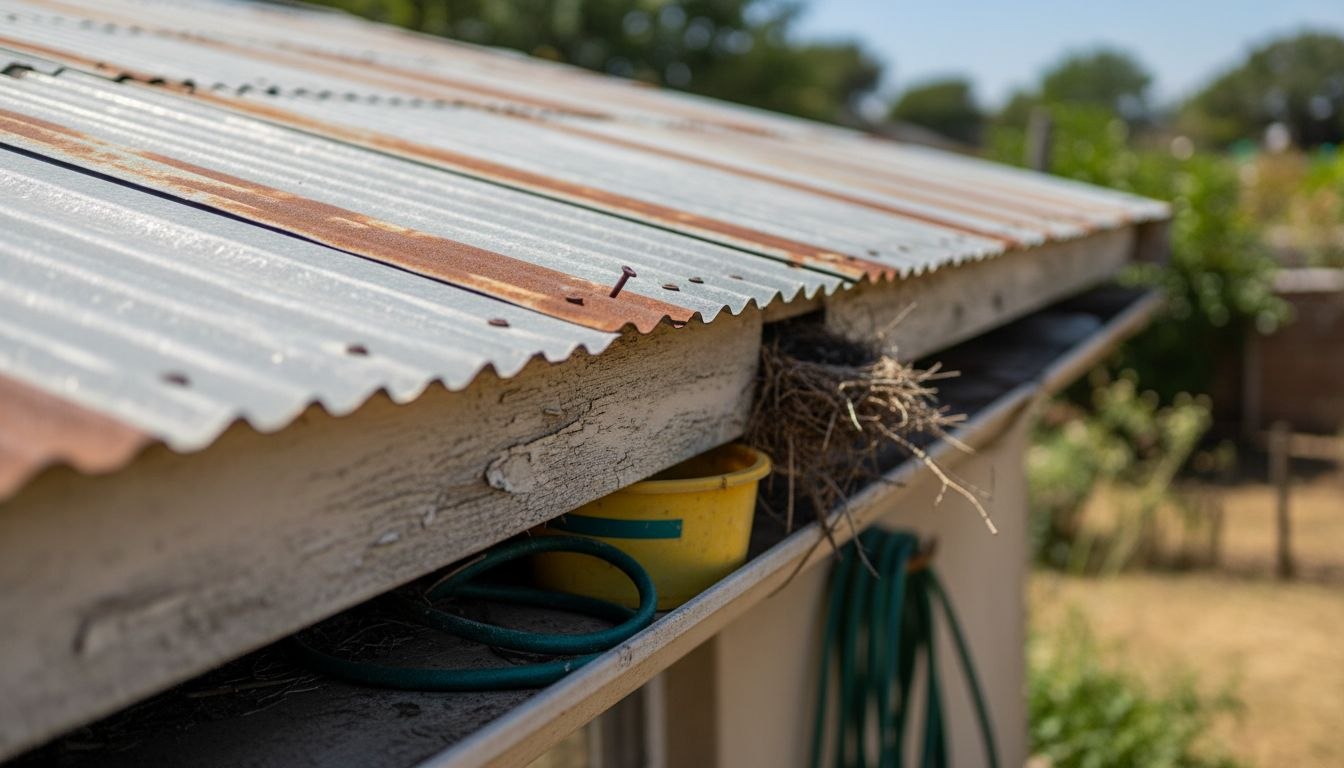
National Building Regulations provide critical guidance regarding roof pitch and material overlap specifications. Tile, slate, and thatch roofs require precise installation techniques to prevent water ingress. Inadequate pitch can transform even high-quality roofing materials into potential leak sources, emphasising the importance of professional design and implementation. The interaction between material properties, environmental conditions, and installation precision determines a roof’s long-term performance and water resistance.
Critical Material Considerations:
- Thermal expansion rates
- Material compatibility
- Installation precision
- Overlap tolerances
- Environmental stress factors
Pro Tip: Consult professional roofing specialists who understand local material behaviours and can recommend site-specific solutions that account for regional temperature variations and structural requirements.
This table compares how different roofing materials react to environmental stressors typical in South Africa:
| Material Type | Common Vulnerability | Suitability for Climate |
|---|---|---|
| Metal Sheeting | Expansion, rust at joints | Good for dry, cool climates |
| Polycarbonate | High thermal expansion, UV degradation | Suited for mild regions |
| Roof Tiles | Cracking, displacement under temperature | Effective if well installed |
| Thatch | Moisture absorption, biological growth | Best for dry, well-ventilated |
| Slate | Breaks from hail or structural movement | Excellent durability |
Weather Conditions and Structural Weaknesses
Inspecting a house’s structural integrity requires careful consideration of how regional weather patterns interact with building materials. South Africa’s diverse climate zones present unique challenges for roof structures, with environments ranging from arid landscapes to humid coastal regions creating complex stress scenarios for building materials.
Structural weaknesses become exponentially more vulnerable during extreme weather transitions. Temperature fluctuations cause materials to expand and contract, creating microscopic fissures that gradually compromise waterproofing capabilities. Coastal areas experience additional challenges from salt-laden winds and high humidity, which accelerate metal corrosion and degradation of sealing compounds. Inland regions contend with intense sunlight and dramatic temperature differentials that can cause rapid material fatigue.
Structural Vulnerability Factors:
- Thermal expansion differences
- Material degradation rates
- Wind load stress points
- Moisture absorption characteristics
- Corrosion susceptibility
Regional microclimates introduce nuanced challenges that standard construction methodologies often overlook. Granite-based mountainous regions experience different structural stresses compared to coastal zones, necessitating tailored waterproofing approaches that account for localised environmental conditions. Understanding these subtle variations becomes crucial in developing robust, long-lasting roof structures.
Pro Tip: Commission comprehensive structural assessments during seasonal transitions, allowing professional evaluation of potential vulnerabilities before they transform into significant structural compromises.
Inspection Best Practices and Prevention Tips
Regular roof inspections represent a critical strategy for maintaining structural integrity and preventing catastrophic water damage. Systematic assessment requires more than casual observation, demanding methodical examination of multiple architectural components that could potentially compromise waterproofing effectiveness.
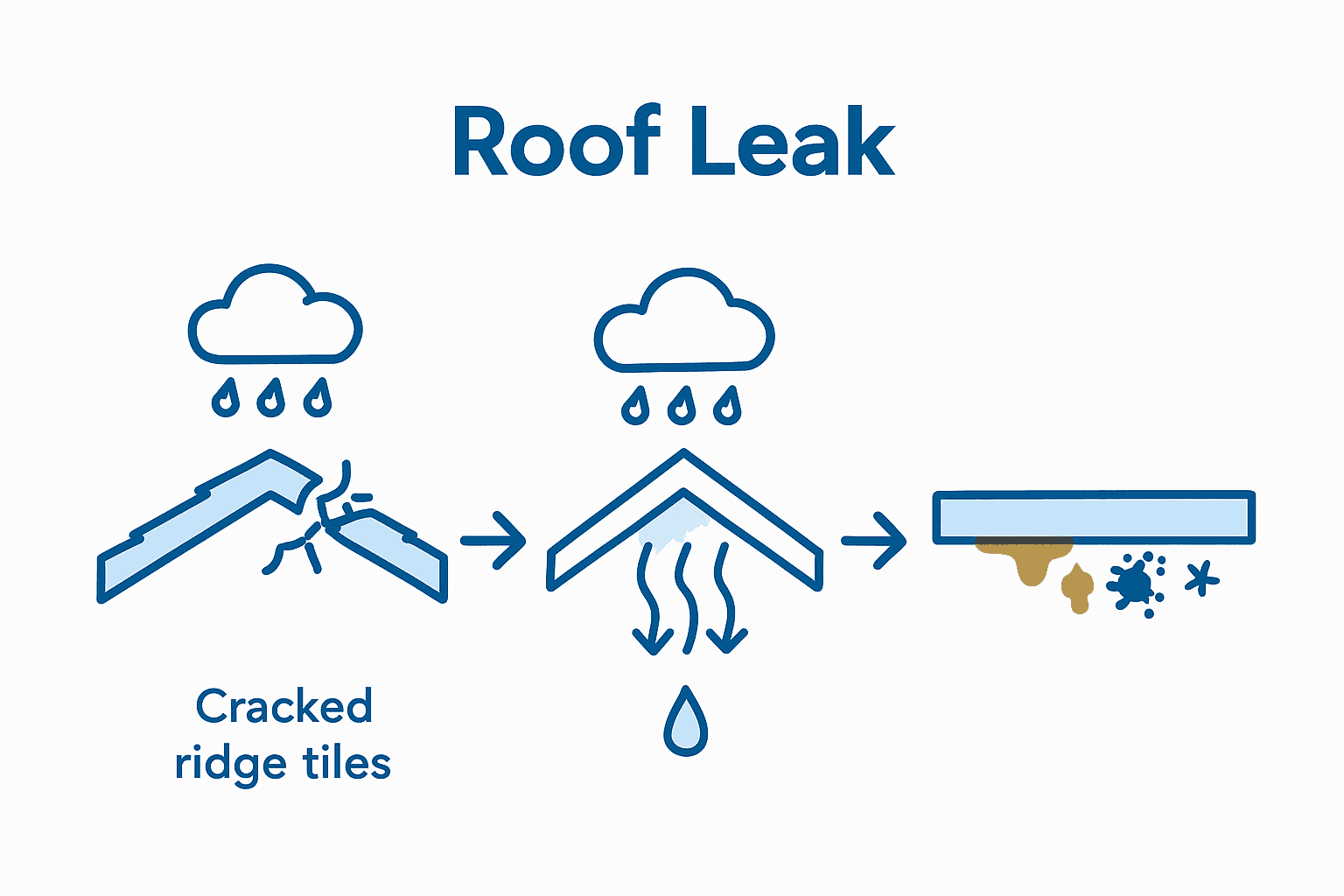
Building owners must develop a comprehensive inspection protocol targeting specific vulnerability points. Critical areas of focus include examining roof tiles for cracking or displacement, checking metal sheeting for loose fasteners, and investigating potential breach points around structural penetrations like antenna shafts and chimneys. Particular attention should be directed towards identifying early signs of material degradation, such as minor rust formations, subtle mortar cracks, or microscopic sealant separations that might indicate emerging structural weaknesses.
Key Inspection Checkpoints:
- Roof tile condition
- Metal sheeting alignment
- Fastener integrity
- Sealant and mortar quality
- Structural penetration zones
- Flashing and edge details
- Gutter system functionality
Comprehensive roof assessments transcend visual inspection, requiring nuanced understanding of material interactions and environmental stressors. Professional inspectors employ specialised diagnostic tools, including moisture metres, thermal imaging cameras, and structural stress analysis equipment to uncover hidden vulnerabilities that conventional examinations might overlook. Understanding these sophisticated evaluation techniques enables property owners to implement preemptive maintenance strategies.
Pro Tip: Schedule professional roof inspections biannually, preferably during transitional seasons, to identify and address potential structural vulnerabilities before they escalate into expensive repair scenarios.
Protect Your Home From Costly Roof Leaks With Expert Waterproofing Solutions
Roof leaks can cause unseen damage that quietly worsens over time due to factors like improper ridge tile installation, material expansion, and South Africa’s challenging climate. If you have noticed subtle stains or suspect moisture infiltration through your roof, understanding these issues is only the first step. For lasting protection and peace of mind, professional evaluation and maintenance are essential.
Don’t let hidden structural weaknesses escalate into expensive repairs. At Pro Waterproofing, we specialise in addressing the root causes of leaks with reliable waterproofing tailored to South African properties. Discover practical solutions through our expert guidance and comprehensive services. Start by exploring our Uncategorized – Pro Waterproofing articles for informed decisions and connect with trusted contractors who prioritise quality, experience, and warranties. Take control of your property’s future today by visiting https://prowaterproofing.co.za and requesting a professional roof assessment.
Frequently Asked Questions
What are the main causes of roof leaks?
The primary causes of roof leaks often include inadequate roof pitch, blocked or broken guttering systems, rusted metal flashings, poor waterproofing techniques, and age-related deterioration of roofing materials.
How can I identify early signs of a roof leak?
Look for subtle indicators such as damp stains on roof trusses, daylight peeking through roofing materials, and moisture penetration around structural penetrations like chimneys or antenna shafts. Regular inspections are essential for early detection.
Why do roof leaks sometimes appear far from the source?
Water can travel significant distances along roof timbers from the actual breach point, which complicates the process of identifying the leak’s source. This can lead to visible water stains appearing away from where the leak originated.
What are key inspection practices for preventing roof leaks?
Conduct thorough inspections focusing on roof tile condition, metal sheeting alignment, sealant quality, and functionality of the gutter system. Using diagnostic tools like moisture metres and thermal imaging cameras can help uncover hidden vulnerabilities.