
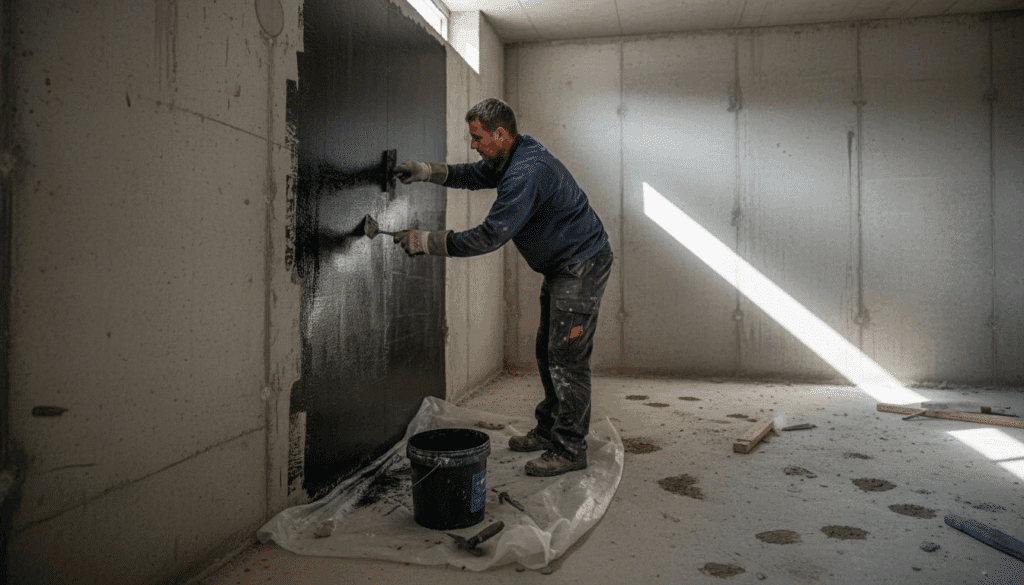
Water damage can turn a property investment into a costly headache for Gauteng homeowners and property managers. Effective waterproofing matters because local climate and soil conditions increase the risk of moisture intrusion, jeopardising both homes and commercial spaces. This guide explains Type A Waterproofing, highlighting robust barrier protection methods and key features that help keep your property safe and dry, in line with South African standards and construction requirements.
Table of Contents
- Defining Type A Waterproofing Systems
- Variations of Type A Barrier Methods
- Core Features and Application Process
- Role in South African Building Standards
- Risks, Maintenance, and Common Mistakes
Key Takeaways
| Point | Details |
|---|---|
| Type A Waterproofing Definition | Type A Waterproofing is a barrier protection method that prevents water penetration in below-ground structures, as defined by British Standards BS8102:2022. |
| Installation Approaches | There are three main installation methods: external barriers, internal barriers, and cavity barriers, each suited for specific conditions and project types. |
| Core Features | Type A systems are characterised by continuous barrier formation, material flexibility, and performance against environmental challenges, ensuring structural integrity. |
| Maintenance Importance | Regular professional inspections and preventative maintenance are crucial for identifying vulnerabilities and ensuring long-term effectiveness of waterproofing systems. |
Defining Type A Waterproofing Systems
Type A Waterproofing represents a critical barrier protection method designed to prevent water penetration in below-ground structures. Defined by British Standards BS8102:2022, this system focuses on creating an impermeable shield against moisture intrusion through strategic material application.
The core principle of barrier protection systems involves installing specialised waterproofing materials that block water movement. These protective layers can be implemented through three primary approaches:
- External barrier installation
- Internal barrier placement
- Structural embedded barriers
Each installation method requires meticulous planning and execution to ensure comprehensive water resistance. The effectiveness depends on multiple factors including:
- Material quality and integrity
- Proper surface preparation
- Structural element permeability
- Installation precision
- Long-term durability of the waterproofing membrane
Engineers and construction professionals carefully evaluate site-specific conditions to determine the most appropriate Type A waterproofing strategy. The selection process considers structural design, anticipated water pressure, and potential environmental challenges specific to the location.
Type A waterproofing systems provide a robust defence against water ingress, creating a continuous protective barrier that maintains structural integrity and prevents moisture-related damage.
Structural designers must also account for potential future maintenance requirements. Accessibility for potential repairs and the system’s adaptability to changing environmental conditions are crucial considerations during the initial design phase.
Pro tip: Always consult a professional waterproofing specialist who can conduct a comprehensive site assessment and recommend the most suitable Type A barrier protection approach for your specific structural requirements.
Variations of Type A Barrier Methods
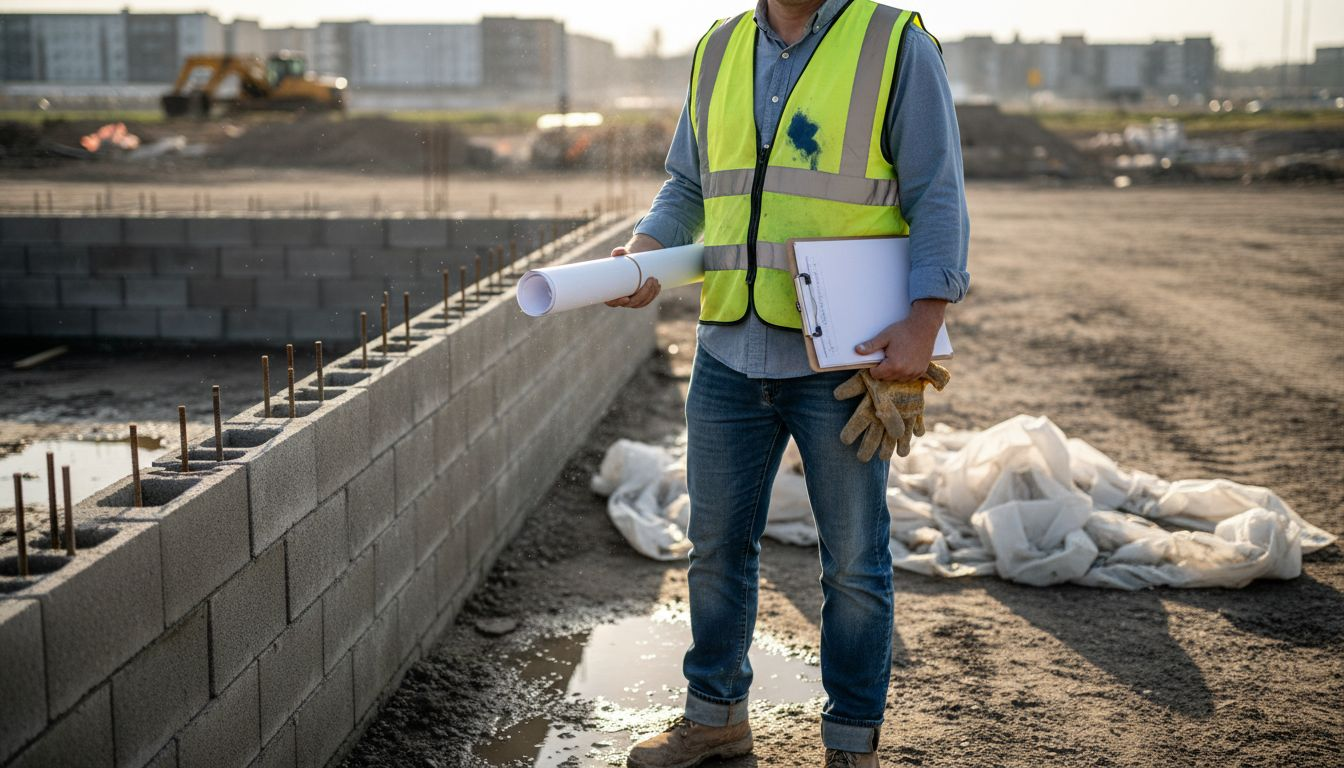
Type A Barrier Methods encompass multiple strategic approaches for waterproofing below-ground structures, each designed to address specific structural and environmental challenges. Waterproofing variations provide engineers and construction professionals flexibility in protecting buildings against moisture intrusion.
Three primary variations of Type A barrier methods exist:
-
External Barrier Systems
- Require comprehensive excavation around structure
- Provide comprehensive water protection
- Challenging to maintain long-term
- Best suited for new construction projects
-
Internal Barrier Systems
- Applied within the building’s interior
- Easier to access for potential repairs
- Must consider structural load-bearing implications
- More adaptable to existing structures
-
Cavity Barrier Systems
- Create intermediate protection zones
- Utilise specialised membrane technologies
- Offer additional moisture management capabilities
- Provide flexible defence mechanisms
The selection of a specific Type A barrier method depends on critical factors including installation timing, substrate composition, water table conditions, and structural design requirements. Professional assessment becomes crucial in determining the most appropriate approach for each unique scenario.
Here is a comparison of Type A barrier system variations and their best use scenarios:
| Barrier System Type | Ideal Project Application | Maintenance Access | Flexibility for Retrofit |
|---|---|---|---|
| External Barrier | New builds, large excavations | Limited | Rarely suitable |
| Internal Barrier | Existing structures | Simple | Highly adaptable |
| Cavity Barrier | Complex moisture risks | Moderate | Suitable in renovations |
Successful waterproofing demands a nuanced understanding of site-specific conditions and precise implementation of barrier protection strategies.
Engineers must meticulously evaluate potential water infiltration risks, structural integrity, and long-term maintenance considerations when recommending a particular Type A barrier method. The goal remains consistent: creating an impenetrable shield against moisture that preserves the structural integrity of below-ground spaces.
Pro tip: Conduct a comprehensive site survey with a professional waterproofing specialist to identify the most suitable Type A barrier method for your specific structural environment and moisture protection requirements.
Core Features and Application Process
Type A Waterproofing Systems represent sophisticated moisture protection technologies designed to create an impenetrable barrier against water infiltration. Waterproofing application methods involve multiple strategic approaches that ensure comprehensive structural protection.
The core features of Type A barrier systems include:
-
Continuous Barrier Formation
- Creates seamless water-resistant layer
- Prevents hydrostatic pressure penetration
- Maintains structural integrity
- Adapts to substrate variations
-
Material Composition
- Utilises bituminous sheets
- Incorporates liquid membrane technologies
- Applies cementitious coating systems
- Ensures flexibility and durability
-
Performance Characteristics
- Resists chemical exposure
- Maintains integrity during structural movement
- Provides long-term waterproofing protection
- Withstands UV environmental challenges
The application process requires meticulous preparation and precise execution. Professional waterproofing specialists follow a structured approach that includes comprehensive surface assessment, thorough cleaning, and strategic material selection.
Successful Type A waterproofing demands precision, expert knowledge, and systematic application techniques that address unique structural requirements.
Typical application procedures involve multiple critical steps: initial surface preparation, primer application, careful material layering, and comprehensive joint and penetration sealing. Each stage requires professional expertise to ensure maximum protection and long-term performance.
Pro tip: Prioritise professional assessment and consultation to guarantee optimal Type A waterproofing application tailored to your specific structural environment and moisture protection needs.
Role in South African Building Standards
Type A Waterproofing Systems play a critical role in ensuring structural integrity and moisture protection within South Africa’s stringent construction regulations. National waterproofing standards establish comprehensive guidelines that govern the implementation of moisture barrier technologies across residential and commercial developments.
The key regulatory considerations for Type A waterproofing include:
-
Performance Criteria
- Mandates rigorous water penetration resistance testing
- Evaluates substrate compatibility
- Assesses durability under local climatic conditions
- Ensures long-term structural protection
-
Material Specification Requirements
- Defines acceptable waterproofing membrane compositions
- Establishes minimum technical performance standards
- Regulates installation methodologies
- Promotes quality control in construction practices
-
Compliance Verification
- Requires professional certification of waterproofing systems
- Mandates documented performance evidence
- Implements periodic inspection protocols
- Ensures alignment with international best practices
The South African National Standard SANS 10021:2012 provides a comprehensive framework that addresses the unique environmental challenges faced by construction professionals in the region. These standards incorporate local climatic considerations while maintaining alignment with global engineering principles.
Effective waterproofing standards represent a critical safeguard for protecting structural investments against moisture-related deterioration.
Agrément South Africa plays a pivotal role in establishing and maintaining these performance criteria, guiding manufacturers and installers to adhere to best practices that enhance the reliability of waterproofing solutions across building projects.
Pro tip: Consult with a registered professional engineer to ensure your Type A waterproofing system meets all current South African building standards and regulatory requirements.
Risks, Maintenance, and Common Mistakes
Type A Waterproofing Systems demand careful implementation to prevent potential structural vulnerabilities. Waterproofing risks and challenges in South African construction environments require meticulous attention to detail and professional expertise.
Common risks associated with Type A waterproofing include:
-
Installation Failures
- Uncertified contractor interventions
- Inadequate surface preparation techniques
- Substandard material selection
- Inappropriate application methods
-
Material Performance Issues
- Membrane degradation under environmental stress
- Compromised adhesion to substrate
- Reduced elasticity and flexibility
- Premature coating breakdown
-
Structural Vulnerability Indicators
- Water ingress points
- Structural integrity compromise
- Hidden moisture accumulation
- Long-term damage potential
Professional waterproofing specialists emphasise the importance of comprehensive diagnostic assessments before and during installation. Understanding potential failure mechanisms allows for proactive mitigation strategies that protect building structures from moisture-related deterioration.
Preventative maintenance represents the most cost-effective approach to managing waterproofing system performance and longevity.
Maintenance protocols require periodic professional inspections, especially in regions with challenging climatic conditions. Regular assessments help identify potential weaknesses before they escalate into significant structural problems, ensuring the continued effectiveness of Type A waterproofing systems.
Below is a summary of typical risks and recommended preventative actions for Type A waterproofing systems:
| Risk Area | Common Issue | Preventative Action | Impact if Unmanaged |
|---|---|---|---|
| Installation | Poor surface treatment | Strict professional oversight | Water penetration, damage |
| Material Performance | Membrane breakdown | Quality-certified materials | Reduced lifespan, leaks |
| Maintenance | Neglected inspections | Routine scheduled checks | Hidden damage, costly repairs |
Pro tip: Schedule annual professional inspections with certified waterproofing technicians to detect and address potential membrane vulnerabilities before they develop into costly structural damages.
Secure Your Property with Expert Type A Waterproofing Solutions
Understanding the critical role of Type A waterproofing in creating an impermeable barrier against moisture underlines the importance of professional intervention. If you are facing challenges such as water penetration, membrane degradation, or uncertain barrier protection methods, it is essential to act with confidence and clarity. Pro Waterproofing offers specialised expertise tailored to South African building standards, ensuring durable and effective barrier systems for your residential or commercial structure.
Explore our comprehensive resources at Uncategorized – Pro Waterproofing to deepen your knowledge and discover how to avoid common installation pitfalls. For personalised advice and reliable waterproofing services that preserve your property’s integrity, visit Pro Waterproofing today. Take initiative now to protect your investment with proven Type A waterproofing strategies designed for lasting performance.
Frequently Asked Questions
What is Type A Waterproofing?
Type A Waterproofing is a barrier protection method designed to prevent water penetration in below-ground structures by creating an impermeable shield against moisture intrusion.
What are the different methods of Type A Waterproofing?
Type A Waterproofing can be implemented through three primary methods: external barrier installation, internal barrier placement, and structural embedded barriers, each suitable for different project types and conditions.
How can I ensure the effectiveness of a Type A Waterproofing system?
To ensure effectiveness, it is crucial to select high-quality materials, conduct thorough surface preparation, ensure precise installation, and plan for long-term maintenance.
What are the common mistakes to avoid during Type A Waterproofing installation?
Common mistakes include inadequate surface preparation, poor material selection, improper application methods, and failing to consider structural implications, all of which can lead to installation failures and increased vulnerability to water ingress.