
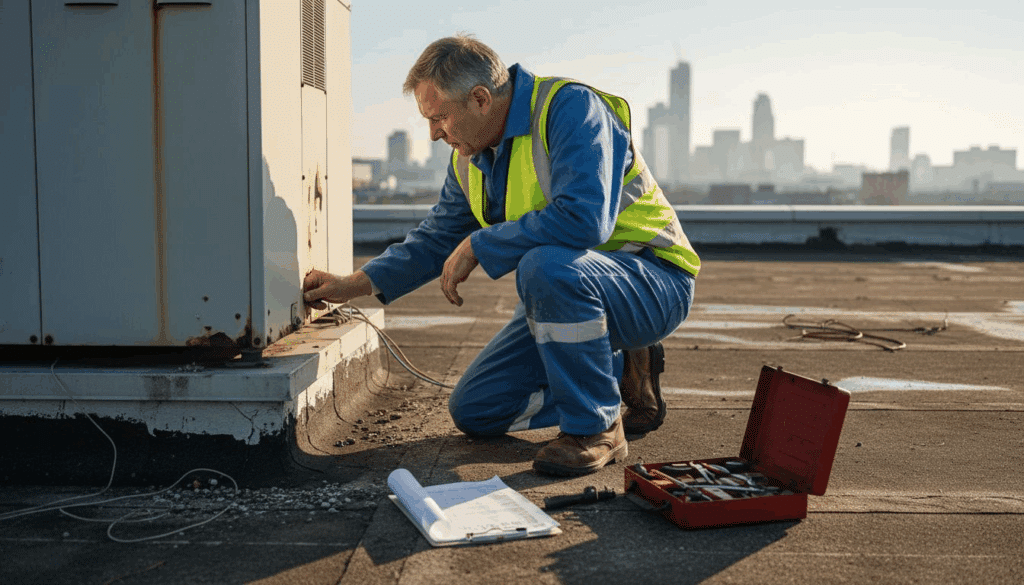
Most South African buildings experience serious moisture damage if waterproofing is neglected, with studies showing over 60 percent of Gauteng properties develop mold or structural issues within five years. For homeowners and building managers aiming to prevent expensive repairs, learning the essentials of waterproofing maintenance matters. This guide reveals the proven techniques trusted by British and South African experts, helping you safeguard property longevity and avoid the costly risks linked to moisture and mold growth.
Table of Contents
- Defining Waterproofing Maintenance Essentials
- Types of Waterproofing Systems Used Locally
- How Maintenance Preserves Building Integrity
- Common Causes of Waterproofing Deterioration
- Risks of Neglecting Regular Waterproofing Checks
- Best Practices for Ongoing Waterproofing Care
Key Takeaways
| Point | Details |
|---|---|
| Importance of Waterproofing Maintenance | Regular waterproofing maintenance is essential for protecting buildings from moisture-related damage and ensuring structural integrity. |
| Selection of Membrane Systems | Choosing the right waterproofing membrane based on local environmental conditions is crucial for effective moisture protection. |
| Risks of Neglect | Failing to conduct regular waterproofing inspections can lead to severe structural issues and higher long-term repair costs. |
| Proactive Approach | Implementing a systematic inspection and maintenance strategy can significantly extend a building’s operational lifespan and reduce financial liabilities. |
Defining Waterproofing Maintenance Essentials
Waterproofing maintenance represents a critical strategy for protecting building structures against moisture damage in South Africa’s diverse environmental conditions. The process involves systematic protection of various substrates using specialised techniques that prevent water infiltration and potential structural deterioration. National waterproofing competencies define comprehensive approaches for preserving building integrity through professional interventions.
At its core, waterproofing maintenance encompasses multiple technical elements designed to shield different architectural surfaces. These include targeted applications for balconies, underground structures, reservoirs, and external walls using advanced synthetic and heat-fused membrane systems. Professional waterproofing technicians employ strategic methods to analyse substrate conditions, identify potential moisture vulnerabilities, and implement robust protective solutions that extend structural longevity.
The fundamental objectives of waterproofing maintenance centre on preventing water penetration, mitigating structural degradation, and reducing long-term repair expenses. By implementing proactive maintenance strategies, property owners can protect their investments against moisture-related challenges such as concrete erosion, mould growth, and foundational weakening. Systematic inspections, timely repairs, and using high-quality waterproofing materials become crucial components in maintaining structural resilience.
Pro tip: Conduct comprehensive moisture assessments biannually to identify potential waterproofing vulnerabilities before they escalate into significant structural issues.
Types of Waterproofing Systems Used Locally
The South African waterproofing market offers a diverse range of membrane systems tailored to address the country’s unique environmental challenges. Waterproofing system types encompass several critical technologies designed to protect structures from moisture infiltration across various applications and climate conditions.
Key membrane systems include bituminous, PVC, EPDM, and polyurethane technologies, each with distinct performance characteristics. Bituminous membranes excel in hot, dry regions by providing robust UV protection, while PVC membranes offer exceptional flexibility for areas experiencing significant temperature variations and heavy rainfall. Polyurethane systems provide superior elasticity and crack-bridging capabilities, making them ideal for dynamic structural environments.
Local waterproofing approaches are comprehensively defined by national standards, which specify precise application techniques for different substrate types. These include heat-fused membranes for horizontal surfaces like terraces, reinforced systems for retaining walls, and synthetic products designed for specific architectural requirements. Professional installation remains crucial, with technicians carefully selecting membrane types based on substrate condition, expected environmental stress, and long-term performance requirements.
The following table summarises the main waterproofing membrane systems used in South Africa and where they are most effective:
| Membrane Type | Key Application Areas | Performance Benefit |
|---|---|---|
| Bituminous | Roofs, terraces | Strong UV resistance |
| PVC | Balconies, wet rooms | High flexibility |
| EPDM | Reservoirs, underground | Excellent chemical durability |
| Polyurethane | Dynamic walls, joints | Superior crack bridging |
Pro tip: Consult professional waterproofing specialists to conduct comprehensive substrate assessments before selecting membrane systems, ensuring optimal protection for your specific architectural context.
How Maintenance Preserves Building Integrity
Waterproofing maintenance represents a strategic approach to protecting structural investments against progressive deterioration caused by moisture infiltration. Proactive maintenance strategies enable property owners to detect and address potential vulnerabilities before they escalate into significant structural challenges.
The preservation of building integrity requires comprehensive, systematic inspection protocols that identify early signs of membrane degradation, surface cracking, and potential water ingress points. Professional maintenance involves thorough visual assessments, moisture mapping techniques, and targeted interventions that address specific structural weaknesses. These methodical approaches help prevent incremental damage that could compromise a building’s fundamental structural performance, potentially saving property owners substantial repair and reconstruction expenses.
Effective maintenance transcends reactive repairs, encompassing a holistic approach to structural protection. This involves understanding the intricate relationships between different building materials, environmental stressors, and moisture dynamics. By implementing regular monitoring, applying appropriate protective treatments, and responding quickly to emerging issues, property managers can significantly extend the operational lifespan of their buildings, maintaining both aesthetic quality and structural resilience.
Pro tip: Schedule comprehensive waterproofing inspections at least twice annually, focusing on high-risk areas like roof junctions, basement interfaces, and external wall transitions.
Common Causes of Waterproofing Deterioration
Waterproofing systems face numerous challenges that can compromise their structural integrity and protective capabilities. Technical assessments reveal complex deterioration mechanisms arising from environmental, structural, and material-related factors that progressively weaken waterproofing membranes.
Temperature fluctuations, structural movement, and environmental exposure represent primary contributors to waterproofing degradation. Different crack types emerge as critical vulnerabilities, including hairline fractures, settlement cracks, and structural deformations that progressively compromise water-tight barriers. Specific factors such as UV radiation, mechanical stress, improper initial installation, and material aging accelerate membrane breakdown, creating pathways for moisture infiltration that can cause extensive structural damage.
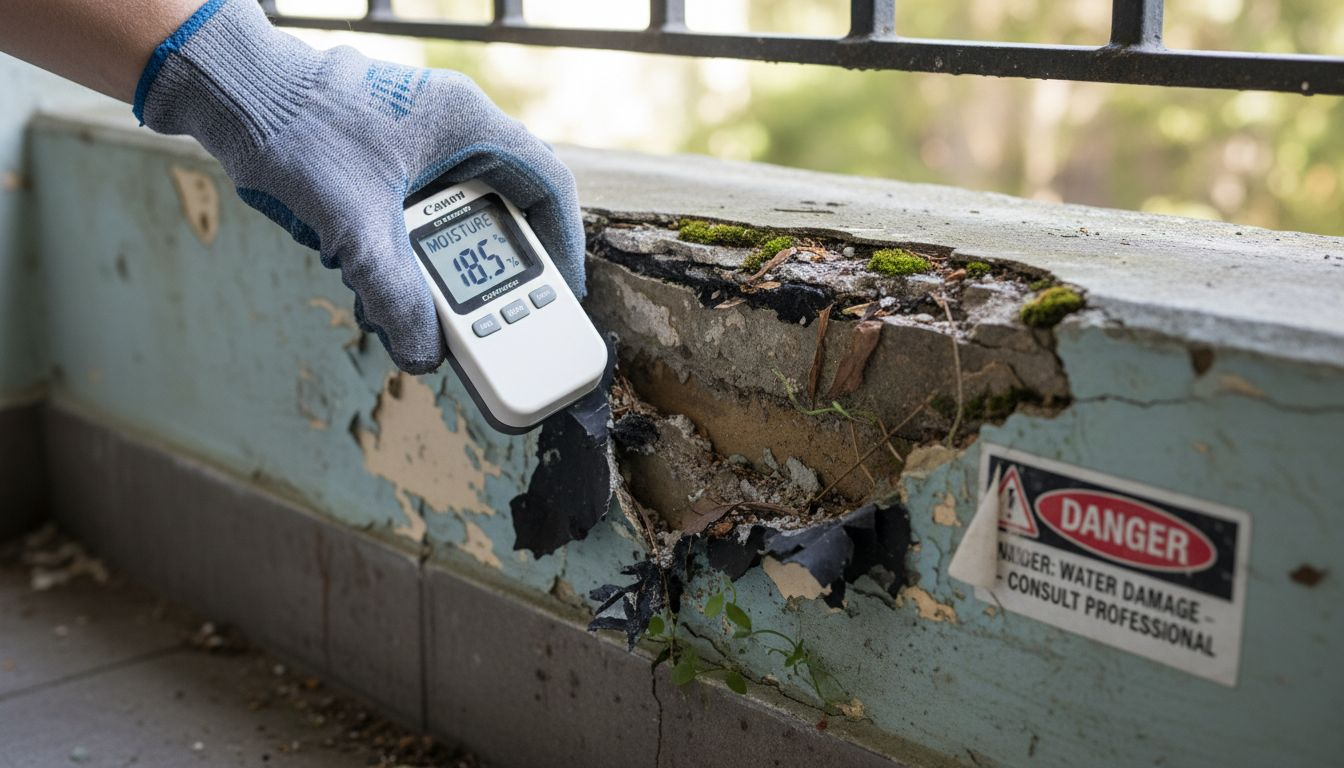
Professional evaluations highlight multiple root causes of waterproofing failure, ranging from poor construction quality to inherent material limitations. Chemical breakdown, mechanical stress, inadequate substrate preparation, and insufficient maintenance compound these challenges. Critical inspection points include roof penetrations, joint interfaces, and areas experiencing significant thermal expansion, where microscopic vulnerabilities can develop into substantial structural risks if left unaddressed.
Pro tip: Conduct professional moisture mapping and thermal imaging inspections annually to identify potential waterproofing vulnerabilities before they become critical structural issues.
Risks of Neglecting Regular Waterproofing Checks
Neglecting waterproofing maintenance can transform minor issues into catastrophic structural failures that compromise property integrity and financial investment. Hidden water damage escalates quickly, creating extensive repair challenges that significantly exceed the cost of routine preventative inspections.
The consequences of overlooking waterproofing maintenance extend far beyond superficial damage. Moisture infiltration triggers progressive structural deterioration, weakening foundational elements, corroding reinforcing materials, and creating environments conducive to mould proliferation. These hidden damages can compromise building structural integrity, potentially rendering entire sections unstable and requiring comprehensive reconstruction, which represents exponentially higher financial burdens compared to regular maintenance interventions.
Potential risks associated with waterproofing negligence encompass multiple critical domains. Structural weakening occurs as water penetrates concrete and steel components, initiating corrosion processes. Health hazards emerge through mould and fungal growth, which can trigger respiratory complications for occupants. Economic impacts include decreased property value, increased insurance premiums, and substantial emergency repair expenses that can far surpass modest preventative maintenance investments.
This table highlights the business impact of regular waterproofing maintenance compared to neglecting it:
| Maintenance Approach | Business Outcome | Long-term Structural Effect |
|---|---|---|
| Proactive routine inspection | Lower repair costs | Extended building lifespan |
| Neglected/absent checks | High emergency expenses | Accelerated structural damage |
Pro tip: Invest in professional moisture mapping and thermal imaging inspections every six months to identify and address potential waterproofing vulnerabilities before they transform into costly structural problems.
Best Practices for Ongoing Waterproofing Care
Implementing comprehensive waterproofing maintenance requires a strategic approach that combines professional knowledge, systematic inspection, and proactive intervention. Best practices align with national building standards, emphasising a multifaceted approach to preserving structural integrity and preventing moisture-related damage.
Effective waterproofing care involves establishing a rigorous maintenance framework that encompasses multiple critical elements. This includes conducting scheduled visual inspections, performing comprehensive annual professional evaluations, and implementing immediate post-storm assessments. Technicians must carefully document existing conditions, track potential vulnerabilities, and develop targeted repair strategies that address specific substrate challenges and environmental stressors unique to different architectural contexts.
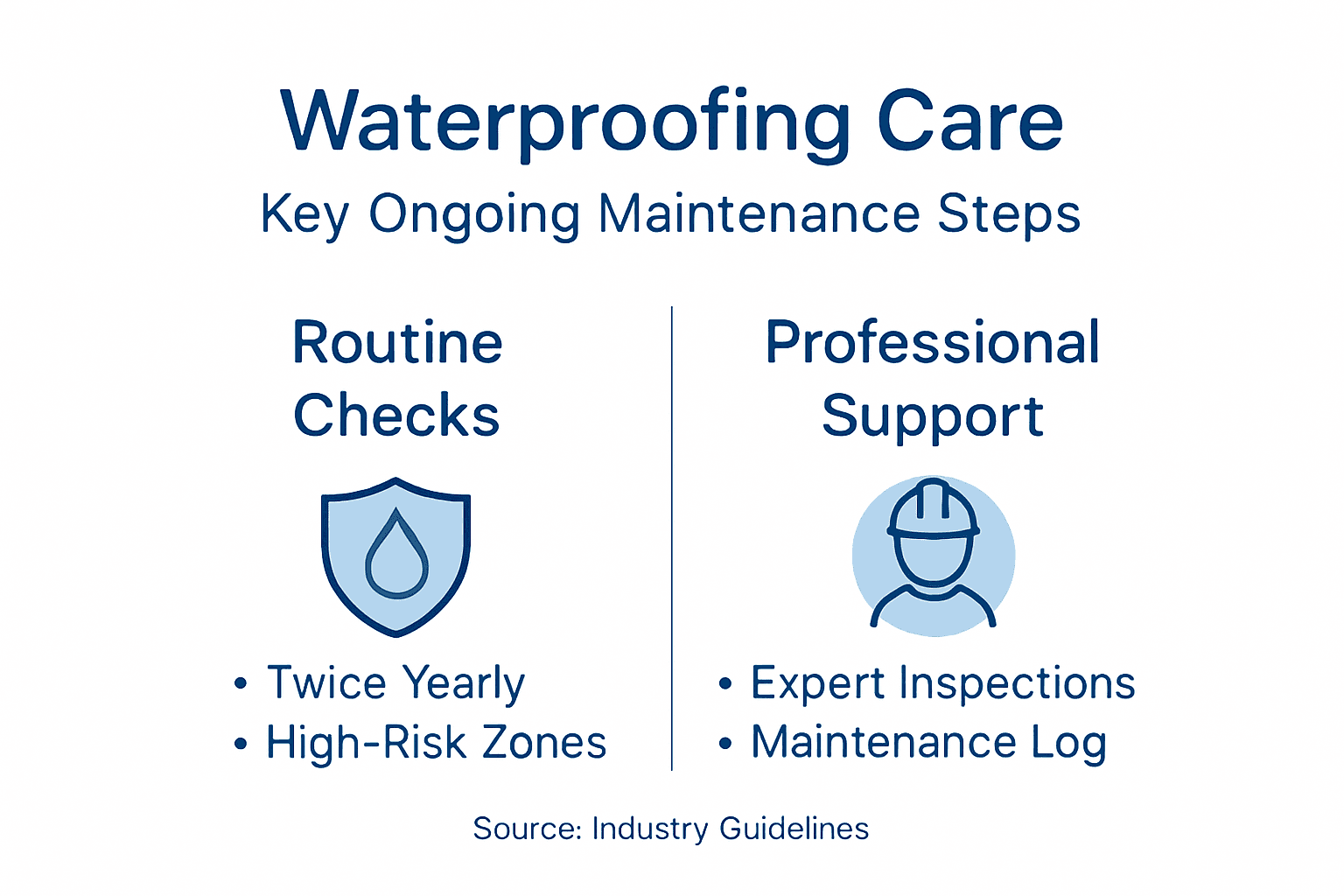
Professional maintenance goes beyond routine checks, requiring continuous staff training, collaboration between contractors and manufacturers, and adherence to ethical quality assessment protocols. Critical practices include understanding substrate-specific requirements, selecting appropriate repair techniques, and maintaining detailed documentation of all interventions. Successful waterproofing maintenance demands a holistic approach that integrates technical expertise, preventative strategies, and responsive problem-solving techniques tailored to South African environmental conditions.
Pro tip: Create a comprehensive waterproofing maintenance logbook documenting each inspection, identifying potential vulnerabilities, and tracking repair interventions to establish a systematic approach to long-term structural protection.
Protect Your Building Investment with Expert Waterproofing Solutions
Waterproofing maintenance is essential to safeguarding your property from costly moisture damage and structural deterioration. If you recognise the risks of neglecting regular waterproofing inspections or struggle with identifying the right membrane systems and maintenance strategies, Pro Waterproofing offers professional guidance and services tailored to South African conditions. Our experts help you address key challenges such as substrate vulnerabilities, crack prevention, and moisture infiltration before these issues escalate.
Take control of your building’s long-term integrity today by exploring our informative resources in the Uncategorized – Pro Waterproofing section. Connect with trusted waterproofing specialists and benefit from expert advice backed by quality, experience, and warranties. Visit Pro Waterproofing now to request a professional assessment and secure your investment with reliable waterproofing solutions tailored just for you.
Frequently Asked Questions
What is waterproofing maintenance?
Waterproofing maintenance is a systematic approach to protecting building structures from moisture damage by preventing water infiltration through various treatment methods and materials.
How often should I conduct waterproofing inspections?
It is recommended to schedule comprehensive waterproofing inspections at least twice a year to identify potential vulnerabilities and address them before they escalate into significant structural issues.
What are the main types of waterproofing membranes?
The key types of waterproofing membranes include bituminous, PVC, EPDM, and polyurethane systems, each tailored for specific applications and environmental conditions.
What are the risks of neglecting waterproofing maintenance?
Neglecting waterproofing maintenance can lead to significant structural deterioration, increased repair costs, mould growth, and potential health hazards for building occupants.