

More than 60 percent of property owners in British and global markets face costly building issues from undetected waterproofing failures each year. When water breaches a supposedly protected structure, it is rarely an instant problem but often a slow, silent threat that erodes foundations and fuels future expense. Understanding the science and warning signs behind these breakdowns can help homeowners and professionals alike strengthen their buildings, avoid health hazards, and safeguard investments for the long term.
Table of Contents
- Defining Waterproofing Failures and Core Concepts
- Common Types of Waterproofing Failures in South Africa
- Major Causes Behind Waterproofing Breakdowns
- Key Warning Signs and Early Detection Methods
- Consequences and Long-Term Risks for Properties
- Best Practices to Prevent Waterproofing Failures
Key Takeaways
| Point | Details |
|---|---|
| Understanding Waterproofing Failures | Waterproofing failures can result from multiple causes, such as improper techniques and material incompatibility, often leading to progressive deterioration rather than sudden incidents. |
| Early Detection is Critical | Vigilance in spotting early signs of moisture intrusion, such as visual and tactile indicators, is essential to prevent severe structural damage. |
| Methodical Prevention Strategies | Employing comprehensive site assessments and rigorous application protocols are fundamental in preventing waterproofing failures. |
| Long-term Investment in Maintenance | Continuous monitoring and adaptive maintenance of waterproofing systems are vital to ensure structural resilience and protect property value over time. |
Defining Waterproofing Failures and Core Concepts
Waterproofing is a sophisticated technical discipline that involves preventing moisture penetration and protecting structural integrity. prowaterproofing.co.za emphasises that professionals approach water damage prevention through an intricate understanding of moisture dynamics, material science, and structural engineering principles.
A waterproofing failure represents any breakdown in a building’s moisture protection system that allows unwanted water infiltration. These failures can manifest through multiple mechanisms, including material degradation, improper application techniques, structural compromise, or environmental stress. Critical failure points often involve:
- Membrane discontinuities
- Seal integrity breaches
- Substrate preparation issues
- Inappropriate material selection
Understanding waterproofing failures requires recognising that water intrusion is rarely a sudden event but typically a progressive deterioration process. Microscopic cracks, material fatigue, thermal expansion, and chemical interactions gradually compromise protective barriers. Understanding How to Identify Waterproofing Failures highlights that early detection and systematic maintenance are paramount in preventing extensive structural damage.
Professional waterproofing strategies demand comprehensive assessment of environmental conditions, substrate characteristics, and potential stress factors. Building owners must approach moisture protection as a dynamic, ongoing process requiring periodic evaluation, proactive maintenance, and adaptive solutions tailored to specific structural contexts.
Common Types of Waterproofing Failures in South Africa
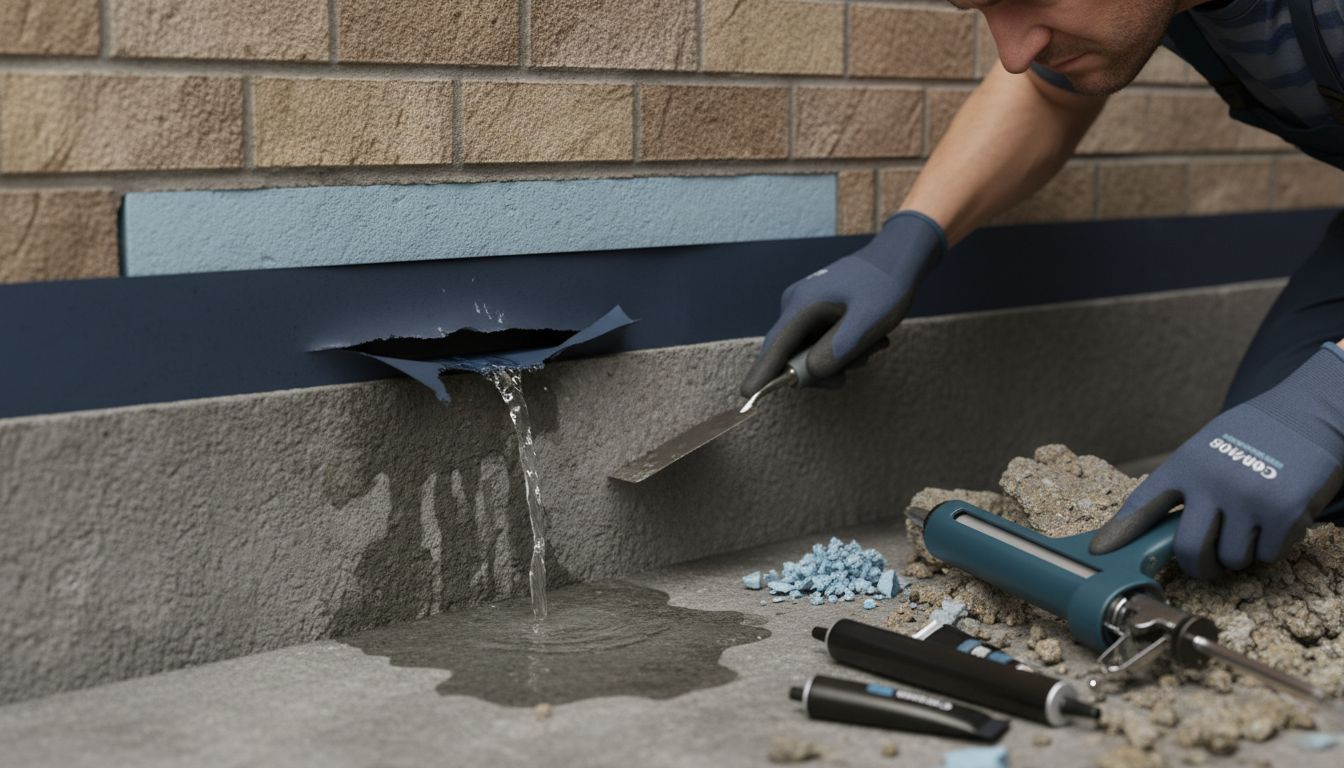
Waterproofing failures in South African construction environments present complex challenges that compromise structural integrity and building longevity. buildinganddecor.co.za highlights that common application issues significantly contribute to systemic waterproofing breakdown, particularly when membranes are applied under inappropriate substrate conditions.
The primary waterproofing failure types encountered in South African contexts include:
- Substrate Contamination Failures: Waterproofing materials applied on dirty, unstable, or chemically compromised surfaces
- Moisture Content Failures: Application on surfaces with excessive moisture retention
- Adhesion Breakdown: Delamination caused by improper surface preparation
- Material Incompatibility: Using waterproofing solutions mismatched to specific environmental conditions
- Installation Technique Failures: Incorrect application methods that compromise protective barriers
buildinganddecor.co.za definitively states that “the lack of, or poorly installed, waterproofing is the single biggest contributor to problems and premature failing in building structures”. This underscores the critical importance of professional, meticulous waterproofing techniques tailored to South Africa’s diverse climatic regions.
Regional variations in temperature, humidity, and geological conditions further complicate waterproofing strategies.
 Complete Guide to Waterproofing Materials in South Africa emphasises that successful moisture protection demands nuanced understanding of local environmental stressors, substrate characteristics, and material performance under specific South African conditions.
Major Causes Behind Waterproofing Breakdowns
Waterproofing failures stem from a complex interplay of technical, environmental, and human factors that systematically compromise moisture protection systems. buildinganddecor.co.za reveals that construction dynamics play a critical role, particularly through premature trafficking that damages delicate waterproofing membranes before protective layers are installed.
The primary root causes of waterproofing breakdowns can be categorised into several interconnected domains:
- Mechanical Damage: Physical compromise of protective membranes
- Chemical Degradation: Material breakdown from environmental interactions
- Structural Movement: Foundation shifts and settlement
- Application Errors: Improper installation techniques
- Material Incompatibility: Mismatched waterproofing solutions
Remedial Waterproofing: Complete Guide for Property Owners emphasises that early intervention becomes crucial when initial waterproofing systems show signs of potential failure. Construction teams must implement rigorous protection protocols, including restricting access to freshly treated surfaces and establishing clear demarcation zones to prevent inadvertent membrane damage.
Environmental stressors compound waterproofing challenges, with temperature fluctuations, humidity variations, and geological movements creating persistent stress on protective systems. Sophisticated waterproofing strategies must anticipate these dynamic conditions, incorporating flexible materials and adaptive design principles that can withstand complex structural interactions and environmental pressures.
Key Warning Signs and Early Detection Methods
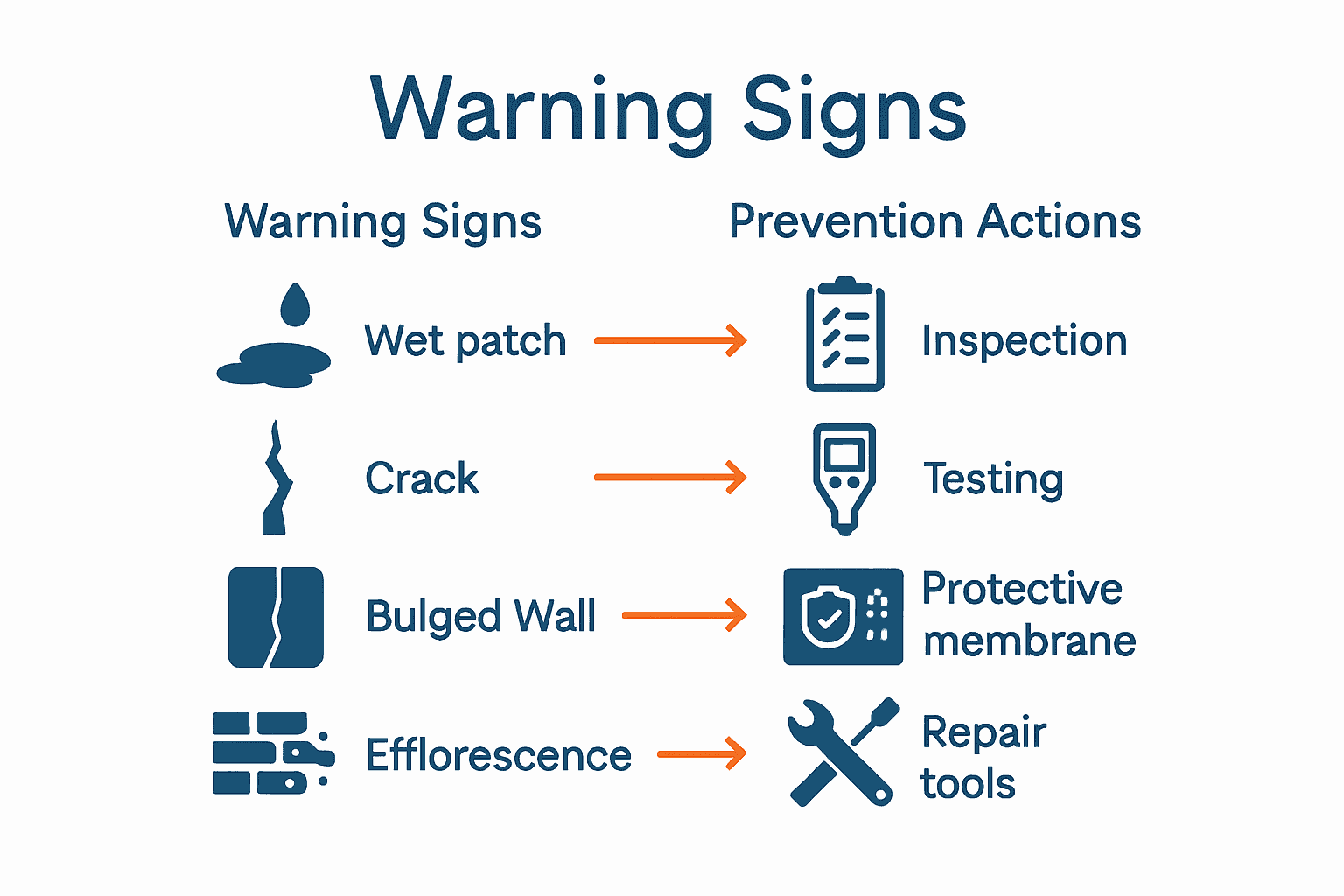
Waterproofing failures often begin with subtle, easily overlooked indicators that progressively signal more significant structural compromises. buildinganddecor.co.za highlights that structural shifts represent a critical early warning mechanism, potentially manifesting through foundational or wall cracks that undermine the entire moisture protection system.
Key warning signs property owners should vigilantly monitor include:
-
Visual Indicators:
- Unexplained moisture patches
- Discolouration on walls and ceilings
- Hairline or expanding structural cracks
- Efflorescence (white, powdery mineral deposits)
-
Tactile Indicators:
- Soft or bulging wall surfaces
- Persistent dampness
- Peeling paint or wallpaper
- Musty odours suggesting hidden moisture
Understanding the Waterproofing Application Process emphasises that early detection requires systematic, professional assessment. Sophisticated moisture mapping technologies and thermal imaging can reveal hidden water intrusion pathways before visible damage emerges, enabling preemptive intervention.
Proactive detection strategies demand a comprehensive approach combining regular visual inspections, moisture metre measurements, and professional diagnostic techniques. Building owners must treat these warning signs as critical communication channels, signalling potential systemic vulnerabilities that could compromise structural integrity if left unaddressed.
Consequences and Long-Term Risks for Properties
Waterproofing failures represent far more than superficial damage, presenting profound structural and financial risks that can dramatically depreciate property value and compromise inhabitant safety. buildinganddecor.co.za emphasises that insufficient drainage creates catastrophic scenarios where hydrostatic pressure systematically erodes protective barriers, initiating a cascade of progressive structural deterioration.
The comprehensive consequences of prolonged waterproofing failures manifest through multiple devastating channels:
-
Structural Integrity Compromise:
- Foundation weakening
- Concrete and steel reinforcement corrosion
- Potential structural collapse risk
- Compromised load-bearing capacities
-
Health and Environmental Risks:
- Mould and fungal proliferation
- Indoor air quality degradation
- Allergen and respiratory threat generation
- Potential toxic microbial ecosystem development
5 Common Exterior Basement Waterproofing Techniques underscores that comprehensive risk mitigation demands proactive, strategic intervention before microscopic damage escalates into irreversible structural failure. Economic analyses suggest that every rand invested in preventative waterproofing potentially saves exponentially more in future repair and restoration expenses.
Beyond immediate physical damage, unaddressed waterproofing failures can trigger cascading financial consequences, including reduced property market valuation, increased insurance premiums, and potential legal liabilities. Property owners must view waterproofing not as an optional maintenance task, but as a critical investment in long-term structural resilience and asset preservation.
Best Practices to Prevent Waterproofing Failures
Preventing waterproofing failures requires a holistic, proactive approach that integrates strategic design, quality materials, and meticulous implementation. buildinganddecor.co.za emphasises that well-designed drainage systems represent the foundational cornerstone of effective moisture protection, engineered to systematically collect and divert water away from vulnerable structural zones.
Key preventative strategies encompass multiple critical intervention points:
-
Preliminary Site Assessment:
- Comprehensive geological evaluation
- Detailed moisture mapping
- Ground water table analysis
- Substrate condition investigation
-
Technical Implementation Protocols:
- Professional surface preparation
- High-quality membrane selection
- Precise application techniques
- Multi-layer protection strategies
What Are the Best Practices for Exterior Waterproofing? A Comprehensive Guide highlights that successful waterproofing transcends simple product application, demanding nuanced understanding of environmental interactions and structural dynamics.
Continual monitoring and adaptive maintenance represent the final critical dimension of waterproofing prevention. Property owners must view waterproofing as a dynamic, evolving protection strategy that requires periodic professional assessment, technological upgrades, and responsive interventions tailored to changing environmental and structural conditions.
Protect Your Property with Expert Waterproofing Solutions
Waterproofing failures can lead to costly damage, structural risks, and ongoing maintenance headaches. This article highlights how issues like membrane breaches, material incompatibility, and poor installation create serious challenges for South African properties. If you recognise any signs such as damp patches, peeling surfaces, or cracks it is vital to act swiftly to avoid escalating damage and high repair costs. At Pro Waterproofing, we understand that preventing waterproofing failure starts with professional assessment and expert application tailored to your building’s unique needs.
Explore proven prevention strategies and the latest waterproofing techniques by visiting our Uncategorized – Pro Waterproofing page. Don’t wait for subtle warning signs to become serious problems. Visit Pro Waterproofing now to connect with trusted specialists who provide quality workmanship, licensed services, and reliable warranties. Take the first step to secure your property today and ensure long term peace of mind.
Frequently Asked Questions
What are the common causes of waterproofing failures?
Waterproofing failures can arise from several factors, including mechanical damage, chemical degradation, structural movement, application errors, and material incompatibility. Early detection and addressing these issues are crucial to maintain effective moisture protection.
How can I identify warning signs of waterproofing failure?
Key warning signs include visual indicators like unexplained moisture patches, discolouration on walls and ceilings, hairline or expanding cracks, and efflorescence. Tactile indicators may involve soft or bulging surfaces, persistent dampness, peeling paint, and musty odours.
What are effective strategies to prevent waterproofing failures?
To prevent waterproofing failures, it is vital to conduct a preliminary site assessment, use quality materials, and follow technical implementation protocols. Additionally, regular monitoring and maintenance should be employed to adapt over time to changing environmental conditions.
What are the consequences of neglected waterproofing issues?
Neglecting waterproofing issues can lead to severe structural compromise, including foundation weakening, corrosion of concrete and steel, health risks such as mould growth, and significant financial costs related to repairs and reduced property value.