
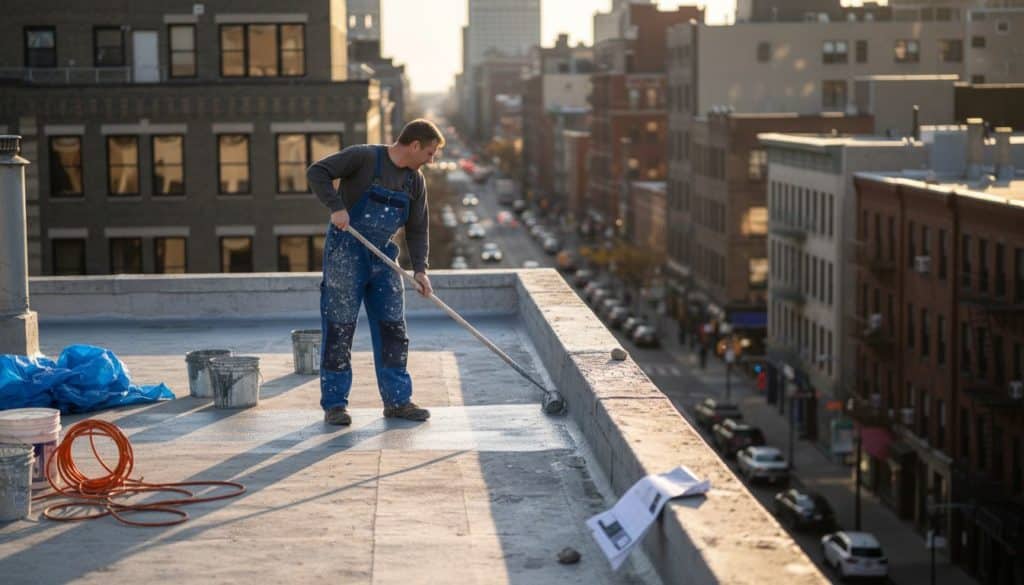
Most british property owners know that water intrusion is one of the leading causes of long-term building damage, especially in climates like South Africa. Flexible protection is crucial when persistent rain, humidity, and temperature shifts threaten structures every year. Liquid waterproofing stands out with its ability to stretch up to 280 percent and form seamless, watertight barriers. Discover how this advanced method helps safeguard South African properties against costly moisture problems.
Table of Contents
- Liquid Waterproofing Explained for South Africa
- Types of Liquid Waterproofing Systems
- How Liquid Waterproofing Is Applied
- Where Liquid Waterproofing Works Best
- Common Pitfalls and Cost Considerations
Key Takeaways
| Point | Details |
|---|---|
| Flexible Protection | Liquid waterproofing provides seamless, flexible barriers that expand and contract with structural movements, preventing cracks. |
| Application Versatility | The application process includes a primer and two top coats, suitable for various techniques and surface types. |
| Environmental Suitability | Ideal for areas with high humidity or significant rainfall, liquid membranes ensure comprehensive moisture protection. |
| Professional Assessment Needed | Selecting the right liquid waterproofing system requires expert evaluation to match specific environmental and structural conditions. |
Liquid Waterproofing Explained for South Africa
Liquid waterproofing represents an advanced protective technique designed to safeguard buildings against moisture intrusion. This innovative method involves applying specialised liquid membranes that transform into flexible, seamless barriers when cured. Waterproofing systems in South Africa have evolved significantly, with liquid solutions offering remarkable flexibility and comprehensive coverage.
The process typically involves multiple layers, starting with a critical primer coat followed by two robust top coats. These can be applied through various techniques including spraying, rolling, or trowelling, providing versatility for different surface types. According to specialised research, liquid waterproofing membranes can achieve elongation properties up to 280%, making them substantially more adaptable than traditional cementitious systems. This exceptional elasticity allows the coating to expand and contract with structural movements, preventing potential crack formations.
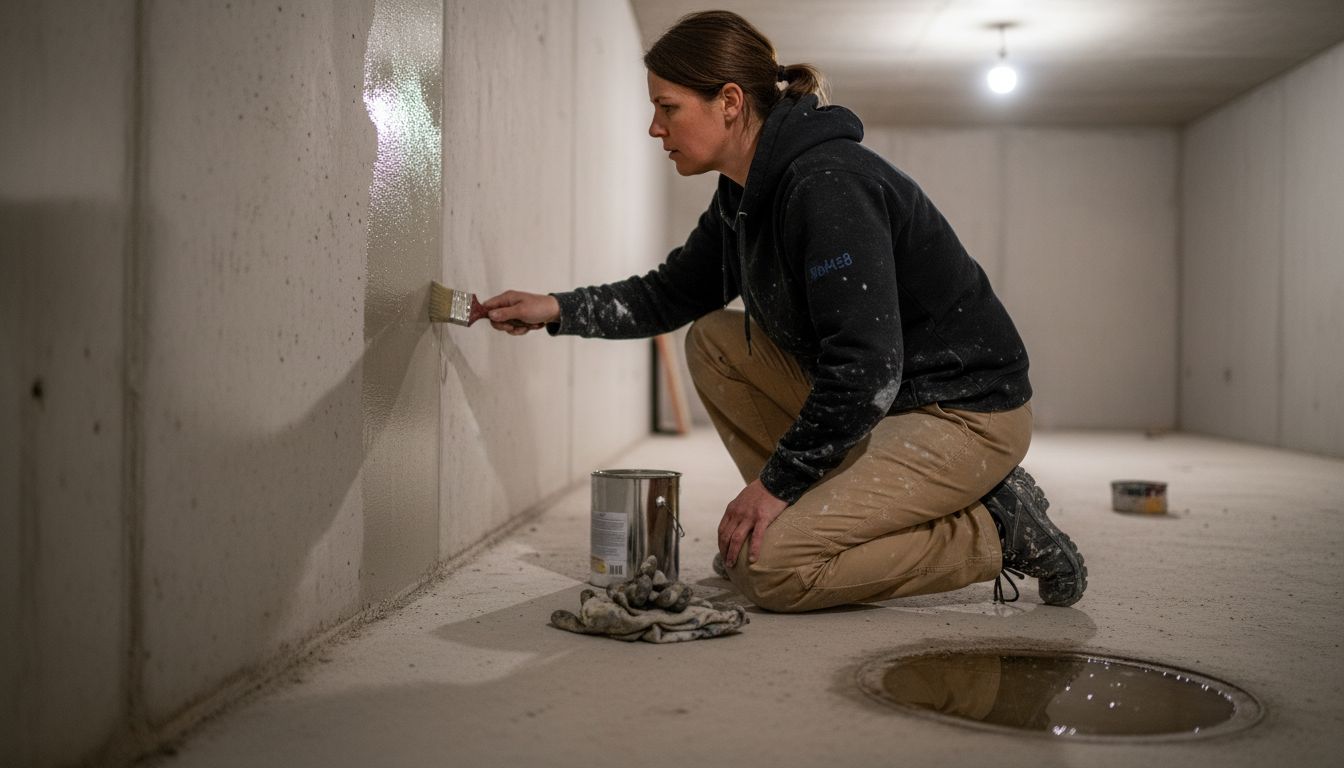
Key advantages of liquid waterproofing include its seamless application, superior crack-bridging capabilities, and rapid installation process. The rubbery coating creates an impenetrable shield against water penetration, protecting critical structural elements from moisture damage. Property owners across South Africa can benefit from this technology, particularly in regions experiencing significant rainfall or high humidity levels. Whether applied to roofs, foundations, balconies, or external walls, liquid waterproofing offers a comprehensive solution for maintaining building integrity and preventing long-term structural deterioration.
Types of Liquid Waterproofing Systems
Liquid waterproofing encompasses several distinct systems, each designed to address specific building protection requirements. Waterproofing membrane types vary significantly in composition and application, offering property owners tailored solutions for diverse structural challenges. These systems fundamentally differ in their chemical formulations, application methods, and performance characteristics.
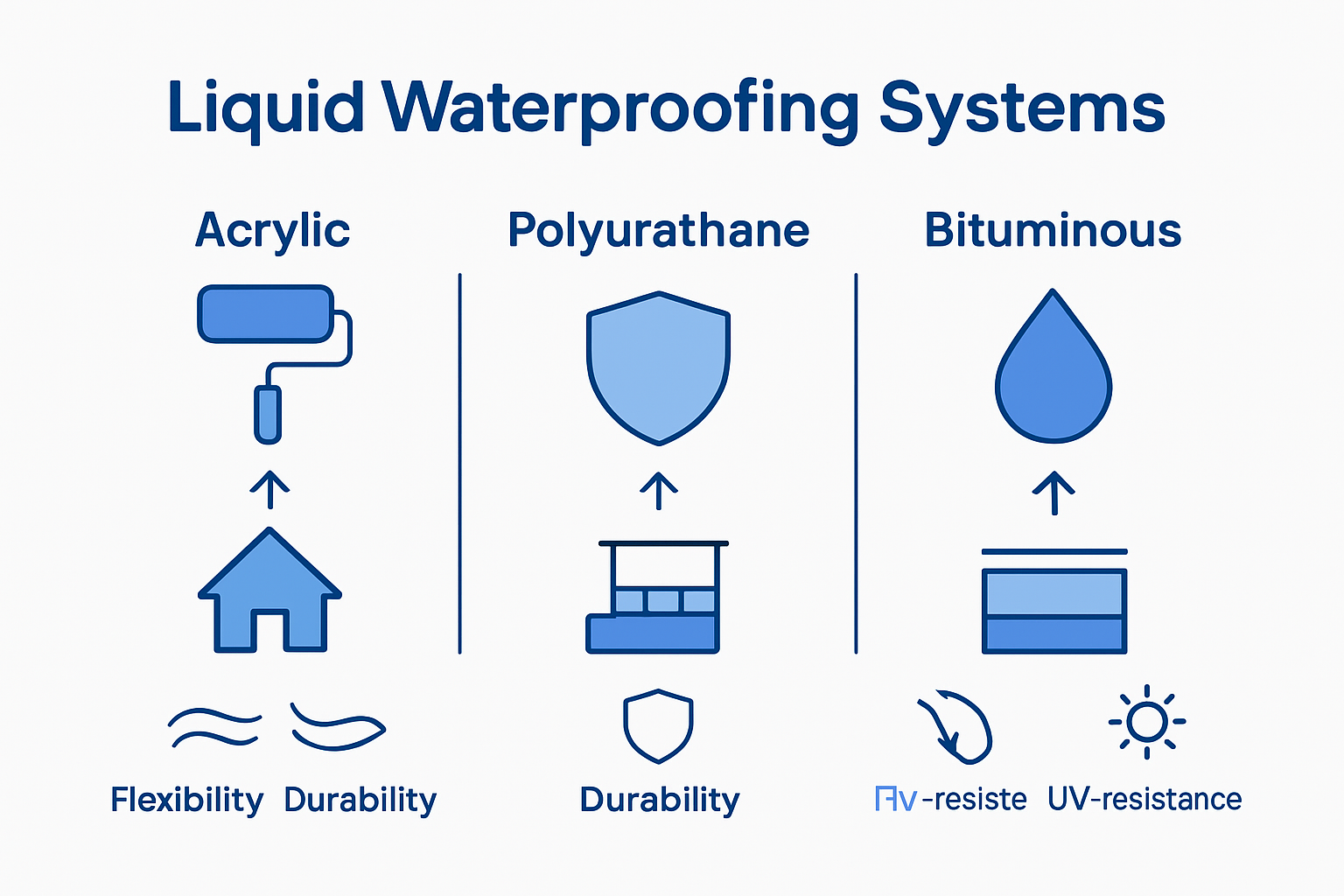
The primary categories of liquid waterproofing systems include acrylic-based, polyurethane, and bituminous membranes. Acrylic systems are water-based, offering excellent UV resistance and breathability, making them ideal for exterior surfaces. Polyurethane membranes provide superior elasticity and durability, creating seamless protective layers with exceptional crack-bridging capabilities. Bituminous liquid membranes, derived from modified asphalt compounds, deliver robust waterproofing for underground structures and foundations.
Each liquid waterproofing system presents unique advantages tailored to specific environmental conditions. Technical specifications reveal that these membranes can achieve elongation properties up to 280%, allowing remarkable structural movement accommodation. Factors such as substrate type, expected moisture exposure, temperature fluctuations, and long-term performance requirements ultimately determine the most suitable liquid waterproofing approach for South African properties. Professional assessment remains critical in selecting the optimal system to ensure comprehensive moisture protection and structural integrity.
How Liquid Waterproofing Is Applied
The application of liquid waterproofing follows a systematic, multi-stage process that ensures comprehensive surface protection. Waterproofing application techniques demand meticulous surface preparation and precise coating methods to achieve optimal results. Professional applicators begin by thoroughly cleaning and inspecting the target surface, removing any debris, dust, or existing damaged coatings that might compromise adhesion.
Liquid waterproofing membranes typically involve a three-layer approach: a primer coat, followed by two robust top coats. These can be applied using diverse techniques including spraying, rolling, or trowelling, depending on the specific surface requirements and membrane type. The initial primer coat creates a critical bonding layer, ensuring strong adhesion and creating a uniform base for subsequent applications. Subsequent layers are carefully applied to create a seamless, continuous protective barrier that can accommodate structural movements and environmental stresses.
Critical factors influencing the application process include surface temperature, humidity levels, and substrate condition. Professionals must carefully select application methods that match the specific membrane type, with some systems requiring precise temperature ranges and specific environmental conditions to cure correctly. The goal remains creating a uniform, pinhole-free membrane with exceptional elongation properties that can expand and contract with structural movements, providing robust protection against moisture infiltration. Proper application technique is paramount, as even minor imperfections can compromise the entire waterproofing system’s effectiveness and long-term performance.
Where Liquid Waterproofing Works Best
Liquid waterproofing demonstrates remarkable versatility across numerous architectural and structural applications. Waterproofing best practices reveal that these advanced membranes excel in environments requiring flexible, comprehensive moisture protection. Critical areas include building foundations, underground structures, balconies, terraces, wet rooms, rooftops, and exterior wall surfaces where traditional waterproofing methods might prove insufficient.
Specific structural zones benefit significantly from liquid waterproofing technologies. Basement walls and floors represent prime candidates, given their constant exposure to ground moisture and potential hydrostatic pressure. Industrial facilities, commercial buildings, and residential properties with complex geometric surfaces find liquid membranes particularly advantageous due to their ability to create seamless, continuous protective layers. Challenging architectural elements like curved surfaces, joints, penetrations, and intricate structural connections become significantly more manageable with liquid application techniques.
Environmental conditions play a crucial role in determining liquid waterproofing effectiveness. Regions experiencing significant temperature variations, high humidity, or frequent rainfall require robust waterproofing solutions that can accommodate structural movements and environmental stresses. The remarkable elongation properties of liquid membranes, which can stretch up to 280%, make them exceptionally suited for dynamic environments where traditional rigid waterproofing systems might crack or fail. Professionals recommend thorough substrate assessment and membrane selection to ensure optimal performance across diverse architectural and climatic conditions.
Common Pitfalls and Cost Considerations
Liquid waterproofing presents complex financial and technical challenges that property owners must carefully navigate. Common waterproofing materials reveal significant variations in cost and performance that demand strategic consideration. Initial installation expenses can range substantially, with professional-grade liquid membrane systems potentially representing a significant upfront investment compared to traditional waterproofing approaches.
Technical complexities introduce critical potential pitfalls during application. Polyurethane liquid membranes demonstrate remarkable effectiveness for flat roofs, but remain sensitive to moisture conditions and require exceptionally precise application techniques. Improper installation can lead to catastrophic failures, including membrane peeling, de-bonding, and compromised structural protection. Professional training becomes paramount, as even minor application errors can dramatically reduce a waterproofing system’s anticipated lifespan and effectiveness.
Cost considerations extend beyond initial installation, encompassing long-term maintenance and potential repair expenses. Property owners must factor in environmental variables, substrate conditions, and specific architectural requirements when budgeting for liquid waterproofing solutions. While premium liquid membranes might present higher initial costs, their superior flexibility, seamless coverage, and potential for extended service life can ultimately provide more economical protection compared to traditional rigid waterproofing systems. Comprehensive substrate assessment, professional consultation, and strategic membrane selection remain critical in maximising both performance and cost-effectiveness.
Protect Your Property with Expert Liquid Waterproofing Solutions
Moisture intrusion is a serious challenge that can compromise the integrity of your home or commercial building in South Africa. Liquid waterproofing offers a flexible, seamless barrier that adapts to structural movements and harsh environmental conditions — preventing cracks and protecting your investment over the long term. If you value durability and precision in waterproofing, understanding these advanced systems is the first step towards safeguarding your property.
Discover how professional application can make all the difference. At Pro Waterproofing, we connect you with trusted waterproofing specialists who ensure proper surface preparation, expert layering, and lasting protection. Don’t risk costly damage by delaying your waterproofing project. Visit our Uncategorized – Pro Waterproofing page to learn more about liquid waterproofing and start your journey to a dry, secure property today. For reliable advice and a tailored quote, explore Pro Waterproofing now.
Frequently Asked Questions
What is liquid waterproofing?
Liquid waterproofing is an advanced protective technique that involves applying specialised liquid membranes that cure to form flexible, seamless barriers against moisture intrusion.
How is liquid waterproofing applied?
Liquid waterproofing is applied in a systematic process involving multiple layers, starting with a primer coat, followed by two robust top coats. These can be applied using various methods such as spraying, rolling, or trowelling, based on the surface type.
What are the advantages of using liquid waterproofing?
The main advantages of liquid waterproofing include its seamless application, superior crack-bridging capabilities, rapid installation, and exceptional elasticity, allowing it to accommodate structural movements and prevent moisture damage.
Where is liquid waterproofing most effective?
Liquid waterproofing is most effective in areas such as building foundations, underground structures, balconies, terraces, rooftops, and exterior wall surfaces, especially in environments with significant moisture exposure or temperature variations.