
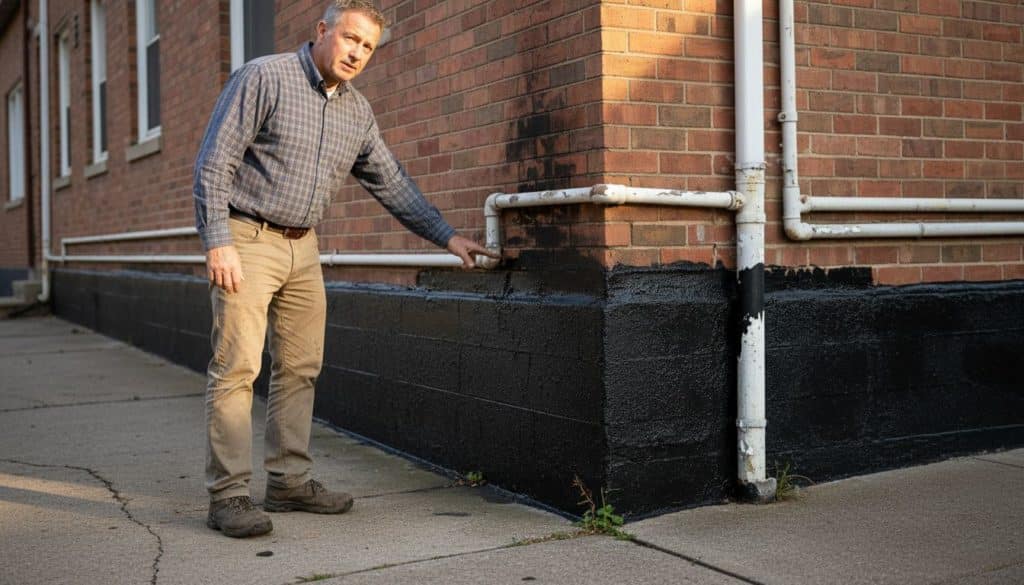
Every british property owner knows that moisture is a silent threat, yet over 60 percent of structural issues in older United Kingdom buildings are linked to poor waterproofing. Protecting structures from water damage is crucial, especially with British weather bringing frequent rain and stubborn dampness. Understanding waterproofing membranes offers valuable insights for anyone aiming to maintain building integrity, reduce long-term costs, and safeguard investments against the persistent challenges of moisture.
Table of Contents
- What Are Waterproofing Membranes?
- Different Types of Waterproofing Membranes
- How Waterproofing Membranes Work
- Key Benefits for South African Buildings
- Risks and Costs of Poor Waterproofing
Key Takeaways
| Point | Details |
|---|---|
| Importance of Waterproofing Membranes | Waterproofing membranes are essential for preventing water penetration and protecting buildings from moisture-related damage. |
| Types of Waterproofing Membranes | Various types of membranes, such as synthetic and bituminous, cater to specific construction challenges and environmental conditions. |
| Benefits for Property Owners | Waterproofing membranes enhance structural integrity, reduce maintenance costs, and preserve property value by preventing moisture intrusion. |
| Risks of Inadequate Waterproofing | Poor waterproofing can lead to serious structural damage, costly repairs, and health hazards from mould growth, warranting proactive management. |
What Are Waterproofing Membranes?
Waterproofing membranes are specialised protective layers designed to prevent water penetration in construction and property infrastructure. These critical barriers serve as a fundamental defence mechanism against moisture intrusion, protecting buildings from potential structural damage and degradation. Waterproofing membranes are applied to surfaces to prevent water ingress, ensuring the longevity and integrity of various architectural structures.
Typically constructed from synthetic materials like modified bitumen, polyvinyl chloride (PVC), ethylene propylene diene monomer (EPDM), or liquid-applied polymers, waterproofing membranes create an impermeable shield across critical building zones. These materials are engineered with specific properties to withstand environmental stresses, temperature fluctuations, and prolonged moisture exposure. By creating a continuous, seamless barrier, these membranes effectively block water molecules from penetrating surfaces such as foundations, roofs, basements, bathrooms, and exterior walls.
The primary function of waterproofing membranes extends beyond simple water resistance. These protective layers safeguard the structural integrity and durability of constructions by preventing moisture-related complications such as:
- Structural weakening and concrete deterioration
- Mould and mildew growth
- Foundation erosion
- Interior wall and ceiling damage
- Compromised thermal insulation
- Potential electrical system hazards
Professional membrane waterproofing techniques offer property owners a strategic approach to protecting their investments, ensuring buildings remain structurally sound and resistant to water damage across diverse environmental conditions.
Different Types of Waterproofing Membranes
Waterproofing membranes come in diverse compositions, each designed to address specific construction challenges and environmental conditions. Common types of waterproofing membranes include bituminous felt, mastic asphalt, and elastomeric membranes which have evolved significantly in recent engineering applications.
The primary categories of waterproofing membranes can be broadly classified into synthetic and bituminous varieties. Synthetic membranes typically include polyvinyl chloride (PVC), ethylene propylene diene monomer (EPDM), and thermoplastic polyolefin (TPO) materials. These modern synthetic options offer superior flexibility, durability, and resistance to environmental degradation. Self-adhesive bituminous membranes and plastomeric waterproofing membranes represent another critical category, particularly effective for underground and foundation waterproofing applications.
Each membrane type presents unique characteristics suited to specific construction scenarios:
- Bituminous Membranes: Excellent for below-ground structures
- PVC Membranes: Ideal for roofing and complex architectural surfaces
- EPDM Membranes: Superior for flexible applications and extreme temperature ranges
- TPO Membranes: Provide excellent UV resistance and environmental durability
- Liquid-Applied Membranes: Perfect for irregular surfaces and detailed waterproofing
Membrane waterproofing techniques have significantly advanced, offering property owners sophisticated solutions that adapt to diverse environmental challenges and structural requirements. Understanding these variations enables precise selection of waterproofing strategies tailored to specific architectural and environmental demands.
How Waterproofing Membranes Work
Waterproofing membranes function by creating a continuous barrier that prevents water from penetrating building surfaces. These sophisticated protective layers operate through a precise mechanism of physical and chemical properties designed to repel and block moisture intrusion, safeguarding critical structural components from potential water damage.
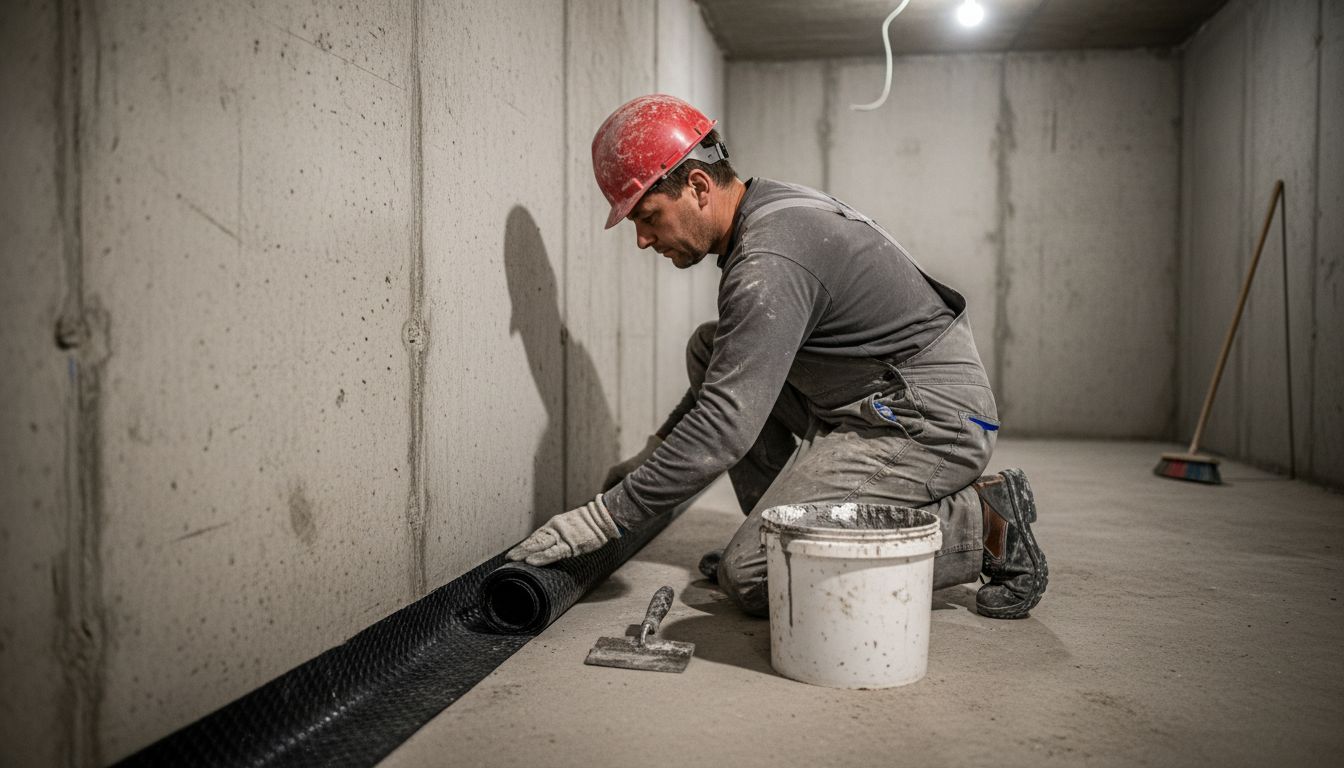
The core working principle involves creating an impermeable shield across building surfaces. When applied, these membranes form a seamless, continuous layer that blocks water molecules through multiple mechanisms. Some membranes use hydrophobic chemical compositions that actively repel water, while others create physical barriers with dense, non-porous materials that prevent liquid penetration. Protective layers effectively block water ingress by forming a comprehensive barrier over surfaces, ensuring that moisture cannot compromise structural integrity.
The technical functionality of waterproofing membranes varies depending on their composition and application method:
- Chemical Bonding: Some membranes chemically bond with surface materials
- Mechanical Adherence: Others use mechanical fastening techniques
- Self-Adhesive Properties: Certain membranes have built-in adhesive characteristics
- Liquid Application: Some membranes are applied as liquid coatings that solidify
Understanding the role of membranes in waterproofing reveals a complex interplay of material science and engineering principles. By combining advanced material technologies, these membranes provide comprehensive protection against water infiltration, adapting to diverse architectural and environmental challenges with remarkable precision.
Key Benefits for South African Buildings
In South Africa, waterproofing membranes are crucial for protecting buildings against the country’s diverse climatic conditions, addressing unique environmental challenges that range from intense coastal humidity to inland regions’ temperature extremes. These sophisticated protective systems offer property owners a strategic defence mechanism against moisture-related structural degradation, particularly important in a landscape with varied and often unpredictable weather patterns.
The structural preservation benefits of waterproofing membranes extend far beyond simple moisture protection. These advanced solutions enhance structural durability and reduce maintenance costs, providing long-term economic advantages for property owners across different regions. By creating an impenetrable barrier against water infiltration, these membranes prevent potential damage mechanisms that could compromise building foundations, wall structures, and interior environments.
Key advantages for South African buildings include:
- Structural Integrity: Prevents water-induced structural deterioration
- Moisture Control: Blocks humidity and potential mould growth
- Temperature Regulation: Helps maintain consistent indoor environments
- Cost Efficiency: Reduces long-term maintenance and repair expenses
- Property Value Protection: Preserves building aesthetics and structural quality
Understanding the importance of waterproofing in South Africa reveals how these technological solutions are not merely protective measures, but critical investments in maintaining property resilience against challenging environmental conditions. By implementing robust waterproofing strategies, property owners can effectively safeguard their investments and ensure sustainable, long-lasting infrastructure.
Risks and Costs of Poor Waterproofing
Inadequate waterproofing can lead to significant structural damage, increased repair costs, and potential health hazards, representing a critical vulnerability for property owners. The consequences of neglecting proper waterproofing extend far beyond superficial cosmetic issues, potentially compromising entire structural systems and creating long-term financial and health risks.
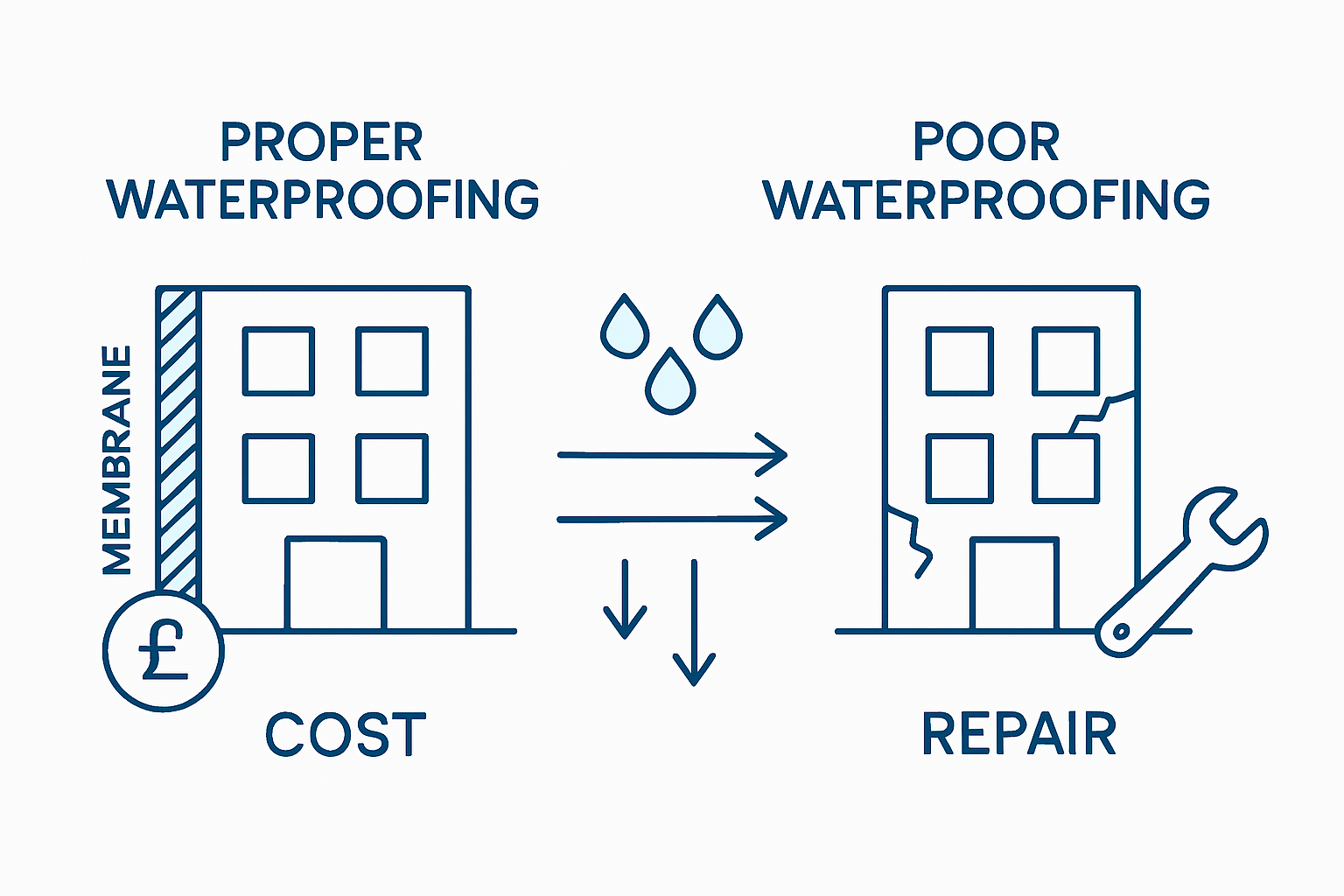
The financial implications of poor waterproofing are particularly stark. Water ingress can cause deterioration of building materials, compromising structural integrity and leading to costly remediation efforts. Unaddressed moisture problems can escalate rapidly, transforming minor repairs into major reconstruction projects that could consume substantial financial resources and disrupt property functionality.
Specific risks associated with inadequate waterproofing include:
- Structural Compromise: Weakening of foundational elements
- Mould Proliferation: Health risks from fungal growth
- Electrical Hazards: Potential short-circuits and system damage
- Property Devaluation: Reduced market value and appeal
- Insulation Degradation: Decreased thermal efficiency
Understanding how to identify waterproofing failures becomes crucial in mitigating these risks. Property owners must remain vigilant, recognising early warning signs and investing proactively in comprehensive waterproofing solutions to protect their most significant asset from progressive, potentially catastrophic moisture damage.
Protect Your Property with Expert Waterproofing Membranes
Waterproofing membranes are essential for safeguarding your building against water damage and structural deterioration, especially in South Africa’s varying climate. Understanding terms like “bituminous membranes” and “liquid-applied membranes” can help you appreciate the value of a professional waterproofing strategy that prevents moisture intrusion and mould growth. If you want to protect your investment and ensure long-term durability, it is vital to act now before costly repairs arise.
Discover specialised solutions tailored to your property by visiting Uncategorized – Pro Waterproofing. Our expert team at Pro Waterproofing offers reliable advice, comprehensive assessments, and proven waterproofing methods. Do not wait for water damage to compromise your home or workplace. Get in touch today to strengthen your building’s defences and secure peace of mind.
Frequently Asked Questions
What are waterproofing membranes?
Waterproofing membranes are specialised protective layers that create a barrier to prevent water penetration in buildings, safeguarding infrastructure from moisture damage and degradation.
How do waterproofing membranes work?
Waterproofing membranes function by creating a continuous, impermeable barrier over surfaces, preventing water molecules from penetrating through physical and chemical properties designed to repel moisture.
What types of waterproofing membranes are available?
Common types of waterproofing membranes include synthetic options like PVC and EPDM, as well as bituminous membranes. Each type has unique characteristics suited for different construction scenarios and environmental conditions.
What are the benefits of using waterproofing membranes?
The benefits of waterproofing membranes include enhanced structural integrity, moisture control, temperature regulation, cost efficiency in maintenance, and preservation of property value by preventing moisture-related damage.