
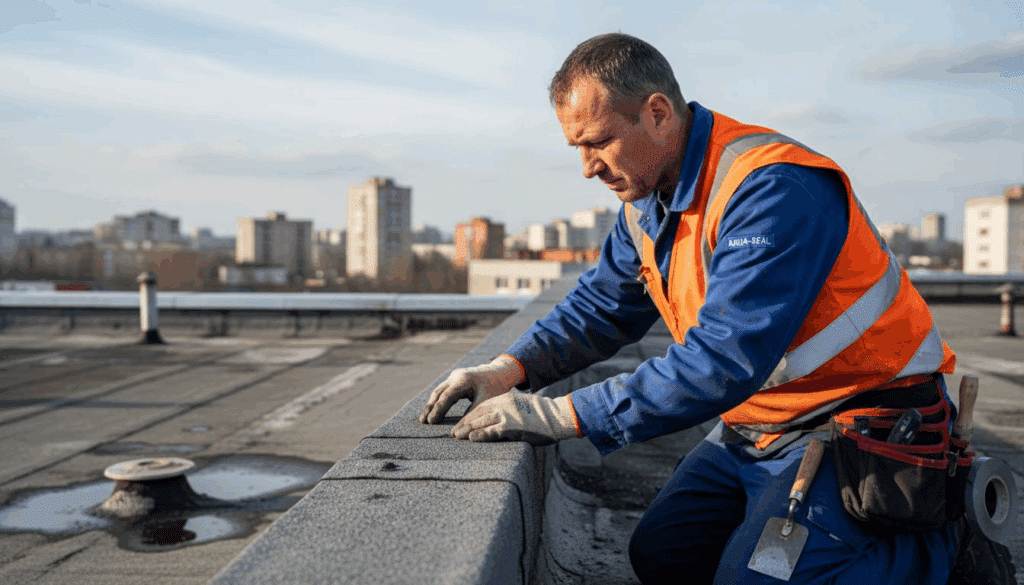
Most homeowners in Gauteng and Western Cape underestimate how quickly unchecked moisture can lead to structural trouble, yet over 40 percent of buildings in South Africa experience damp-related issues by year five. Whether selecting british or local waterproofing solutions, knowing the right terms makes all the difference for your property’s health. This guide breaks down essential concepts, helping you navigate contractor conversations and make informed choices that defend against costly water damage.
Table of Contents
- 1. Understanding The Role Of Waterproof Membranes
- 2. Defining Damp Proof Course (DPC) And Its Purpose
- 3. Explaining Substrate In Property Waterproofing
- 4. What Is Capillary Action And Why It Matters
- 5. The Importance Of Joint Sealants
- 6. Surface Preparation: Why It’s Critical
- 7. Maintenance Terms For Lasting Waterproofing
Quick Summary
| Key Message | Explanation |
|---|---|
| 1. Waterproof membranes are vital for protection | These membranes create a barrier against moisture, preventing structural damage from water intrusion. |
| 2. A Damp Proof Course (DPC) prevents rising damp | Properly installed DPCs protect buildings from moisture travelling upwards, avoiding damage like mould growth and paint peeling. |
| 3. Surface preparation is crucial before waterproofing | Ensuring surfaces are clean and smooth enhances membrane adhesion, leading to long-lasting waterproofing effectiveness. |
| 4. Joint sealants guard against moisture infiltration | These materials seal gaps in structures, allowing flexibility while preventing water from entering vulnerable areas. |
| 5. Regular maintenance is essential for waterproof systems | Scheduled inspections and repairs help maintain the integrity of waterproofing solutions, preventing costly future damages. |
1. Understanding the Role of Waterproof Membranes
Waterproof membranes represent a critical defence mechanism for protecting buildings against moisture intrusion. These specialised barriers form a continuous, impermeable shield that prevents water from penetrating structural components and causing potential damage.
At their core, waterproof membranes function like an invisible protective skin for your property. When professionally installed, they create a robust barrier that blocks water molecules from seeping through surfaces such as foundations, roofs, walls, and basements. Waterproofing membranes can be manufactured as pre-formed sheets or applied as liquid coatings that bond tightly to surfaces.
The importance of these membranes extends far beyond simple water blockage. They play a pivotal role in maintaining structural integrity by preventing moisture related issues such as mould growth, concrete degradation, and potential structural weakening. Different membrane types are engineered to address specific environmental challenges, with materials selected based on exposure conditions, surface types, and performance requirements.
Proper membrane selection requires understanding your specific property’s unique characteristics. Factors like ground water levels, climate conditions, and building design significantly influence membrane effectiveness. Professional assessment helps determine the most suitable membrane type for optimal protection.
Pro Tip: Always consult a professional waterproofing specialist to conduct a comprehensive site assessment before selecting and installing your membrane to ensure maximum protection against moisture intrusion.
2. Defining Damp Proof Course (DPC) and Its Purpose
A Damp Proof Course (DPC) represents a critical moisture barrier essential for protecting buildings from structural damage caused by ground water intrusion. This horizontal layer acts as a strategic defence mechanism against rising dampness in walls and foundations.
Designed to prevent moisture from travelling upwards through building materials, the DPC is typically installed near the base of walls using impermeable materials like plastic or bitumen. Damp proofing techniques are particularly crucial in regions with challenging soil conditions or high moisture levels.
The primary purpose of a DPC is to block capillary action that allows water to move vertically through porous building materials. By interrupting this moisture pathway, the DPC prevents numerous potential problems such as paint peeling, mould growth, structural weakening, and timber rot. In South African construction contexts, where clay rich soils and variable rainfall can create significant moisture challenges, proper DPC installation becomes even more critical.
Homeowners should understand that DPCs can be integrated during initial construction or retrofitted in existing buildings through methods like chemical injection. Regular inspection of the DPC helps identify potential breaches or deterioration that might compromise its protective function.
Pro Tip: Arrange professional moisture surveys every three to five years to assess the integrity of your building’s damp proof course and address any potential vulnerabilities early.
3. Explaining Substrate in Property Waterproofing
In the world of waterproofing, the substrate represents the fundamental surface or material onto which waterproofing treatments are applied. Think of the substrate as the foundation that determines the success and longevity of any waterproofing system.
Substrates can vary widely depending on the specific property and location. Concrete, masonry, timber, metal and other building materials each present unique challenges and requirements for effective waterproofing. Waterproofing application techniques must be carefully matched to the specific substrate characteristics to ensure optimal protection.
The condition of the substrate plays a crucial role in determining the effectiveness of waterproofing treatments. Factors such as surface smoothness, structural integrity, moisture content and existing damage can significantly impact the adhesion and performance of waterproofing membranes. Proper substrate preparation often involves cleaning, repairing surface imperfections, and creating an appropriate profile to maximise membrane bonding.
Professional waterproofing specialists conduct thorough substrate assessments before recommending specific treatments. This critical evaluation helps identify potential issues that might compromise the waterproofing system and ensures that the most appropriate materials and techniques are selected for long term protection.
Pro Tip: Always engage a professional to conduct a comprehensive substrate assessment before applying any waterproofing treatment to guarantee optimal performance and protection.
4. What Is Capillary Action and Why It Matters
Capillary action represents a subtle yet powerful moisture movement mechanism that can significantly impact building structures. This natural phenomenon occurs when liquid spontaneously travels through narrow spaces without external assistance like pumping or gravity.
In property contexts, capillary action becomes a critical concern for homeowners. Rising damp mechanisms demonstrate how moisture can travel vertically through porous building materials such as brickwork and mortar, potentially causing substantial structural damage.
The process works through microscopic pores in building materials, allowing water to climb upwards against gravitational forces. These tiny channels act like narrow tubes, drawing moisture through capillary pressure. In South African properties with clay rich soils or inadequate drainage, this phenomenon can lead to significant challenges including paint blistering, plaster deterioration, mould proliferation and potential structural weakening.
Homeowners should understand that effective waterproofing strategies must account for capillary action. Installing proper damp proof courses, selecting appropriate waterproofing membranes, and maintaining good drainage can help mitigate risks associated with this moisture movement mechanism.
Pro Tip: Conduct annual moisture inspections of your property’s lower walls and foundation to identify early signs of capillary moisture intrusion before significant damage occurs.
5. The Importance of Joint Sealants
Joint sealants represent a critical yet often overlooked component in maintaining a building’s structural integrity and weather resistance. These specialised materials create protective barriers between different building elements, preventing moisture intrusion and accommodating structural movements.
Joint sealing techniques are essential for closing gaps between materials like concrete, glass, metal and brick. Their primary function extends beyond simple adhesion to providing a sophisticated defence mechanism against environmental challenges.
The remarkable properties of modern joint sealants allow them to flex and move with building structures. This elastomeric quality enables them to withstand temperature variations and natural settling without compromising their protective capabilities. In South African construction environments with dramatic temperature fluctuations and diverse geological conditions, this flexibility becomes particularly crucial.
Professional application of joint sealants involves careful material selection based on specific environmental conditions. Factors such as UV exposure, potential chemical interactions, expected movement ranges and moisture levels all influence the choice of appropriate sealant materials.
Pro Tip: Inspect your property’s joint sealants annually and replace them proactively before visible deterioration occurs to maintain optimal moisture protection.
6. Surface Preparation: Why It’s Critical
Surface preparation represents the foundational step that determines the success of any waterproofing application. Like preparing a canvas before painting, proper surface preparation ensures that waterproofing treatments adhere effectively and provide long lasting protection.
Contaminants like dust, dirt and loose materials can catastrophically undermine waterproofing efforts. Surface preparation techniques are crucial for creating an ideal substrate that allows membranes to bond securely and perform optimally.
Professional surface preparation involves multiple critical steps. These include thoroughly cleaning the surface, removing all loose particles, addressing structural irregularities, and creating a smooth even substrate. In South African environments with variable weather conditions and diverse building materials, this process becomes even more essential to prevent moisture penetration and potential structural damage.
Different surfaces require unique preparation approaches. Concrete might need grinding or shot blasting, while metal surfaces could require specialised chemical treatments. Understanding these nuanced requirements helps prevent premature waterproofing failures and ensures long term protection for your property.
Pro Tip: Always engage professional waterproofing specialists who can accurately assess and prepare your specific surface to guarantee maximum membrane adhesion and effectiveness.
7. Maintenance Terms for Lasting Waterproofing
Maintenance represents the unsung hero of waterproofing systems, determining their longevity and effectiveness. Without regular attention, even the most sophisticated waterproofing treatments can deteriorate rapidly, compromising your property’s structural integrity.
Waterproofing maintenance strategies encompass a comprehensive approach to preserving moisture protection. This involves systematic inspections, proactive repairs, and strategic interventions designed to prevent water ingress and potential structural damage.
Key maintenance activities include scheduled membrane assessments, clearing drainage pathways, repairing punctures or delamination, resealing joints, and reapplying protective coatings. Each intervention targets specific potential vulnerabilities in your waterproofing system, addressing issues before they escalate into costly repairs.
In South Africa’s diverse environmental conditions, maintenance becomes particularly crucial. Varying temperatures, humidity levels, and geological factors can accelerate membrane degradation, making professional documentation and expert assessment essential for long term protection.
Pro Tip: Create a dedicated maintenance log to track all waterproofing interventions, enabling you to monitor system performance and identify potential issues before they become significant problems.
Below is a comprehensive table summarising the main concepts, strategies, and considerations discussed in the article regarding waterproofing in property construction and maintenance.
| Topic | Description | Key Considerations |
|---|---|---|
| Waterproof Membranes | Provide an impermeable shield preventing moisture intrusion into structural components. | Key attributes include material type, environmental performance, and professional site assessment for optimal selection. |
| Damp Proof Course (DPC) | Acts as a barrier against ground water rising through capillary action in walls and foundations. | Effective in humid climates and for properties in soil-rich areas. Routine inspections ensure functionality and detect potential breaches. |
| Substrate Importance | The surface upon which waterproofing is applied, determining its adherence and effectiveness. | Thorough preparation including cleaning and surface repair ensures optimal performance. |
| Capillary Action | Natural process where water moves through narrow spaces in building materials, often against gravity, potentially causing structural damage. | Mitigation involves correct use of DPC, membrane installation, and maintenance of drainage systems. |
| Joint Sealants | Materials designed to seal gaps and prevent moisture entry between different building elements. | Select flexible sealants for materials prone to environmental influences such as temperature fluctuations and building movement. |
| Surface Preparation | The initial step in waterproofing applications ensures proper adhesion of protective materials. | Involves cleaning, smoothing, and repair of the substrate to maximise bonding and ensure the longevity of the waterproofing system. |
| Maintenance Practices | Periodic inspections, repairs, and preventive strategies to extend the lifespan of waterproofing systems. | Create a maintenance log and engage professionals for detailed inspections and repairs. |
Secure Your Property with Expert Waterproofing Knowledge and Services
Understanding essential waterproofing terms like membranes, damp proof courses, substrates, and capillary action empowers you to protect your property effectively. Moisture intrusion can cause costly damage and health risks, so recognising these key concepts is the first step towards safeguarding your home or commercial building in South Africa. At Pro Waterproofing, we turn this knowledge into tailored solutions designed to address unique environmental challenges and building structures.
Don’t wait for water damage to occur. Explore our expert insights and practical tips in the Uncategorized – Pro Waterproofing section and connect with trusted waterproofing specialists today. Visit Pro Waterproofing now to request a professional assessment and start protecting your investment with confidence.
Frequently Asked Questions
What are waterproof membranes, and why are they important?
Waterproof membranes are protective barriers that prevent water from penetrating building materials. To ensure effective protection against moisture intrusion, consult with a waterproofing specialist for the correct type of membrane based on your property’s unique characteristics.
How does a Damp Proof Course (DPC) function in my property?
A Damp Proof Course (DPC) acts as a moisture barrier installed near the base of walls to prevent rising dampness from the ground. Assess your property to determine if a DPC is necessary, and consider scheduling a professional inspection to evaluate its current state.
What should I know about substrate in waterproofing?
The substrate is the surface onto which waterproofing treatments are applied, critical for ensuring effective membrane adhesion. Prepare by having a professional evaluate your substrate’s condition, as thorough preparation can significantly impact the success of your waterproofing system.
Why is understanding capillary action essential for homeowners?
Capillary action allows moisture to move vertically through porous materials, potentially causing structural issues. To mitigate risks, implement effective waterproofing solutions like installing a DPC and maintaining drainage systems.
How do joint sealants contribute to a building’s waterproofing?
Joint sealants fill gaps between different building elements, preventing water from entering and accommodating structural movement. Regularly inspect joint sealants and replace any that show signs of deterioration to maintain optimal moisture protection.
What maintenance steps can prolong the life of waterproofing systems?
Regular maintenance, including inspections and timely repairs, is vital for preserving the effectiveness of waterproofing systems. Create a maintenance schedule to carry out inspections every six months and record any interventions undertaken for better tracking.