
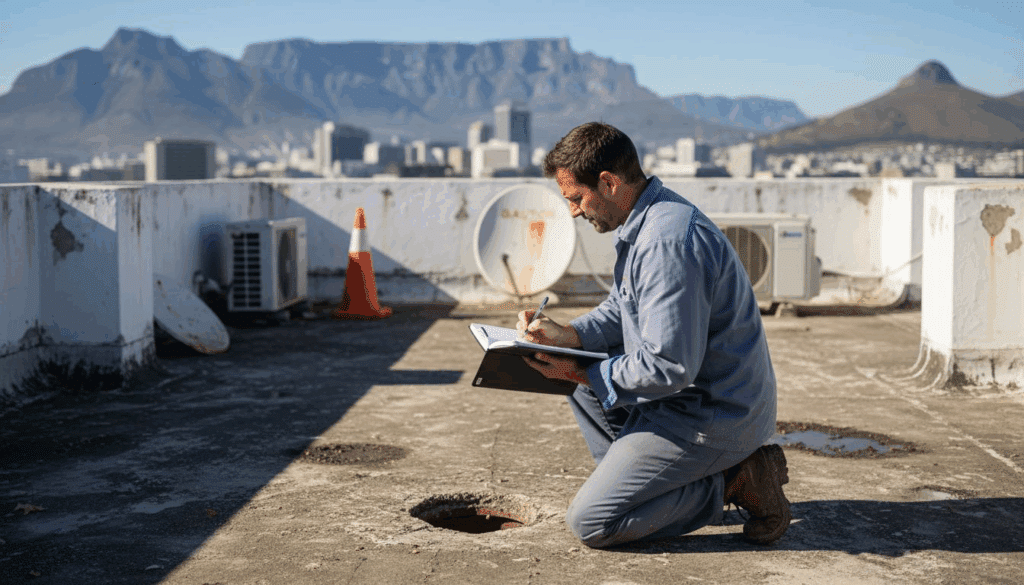
Heavy rainfall season after season can turn a small leak into a costly headache for properties in Gauteng and the Western Cape. In South Africa’s unpredictable climate, protecting buildings from unwanted water is not just routine maintenance, it is a critical safeguard for property value and long-term safety. By exploring the fundamentals and impact of comprehensive waterproofing systems, you can make informed choices to keep your property dry, stable, and healthy for years to come.
Table of Contents
- Defining Waterproofing Systems And Their Impact
- Types Of Waterproofing In South African Properties
- How Maintenance Preserves Structural Integrity
- Long-Term Costs Of Neglecting Repairs
- Selecting Reliable Waterproofing Contractors Locally
Key Takeaways
| Point | Details |
|---|---|
| Importance of Waterproofing | Waterproofing systems are essential to prevent moisture penetration and protect structural integrity in South Africa’s diverse climates. |
| Types of Solutions | Various waterproofing methods, such as sheet membranes and liquid-applied solutions, should be chosen based on specific environmental conditions. |
| Maintenance Necessity | Regular maintenance is crucial to prevent costly structural damage and ensure the longevity of waterproofing systems. |
| Choosing Contractors | It is vital to select experienced local contractors who understand regional challenges and building regulations for effective waterproofing solutions. |
Defining Waterproofing Systems and Their Impact
Waterproofing systems represent strategic protective solutions designed to prevent moisture penetration in buildings across South Africa’s challenging environmental landscape. These comprehensive barriers are engineered to shield structural components from water damage, a critical necessity given the region’s diverse climatic conditions and seasonal rainfall patterns. Comprehensive waterproofing systems function as advanced protective membranes that safeguard residential and commercial properties against potential structural degradation.
The fundamental purpose of waterproofing systems extends far beyond simple moisture control. They serve as critical defence mechanisms that protect building foundations, walls, roofs, and underground structures from water infiltration. By creating impermeable barriers, these systems prevent water molecules from penetrating critical structural elements, which can lead to significant long-term damage such as concrete erosion, steel reinforcement corrosion, and compromised structural integrity.
In the South African context, waterproofing systems play an especially crucial role due to the country’s varied geographical regions and unpredictable weather conditions. From the humid coastal areas of Durban to the arid landscapes of the Northern Cape, each region presents unique challenges that demand specialised waterproofing approaches. These systems must withstand intense rainfall, potential flooding, groundwater pressure, and temperature fluctuations while maintaining their protective capabilities over extended periods.
Pro tip: Always conduct a professional moisture assessment before installing waterproofing systems to identify specific vulnerabilities and select the most appropriate protective solution for your property.
Types of Waterproofing in South African Properties
Waterproofing solutions in South Africa encompass diverse techniques tailored to address the country’s complex environmental challenges. These systems range from intricate membrane applications to specialised coating technologies that protect buildings against moisture intrusion. Liquid waterproofing methods have emerged as particularly versatile solutions for residential and commercial properties across different geographical regions.
The primary categories of waterproofing systems include sheet membrane waterproofing, liquid-applied membranes, cementitious waterproofing, and penetrative chemical treatments. Sheet membrane waterproofing involves installing pre-manufactured waterproof sheets directly onto surfaces, creating a robust barrier against water penetration. Liquid-applied membranes offer more flexibility, allowing seamless coverage of complex architectural surfaces and providing excellent adaptability to structural movements and temperature variations.
Regional variations significantly influence waterproofing approach selection in South Africa. Coastal areas like Durban require marine-grade waterproofing solutions resistant to salt corrosion, while arid regions like the Northern Cape demand systems capable of withstanding extreme temperature fluctuations. Cementitious waterproofing treatments are particularly effective in areas with high groundwater tables, offering robust protection for foundations and underground structures. These specialised treatments create a crystalline barrier within concrete structures, preventing moisture migration and potential structural degradation.
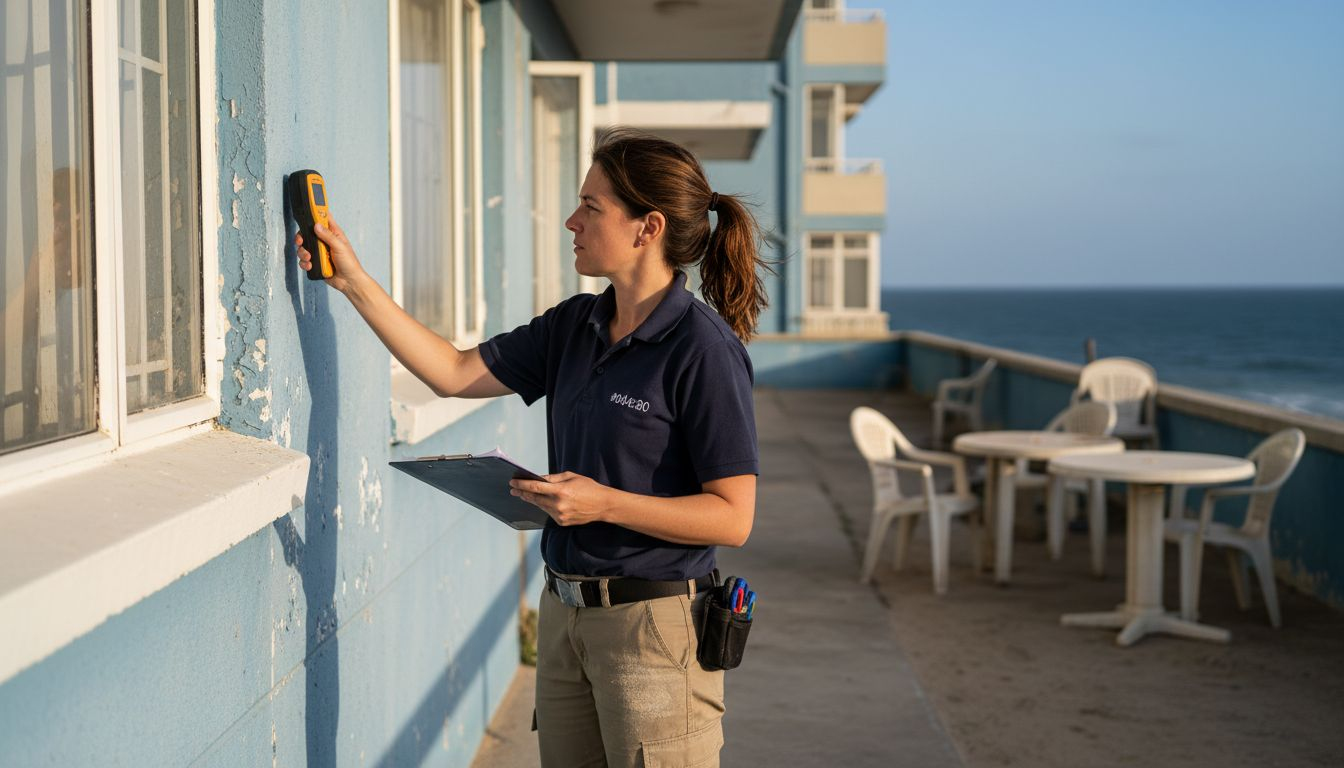
Pro tip: Consult local waterproofing experts who understand your specific regional climate and building requirements to select the most appropriate waterproofing system for your property.
Here’s a concise comparison of the major waterproofing methods and their ideal application areas in South Africa:
| Waterproofing Type | Key Benefits | Common Applications | Suitable Environments |
|---|---|---|---|
| Sheet Membrane | Highly durable barrier | Roofs, basements | Areas with heavy rainfall |
| Liquid-Applied Membrane | Seamless coverage | Balconies, irregular surfaces | Regions with temperature changes |
| Cementitious Treatments | Integral moisture defence | Foundations, water tanks | High groundwater or underground |
| Penetrative Chemical | Deep structural protection | Concrete walls, slabs | Coastal areas, saline exposure |
How Maintenance Preserves Structural Integrity
Waterproofing maintenance represents a critical defence mechanism for protecting structural elements against progressive environmental degradation in South Africa’s challenging climatic conditions. By implementing systematic inspection and repair protocols, property owners can significantly mitigate potential structural damage caused by moisture infiltration. Corrosion protection strategies play a pivotal role in preserving concrete structures’ long-term integrity and performance.
The fundamental mechanisms of structural deterioration often stem from unaddressed water penetration, which gradually compromises reinforcement materials and weakens load-bearing components. Concrete structures are particularly vulnerable to incremental damage from moisture, with microscopic cracks allowing water and corrosive agents to penetrate deeper into the structural framework. Regular maintenance interrupts this progressive degradation cycle by identifying and addressing potential weak points before they escalate into significant structural compromises.
Maintenance protocols for waterproofing systems involve comprehensive strategies that extend beyond simple surface treatments. Professional assessments typically include detailed moisture mapping, structural stress analysis, and targeted interventions designed to restore protective barriers. These approaches are especially crucial in regions with extreme environmental conditions, such as coastal areas with high salt concentrations or inland zones experiencing significant temperature variations. By implementing proactive maintenance techniques, property owners can extend the operational lifespan of their structures, prevent costly reconstructions, and maintain optimal structural performance.
Pro tip: Schedule professional waterproofing inspections at least biannually to detect and address potential structural vulnerabilities before they become expensive repair projects.
Long-Term Costs of Neglecting Repairs
Neglecting waterproofing maintenance can transform minor issues into catastrophic financial burdens for property owners across South Africa. Hidden dangers of home waterproofing represent a complex web of potential structural and economic risks that extend far beyond superficial water damage. The cumulative impact of unaddressed moisture penetration can rapidly escalate repair costs from hundreds to potentially hundreds of thousands of rand, decimating property values and compromising structural safety.
Structural deterioration progresses exponentially when waterproofing systems are left unmaintained. Microscopic cracks become pathways for moisture infiltration, allowing water to compromise reinforcement materials, wooden structural components, and foundational integrity. This gradual degradation weakens load-bearing elements, creating hidden vulnerabilities that may remain undetected until significant structural failure becomes imminent. Concrete structures experience accelerated corrosion, while wooden elements become susceptible to rot, dramatically reducing the building’s overall structural reliability and potentially rendering entire sections unsafe.
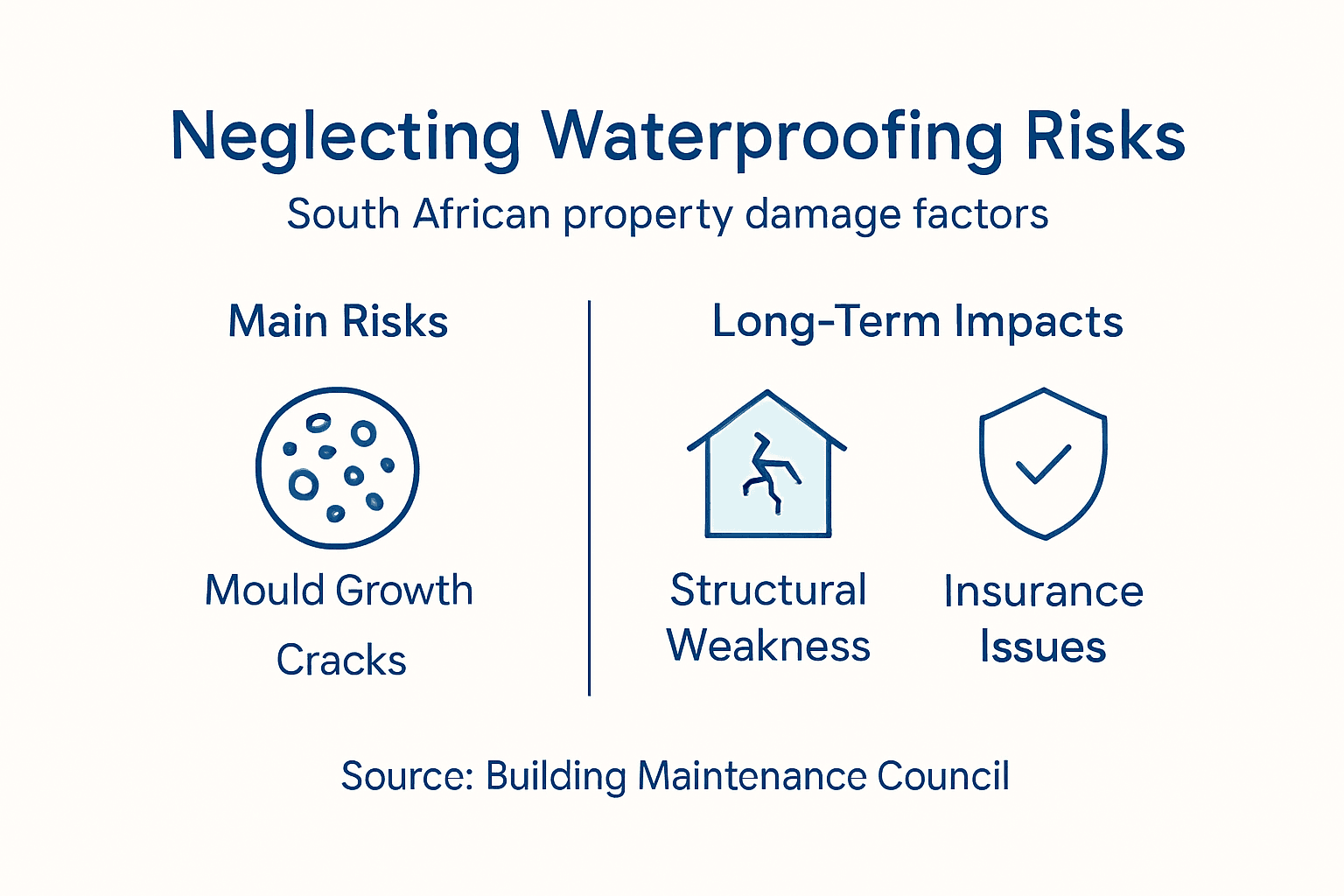
Beyond structural damage, neglected waterproofing introduces substantial secondary risks that compound financial losses. Persistent moisture creates ideal environments for mould proliferation, which presents serious health hazards and can lead to expensive remediation processes. Insurance companies increasingly scrutinise maintenance records, potentially invalidating claims for water-related damages if property owners cannot demonstrate consistent preventative maintenance. The economic consequences extend to reduced property market value, with potential buyers becoming hesitant to invest in structures showing signs of water damage or inadequate waterproofing protection.
Pro tip: Document all waterproofing maintenance activities and retain professional inspection reports to protect your insurance coverage and property investment.
To clarify the potential financial and health risks from poor waterproofing maintenance, here is a summary table:
| Risk Type | Example Consequence | Long-Term Impact |
|---|---|---|
| Structural Damage | Concrete erosion, wood rot | Costly repairs, instability |
| Mould Growth | Indoor air contamination | Health risks, remediation |
| Insurance Issues | Claim rejection or limits | Reduced property value |
| Market Value Decline | Fewer interested buyers | Loss of investment |
Selecting Reliable Waterproofing Contractors Locally
Selecting a competent waterproofing contractor in South Africa requires careful evaluation of technical expertise, regional experience, and professional credentials. Professional waterproofing services demand comprehensive understanding of local environmental challenges, including diverse climatic conditions ranging from coastal humidity to inland temperature variations. Homeowners must prioritise contractors demonstrating specialised knowledge of South African building regulations and moisture management techniques.
Critical selection criteria encompass multiple professional dimensions beyond surface-level assessments. Reputable contractors should provide comprehensive documentation including detailed project portfolios, verifiable certifications, and transparent warranty provisions. Technical competence involves demonstrating expertise in addressing both positive and negative water pressure scenarios, understanding substrate complexities, and recommending appropriate materials tailored to specific regional environmental demands. Potential clients should request comprehensive references, verify professional indemnity insurance, and assess the contractor’s track record of successful waterproofing interventions.
Geographical specialisation plays a significant role in contractor selection across South Africa’s diverse landscapes. Coastal regions like Cape Town require marine-grade waterproofing techniques distinct from inland Gauteng’s temperature-fluctuating environments. Contractors must showcase adaptability in addressing region-specific challenges, utilising advanced materials and application methodologies that account for localised moisture infiltration risks. Professional credibility can be evaluated through industry affiliations, ongoing technical training certifications, and demonstrable experience managing complex waterproofing projects across varied architectural contexts.
Pro tip: Request comprehensive written quotes from multiple contractors, comparing not just pricing but also detailed scope of work, material specifications, and projected maintenance recommendations.
Protect Your South African Property with Expert Waterproofing Maintenance
Maintaining waterproofing systems is essential to avoid costly structural damage, mould issues, and insurance complications in South Africa’s diverse climates. If you are concerned about progressive deterioration or unsure how to select the best solution for your property, exploring professional advice is the key. Our Uncategorized – Pro Waterproofing section offers insights tailored to your region’s unique challenges and building needs.
Take control of your property’s future today by connecting with trusted waterproofing specialists who understand the importance of regular maintenance, expert application, and long-term protection. Visit Pro Waterproofing to request a comprehensive quote or learn about the best waterproofing services designed specifically for South African homes and businesses. Don’t wait until minor leaks lead to major repairs—secure your investment now.
Frequently Asked Questions
Why is maintaining waterproofing systems important?
Maintaining waterproofing systems is crucial to prevent moisture penetration that can lead to structural deterioration, corrosion of reinforcement materials, and compromising the overall integrity of the building. Regular maintenance helps identify and address potential vulnerabilities before they escalate into significant issues.
How often should waterproofing systems be inspected?
It is advisable to schedule professional waterproofing inspections at least biannually. Regular assessments help detect potential weaknesses and maintain the effectiveness of waterproofing systems, preventing costly repairs in the long run.
What are the signs that waterproofing systems need repair?
Signs that waterproofing systems may require repair include visible water stains, peeling paint, damp patches on walls or ceilings, and mould growth. Any indication of moisture infiltration should prompt an immediate inspection to identify the underlying issues.
What are the long-term consequences of neglecting waterproofing maintenance?
Neglecting waterproofing maintenance can lead to significant structural damage, mould growth, and potential health risks. These issues can escalate repair costs from minor issues to major structural failures, substantially affecting the property’s market value and safety.
Recommended
- Waterproofing Maintenance: Protecting Your Investment
- Understanding the Importance of Waterproofing in South Africa – Pro Waterproofing
- Why Waterproofing Matters for South African Properties
- Waterproofing Systems Explained: Types, Methods, Use Cases
- Awnings: Essential Repairs and Maintenance For Owners Guide