
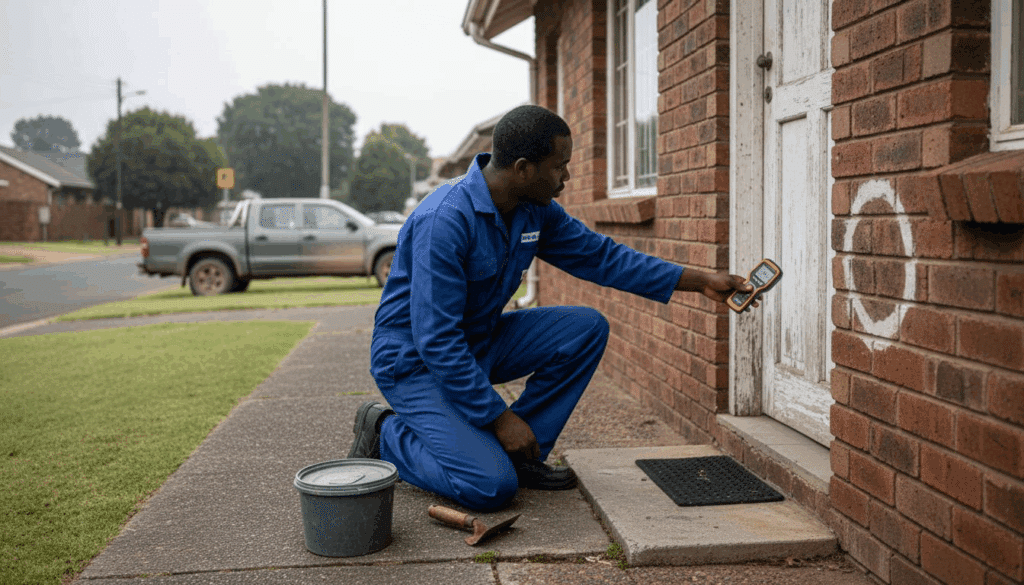
Persistent leaks and unpredictable weather can quickly damage your home in South Africa, especially as heavy storms and harsh climates become more frequent. Finding reliable ways to protect your property is no longer just a matter of routine maintenance—it’s about securing lasting comfort and safety for your household. Fortunately, rapid advances in waterproofing materials and methods have created genuinely practical solutions you can use right now.
This list reveals the most effective approaches and technologies shaping home waterproofing today, including smart materials that offer greater durability and eco-friendly choices that align with South African sustainability goals. You’ll discover what proven innovations and expert tips can keep your home dry, strong and ready to handle anything the weather throws at it. Get ready for specific steps that will help you outsmart water damage and extend your property’s lifespan.
Table of Contents
- Smart Waterproofing Materials For Enhanced Durability
- Eco-Friendly Solutions For Sustainable Water Management
- Rising Use Of Liquid Membrane Technology In Homes
- Remote Moisture Monitoring And Digital Inspection Tools
- Integrated Roof And Wall Waterproofing Systems
- Professional Contractor Certification And Warranties
- Cost-Effective DIY Techniques For Small Repairs
Quick Summary
| Takeaway | Explanation |
|---|---|
| 1. Use advanced waterproofing materials | Choose polymer-modified or nanotechnology-based materials for enhanced durability and resistance against water damage. |
| 2. Opt for eco-friendly waterproofing options | Select low-VOC and recycled materials that provide excellent protection while aligning with sustainability goals. |
| 3. Consider liquid membrane technology | Liquid membranes offer seamless application and adapt well to various surfaces, reducing potential failure points. |
| 4. Implement remote moisture monitoring | Use IoT sensors for real-time moisture tracking to prevent hidden water damage before it escalates. |
| 5. Hire certified contractors and check warranties | Ensure your contractor is certified by PRAWA and offers comprehensive warranties for added protection against failure. |
1. Smart waterproofing materials for enhanced durability
Waterproofing has evolved far beyond basic sealants and coatings. Today’s smart materials represent a genuine leap forward in how we protect homes from water damage, and understanding these innovations can help you make better decisions about your property’s long-term protection.
The shift towards advanced waterproofing materials reflects a fundamental change in construction science. Instead of simply creating barriers, modern materials actively work to enhance the durability of your concrete and masonry structures themselves. Polymer-modified membranes, composite materials, and nanotechnology-based solutions now offer superior flexibility, chemical resistance, and the ability to withstand extreme South African weather conditions. These aren’t just incremental improvements—they’re designed to extend the lifespan of your home’s protective barriers significantly.
One particularly exciting development involves graphene-based additives. First Graphene has introduced graphene-enhanced waterproofing additives specifically into the South African construction sector, with trial results showing up to 48% reduction in long-term water absorption and nearly 20% reduction in oxygen penetration. This means concrete and cement treated with these additives can resist moisture far more effectively, directly translating to longer-lasting protection for your property. The additive integrates seamlessly into normal batching processes, so it doesn’t complicate construction workflows.
Eco-friendly innovations are also gaining traction. You’ll increasingly find waterproofing membranes made from recycled materials or featuring self-healing properties that can automatically repair minor cracks before water penetration becomes a problem. These sustainable options don’t sacrifice performance—they maintain the durability and flexibility you need whilst supporting environmental responsibility. For homeowners in Gauteng and the Western Cape, where weather can be unpredictable and severe, choosing materials with self-healing capabilities provides genuine peace of mind.
The practical benefit here is straightforward: smarter materials mean fewer repairs down the line. When you choose advanced waterproofing membranes with proven performance records, you’re investing in years of reliable protection rather than patching problems as they emerge. These materials work harder and longer than conventional options, which translates directly to reduced maintenance costs and extended intervals between major waterproofing work.
When you’re considering waterproofing for your home, ask your contractor specifically about the materials they propose. Are they polymer-modified? Do they have nanotechnology components? What’s the expected lifespan compared to standard membranes? These questions help ensure you’re getting contemporary solutions, not just traditional approaches dressed up with modern branding.
Pro tip: Request documentation on water absorption rates and oxygen penetration resistance when comparing waterproofing materials; these technical metrics directly indicate how well the material will protect your property against long-term moisture damage.
2. Eco-friendly solutions for sustainable water management
Choosing waterproofing solutions with environmental responsibility in mind has become more than just a trend. It’s a practical decision that protects both your home and South Africa’s long-term climate resilience whilst reducing your property’s environmental footprint.
The waterproofing industry has undergone a genuine shift towards sustainability. Traditional waterproofing materials often contained volatile organic compounds and were manufactured using resource-intensive processes. Today’s eco-friendly alternatives use recyclable materials, low-VOC (volatile organic compound) formulations, and sustainable manufacturing methods that significantly reduce environmental impact. When you choose these materials, you’re supporting a construction approach that aligns with South Africa’s national sustainability frameworks and government policies promoting greener building practices.
What makes this shift particularly compelling is that eco-friendly waterproofing membranes don’t sacrifice performance for sustainability. These materials offer the same durability and water resistance as conventional options, but with lower environmental costs throughout their lifecycle. Membranes made from recycled content or renewable resources perform equally well in blocking moisture, preventing structural damage, and protecting your home from the weather extremes common in Gauteng and the Western Cape. The difference lies in how they’re produced and eventually disposed of.
Low-VOC membranes deserve special attention. Traditional waterproofing products release harmful chemicals into the air during and after installation, affecting both construction workers and your home’s indoor air quality. Low-VOC alternatives eliminate this risk whilst still creating effective moisture barriers. This matters particularly if you have children, elderly family members, or anyone with respiratory sensitivities in your household. You gain waterproofing protection without compromising the air you breathe.
The practical benefit extends beyond environmental goodwill. Properties waterproofed with eco-friendly materials often qualify for green building certifications and may attract environmentally conscious buyers if you decide to sell. Insurance companies are increasingly recognising that sustainable building practices reduce long-term damage claims, potentially affecting your premiums favourably. Additionally, eco-friendly waterproofing membranes contribute to water conservation by preventing seepage and leakage, which helps preserve this precious resource during South Africa’s frequent drought periods.
When discussing waterproofing options with contractors, specifically ask about recycled content percentages and VOC emissions. Request materials with environmental certifications. Ask whether the contractor follows disposal protocols that minimise landfill impact. These questions ensure your waterproofing project reflects your values whilst delivering robust protection for your property.
Pro tip: Ask your waterproofing contractor whether they can source membranes with environmental certifications such as Green Building Council of South Africa approval, and confirm that installation methods minimise volatile organic compound release into your home.
3. Rising use of liquid membrane technology in homes
Liquid membrane technology represents a significant departure from traditional sheet-based waterproofing systems, and it’s becoming increasingly popular among South African homeowners for good reason. This approach offers seamless protection that adapts to virtually any surface, making it ideal for the complex architectural features common in modern homes.
Understanding how liquid membranes work helps explain their growing adoption. Rather than installing rigid sheets that rely on seams to create a barrier, liquid applied membranes are literally painted or sprayed onto surfaces where they cure into a continuous, monolithic waterproof coating. This means there are no seams, no overlap points, and no vulnerable areas where water can exploit gaps. The membrane bonds directly to whatever substrate it’s applied to, whether that’s concrete, asphalt, bitumen, or other materials common in South African construction. As the liquid cures, it becomes elastomeric, meaning it flexes and moves slightly with the building’s natural expansion and contraction.
What makes this technology particularly valuable for your home is its versatility. Liquid membranes work exceptionally well on complex roof shapes, around penetrations like pipes and vents, in basements with irregular foundations, and in wet rooms where traditional sheet membranes would require numerous seams. Contractors can apply these systems to surfaces that would be nightmares to cover with sheet membranes. This flexibility also means retrofit applications become simpler. If you’re adding waterproofing to an existing structure with awkward angles or difficult access points, liquid membranes handle the job more efficiently than trying to force sheet membranes into place.
The installation advantages translate directly to cost savings and faster project completion. Liquid-applied waterproofing systems typically cure rapidly, meaning your contractor can complete the work and move to the next phase without extended downtime. Traditional sheet membranes require careful seaming, detailed quality checks on every seam, and extensive prep work. Liquid systems streamline this process. Additionally, because there are fewer failure points, you’re less likely to experience water breaches years down the line caused by seam separation or degradation.
Water-based and polyurethane liquid membranes represent the current generation of this technology. Water-based formulations offer environmental benefits and easier cleanup, whilst polyurethane systems provide superior adhesion and flexibility in extreme temperatures. Both types deliver exceptional durability and long-term protection. For homes in Gauteng experiencing intense heat and rapid temperature fluctuations, or properties in the Western Cape facing coastal weather challenges, liquid membranes offer impressive resilience.
Cost considerations make liquid membranes even more appealing. Whilst the material costs may be comparable to sheet membranes, the labour savings through faster application and fewer complications typically result in lower overall project expenses. You’re paying for efficiency and reliability, which translates to genuine value for your property investment.
Pro tip: When requesting quotes for liquid membrane waterproofing, ask contractors specifically about curing times, temperature requirements during application, and which surfaces they can guarantee in your home’s particular conditions, as some liquid systems perform better in certain climates than others.
4. Remote moisture monitoring and digital inspection tools
Technology is transforming how homeowners detect and prevent water damage. Remote moisture monitoring and digital inspection tools now give you the ability to track what’s happening inside your walls, under your foundations, and across your roof without requiring constant physical access or expensive manual inspections.
These systems work through a combination of sensors and data transmission. IoT sensors placed strategically throughout your home continuously measure moisture levels in critical areas like basements, under bathrooms, around pipes, and within foundation walls. Rather than waiting for visible damage to appear, you get real-time alerts when moisture levels begin rising abnormally. Fibre optic and advanced sensor technology can simultaneously monitor structural health and soil moisture, detecting subtle changes before they become problems. This early warning system allows you to address issues when they’re minor and inexpensive rather than after serious damage has occurred.
The practical advantage is substantial. Imagine knowing immediately if your basement waterproofing system is failing, rather than discovering mould and structural damage months later. Digital inspection tools using thermal imaging and moisture mapping reveal wet spots that aren’t yet visible to the human eye. A contractor can use these technologies to identify the exact source of water intrusion, target repairs precisely, and verify that waterproofing work has been properly executed. This means less guesswork, fewer unnecessary repairs, and genuine confidence in your home’s water protection.
South Africa’s experience with water management demonstrates the power of remote monitoring. Infrastructure officials now use real-time leak detection and flow optimisation through remote sensing systems to address the estimated 40 percent non-revenue water loss in supply systems. The same technology principles apply to residential properties. When applied to your home’s waterproofing systems, continuous remote monitoring catches failures before they affect your property’s structural integrity or indoor air quality.
For homeowners in areas prone to seasonal flooding or properties with complex foundations, these tools provide peace of mind that extends beyond traditional inspections. A periodic waterproofing inspection might occur every few years, but remote monitoring systems work continuously, 24 hours daily. You receive notifications via smartphone or email when conditions warrant attention. This constant vigilance catches the brief window when moisture intrusion begins but before visible damage manifests.
Implementing this technology involves working with contractors experienced in sensor installation and data interpretation. Initial setup costs are reasonable compared to the cost of repairing water damage. Many systems integrate with standard home automation platforms, making them relatively straightforward to manage alongside other smart home features. The investment pays for itself many times over if it prevents even one incident of structural water damage or mould remediation.
Pro tip: When selecting a contractor for waterproofing work, ask whether they use digital inspection tools to assess conditions before starting work and to verify completion; this documentation provides valuable proof of proper execution for warranty and insurance purposes.
5. Integrated roof and wall waterproofing systems
Modern homes require coordinated waterproofing strategies that treat your roof and walls as a unified system rather than separate projects. Integrated waterproofing systems represent a shift from tackling moisture problems piecemeal to creating a comprehensive protective envelope around your entire property.
The challenge with traditional approaches becomes apparent when you consider how water actually moves through a building. Water doesn’t confine itself neatly to roofs or walls. When roof waterproofing fails, moisture seeps down into wall cavities and eventually reaches foundations. When wall systems leak, water finds its way to roof spaces and attic areas. If you waterproof only your roof whilst ignoring wall vulnerabilities, or vice versa, you’ve created an incomplete protection strategy. Water will inevitably find the weak point. An integrated system addresses all these pathways simultaneously, creating redundancy and comprehensive protection.
Integrated systems typically combine multiple complementary technologies working together. Your roof waterproofing might use liquid-applied membranes for seamless coverage, whilst wall systems employ cavity trays, breathable membranes, and drainage planes that work in concert with the roof system. The key difference is that these components are specified and installed with full awareness of how they interact. Drainage from your roof is managed in a way that guides water safely away from wall junctions. Wall membranes are positioned to protect areas where roof and wall structures meet. Foundation waterproofing extends upwards to connect with wall systems. Nothing is left as an isolated afterthought.
The practical benefits become obvious when you understand water’s behaviour during heavy rainfall. When Gauteng and Western Cape properties experience intense storms, water pressure builds and moisture seeks the lowest resistance path. An integrated system anticipates this behaviour by creating intentional drainage channels and backup systems. If your primary roof waterproofing faces a temporary breach, integrated wall systems catch moisture before it penetrates deeper. This layered approach means your home gains genuine resilience rather than just a single point of failure prevention.
When you’re planning waterproofing work for your property, think beyond the specific area that appears problematic. A leak in your bedroom ceiling might suggest roof failure, but the real issue could involve wall moisture contributing to the problem. Professional contractors experienced with integrated waterproofing systems will conduct thorough assessments to identify all vulnerable points before recommending solutions. This comprehensive approach costs slightly more initially but prevents costly repairs from water damage that develops after incomplete waterproofing work.
The technical coordination required for integrated systems means you benefit from using contractors with genuine expertise. Rather than hiring separate specialists for roof and wall work, choosing someone experienced in coordinated approaches ensures all components function together properly. They understand how materials and methods must interconnect, how drainage systems complement membranes, and how to test the entire system for effectiveness rather than checking components individually.
Geographic considerations matter as well. Properties in areas with regular heavy rainfall need stronger integration than those in drier climates. Your contractor should understand local weather patterns and design waterproofing integration that responds to your specific regional challenges. A system that works well in some parts of South Africa might require modifications elsewhere.
Pro tip: When requesting waterproofing quotes, ask contractors to explain how their roof and wall solutions work together as an integrated system, including drainage pathways and failure redundancy; this ensures you’re getting comprehensive protection rather than disconnected patches.
6. Professional contractor certification and warranties
Waterproofing is not a task for amateur handywork or unvetted contractors. Professional certification and comprehensive warranties have become essential markers of quality, protecting your investment and ensuring your home receives genuinely expert protection.
Understanding what professional certification actually means requires knowing the regulatory landscape. The Professional Roof Repair and Waterproofing Association, known as PRAWA, regulates the waterproofing industry across South Africa by enforcing minimum standards, vetting contractors thoroughly, and mandating continuous professional development for members. This isn’t a casual membership club. To qualify, contractors must demonstrate legal compliance, maintain adequate insurance coverage, and prove adherence to industry best practices. PRAWA members who meet these rigorous requirements earn the right to issue Certificates of Professional Competency, which represent genuine verification that the contractor meets quality and accountability standards.
Why does this matter for your waterproofing project? An uncertified contractor working on your home might use substandard materials, skip critical steps, or lack the technical knowledge to handle complex situations. You’d discover these failures only after water damage has occurred, often after the contractor has disappeared. A certified professional carries both accountability and financial backing. Their certification means they’ve invested in ongoing training, they understand current technologies, and they’ve committed to professional standards that protect consumers. More importantly, if something goes wrong, you have recourse through PRAWA and their professional indemnity insurance.
Warranties represent your financial protection against failure. When a contractor offers a warranty on waterproofing work, they’re essentially guaranteeing that their installation will perform correctly for a specified period. A five-year warranty means they stand behind their work for five years. A ten-year warranty demonstrates even greater confidence. But warranties only matter if the contractor issuing them will actually exist and honour their commitments five or ten years later. This is where certified contractors differ fundamentally from unregistered operators. PRAWA members have institutional accountability. If a certified contractor goes out of business, you still have recourse through professional bodies and insurance mechanisms.
Warranties should cover both materials and workmanship. Read them carefully to understand exactly what’s protected and what conditions apply to the guarantee. Some warranties exclude damage from exceptional weather or lack of proper maintenance, so understanding the fine print prevents disappointment later.
When you’re evaluating waterproofing contractors, understanding waterproofing warranties enables you to compare offers meaningfully. A contractor offering a ten-year warranty but with significant exclusions may actually provide less protection than one offering a five-year full coverage warranty. The most reputable contractors typically offer warranties that cover labour, materials, and craftsmanship without excessive limitations. They’re confident enough in their work to stand behind it comprehensively.
Certification also signals that contractors have invested in proper training and equipment. Waterproofing technology evolves constantly. A certified professional participates in ongoing education programmes ensuring they understand the latest materials, methods, and best practices. This matters tremendously when you’re considering innovative solutions like smart waterproofing materials or integrated systems. An uncertified contractor might default to outdated approaches simply because they lack current knowledge.
When you’re planning your waterproofing project, make certification and warranty terms non negotiable requirements. Ask potential contractors about their PRAWA membership, request copies of their certificates, and carefully review warranty documents before signing anything. Don’t be swayed by significantly lower prices if they come without proper certification and warranties. The modest additional cost for certified work protects you far more effectively than trying to save money with unvetted operators.
Pro tip: Before hiring a waterproofing contractor, verify their PRAWA certification directly through the association’s website, request references from completed projects, and insist on written warranties covering materials, labour, and craftsmanship for at least five years.
7. Cost-effective DIY techniques for small repairs
Not every waterproofing issue requires hiring a professional contractor. Small repairs, minor cracks, and early-stage water intrusion can often be addressed through straightforward do-it-yourself techniques that cost far less than professional intervention whilst still delivering effective results.
The key to successful DIY waterproofing repairs lies in understanding which problems are genuinely manageable and which genuinely require professional expertise. Small cracks in concrete, minor roof leaks in accessible areas, gaps around pipes and penetrations, and deteriorating caulking around windows and doors all fall into the manageable category. These are situations where the damage is localised, you can safely access the area, and the fix doesn’t involve complex structural considerations. Larger structural issues, extensive basement seepage, or problems involving multiple systems should absolutely go to professionals. The distinction matters because attempting DIY work on complex problems often creates worse damage and wasted money.
Your first step involves genuinely honest self assessment. Can you safely access the area requiring repair? Do you understand what’s causing the problem? Are you comfortable working at heights or in confined spaces? If any answer is no, stop and call a professional. Safety always takes precedence over saving money. Assuming you’ve confirmed the work is genuinely DIY appropriate, you’re ready to gather materials.
Caulking and sealant work represents the most common effective DIY waterproofing repair. Cracks around window frames, gaps where pipes penetrate walls, and separation between building materials all benefit from quality caulking. The process is straightforward: clean the area thoroughly, remove old deteriorated caulk completely, apply new high quality exterior caulk rated for waterproofing, and smooth it with a wet finger. Total cost runs to just a few pounds per metre. A weekend afternoon addressing multiple caulking problems throughout your home prevents water intrusion worth hundreds of pounds in repairs.
Small concrete cracks require similar attention. Rather than allowing moisture to penetrate through cracks, concrete repair caulk or epoxy fillers stop the problem immediately. Clean the crack, remove any loose material, apply the filler according to product instructions, and allow proper curing time. For hairline cracks, this takes minutes. For larger cracks up to several millimetres wide, the process extends but remains simple. The investment prevents moisture from expanding the crack further, which is what happens when water freezes and thaws in South African climate variations.
Roof leak repairs in accessible areas often respond well to roofing tape and sealant products. If you can safely identify where water enters, clean the area thoroughly, apply quality roofing sealant, and secure it with appropriate roofing tape, you’ve likely stopped the leak. This works for small penetrations and minor seam failures. Large roof sections with multiple problems require professional attention, but a single leaking vent pipe or small gap responds well to DIY repair.
Gutters and downpipe maintenance prevents water damage more effectively than any repair. Keep gutters clear of debris, ensure downpipes direct water away from your foundation, and seal any gaps where water escapes. This preventative maintenance costs nothing beyond the effort but prevents expensive water damage. Check these systems before and after heavy rainfall to catch problems early.
When selecting materials for DIY repairs, choose products specifically rated for exterior waterproofing use. Interior caulk won’t withstand weather exposure. Exterior grade products resist UV damage, temperature extremes, and moisture penetration far more effectively. The modest price difference between interior and exterior products proves worthwhile. Similarly, concrete and roofing products must be weather appropriate for South African conditions. Products specified for extreme temperature swings and intense sun exposure outperform generic alternatives.
Documentation matters even for small DIY repairs. Take photos before and after your work. Note what you repaired and when. This information proves valuable if problems recur, helping you identify whether the repair failed or if the issue involves deeper problems requiring professional assessment. If you’re selling your property, documentation of maintenance and repairs adds credibility to your claims about the home’s condition.
Know your limits honestly. If a repair requires more than a weekend, involves specialised equipment, demands work at significant heights, or seems beyond your comfort level, that’s your signal to hire professionals. Attempting complex work without proper training often creates larger problems requiring expensive professional remediation. The cost of doing it right the first time through professional expertise beats the cost of fixing DIY mistakes.
Pro tip: Before attempting any DIY waterproofing repair, purchase a moisture metre to verify the extent of any existing water damage, as this information helps you determine whether DIY repair is appropriate or whether you need professional assessment of deeper structural moisture problems.
Below is a comprehensive table summarising the advancements in waterproofing solutions discussed in the article.
| Focus Area | Key Innovations | Benefits |
|---|---|---|
| Smart Materials for Waterproofing | The incorporation of nanotechnology and graphene-based additives into waterproofing products. | Enhanced durability and longevity of concrete and masonry structures, improved flexibility and resistance to environmental conditions. |
| Eco-Friendly Waterproofing Solutions | Utilisation of recycled materials and self-healing membranes. | Sustainable practices, reduced environmental impact, and efficient water conservation. |
| Liquid Membrane Technology | Application of seamless, monolithic waterproofing coatings. | Versatility for complex architectural designs and improved adherence to substrates, reducing potential points of failure. |
| Remote Monitoring Tools | Introduction of IoT-enabled sensors and real-time data on moisture levels. | Early detection of water damage risks and improved maintenance accuracy. |
| Integrated Systems | Unified waterproofing strategies considering roofs, walls, and drainage. | Comprehensive protection against multi-pathway water intrusion. |
| Professional Certifications | Endorsement by PRAWA and associated warranty guarantees. | Assurance of quality and accountability in waterproofing projects. |
| DIY Maintenance Tips | Guidelines for minor repairs using readily available materials. | Cost-effective solutions for mitigate risks and prevent small damages from escalating. |
Secure Your Home with South Africa’s Leading Waterproofing Experts
The 2025 waterproofing trends highlight the need for smarter materials, eco-friendly solutions, and integrated systems to protect your property against water damage. If you are concerned about moisture intrusion, durability, or finding certified professionals with reliable warranties, you are not alone. Homeowners across South Africa face these challenges every day, and understanding how to choose the right contractor and materials is essential to avoid costly repairs.
At Pro Waterproofing, we specialise in providing modern, durable waterproofing solutions tailored to your home’s unique needs. From advanced membranes to professional digital inspections, our expert team embraces these innovations to deliver long-lasting protection. Discover how our services align with the latest trends by exploring our Uncategorized – Pro Waterproofing resources.
Don’t wait for water damage to become visible or costly. Act now to safeguard your home with certified professionals who offer solid warranties and cutting-edge waterproofing techniques. Visit https://prowaterproofing.co.za for expert advice and a personalised quote that guarantees peace of mind for years to come.
Frequently Asked Questions
What are the advantages of smart waterproofing materials for my home?
Smart waterproofing materials, such as polymer-modified membranes and graphene-enhanced additives, offer greater flexibility and resistance to moisture. These materials can significantly reduce water absorption rates by up to 48%, enhancing your home’s durability. Consider using these materials to lower your long-term maintenance costs and protect your property effectively.
How can I choose eco-friendly waterproofing solutions?
When opting for eco-friendly waterproofing options, look for materials made from recycled substances and those that feature low-VOC formulations. These choices not only minimise environmental impact but also maintain high levels of durability and performance. Request documentation on recycled content and environmental certifications from your contractor to ensure you make a responsible choice.
What is liquid membrane technology and how does it work?
Liquid membrane technology involves applying a seamless, liquid coating that cures into a waterproof barrier on various surfaces. This method eliminates seams where water can infiltrate, making it ideal for complex architectural designs. When planning your waterproofing project, ask contractors about how this technology can benefit your home’s specific needs.
How do remote moisture monitoring systems prevent water damage?
Remote moisture monitoring systems use IoT sensors to detect rising moisture levels in key areas of your home, allowing for early intervention before significant damage occurs. By integrating these systems into your waterproofing strategy, you can receive real-time alerts that help you address issues promptly. Consider installing this technology to improve your home’s resilience to water damage.
What does an integrated waterproofing system include?
An integrated waterproofing system coordinates the waterproofing of roofs and walls as a cohesive whole, addressing all potential moisture pathways. This proactive approach significantly reduces the chance of water damage by ensuring proper drainage and protection across your property. Consult with contractors who specialise in integrated systems to create a comprehensive waterproofing strategy for your home.
Why is professional contractor certification important for waterproofing?
Professional contractor certification ensures that your chosen contractor adheres to recognised standards and carries adequate insurance. This protects your investment by ensuring that the work performed meets industry best practices and can be backed by warranties. Verify your contractor’s certification before starting your waterproofing project to ensure you receive quality workmanship.