
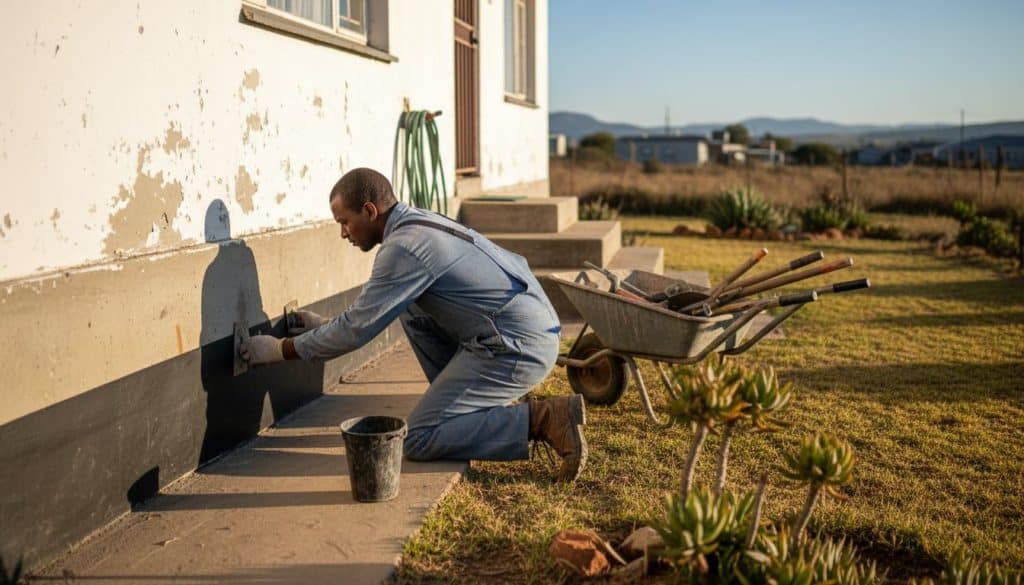
Every british homeowner dreads the discovery of a damp patch creeping across the basement wall. Studies show that unchecked moisture can decrease property value by up to 25 percent. Basement waterproofing is not just an extra step but a necessity for protecting your investment and ensuring your home remains healthy and structurally sound. This overview breaks down what modern waterproofing involves and what every british property owner needs to know to prevent long-term damage.
Table of Contents
- Understanding Basement Waterproofing Fundamentals
- Types of Basement Waterproofing Solutions
- How Damp and Water Ingress Occur
- Risks of Ignoring Basement Waterproofing Needs
- Selecting Reliable Waterproofing Contractors
Key Takeaways
| Point | Details |
|---|---|
| Importance of Basement Waterproofing | Effective waterproofing is crucial for maintaining structural integrity and preventing moisture-related damage in properties. |
| Types of Waterproofing Solutions | Solutions range from external methods like excavation and drainage systems to internal approaches, including sump pumps and sealing techniques. |
| Risks of Neglecting Waterproofing | Ignoring basement waterproofing can lead to severe structural damage, mould growth, and reduced property value, resulting in costly repairs. |
| Selecting the Right Contractors | Choose qualified waterproofing professionals with proven expertise, transparent communication, and a track record in effective moisture management. |
Understanding Basement Waterproofing Fundamentals
Basement waterproofing represents a critical protective strategy for preserving property structural integrity and preventing moisture-related damage. At its core, waterproofing involves implementing systematic approaches to prevent water intrusion and manage subterranean moisture levels. Soil mechanics and foundation design play fundamental roles in determining effective waterproofing methodologies.
The primary techniques for basement waterproofing include internal and external membrane systems, drainage solutions, and structural modifications. Cavity methods and sub-soil drainage are particularly crucial in managing groundwater interactions. Professionals typically assess soil composition, water table levels, and potential moisture ingress points to develop targeted interventions. Comprehensive strategies might involve installing sump pumps, applying waterproof membranes, creating proper gradient slopes, and implementing robust drainage systems.
Successful basement waterproofing requires understanding multiple interconnected factors. Geological conditions, local climate patterns, building design, and foundation characteristics all influence moisture management strategies. Proactive assessment and strategic interventions can prevent significant structural damage, mould growth, and potential property value depreciation. Homeowners should prioritise professional evaluation and tailored waterproofing solutions that address their specific environmental and structural contexts.
Types of Basement Waterproofing Solutions
Basement waterproofing encompasses multiple strategic approaches designed to protect properties from moisture penetration and structural damage. Tanking techniques represent one fundamental method where specialised membranes are applied to create an impermeable barrier preventing water infiltration. These solutions can be categorised into external and internal waterproofing strategies, each addressing unique moisture management challenges.
The primary waterproofing solutions include reinforced bitumen membranes (RBM) and liquid-applied membranes (LAM) which provide robust protection for below-ground structures. External waterproofing techniques typically involve excavating around the foundation, applying waterproof coatings, installing drainage systems, and creating proper slope gradients to direct water away from the building. These methods focus on preventing water from reaching the basement walls in the first instance.
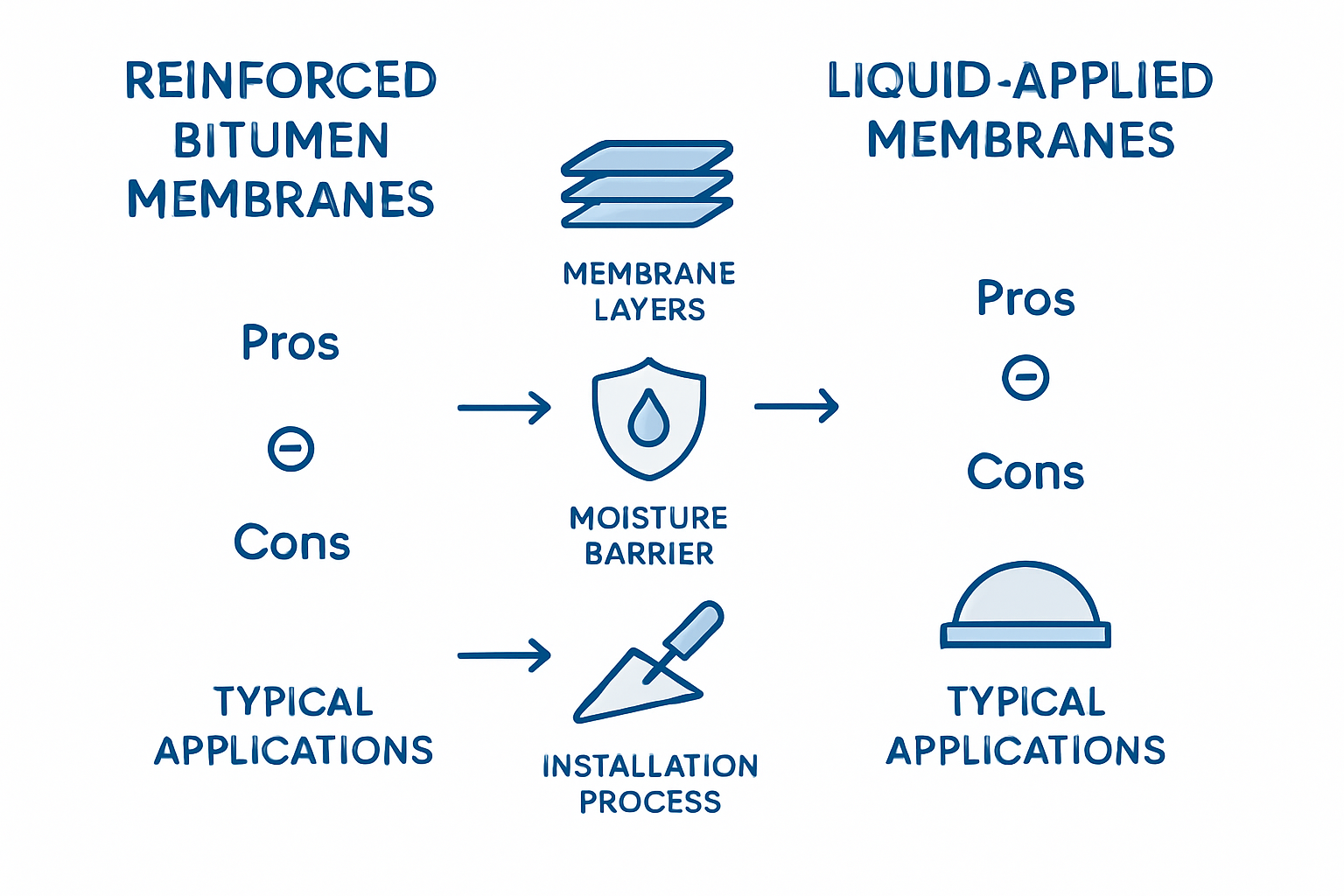
Internal waterproofing solutions complement external approaches by managing moisture that might penetrate the structure. These techniques include installing interior drainage systems, applying sealants to basement walls, using waterproof paint, and implementing sump pump mechanisms. Basement waterproofing solutions guide emphasises the importance of selecting context-specific interventions that address individual property characteristics such as soil composition, groundwater levels, and structural design. Professional assessment remains crucial in determining the most effective combination of waterproofing strategies to ensure comprehensive moisture protection.
How Damp and Water Ingress Occur
Dampness and water ingress in basements represent complex phenomena driven by multiple interconnected environmental and structural factors. Sub-soil drainage systems play a critical role in managing groundwater interactions, with inadequate drainage often serving as a primary catalyst for moisture penetration. Water can infiltrate basement spaces through various pathways, including foundation cracks, porous building materials, and hydrostatic pressure from surrounding soil.
Soil mechanics and foundation design significantly influence moisture migration potential. Different soil compositions possess varying water retention capabilities, with clay-rich soils typically exhibiting higher moisture absorption and slower drainage rates. Factors such as ground slope, rainfall intensity, water table levels, and underground water movement contribute to the complex dynamics of water ingress. Structural vulnerabilities like inadequate waterproofing membranes, compromised foundation seals, and unaddressed construction joints can create potential entry points for moisture.
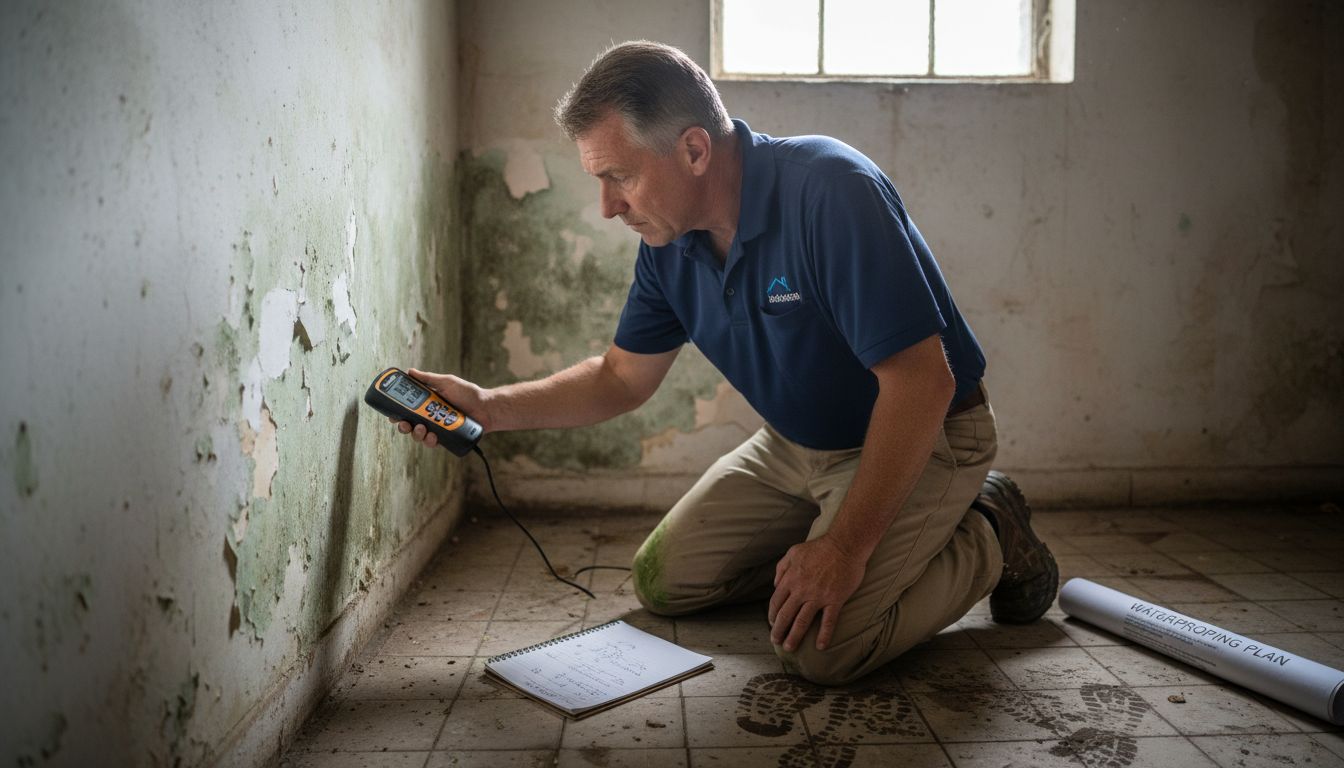
Understanding damp risks reveals that water ingress is not merely a surface-level problem but a multifaceted challenge requiring comprehensive diagnostic approaches. Seasonal variations, geological conditions, and localised environmental factors interact to create unique moisture penetration scenarios. Proper moisture management demands a holistic understanding of these intricate interactions, emphasising the importance of professional assessment and targeted waterproofing interventions tailored to specific property characteristics.
Risks of Ignoring Basement Waterproofing Needs
Structural damage from unaddressed moisture represents a significant long-term threat to property integrity. Unmitigated water infiltration can progressively compromise foundation strength, causing concrete deterioration, steel reinforcement corrosion, and structural instability. The seemingly minor moisture penetration can rapidly escalate into extensive damage, potentially requiring expensive and invasive repairs that far exceed the cost of proactive waterproofing interventions.
Long-term building material deterioration emerges as another critical consequence of neglected basement waterproofing. Persistent moisture creates an ideal environment for mould proliferation, wood rot, and material degradation. These conditions not only compromise structural elements but also pose significant health risks to occupants through potential respiratory irritants and allergen generation. The cumulative maintenance costs associated with addressing these progressive damages can be substantially higher than implementing preventative waterproofing strategies.
Understanding why basement waterproofing is crucial reveals the multifaceted risks beyond structural considerations. Uncontrolled moisture can dramatically reduce property value, create unsuitable living conditions, and lead to extensive electrical and mechanical system damage. Property owners risk substantial financial losses through decreased asset value, increased insurance premiums, and the potential need for comprehensive remediation efforts. Proactive waterproofing represents an essential investment in protecting both the physical structure and the long-term financial viability of the property.
Selecting Reliable Waterproofing Contractors
Contractor selection criteria are paramount in ensuring successful waterproofing projects. Professional contractors must demonstrate comprehensive technical expertise, relevant industry certifications, and proven track records of delivering high-quality waterproofing solutions. Homeowners should prioritise contractors with demonstrable experience in addressing complex moisture management challenges, verifiable references, and transparent communication about project methodologies, potential complications, and expected outcomes.
Technical competence requires more than surface-level credentials. Reliable waterproofing professionals should possess detailed understanding of project specifications and demonstrate ability to adapt interventions to specific property characteristics. Critical evaluation metrics include professional registration status, Construction Industry Development Board (CIDB) grading, comprehensive insurance coverage, and documented experience with similar residential or commercial waterproofing projects. Property owners must request comprehensive portfolios, verify professional qualifications, and conduct thorough background checks before engaging any waterproofing contractor.
How to select waterproofing contractors involves a strategic assessment of multiple performance indicators. Beyond technical skills, contractors should exhibit professional integrity, clear communication, realistic pricing structures, and comprehensive warranty provisions. Recommended due diligence includes requesting detailed written quotes, understanding proposed methodologies, verifying material quality, and confirming post-installation support mechanisms. Exceptional waterproofing contractors distinguish themselves through transparent processes, willingness to provide detailed explanations, and commitment to delivering long-term moisture management solutions tailored to individual property requirements.
Safeguard Your Basement Against Moisture Damage Today
Basement waterproofing is essential to protect your South African property from costly structural damage and persistent damp issues. This article highlights the risks of water ingress, deterioration, and mould growth caused by inadequate waterproofing. At Pro Waterproofing, we understand how critical it is to address these challenges with targeted solutions such as reinforced membranes, effective drainage systems, and expert contractor selection guidance.
Discover trusted expert advice and professional waterproofing services designed specifically for the unique soil and climate conditions in South Africa. Visit our Uncategorized – Pro Waterproofing category to learn more about proven basement protection strategies. Take action now to prevent irreversible damage and preserve your property’s value. Contact us today through Pro Waterproofing to get a tailored waterproofing assessment and secure your home’s future.
Frequently Asked Questions
What is basement waterproofing, and why is it important?
Basement waterproofing is a set of strategies implemented to prevent water intrusion and manage moisture levels, ensuring the structural integrity of properties and preventing moisture-related damage.
What are the primary methods used for basement waterproofing?
The primary methods include internal and external membrane systems, drainage solutions, tanking techniques, and structural modifications like installing sump pumps and creating proper drainage gradients.
How can I identify signs of moisture ingress in my basement?
Signs include damp walls, visible mould growth, musty odours, water stains, and condensation on surfaces. Regular inspections and understanding local climate patterns can help in early detection.
What risks are associated with not waterproofing a basement?
Ignoring basement waterproofing needs can lead to structural damage, long-term material deterioration, mould growth, reduced property value, and potential health risks to occupants. Addressing moisture issues proactively is crucial to avoid costly repairs.
Recommended
- Waterproof Basements Explained: Benefits for South Africa
- Understanding the Benefits of Basement Waterproofing
- Understanding Why Basement Waterproofing is Crucial
- Understanding Basement Waterproofing Explained – Pro Waterproofing
- Understanding the Effects of Water Contamination – My WordPress
- Complete Guide to Waterproof Shutters Benefits | Shutter World
- Understanding Why Waterproof Mattresses Matter for Comfort – Hazli Collection