

Leaking roofs and damp walls can quickly turn your dream home in Gauteng or the Western Cape into a costly headache. Keeping water out means choosing the right protective layer for your property’s unique climate and structure. Cold applied waterproofing membranes offer a safer and simpler answer compared to traditional options, forming a continuous protective barrier without the need for open flames or specialised tools.
Table of Contents
- Defining Cold Applied Waterproofing Membranes
- Types and Ideal Applications in South Africa
- Installation Process and Key Performance Features
- Comparing Alternatives and Typical Costs
- Common Mistakes and How to Avoid Them
Key Takeaways
| Point | Details |
|---|---|
| Cold Applied Membranes | These membranes cure at room temperature, providing a safer and simpler waterproofing solution for residential properties without specialised equipment. |
| Types of Membranes | Selection between single-component and multi-component systems is crucial, as each type offers distinct advantages for specific applications. |
| Performance in Climate | Cold applied membranes must withstand unique South African climate challenges, including UV exposure and chemical resistance, requiring careful product selection. |
| Installation Best Practices | Proper surface preparation and adherence to cure time specifications are vital to ensure the effectiveness and longevity of the waterproofing solution. |
Defining Cold Applied Waterproofing Membranes
Cold applied waterproofing membranes are liquid or paste-based coatings that cure at room temperature without requiring heat, flame, or special equipment. They create a protective barrier over concrete, masonry, and other building surfaces to prevent water infiltration and structural damage.
Unlike traditional hot-applied membranes that need heating or torch application, cold applied solutions offer a safer, more convenient approach for South African homeowners. They’re particularly useful in residential settings where safety and ease of installation matter.
What Makes Cold Applied Membranes Different
Cold applied membranes cure through chemical reaction or solvent evaporation rather than heat application. This fundamental difference affects how they perform and where you can use them effectively.
The key advantage is simplicity. You don’t need specialised equipment, open flames, or heating apparatus to apply them. This makes them ideal for retrofit work on existing structures and properties where safety concerns arise.
They bond directly to damp surfaces in many cases, which traditional hot-applied membranes cannot do. This flexibility makes them suited to challenging renovation projects across Gauteng and the Western Cape.
Core Characteristics of Cold Applied Systems
These membranes share several defining features:
- Single-component or multi-component formulations that mix on-site or come pre-mixed
- Flexible polymer matrices that accommodate structural movement and thermal expansion
- High adhesion capability to concrete and masonry substrates without primer in some formulations
- Breathability options allowing moisture vapour transmission where necessary
- Seamless application creating continuous protective barriers without joints
Cold applied membranes cure at room temperature, making them safer and more practical for residential properties without special equipment or expertise.
Performance Requirements for South African Climate
According to flexible waterproof membranes standards, South African waterproofing systems must prevent steel corrosion and concrete deterioration through sustained protection against moisture.
Cold applied membranes must withstand:
- Intense UV exposure from South African sun
- Thermal cycling that causes expansion and contraction
- Standing water and hydrostatic pressure from heavy rainfall
- Chemical exposure from salts and atmospheric pollutants
Proper selection means choosing formulations that address membrane protection principles specific to your local climate conditions and structural challenges.
Application Scenarios for Cold Applied Solutions
These membranes work best for:
- Damp-proof courses on walls and foundations
- Balcony and deck waterproofing
- Basement sealing and water tank protection
- Roof terrace and garden area coverage
- Wet room and bathroom applications
They excel in situations where traditional methods prove impractical or dangerous.
Pro tip: Before purchasing cold applied membranes, verify the product meets South African building standards and check compatibility with your existing substrate through a small test patch application.
Types and Ideal Applications in South Africa
Cold applied waterproofing membranes come in several distinct types, each suited to specific applications across South African properties. Understanding which type works best for your situation prevents costly mistakes and ensures lasting protection against our harsh climate.
The primary distinction lies between single-component and multi-component systems. Single-component membranes arrive ready-mixed and cure through moisture or solvent evaporation, making them straightforward for homeowners. Multi-component systems require on-site mixing but often provide superior performance and flexibility.
Acrylic-Based Cold Applied Membranes
Acrylic membranes are water-based, environmentally friendly solutions that cure as water evaporates. They’re the most common choice for residential properties in Gauteng and the Western Cape.
These work exceptionally well for:
- Roof terrace waterproofing
- Balcony protection
- Wall dampproofing courses
- Garden area sealing
Acrylic systems breathe naturally, allowing trapped moisture to escape without degrading the membrane. This breathability prevents blistering on surfaces exposed to direct sunlight.
The following table compares the main types of cold applied waterproofing membranes used in South Africa and their suitability for various applications:
| Membrane Type | Typical Uses | Climate Suitability | Distinct Strengths |
|---|---|---|---|
| Acrylic-Based | Roofs, balconies, walls | Inland, sun-exposed areas | Breathable, eco-friendly |
| Polyurethane-Based | Basements, wet rooms, tanks | All regions, foundation movement | Superior adhesion, chemical resistance |
| Bituminous Emulsion | Foundations, concrete roofs | Coastal, ground-level | Cost-effective, robust weatherproofing |
Polyurethane-Based Systems
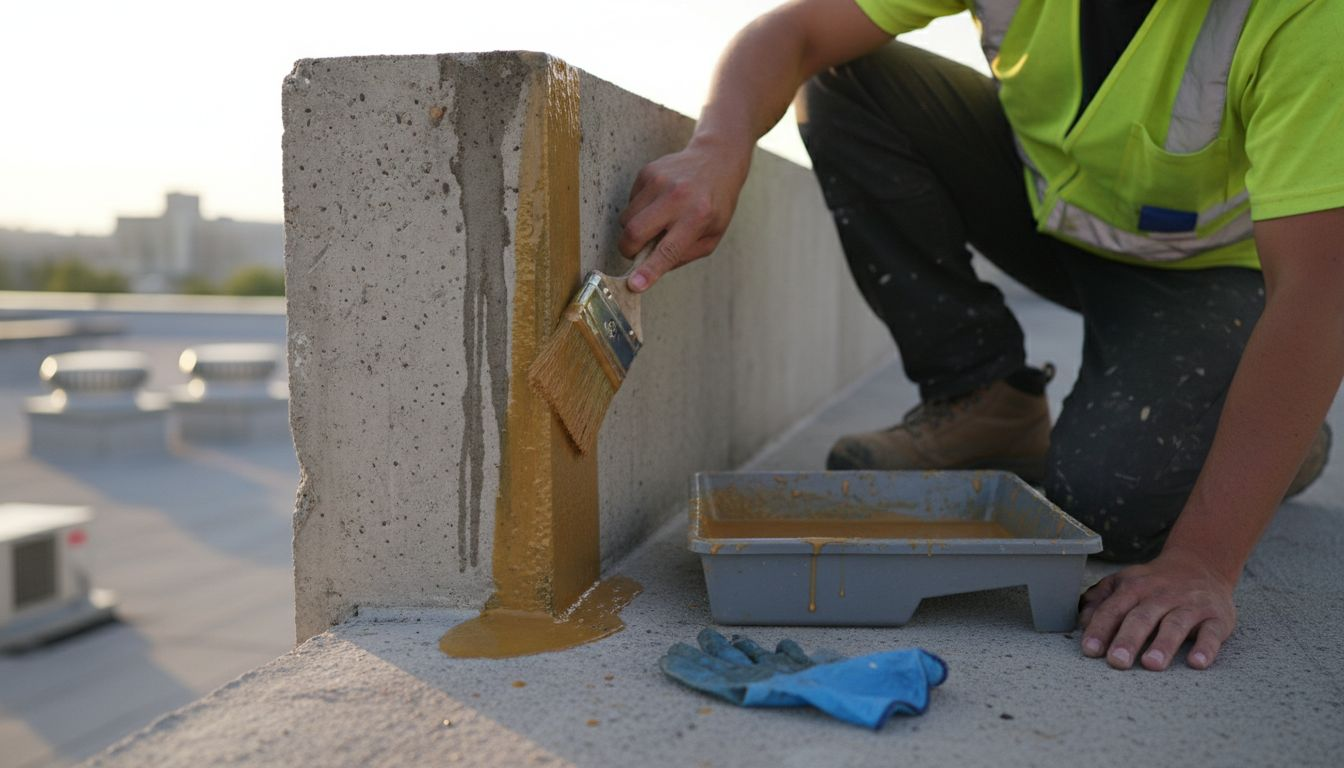
Polyurethane membranes provide superior flexibility and adhesion, particularly useful where structural movement occurs. They bond strongly to damp concrete, which other systems struggle with.
Choose polyurethane for:
- Basement waterproofing with active water seepage
- Wet room and bathroom applications
- Water tank protection
- Structures near trees causing foundation movement
These membranes cure through chemical reaction and develop a tough, durable skin that resists chemical attack and UV exposure.
Bituminous Emulsion Membranes
Bituminous cold applied options offer cost-effectiveness and proven performance. They’re particularly suited to infrastructure and ground-level applications where durability matters most.
South African roof waterproofing specifications outline these systems for flat concrete roofs, where they provide excellent adhesion and weather resistance.
Cold applied membranes should match your property’s specific moisture exposure level and structural characteristics for optimal long-term performance.
Selecting by Application and Climate Zone
Your location within South Africa affects membrane selection significantly. Coastal areas need superior salt resistance, while inland regions prioritise UV durability.
Matching application types to membrane types:
- High moisture areas (basements, bathrooms): polyurethane or bituminous
- Sun-exposed surfaces (roofs, terraces): acrylic or premium polyurethane
- Structural movement areas: flexible polyurethane systems
- Budget-conscious projects: bituminous emulsions
When considering liquid waterproofing benefits for South African homes, evaluate moisture exposure and traffic patterns together.
Pro tip: Match your membrane type to the highest moisture exposure area on your property, not the easiest installation location, to ensure consistent protection across all vulnerable zones.
Installation Process and Key Performance Features
Proper installation determines whether cold applied membranes deliver lasting protection or fail prematurely. The process requires attention to surface conditions, application technique, and environmental factors during curing.
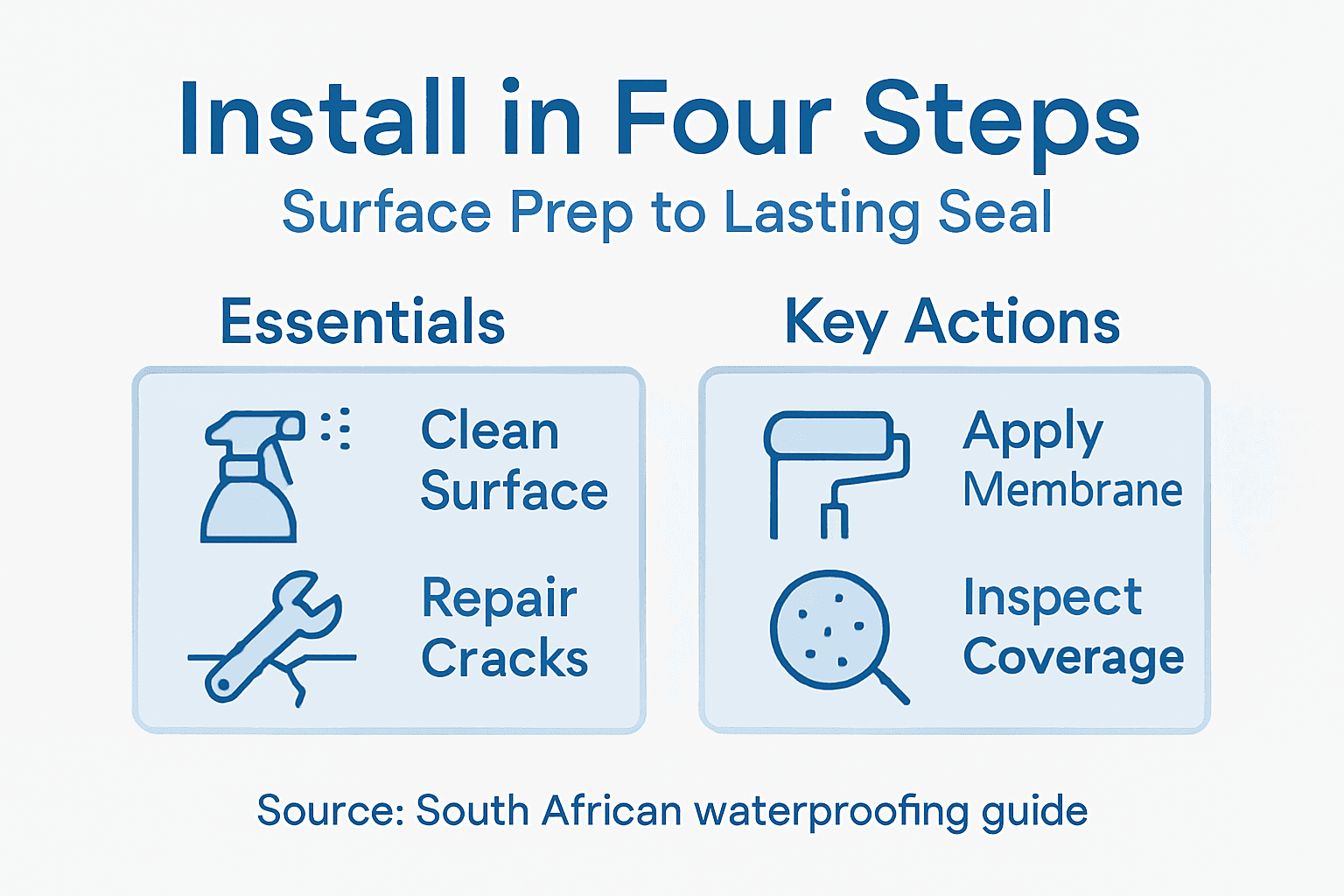
Success starts before you apply a single drop of membrane. Surface preparation is genuinely the most critical phase of any waterproofing project.
Surface Preparation: The Foundation of Success
Your substrate must be clean, dry, and properly primed for optimal adhesion. Dirt, dust, loose paint, and algae prevent membranes from bonding effectively.
Prepare surfaces by:
- Pressure washing to remove all loose material and contamination
- Allowing 48 hours minimum drying time before application
- Filling cracks and holes with appropriate repair mortar
- Applying primer if the substrate is highly absorbent
- Ensuring surface temperature stays between 5°C and 40°C during application
Damp substrates sometimes tolerate cold applied polyurethane systems, but acrylic membranes require relatively dry surfaces. Check manufacturer specifications for your chosen product.
Here’s a summary of critical installation factors that impact cold applied membrane performance in South African conditions:
| Factor | Impact on Performance | Mitigation Strategy |
|---|---|---|
| Surface Cleanliness | Influences adhesion quality | Pressure wash, thorough drying |
| Application Thickness | Affects water resistance | Use consistent, measured coats |
| Cure Time | Determines lasting protection | Protect from rain, follow specifications |
| Weather Conditions | Alters curing and bonding | Schedule during dry, mild weather |
Application Techniques
Cold applied membranes are applied using rollers, brushes, or spray equipment depending on membrane type and project scale. Application thickness matters significantly for performance.
Typical application involves:
- Stirring thoroughly to ensure uniform consistency
- Applying first coat in thin, even passes
- Waiting for designated recoat time before second coat
- Maintaining consistent thickness across all areas
- Allowing full cure time before exposing to water
Key waterproofing installation procedures specify application conditions essential for South African climates, particularly regarding temperature and humidity during curing phases.
Critical Performance Features
Once cured, quality cold applied membranes deliver specific performance characteristics. Understanding these features helps you assess whether installation succeeded.
Key performance indicators include:
- Adhesion strength to the substrate without peeling or blistering
- Flexibility that accommodates thermal expansion without cracking
- Water vapour permeability suited to your application type
- UV resistance preventing degradation under South African sun
- Chemical resistance to salt spray, pollution, and cleaning products
Proper curing time is non-negotiable. Exposing membranes to water before full cure destroys adhesion and undermines protection.
Temperature and humidity during application dramatically affect cure rates. Cold weather slows curing significantly, whilst excessive heat can accelerate it unpredictably. Most membranes require 7 to 14 days of cure time before full water exposure.
Rainfall during cure poses genuine risk. Plan installation during dry weather forecasts and protect freshly applied membranes from rain using temporary coverings if necessary.
Pro tip: Apply a test patch on an inconspicuous area first, then monitor its curing and performance before committing to your entire project, ensuring the product performs as expected in your specific microclimate.
Comparing Alternatives and Typical Costs
Cold applied membranes sit within a broader waterproofing landscape offering various solutions at different price points. Understanding the alternatives helps you make informed decisions based on your budget, timeline, and specific protection needs.
The cheapest option isn’t always the best value. Investing slightly more upfront often prevents expensive repairs caused by inadequate protection.
Cold Applied Membranes vs Hot-Applied Systems
Hot-applied bitumen membranes cost less per square metre but require specialised equipment and skilled installers. Cold applied systems cost more initially but offer safety advantages and faster application.
Comparing the two:
- Cold applied: Higher material cost, lower labour risk, faster installation, no heat equipment needed
- Hot-applied: Lower material cost, safety hazards from flames, slower installation, requires specialist contractors
For residential properties in Gauteng and the Western Cape, cold applied typically proves more practical despite slightly higher upfront costs.
Comparing Against Other Waterproofing Methods
Sheet membranes offer an alternative to liquid systems. These pre-manufactured rubber or plastic sheets overlap and seal at joints using adhesive or heat.
Sheet membrane advantages include:
- Predictable thickness and consistent performance
- Faster installation on large, flat areas
- Reduced curing time before water exposure
Their disadvantages are significant around complex shapes, corners, and penetrations where cold applied liquids shine.
Understanding Material Costs
Material pricing varies considerably based on formulation and membrane type. Acrylic systems typically cost less than polyurethane equivalents, though polyurethane delivers superior performance in high-moisture applications.
According to professional engineering project cost guidelines, waterproofing costs vary by application complexity, substrate condition, and geographic location across South Africa.
Typical pricing breakdowns include:
- Surface preparation: 20-30% of total project cost
- Material supply: 30-40% of total project cost
- Application labour: 30-50% of total project cost
- Contingency and testing: 10-15% of total project cost
The cheapest membrane rarely provides the best long-term protection. Investing in quality materials reduces replacement costs over property lifetime.
Labour costs differ significantly between provinces. Coastal cities typically charge higher rates than inland regions. Emergency or rush projects attract premium pricing.
Hidden Costs to Budget For
Many homeowners underestimate full project costs by overlooking preparation expenses. Removing old membranes, repairing damaged substrates, and addressing underlying moisture problems add substantially to final bills.
Often overlooked expenses:
- Surface repairs and concrete restoration
- Primer application on absorbent substrates
- Temporary weather protection during cure
- Specialist equipment rental for difficult areas
- Quality assurance testing and inspections
A detailed quote should itemise all these elements separately so you understand what you’re paying for.
Pro tip: Request itemised quotes from multiple contractors specifying materials, surface preparation scope, and labour separately, then compare similar specifications rather than just final figures.
Common Mistakes and How to Avoid Them
Waterproofing failures rarely occur by accident. Most problems stem from preventable mistakes during planning, preparation, or installation. Learning what goes wrong helps you avoid costly repairs and premature membrane failure.
The good news is that most common mistakes are straightforward to prevent with proper planning and attention to detail.
Inadequate Surface Preparation
This single mistake causes more waterproofing failures than all others combined. Rushing through preparation to save time or money guarantees problems later.
Surfaces with dirt, loose paint, algae, or efflorescence prevent proper adhesion. Membranes bond poorly to contaminated substrates, leading to peeling and water infiltration within months.
Avoid this by:
- Pressure washing at least two weeks before application
- Allowing full drying time (typically 48 hours minimum)
- Repairing all cracks and holes before membrane application
- Testing substrate moisture levels with appropriate meters
- Removing old failed membranes completely
Common waterproofing mistakes homeowners make include overlooking preparation as a distinct project phase rather than rushing it as preliminary work.
Ignoring Curing Time Requirements
Applying second coats too quickly or exposing membranes to water before cure destroys adhesion. Each membrane type has specific cure requirements that vary with temperature and humidity.
Temperature extremes slow curing dramatically. Cold conditions can double or triple cure times, whilst heat accelerates it unpredictably.
Protect yourself by:
- Reading manufacturer cure time specifications carefully
- Adding 50% extra time during cold or damp weather
- Protecting membranes from rain using temporary coverings
- Waiting full cure time before exposing to water pressure
- Documenting application date and expected cure completion
Rushing cure times is the fastest way to guarantee waterproofing failure. Patience during curing prevents expensive problems later.
Choosing the Wrong Membrane Type
Applying acrylic membranes in high-moisture basements or polyurethane on non-damp surfaces wastes money and undermines performance. Membrane selection must match your specific application and moisture exposure level.
Common selection errors include:
- Using cheapest option without matching application requirements
- Applying breathable membranes where moisture must be blocked
- Selecting non-flexible systems in areas with structural movement
- Ignoring UV exposure on sun-facing surfaces
Safety and Compliance Oversights
Proper handling procedures for waterproofing materials require careful attention to chemical safety and installation conditions. Many cold applied membranes contain volatile organic compounds requiring ventilation and protective equipment.
Neglecting safety causes:
- Respiratory issues from solvent vapours
- Skin irritation or chemical burns
- Environmental contamination
- Non-compliance with building regulations
Always:
- Use appropriate respiratory protection during application
- Ensure adequate ventilation in enclosed spaces
- Follow all manufacturer safety instructions
- Dispose of containers responsibly
- Document all safety measures taken
Poor Quality Control During Application
Inconsistent application thickness or coverage gaps create weak points where water penetrates. Quality control requires checking work methodically as application progresses.
Common application errors include uneven coat thickness, missed corners, and insufficient overlap at seams. These issues often only become apparent during water exposure when damage occurs.
Pro tip: Have a second person inspect work as application progresses, marking any thin areas or coverage gaps before they cure, allowing immediate correction before moving to the next coat.
Ensure Durable Waterproofing with Expert Cold Applied Solutions
Protecting your South African home against water damage starts with choosing the right waterproofing method. The challenges of intense UV exposure, thermal cycling, and heavy rainfall demand cold applied membranes that deliver strong adhesion, flexibility, and chemical resistance — features critical to preventing costly repairs. Whether you are facing damp walls, basement seepage, or sun-exposed roof terraces, understanding and selecting the correct membrane type is essential for lasting protection.
Take control of your property’s waterproofing needs today with professional guidance from Pro Waterproofing. Our expert team specialises in tailored waterproofing solutions that match your building’s unique climate challenges and structural requirements. Don’t risk premature membrane failure due to improper installation or product choice. Visit Pro Waterproofing now to request a detailed quote, learn more about the latest waterproofing technologies, and connect with trusted contractors who prioritise quality, safety and lasting results.
Frequently Asked Questions
What are cold applied waterproofing membranes?
Cold applied waterproofing membranes are liquid or paste-based coatings that cure at room temperature. They create a protective barrier over various building surfaces to prevent water infiltration and structural damage.
How do cold applied membranes differ from hot applied systems?
Cold applied membranes do not require heat or special equipment for installation, making them safer and easier to use. In contrast, hot applied systems need heating or torch application, which can pose safety risks.
What are the key characteristics of cold applied waterproofing membranes?
Cold applied membranes often feature single-component or multi-component formulations, flexible polymer matrices, high adhesion capability, breathability options, and seamless application creating continuous barriers without joints.
What factors should I consider when selecting a cold applied membrane?
When selecting a cold applied membrane, consider the application area, such as damp-proofing, balcony waterproofing, or basement sealing, as well as local climate conditions, moisture exposure levels, and structural movement. Each type of membrane has specific strengths suited to different scenarios.