
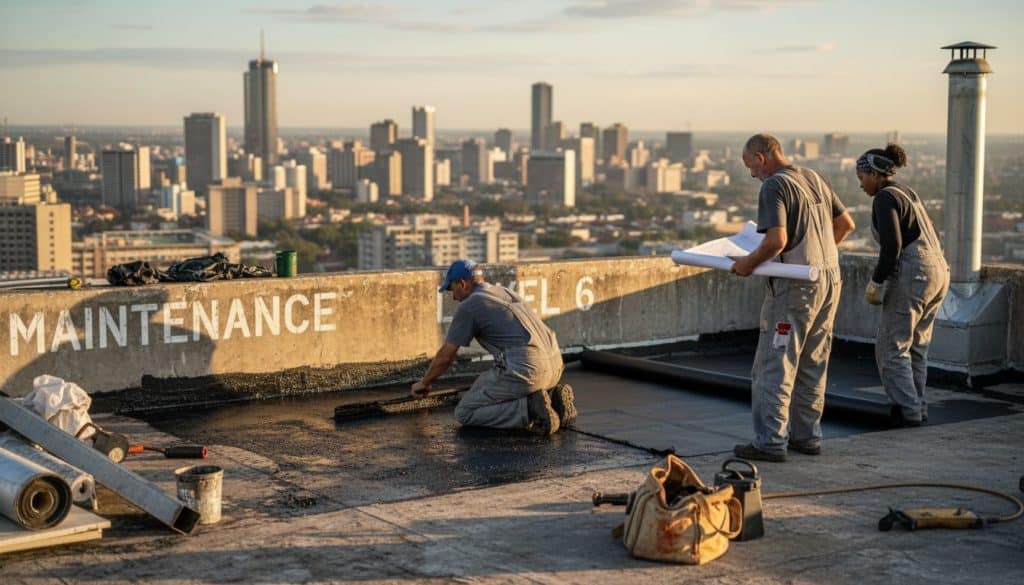
Over 60 percent of property losses in british commercial buildings can be traced back to water intrusion issues. Protecting valuable assets from moisture damage has never been more urgent, especially as modern structures grow increasingly complex and costly. This guide cuts through the confusion and explores the key facts every property owner and manager needs to know about commercial waterproofing, revealing practical strategies for long-term protection and building resilience.
Table of Contents
- What Is Commercial Waterproofing? Core Concepts
- Key Types Of Commercial Waterproofing Systems
- How Commercial Waterproofing Works In Practice
- Major Benefits For South African Buildings
- Costs, Risks And Common Mistakes To Avoid
Key Takeaways
| Point | Details |
|---|---|
| Commercial Waterproofing Importance | Protects commercial properties from water damage and maintains structural integrity. |
| Diverse Techniques Available | Methods include liquid-applied membranes, sheet systems, and crystalline treatments tailored to specific needs. |
| Financial Considerations | Initial costs typically range from 2% to 5% of total building expenses, with potential long-term savings. |
| Risk of Poor Implementation | Inadequate waterproofing can lead to structural failure and financial loss, emphasising the need for professional assessments. |
What Is Commercial Waterproofing? Core Concepts
Commercial waterproofing represents a specialised protective strategy designed to shield commercial buildings from water damage, moisture infiltration, and structural degradation. Unlike residential waterproofing, commercial applications demand more comprehensive and robust solutions due to the complex architectural designs and substantial financial investments involved. Understanding commercial waterproofing methods requires recognising the unique challenges that different commercial structures present.
At its core, commercial waterproofing encompasses a range of technical interventions aimed at preventing water penetration through building surfaces such as roofs, foundations, walls, and underground spaces. These interventions include specialised membrane applications, sealant treatments, drainage system installations, and structural reinforcement techniques. The primary objectives are to maintain structural integrity, prevent moisture-related deterioration, protect interior spaces, and ultimately preserve the building’s long-term value and functionality.
The key techniques in commercial waterproofing vary depending on the specific property type and environmental conditions. Typical approaches include liquid-applied membranes, sheet membrane systems, crystalline waterproofing treatments, and advanced polymer-based solutions. Each method offers distinct advantages: liquid membranes provide seamless coverage, sheet membranes deliver robust protection, and crystalline treatments create permanent water-resistant molecular structures within concrete substrates. Commercial waterproofing solutions represent a critical investment in preventing potential water-related structural damage that could compromise entire commercial operations.
Successful commercial waterproofing demands a comprehensive assessment of multiple factors including building design, local climate conditions, soil composition, water table levels, and potential stress points. Professional waterproofing specialists conduct thorough evaluations to design customised protection strategies that address each building’s unique vulnerabilities. By implementing strategic waterproofing interventions, property owners can mitigate risks of structural damage, mould growth, corrosion, and potential operational disruptions caused by water infiltration.
Key Types Of Commercial Waterproofing Systems
Commercial waterproofing systems encompass diverse approaches tailored to specific structural requirements and environmental challenges. Waterproofing systems in South Africa demonstrate the complexity of protecting commercial properties against moisture intrusion. The primary categories include sheet membrane systems, liquid-applied membranes, spray-on applications, and crystalline waterproofing technologies, each offering unique advantages for different architectural contexts.
Sheet membrane systems represent a robust waterproofing solution frequently utilised in underground structures, foundations, and horizontal surfaces. These pre-fabricated membranes are manufactured from materials like bituminous compounds, synthetic rubber, or polyvinyl chloride (PVC), providing seamless barriers against water penetration. The installation process involves carefully applying these membranes to create a continuous protective layer that prevents moisture migration through critical building components.
Liquid-applied membranes offer remarkable flexibility for complex architectural surfaces, enabling comprehensive coverage of irregular geometries and intricate structural details. These polymer-based systems are sprayed or rolled directly onto surfaces, creating a fully bonded, seamless waterproofing membrane. Essential waterproofing membrane types highlight the versatility of these advanced technological solutions, which can adapt to various substrate materials and environmental conditions.
Crystalline waterproofing represents an innovative approach that transforms concrete’s molecular structure, creating permanent water-resistant capabilities. By introducing specialised chemical compounds into concrete mixtures, this technique enables structures to self-seal microscopic capillaries and potential water entry points. Professional waterproofing specialists carefully select and integrate these systems based on comprehensive assessments of building design, anticipated moisture exposure, and long-term performance requirements. The strategic selection of waterproofing systems ensures comprehensive protection against potential structural degradation and moisture-related complications in commercial properties.
How Commercial Waterproofing Works In Practice
Commercial waterproofing involves a systematic, multi-stage approach that begins with comprehensive site assessment and diagnostic evaluation. Commercial waterproofing step-by-step processes reveal the intricate methodology professional contractors employ to ensure robust moisture protection. The initial phase requires detailed structural analysis, identifying potential water infiltration points, assessing substrate conditions, and understanding the specific environmental challenges facing the commercial property.
The diagnostic stage involves advanced technological interventions such as moisture mapping, thermal imaging, and non-destructive testing techniques. Waterproofing specialists conduct comprehensive surface evaluations, measuring substrate moisture content, examining existing protective layers, and identifying potential structural vulnerabilities. These precision assessments enable targeted intervention strategies that address specific moisture penetration risks, ensuring a tailored approach for each unique commercial infrastructure.
Surface preparation represents a critical component of practical waterproofing implementation. Understanding the waterproofing application process highlights the meticulous cleaning, repairing, and priming procedures essential for optimal membrane adhesion. Contractors must remove contaminants, repair structural cracks, level uneven surfaces, and create an ideal substrate environment that maximises the effectiveness of waterproofing interventions.
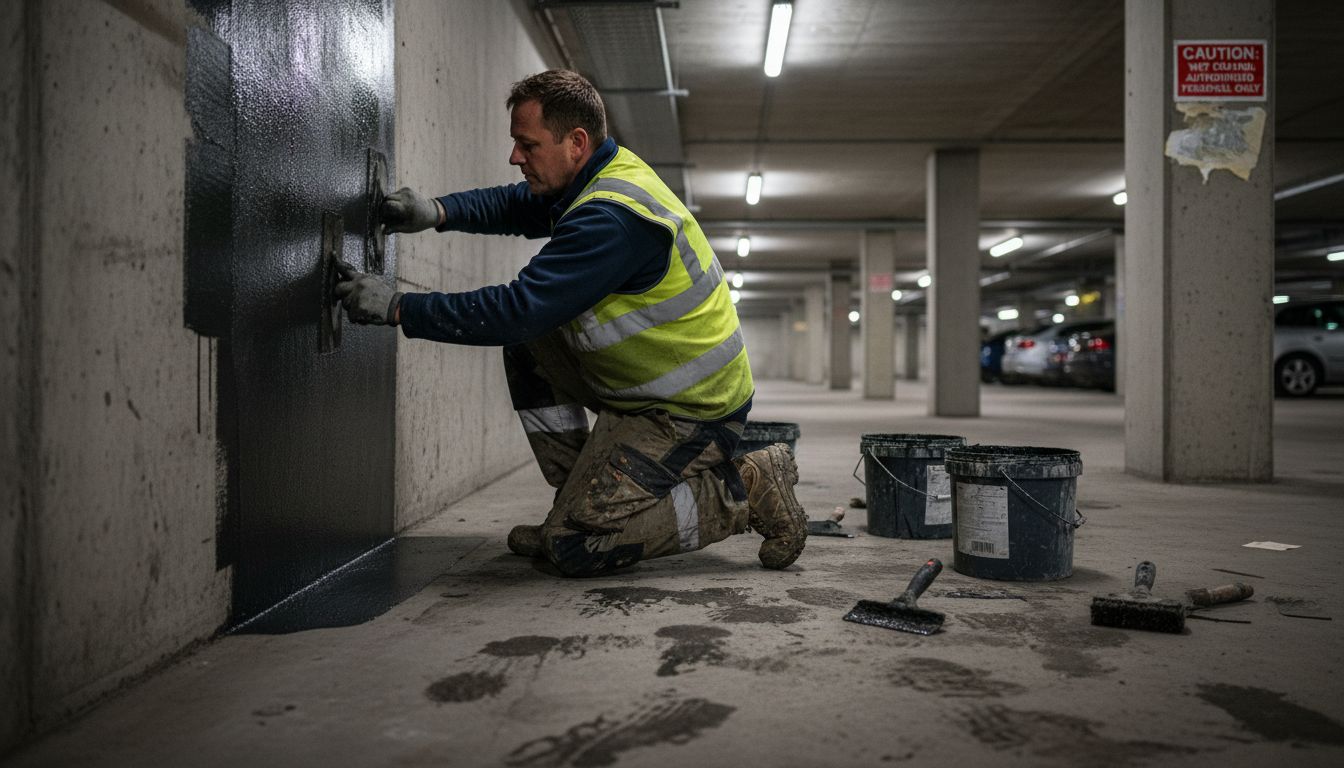
The final implementation phase involves systematic application of selected waterproofing technologies, which may include liquid membranes, sheet systems, or crystalline treatments. Professional teams carefully monitor environmental conditions, substrate temperatures, and application techniques to ensure complete coverage and long-term performance. Precise application methods, combined with quality control measures and post-installation inspections, guarantee comprehensive moisture protection for commercial properties, ultimately safeguarding significant financial investments against potential water-related structural degradation.
Major Benefits For South African Buildings
Commercial waterproofing delivers critical protective advantages specifically tailored to South Africa’s diverse and challenging environmental conditions. The importance of waterproofing in South Africa highlights the unique architectural vulnerabilities faced by properties across different regional landscapes. Buildings in coastal regions, mountainous areas, and urban centres experience distinct moisture challenges that demand sophisticated waterproofing interventions to maintain structural integrity and long-term value.
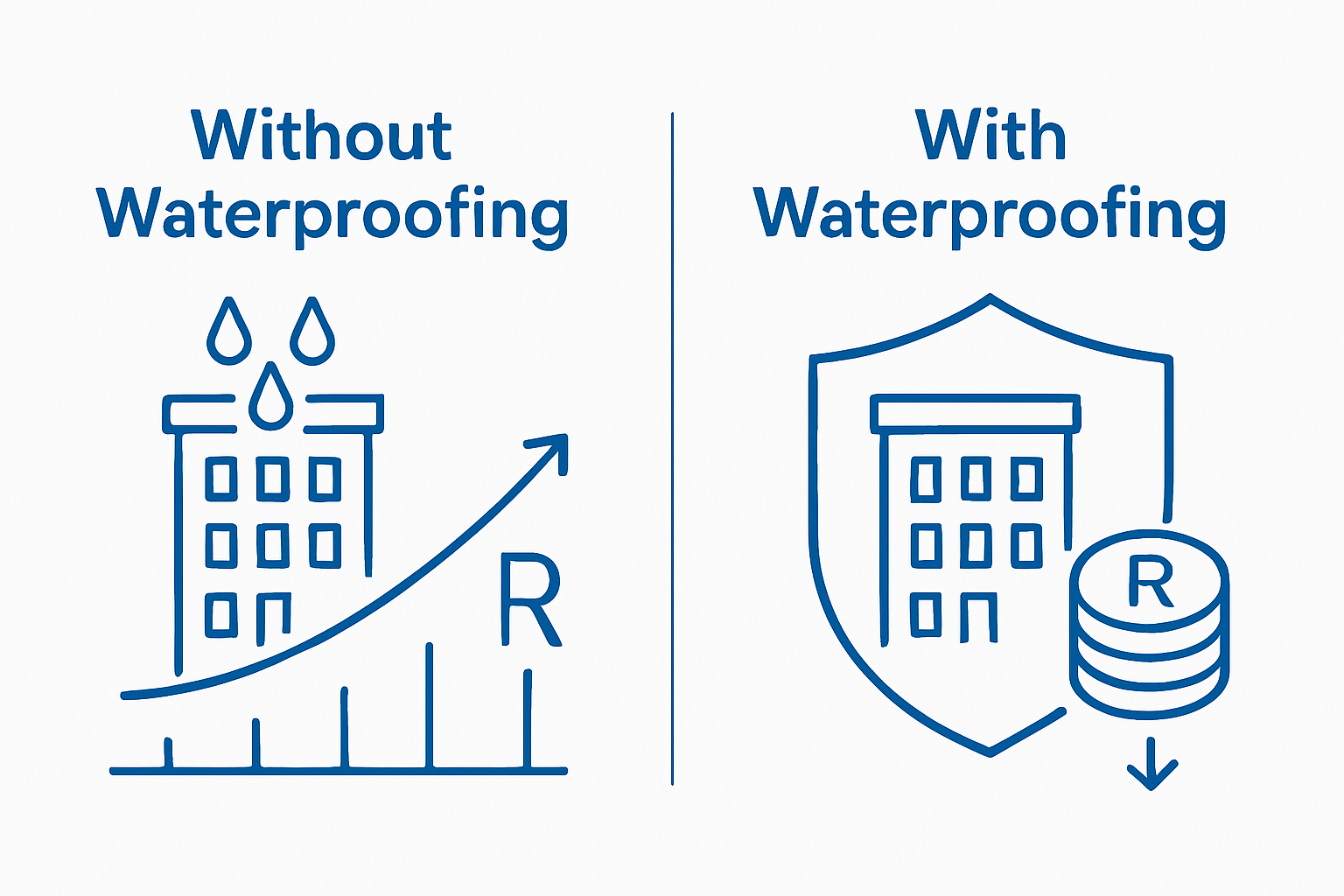
Economic benefits represent a significant motivation for comprehensive waterproofing strategies. By preventing moisture-related structural damage, commercial properties can avoid substantial repair costs, potential operational disruptions, and premature infrastructure degradation. Waterproofing solution benefits demonstrate how strategic moisture protection can extend building lifespans, reduce maintenance expenses, and preserve critical investment value across commercial and industrial infrastructure.
Structural protection emerges as a paramount advantage of professional waterproofing implementations. The technical interventions prevent progressive concrete deterioration, steel reinforcement corrosion, and foundation weakening caused by persistent moisture infiltration. These protective measures are particularly crucial in South African environments characterized by significant temperature variations, periodic heavy rainfall, and regions with complex geological compositions that accelerate potential structural vulnerabilities.
Additionally, waterproofing solutions contribute substantially to indoor environmental quality by preventing mould growth, mitigating health risks, and maintaining optimal building performance. Professional waterproofing coating applications create comprehensive barriers that protect not only the physical infrastructure but also safeguard occupational health standards. By implementing advanced waterproofing technologies, South African commercial properties can achieve enhanced durability, improved energy efficiency, and long-term resilience against environmental challenges.
Costs, Risks And Common Mistakes To Avoid
Commercial waterproofing involves substantial financial considerations that require meticulous strategic planning and comprehensive risk assessment. Waterproofing solution benefits reveal that initial investment costs can range between 2% to 5% of total building infrastructure expenses, with long-term savings potentially offsetting these upfront expenditures through reduced maintenance and structural preservation. Property owners must carefully evaluate multiple factors including material selections, application complexity, and potential future maintenance requirements.
Cost estimation demands consideration of several critical variables. Typical commercial waterproofing projects involve expenses related to surface preparation, material procurement, professional labour, specialised equipment usage, and potential structural remediation. Common pricing factors include building surface area, substrate condition, selected waterproofing technology, accessibility of application zones, and regional labour rates. Smaller projects might range from R50,000 to R150,000, while comprehensive industrial waterproofing interventions could escalate to R500,000 or higher depending on structural complexity.
Significant risks emerge from inadequate waterproofing implementations, particularly in South Africa’s diverse climatic environments. The importance of waterproofing in South Africa emphasises potential consequences of substandard moisture protection. Critical mistakes include improper surface preparation, selecting inappropriate membrane technologies, neglecting substrate moisture content assessment, and failing to conduct comprehensive post-installation inspections. These errors can precipitate catastrophic structural failures, accelerated material degradation, and substantial financial losses.
Professional waterproofing coating applications recommend systematic risk mitigation strategies to prevent costly complications. Property managers should prioritise engaging certified waterproofing specialists, conducting thorough pre-installation diagnostic assessments, selecting high-quality materials compatible with specific environmental conditions, and implementing rigorous quality control protocols. Comprehensive warranties, professional certification, and detailed project documentation represent additional safeguards against potential future performance challenges in commercial waterproofing interventions.
Secure Your Commercial Property with Expert Waterproofing Solutions
Are you concerned about water damage compromising your South African commercial building? The challenges of moisture infiltration, structural deterioration, and mould growth demand proven waterproofing systems tailored specifically for complex commercial structures. At Pro Waterproofing, we understand the critical need for professional surface preparation, advanced membrane technologies, and comprehensive risk assessment to protect your valuable investment.
Explore our expert services in the Uncategorized – Pro Waterproofing section and gain peace of mind with industry-leading solutions. Do not wait until costly repairs become inevitable. Visit Pro Waterproofing now to request a personalised assessment and secure your property with durable, certified waterproofing systems designed for South African conditions.
Frequently Asked Questions
What is commercial waterproofing?
Commercial waterproofing is a specialised protective strategy designed to shield commercial buildings from water damage, moisture infiltration, and structural degradation through various methods such as membrane applications, sealants, and drainage systems.
What are the key types of commercial waterproofing systems?
The main types of commercial waterproofing systems include sheet membrane systems, liquid-applied membranes, spray-on applications, and crystalline waterproofing technologies, each tailored for specific structural and environmental needs.
How does the process of commercial waterproofing work?
The process involves a systematic approach, starting with site assessment and diagnostics to identify potential water infiltration points, followed by surface preparation and the application of selected waterproofing technologies to ensure robust moisture protection.
What are the benefits of commercial waterproofing for buildings?
The benefits include enhanced structural protection against moisture-related damage, improved indoor air quality by reducing mould growth, economic savings through maintenance cost reductions, and increased overall building longevity.
Recommended
- Understanding the Importance of Waterproofing in South Africa – Pro Waterproofing
- What Is Liquid Waterproofing and How It Protects Properties
- Role of Waterproofing Coatings – Protecting South African Property
- Benefits of Waterproofing Solutions: Everything You Need to Know
- Understanding the Effects of Water Contamination – My WordPress
- 7 Essential Civil Engineering Services List for Property Owners – FloridaLicensedEngineers.com
- When to Call an Engineer in Texas – Protect Your Property – Texas Licensed Engineers | Residential & Commercial