
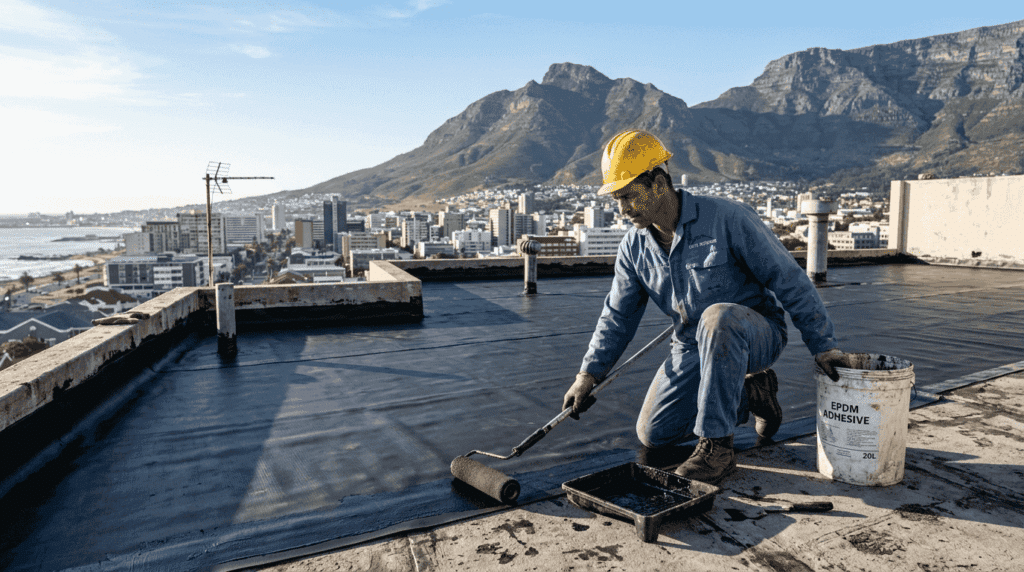
Most property owners assume all waterproofing systems perform equally, yet research shows EPDM membranes offer a 50-year life expectancy whilst cheaper alternatives fail within a decade. Choosing the right waterproofing method is critical to protecting properties in South Africa’s diverse climates, from coastal salt exposure to extreme temperature fluctuations. This expert comparison examines top waterproofing methods, evaluates their durability and suitability for local conditions, and provides actionable guidance to help you make informed decisions that safeguard your investment for decades.
Table of Contents
- Understanding Waterproofing Requirements For South African Properties
- Comparing Popular Waterproofing Methods: EPDM Membranes And Alternatives
- Environmental Challenges And Specialised Waterproofing Solutions In South Africa
- Applying The Right Waterproofing Method: Best Practices And Considerations
- Why Choose Pro Waterproofing For Expert Waterproofing Solutions
- Frequently Asked Questions
Key takeaways
| Point | Details |
|---|---|
| Waterproofing performance varies | Systems differ significantly in durability, flexibility, and resistance to environmental factors like UV exposure and structural movement. |
| EPDM membranes excel | These membranes provide exceptional lifespan and flexibility, making them ideal for balconies and flat roofs in South African conditions. |
| Environmental factors matter | Coastal exposure, industrial pollutants, and temperature extremes require specialised waterproofing choices tailored to local challenges. |
| Professional application essential | Proper installation and adherence to manufacturer guidelines are vital for achieving lasting protection and maximising material performance. |
Understanding waterproofing requirements for South African properties
South African properties face unique environmental stresses that demand robust waterproofing solutions. Temperature extremes, intense UV radiation, condensation cycles, chemical attack from pollutants, and structural movement from foundation settling all threaten building integrity. Effective waterproofing must resist these factors simultaneously to prevent water ingress, which causes structural damage, mould growth, and costly repairs.
Waterproofing systems must meet stringent performance standards, including resistance to extreme temperatures ranging from -10°C to +80°C, UV exposure, condensation, chemical interactions, and structural movement. These requirements ensure waterproofing remains effective across South Africa’s diverse climates, from humid coastal regions to arid inland areas. Without meeting these standards, systems fail prematurely, leaving properties vulnerable to water damage.
Key environmental challenges include:
- Coastal salt exposure accelerating corrosion and material degradation
- Thermal cycling causing expansion and contraction stresses
- UV radiation breaking down polymer bonds in inferior materials
- Building movement from foundation settlement or seismic activity
- Industrial pollutants attacking waterproofing membranes chemically
These challenges explain why selecting appropriate waterproofing methods matters so much. A system performing well in Johannesburg’s dry climate may fail rapidly in Durban’s humid coastal environment. Understanding your property’s specific exposure risks helps narrow suitable options and avoid costly mistakes.
“Waterproofing effectiveness depends on matching system capabilities to environmental demands. Generic solutions rarely deliver optimal long-term protection.”
Standards like SANS 10400 provide benchmarks for waterproofing systems standards, ensuring materials and application methods meet minimum performance thresholds. Compliance with these standards offers property owners confidence that waterproofing will perform as expected under local conditions. Always verify that contractors and materials meet relevant standards before proceeding with waterproofing projects.
Comparing popular waterproofing methods: EPDM membranes and alternatives
EPDM (ethylene propylene diene monomer) membranes represent premium waterproofing technology, offering exceptional durability and flexibility. These synthetic rubber membranes resist UV degradation, temperature extremes, and ozone exposure whilst maintaining elasticity for decades. Balcony waterproofing using EPDM membranes offers a 50-year life expectancy, making them a cost-effective long-term solution despite higher initial costs.
The standout feature of EPDM is its remarkable flexibility. EPDM membranes can withstand building movement and cracks with an elongation of more than 300%, accommodating structural shifts without tearing or developing leaks. This characteristic proves invaluable for balconies and flat roofs where thermal cycling and foundation settlement cause constant movement. Fewer seams in EPDM installations further reduce leak risks compared to systems requiring multiple joints.
Alternative waterproofing methods each offer distinct advantages and limitations:
- Liquid coatings provide seamless application but require multiple coats and careful surface preparation
- Bitumen membranes offer good water resistance but suffer from UV degradation and temperature sensitivity
- Cementitious membranes suit internal wet areas but lack flexibility for structural movement
- Polyurethane systems deliver strong adhesion but demand precise application conditions
| Method | Durability | Flexibility | Installation ease | Relative cost | Expected lifespan |
|---|---|---|---|---|---|
| EPDM membrane | Excellent | Outstanding (300%+ elongation) | Moderate | Higher | 50 years |
| Liquid coating | Good | Moderate | Easy | Lower | 10-15 years |
| Bitumen membrane | Moderate | Limited | Moderate | Medium | 15-20 years |
| Cementitious | Good | Poor | Easy | Lower | 10-15 years |
| Polyurethane | Very good | Good | Difficult | Higher | 20-25 years |
For balconies and flat roofs, EPDM membranes consistently outperform alternatives due to their combination of longevity, flexibility, and low maintenance requirements. The minimal seam design reduces potential failure points, whilst the material’s inherent properties resist common degradation mechanisms. Property owners seeking waterproof flat roofs guide solutions should prioritise EPDM for optimal long-term protection.
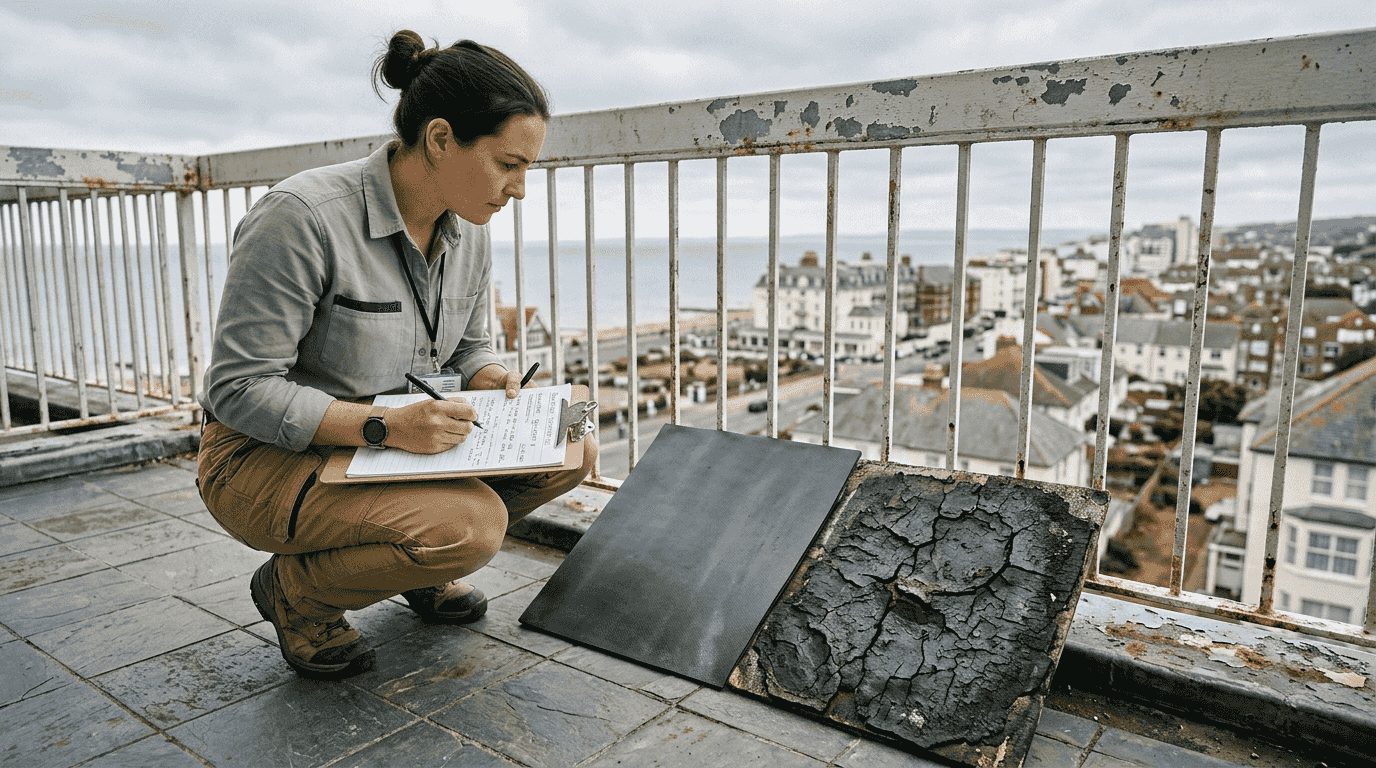
Pro Tip: When evaluating waterproofing methods, calculate total lifecycle costs rather than focusing solely on initial installation expenses. EPDM’s 50-year lifespan often proves more economical than cheaper systems requiring replacement every decade.
Understanding waterproofing membrane applications helps property owners select appropriate systems for specific areas. Whilst EPDM excels for exposed horizontal surfaces, other methods may suit particular applications better. Consulting with experienced contractors ensures optimal material selection for your unique requirements. For those considering DIY waterproofing tips, professional installation of EPDM membranes typically delivers superior results due to the precision required for seam welding and proper substrate preparation.
Environmental challenges and specialised waterproofing solutions in South Africa
South Africa’s diverse environments create distinct waterproofing challenges requiring tailored solutions. Coastal properties face aggressive salt spray and tidal moisture cycles that accelerate corrosion and material breakdown. Industrial areas expose waterproofing to chemical pollutants, oils, and acidic runoff that attack conventional materials. Inland regions experience extreme temperature fluctuations and intense UV radiation that degrade inferior systems rapidly.
How environmental challenges influence waterproofing selection:
- Assess your property’s specific exposure risks, including proximity to ocean, industrial facilities, or areas with extreme weather patterns.
- Match waterproofing material properties to identified challenges, prioritising resistance to dominant environmental stressors.
- Specify application methods and protective measures that enhance durability under local conditions, such as additional UV stabilisers or chemical-resistant topcoats.
The success of waterproofing projects hinges on understanding specific environmental challenges and selecting materials accordingly. The Illovo water tower project demonstrates this principle, where engineers selected crystalline waterproofing technology to address aggressive water exposure and structural constraints. This case illustrates how specialised solutions outperform generic approaches when environmental demands exceed standard material capabilities.
Coastal applications require particular attention to material selection. The Umhlanga Whalebone Pier project highlights the importance of waterproofing solutions that withstand extreme coastal conditions, where constant wave action, salt spray, and tidal cycles create punishing exposure. Traditional waterproofing methods fail rapidly in such environments, necessitating advanced technologies.
Self-healing waterproofing represents a breakthrough for harsh environments. Self-healing solutions like Penetron and Penecrete Mortar ensure waterproofing resistant to marine deterioration, using crystalline technology that seals cracks automatically when water ingress occurs. This innovative approach provides ongoing protection even when minor damage develops, extending system lifespan significantly in challenging conditions.
Pro Tip: For coastal or industrial properties, invest in specialised waterproofing formulated for aggressive environments rather than standard systems. The performance difference justifies the additional cost through extended service life and reduced maintenance.
Successful commercial waterproofing examples demonstrate how matching materials to environmental challenges delivers superior outcomes. Property owners should conduct thorough site assessments identifying all relevant exposure factors before selecting waterproofing systems. Professional contractors experienced with local conditions provide valuable insights into which materials perform best in specific South African environments.
Environmental considerations extend beyond material selection to application timing and techniques. Coastal installations may require wind protection during application, whilst extreme temperature conditions demand adjusted curing protocols. Understanding these nuances ensures waterproofing performs as intended regardless of challenging site conditions.
Applying the right waterproofing method: best practices and considerations
Selecting appropriate waterproofing requires evaluating multiple factors beyond material properties alone. Building type influences system choice, as residential balconies demand different solutions than industrial roofs. Climate considerations include rainfall patterns, temperature ranges, and UV intensity specific to your location. Maintenance capabilities affect whether you should choose low-maintenance premium systems or budget options requiring regular reapplication.
Key considerations before selecting waterproofing:
- Building usage and structural characteristics
- Local climate patterns and extreme weather frequency
- Budget constraints including lifecycle costs
- Maintenance resources and inspection capabilities
- Aesthetic requirements and finish preferences
- Compatibility with existing building materials
Proper surface preparation determines waterproofing success as much as material quality. Surfaces must be clean, dry, and free from contaminants that prevent adhesion. Cracks require repair before membrane application, whilst porous substrates need priming to ensure proper bonding. Rushing preparation compromises even premium materials, leading to premature failure.
Material compatibility prevents chemical reactions that degrade waterproofing performance. Some membranes react with certain substrates or adjacent materials, causing adhesion failure or material breakdown. Professional installers understand these compatibility issues and specify appropriate primers, separators, or alternative materials when conflicts exist.
Proper application and adherence to manufacturer guidelines are critical for waterproofing effectiveness. Deviating from specified procedures, mixing ratios, or curing times compromises material performance regardless of quality. Manufacturers develop guidelines through extensive testing, and following them precisely ensures optimal results.
Waterproofing application do’s and don’ts:
- Do verify substrate moisture content before application
- Do follow manufacturer-specified mixing ratios exactly
- Do maintain proper ambient temperature during installation
- Do allow adequate curing time between coats
- Don’t apply waterproofing to wet or contaminated surfaces
- Don’t rush installation to meet arbitrary deadlines
- Don’t skip surface preparation steps to save time
- Don’t use expired materials or improper storage conditions
Pro Tip: Establish a regular inspection schedule examining waterproofing condition every six months. Early detection of minor issues allows simple repairs before major damage develops, extending system lifespan significantly.
Certified applicators bring expertise that DIY approaches cannot match. Understanding flat roof waterproofing techniques requires training and experience that professionals develop through years of projects. Whilst material costs remain similar, professional installation dramatically improves performance and longevity.
Compliance with manufacturer instructions extends beyond application to include ongoing maintenance requirements. Some systems need periodic inspections, cleaning, or recoating to maintain warranties and optimal performance. Understanding these obligations before installation prevents surprises and ensures you can maintain waterproofing properly throughout its service life. For comprehensive understanding of flat roof waterproofing explained, consult experienced contractors who can guide you through material selection, application, and maintenance requirements specific to South African conditions.
Why choose Pro Waterproofing for expert waterproofing solutions
Navigating waterproofing options and ensuring proper installation requires expertise that Pro Waterproofing delivers across South Africa. Our experienced team understands local environmental challenges and matches solutions to your specific property requirements, whether residential balconies, commercial flat roofs, or industrial facilities. We work with premium materials including EPDM membranes and advanced coating systems, ensuring your investment delivers decades of reliable protection.
Pro Waterproofing’s commitment to industry standards and quality installation means every project receives meticulous attention to surface preparation, material application, and finishing details. Our clients benefit from waterproofing systems that resist South Africa’s harsh conditions whilst requiring minimal maintenance. Ready to protect your property with proven waterproofing solutions? Contact Pro Waterproofing services today for a comprehensive consultation and detailed quote tailored to your specific needs.
Frequently asked questions
What is the most durable waterproofing method for balconies?
EPDM membranes rank among the most durable options for balcony waterproofing in South African conditions. Balcony waterproofing using EPDM membranes offers a 50-year life expectancy, significantly outlasting alternatives like liquid coatings or bitumen systems. Their exceptional crack resistance and UV stability make them ideal for exposed horizontal surfaces experiencing constant environmental stress.
Can waterproofing membranes handle building movement?
Yes, premium membranes like EPDM accommodate substantial structural movement without compromising waterproofing integrity. EPDM membranes can withstand building movement and cracks with an elongation of more than 300%, allowing them to stretch and flex with foundation settling or thermal expansion. This flexibility minimises leak risks from cracks or structural shifts that would rupture rigid waterproofing systems.
How do coastal conditions affect waterproofing selection?
Coastal exposure introduces aggressive challenges including salt corrosion, tidal moisture cycles, and marine organism growth that accelerate waterproofing degradation. Waterproofing projects must consider environmental challenges such as coastal exposure and aggressive salts when selecting materials and application methods. Specialised formulations and self-healing solutions ensure pier waterproofing resists marine-induced deterioration, providing durability that standard systems cannot match in harsh coastal environments.
Is professional application necessary for waterproofing success?
Professional installation proves essential for achieving optimal waterproofing performance and longevity. Proper application and adherence to manufacturer guidelines are critical for waterproofing effectiveness, requiring expertise in surface preparation, material handling, and application techniques. Poor installation negates even premium materials’ benefits, leading to premature failure and costly repairs that exceed any savings from DIY approaches.