
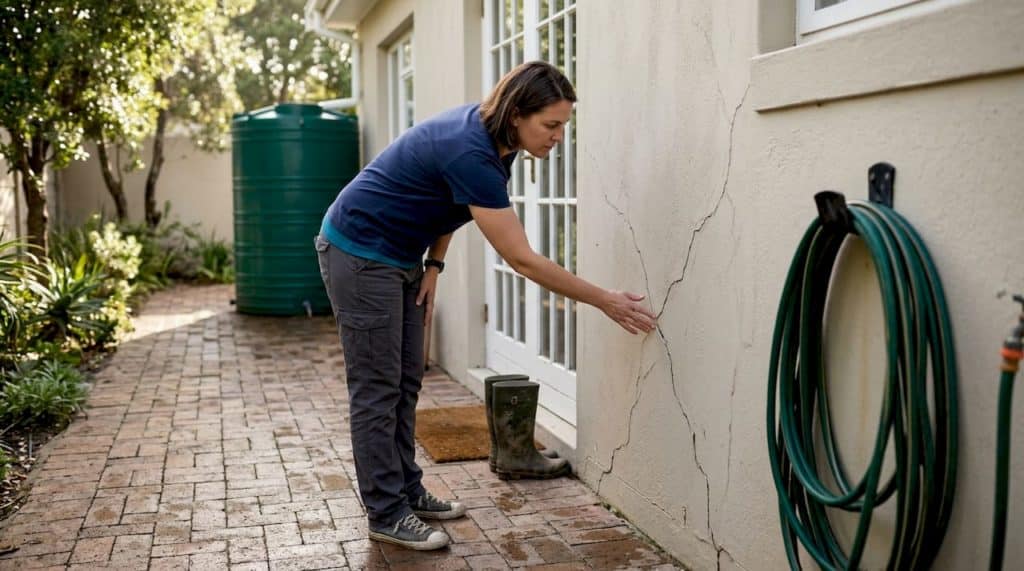
Waterproofing failures account for some of the most expensive property damage claims across South Africa, yet most issues are entirely preventable with proper planning and execution. Whether you manage a residential home, commercial building, or industrial facility, understanding how to prepare for waterproofing, execute the process correctly, and select qualified contractors can save you thousands in repairs. This comprehensive checklist walks you through every critical step to protect your investment, from initial assessment through long-term maintenance, whilst helping you avoid the common mistakes that lead to costly failures.
Table of Contents
- Key takeaways
- Preparing for effective waterproofing
- Executing the waterproofing process
- Common waterproofing mistakes and how to avoid them
- Choosing the right waterproofing contractor in South Africa
- Protect your property with Pro Waterproofing
- Frequently asked questions about waterproofing
Key Takeaways
| Point | Details |
|---|---|
| Pre waterproofing assessment | Carry out a thorough assessment of the property to identify vulnerable areas and potential water entry points before any materials are applied. |
| Surface preparation essential | Prepare surfaces by removing loose material and repairing cracks wider than two millimetres before applying waterproofing. |
| Layered waterproofing approach | Use a layering sequence to create redundancy and reduce the risk of localised failures. |
| Hire qualified contractors | Engage qualified contractors and verify certifications, materials approvals, and compliance with local regulations to ensure reliable results. |
Preparing for effective waterproofing
Successful waterproofing begins well before any materials touch your property. Proper assessment of the property is essential before waterproofing to identify vulnerable areas and suitable materials. You need to inspect every potential water entry point, from basement walls and foundations to roofs, balconies, and external walls.
Start by examining your property during and after heavy rainfall. Water stains, dampness, mould growth, and efflorescence (white salt deposits) all signal existing waterproofing problems. Basements and below-grade structures face hydrostatic pressure from groundwater, whilst roofs endure UV exposure and thermal expansion. External walls must withstand wind-driven rain, particularly on south-facing surfaces in coastal regions.
Material selection depends entirely on your property type and South Africa’s diverse climate zones. Coastal properties require materials resistant to salt spray and high humidity. Inland areas with temperature extremes need flexible membranes that accommodate thermal movement. Consider these factors:
- Substrate type (concrete, brick, timber)
- Exposure level (sheltered or weather-facing)
- Expected water pressure (hydrostatic or surface water)
- UV resistance requirements
- Flexibility needs for structural movement
Surface preparation determines whether waterproofing adheres properly or fails within months. Remove all loose material, dirt, oil, and previous coatings. Repair cracks wider than 2mm before waterproofing. Clean surfaces must be dry unless using products specifically designed for damp substrates. Power washing followed by adequate drying time typically delivers the best results.
Pro Tip: Schedule waterproofing during South Africa’s dry winter months (May through August) when surfaces stay dry longer and curing conditions remain stable.
Understand local building regulations before starting work. The National Building Regulations and Building Standards Act requires compliance with SANS 10400 standards. Your commercial waterproofing checklist should include verification that materials meet SABS approval requirements. Some municipalities require permits for structural waterproofing, particularly on heritage buildings or in controlled development zones.
| Preparation task | Timeline | Critical checkpoints |
|---|---|---|
| Property assessment | 1-2 weeks before | Identify all vulnerable points, document existing damage |
| Material procurement | 2-3 weeks before | Verify SABS approval, check compatibility with substrate |
| Surface preparation | 1 week before | Clean, repair, dry all surfaces thoroughly |
| Weather planning | Ongoing | Confirm 3-day dry forecast for application and curing |
Executing the waterproofing process
Proper application technique separates successful waterproofing from expensive failures. Following precise application steps ensures durable waterproofing and reduces risk of faults. Every product has specific requirements for mixing, application thickness, and coverage rates that you must follow exactly.
Begin with primer application where specified by the manufacturer. Primers improve adhesion between substrate and waterproofing membrane, particularly on porous surfaces like concrete and brick. Apply primer evenly using the recommended tool (brush, roller, or spray). Allow full curing before proceeding to waterproofing layers.
Layering creates redundancy that protects against localised failures. Most professional installations use this sequence:
- Apply first waterproofing coat at specified thickness (typically 1-2mm)
- Allow proper curing time (usually 4-8 hours depending on temperature and humidity)
- Apply second coat perpendicular to first for complete coverage
- Install reinforcement mesh in high-stress areas (corners, joints, penetrations)
- Apply final protective coat once previous layers have fully cured
- Inspect for pinholes, thin spots, and incomplete coverage
Maintain consistent thickness throughout application. Too thin compromises waterproofing integrity. Too thick causes cracking and poor adhesion. Use wet film thickness gauges to verify coverage during application rather than discovering problems after curing.
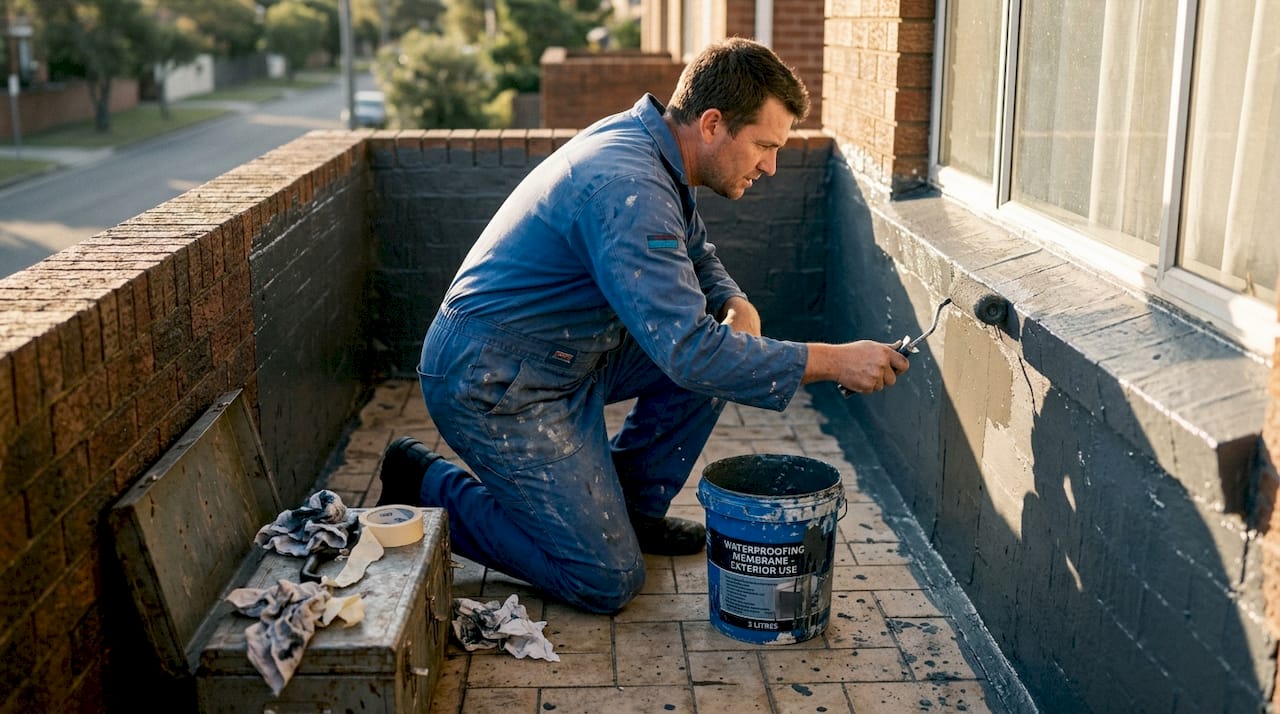
Weather conditions directly impact waterproofing success. Rain within 24 hours of application can wash away uncured materials. Temperatures below 10°C slow curing and reduce adhesion. Above 35°C causes rapid drying that creates surface cracks. High humidity extends curing times significantly. Monitor weather forecasts carefully and postpone work when conditions fall outside manufacturer specifications.
Pro Tip: Perform a simple water test on small sections after initial curing by ponding water for 24 hours, then checking for moisture penetration on the opposite side.
Quality inspections at each stage prevent compounding errors. Check that primers have dried completely before waterproofing application. Verify that each coat achieves specified thickness and coverage. Examine all detail areas (corners, penetrations, transitions) for proper sealing. Document the process with photographs showing proper application at each stage. This creates accountability and provides evidence if warranty claims arise later.
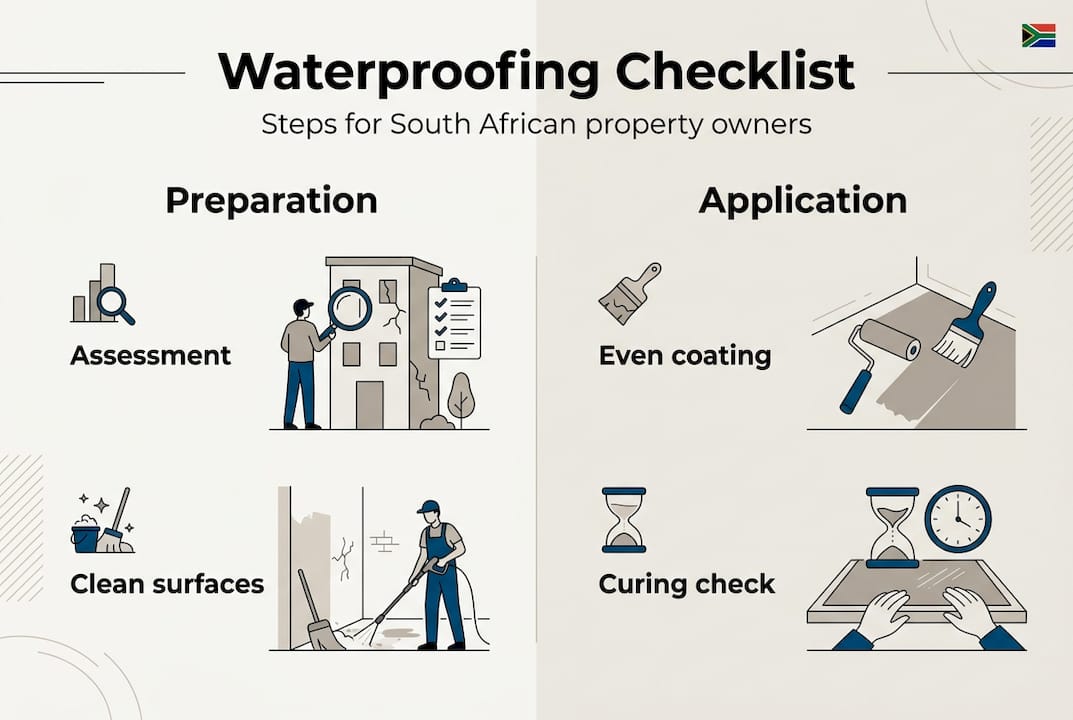
Your homeowners waterproofing checklist should include final acceptance criteria before considering the job complete. Look for uniform appearance, proper thickness, complete coverage without holidays (missed spots), and successful water testing results.
Common waterproofing mistakes and how to avoid them
Many waterproofing failures result from avoidable mistakes during material selection and application. Understanding these pitfalls helps you supervise contractors effectively or execute DIY projects correctly.
Material mismatches cause the majority of premature failures. Using bitumen-based products in areas with high UV exposure leads to degradation within two years. Applying rigid waterproofing over substrates that experience significant movement creates cracks. Selecting water-based products for continuously wet areas invites failure. Each environment demands specific material properties:
- Coastal zones require salt-resistant, flexible membranes
- Roofs need UV-stable products with high elongation
- Basements require materials resistant to hydrostatic pressure
- Balconies need traffic-rated, slip-resistant finishes
Surface preparation shortcuts guarantee problems. Applying waterproofing over dusty, contaminated, or damp surfaces prevents proper adhesion. Skipping crack repairs allows movement that tears membranes. Failing to remove old coatings creates delamination. The surface preparation stage deserves as much attention as application itself.
Rushed application produces visible and hidden defects. Insufficient curing time between coats prevents proper bonding. Applying materials too thin saves money initially but costs far more in repairs. Working in unsuitable weather conditions compromises performance regardless of product quality. Professional waterproofing requires patience and adherence to specifications.
| Mistake | Consequence | Prevention |
|---|---|---|
| Wrong material choice | Premature failure, cracking | Consult technical data sheets, match product to environment |
| Poor surface prep | Delamination, adhesion failure | Follow preparation checklist, verify cleanliness and dryness |
| Inadequate thickness | Water penetration, short lifespan | Use thickness gauges, apply specified coats |
| Weather violations | Incomplete curing, washout | Check 3-day forecast, postpone if needed |
| Skipped details | Leaks at penetrations, corners | Use reinforcement, apply extra coats at transitions |
Manufacturer guidelines exist for valid reasons based on extensive testing. Deviating from mixing ratios, application methods, or curing times voids warranties and invites failure. Read technical data sheets completely before starting work. Contact manufacturer technical support when questions arise rather than guessing.
Inadequate contractor oversight allows substandard work to proceed unchecked. Property owners who fail to verify credentials, monitor progress, or inspect completed work often discover problems only after damage occurs. Your involvement throughout the project protects your investment. Visit the site during application, ask questions about techniques, and verify that work matches specifications.
These common waterproofing mistakes cost South African property owners millions annually, yet simple diligence prevents most issues. Invest time in planning, material selection, and supervision rather than paying for premature replacement.
Choosing the right waterproofing contractor in South Africa
Interviewing contractors with specific questions improves the odds of selecting skilled and trustworthy professionals. Your contractor choice matters more than any other decision in the waterproofing process. Skilled professionals deliver lasting results whilst poor contractors create expensive problems.
Verify credentials before considering any contractor seriously. Request proof of registration with the National Home Builders Registration Council (NHBRC) for residential work. Check that liability insurance covers potential damage during and after installation. Confirm that workers have appropriate safety training and equipment. Licensed contractors demonstrate commitment to professional standards and accountability.
References reveal actual performance better than marketing claims. Ask for contact details of three recent clients with similar project types. Visit completed projects if possible to inspect workmanship quality. Speak directly with previous clients about communication, timeline adherence, problem resolution, and long-term performance. Contractors confident in their work readily provide references.
Prepare targeted interview questions that expose expertise gaps:
- What waterproofing systems do you recommend for my specific property type and why?
- How do you handle surface preparation and what standards do you follow?
- What warranties do you provide and what do they cover specifically?
- How do you manage weather delays and ensure proper curing conditions?
- What maintenance do you recommend and do you offer ongoing support?
- Can you provide detailed written specifications before starting work?
Warranty terms separate professional contractors from chancers. Legitimate warranties specify coverage duration (typically 5-10 years for quality work), what defects are included, response timeframes, and maintenance requirements. Understand that warranties become worthless if the contractor disappears. Verify business stability and longevity before relying on warranty promises.
Maintenance support demonstrates contractor confidence in their work. Professionals who offer annual inspection services and priority repair scheduling stand behind their installations. Questions to ask waterproofing contractors should include inquiries about post-installation support and maintenance programmes.
Compare multiple quotes to understand market rates and scope variations. Extremely low quotes often indicate substandard materials, rushed work, or hidden costs. Detailed quotes specify materials by brand and product name, application methods, surface preparation steps, number of coats, and warranty terms. Vague quotes with lump-sum pricing hide potential problems.
Pro Tip: Request that contractors provide technical data sheets for all proposed materials so you can verify suitability and SABS approval independently.
Your contractor interview questions should probe deeply into experience with South African conditions. Contractors familiar with local climate challenges, building methods, and material availability deliver better results than those applying generic international approaches. Regional expertise matters significantly in waterproofing success.
When you select waterproofing contractor candidates, prioritise communication quality alongside technical competence. Contractors who explain processes clearly, respond promptly to questions, and provide detailed documentation typically deliver superior project experiences and outcomes.
Protect your property with Pro Waterproofing
Navigating waterproofing preparation, execution, and contractor selection requires expertise that most property owners simply don’t have time to develop. Pro Waterproofing brings decades of experience protecting South African properties against water damage across residential, commercial, and industrial sectors.
Our team understands the unique challenges posed by South Africa’s diverse climate zones, from coastal humidity to inland temperature extremes. We use only SABS-approved materials matched precisely to your property type and environmental conditions. Every project includes comprehensive surface preparation, meticulous application following manufacturer specifications, and thorough quality inspections at each stage.
You receive detailed warranties backed by our established business reputation and ongoing maintenance support to protect your investment long-term. Our transparent quoting process provides complete material specifications and application methods so you understand exactly what you’re receiving. Visit Pro Waterproofing services to request a comprehensive property assessment and detailed quote tailored to your specific waterproofing needs.
Frequently asked questions about waterproofing
How often should I inspect my property for waterproofing issues?
Conduct visual inspections every six months, ideally after the rainy season and again mid-year. Look for water stains, dampness, mould growth, paint bubbling, and efflorescence on walls and ceilings. Professional inspections every three to five years identify problems before they cause significant damage.
What are the best waterproofing materials for South African climates?
Polyurethane and acrylic membranes perform well across most South African conditions due to UV resistance and flexibility. Coastal properties benefit from salt-resistant products whilst inland areas need materials that handle temperature extremes. Always verify SABS approval and match material properties to your specific environment and substrate type.
How can I tell if my waterproofing has failed?
Visible signs include water stains, dampness, mould growth, paint peeling, and efflorescence (white salt deposits). You might notice musty odours in enclosed spaces or see puddles forming after rain. Structural indicators include cracking, spalling concrete, and rust stains from corroding reinforcement. Address these waterproofing mistakes to avoid immediately before damage worsens.
What is the typical cost range for professional waterproofing?
Residential waterproofing typically costs R150-R400 per square metre depending on surface type, accessibility, and material quality. Commercial projects range R200-R600 per square metre for more demanding specifications. Roof waterproofing generally costs less than basement waterproofing due to accessibility differences. Always obtain detailed quotes from multiple contractors specifying materials and methods.
When is the ideal time to schedule waterproofing work?
South Africa’s dry winter months (May through August) provide optimal conditions for most waterproofing applications. Surfaces stay dry longer and curing occurs under stable conditions. Avoid the rainy season (October through March) when weather disruptions cause delays and compromise curing. Schedule work well in advance as quality contractors book months ahead during peak season.