
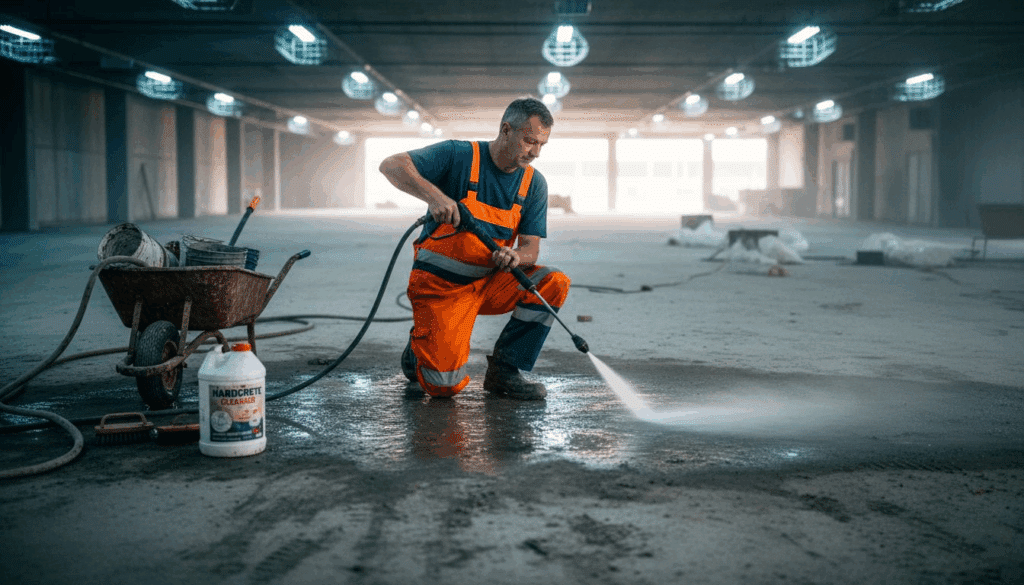
Water damage silently affects more than forty percent of homes in Gauteng and Western Cape, costing property owners thousands in repairs each year. Whether you live in a modern British-inspired townhouse or a traditional Cape Dutch home, understanding concrete waterproofing is vital for preventing long-term structural issues. This overview breaks down the most effective steps you can follow to spot vulnerabilities, prepare surfaces, and confidently choose the right contractor for lasting protection.
Table of Contents
- Step 1: Assess Concrete Surfaces for Vulnerabilities
- Step 2: Prepare and Clean the Surface Thoroughly
- Step 3: Apply Waterproofing Membranes or Coatings
- Step 4: Seal Joints and Cracks for Maximum Protection
- Step 5: Inspect and Test Waterproofing Effectiveness
Quick Summary
| Key Message | Explanation |
|---|---|
| 1. Assess concrete for vulnerabilities | Conduct thorough inspections for cracks and discolouration to identify potential water damage risks. |
| 2. Thorough surface preparation is essential | Clean surfaces properly to ensure that waterproofing treatments adhere effectively and operate optimally. |
| 3. Choose appropriate waterproofing methods | Select from liquid membranes and surface treatments suited to your concrete’s conditions for effective moisture barrier. |
| 4. Seal joints and cracks diligently | Use high-quality sealants on cracks to prevent water infiltration, ensuring all areas are well treated. |
| 5. Regularly inspect waterproofing effectiveness | Perform annual inspections to detect vulnerabilities early and maintain the integrity of waterproofing systems. |
Step 1: Assess Concrete Surfaces for Vulnerabilities
Assessing concrete surfaces for potential water damage vulnerabilities is a critical first step in protecting your property from structural deterioration. This process involves carefully examining your concrete for microscopic weaknesses that could compromise its long-term integrity.
Starting with a thorough visual inspection, look for visible signs of potential water penetration such as hairline cracks, discolouration, efflorescence, or moisture stains. These surface indicators reveal concrete’s inherent porosity and potential microcracks that might enable water infiltration. Concrete is naturally porous, containing numerous microscopic channels that can allow water and chemical agents to penetrate its structure, gradually weakening its composition.
Professional assessment goes beyond surface observations. Experts use specialised techniques to evaluate concrete permeability, measuring water absorption rates and identifying potential microstructural weaknesses. These assessments help determine the concrete’s vulnerability to environmental stressors like freezing-thaw cycles and chemical reactions that could compromise its long-term durability.
Expert Recommendation: Always conduct a comprehensive moisture content and permeability test before applying any waterproofing treatments to ensure targeted and effective protection.
Step 2: Prepare and Clean the Surface Thoroughly
Before applying any waterproofing treatment, you must meticulously prepare and clean your concrete surface to ensure optimal protection and adhesion. This critical preparatory stage sets the foundation for successful waterproofing by creating an ideal surface condition.
Surface preparation involves removing all contaminants through mechanical or chemical cleaning techniques that eliminate dirt, dust, grease, and loose particles. Professional cleaning methods include power washing, grinding, sandblasting, or acid etching, depending on the specific condition of your concrete surface. The goal is to create a uniformly clean and slightly roughened surface that provides maximum bonding potential for waterproofing membranes.
Careful inspection during the cleaning process helps identify any underlying surface defects such as small cracks, spalling, or uneven areas that might compromise the waterproofing treatment. Pay special attention to removing existing sealants, paint, or previous coating residues that could prevent proper adhesion. Moisture content is equally crucial concentrate on achieving a sound, dry surface with the right texture to support long term waterproofing effectiveness.
Expert Recommendation: Use professional grade cleaning equipment and follow manufacturer guidelines precisely to achieve the most effective surface preparation for waterproofing treatments.
Step 3: Apply Waterproofing Membranes or Coatings
Applying waterproofing membranes or coatings represents the critical defence mechanism against moisture penetration for your concrete surfaces. This step transforms your prepared surface into a robust barrier that protects your property from potential water damage.
Waterproofing methods are classified into integral and surface treatment techniques, each offering unique advantages for concrete protection. Liquid membranes provide a flexible waterproof layer that can easily conform to surface contours, while crystalline admixtures penetrate and seal concrete pores from within. Sheet membranes offer a robust external barrier against water ingress, making the selection dependent on your specific project requirements and environmental conditions.
Careful application is paramount to ensure complete coverage and maximum effectiveness. Begin by selecting the appropriate membrane or coating based on your concrete surface condition, exposure levels, and durability requirements. Apply the chosen waterproofing material using recommended techniques such as rolling, spraying, or brushing, ensuring uniform coverage without gaps or thin spots. Pay close attention to critical areas like joints, corners, and potential stress points that are more susceptible to water penetration.
Here’s a concise comparison of common waterproofing membrane options for concrete surfaces:
Expert Recommendation: Always follow manufacturer guidelines precisely and consider professional consultation to select the most suitable waterproofing method for your specific concrete surface.
Step 4: Seal Joints and Cracks for Maximum Protection
Sealing joints and cracks is a crucial stage in creating a comprehensive waterproofing defence for your concrete surfaces. This step addresses potential vulnerabilities that could compromise the entire waterproofing system if left untreated.
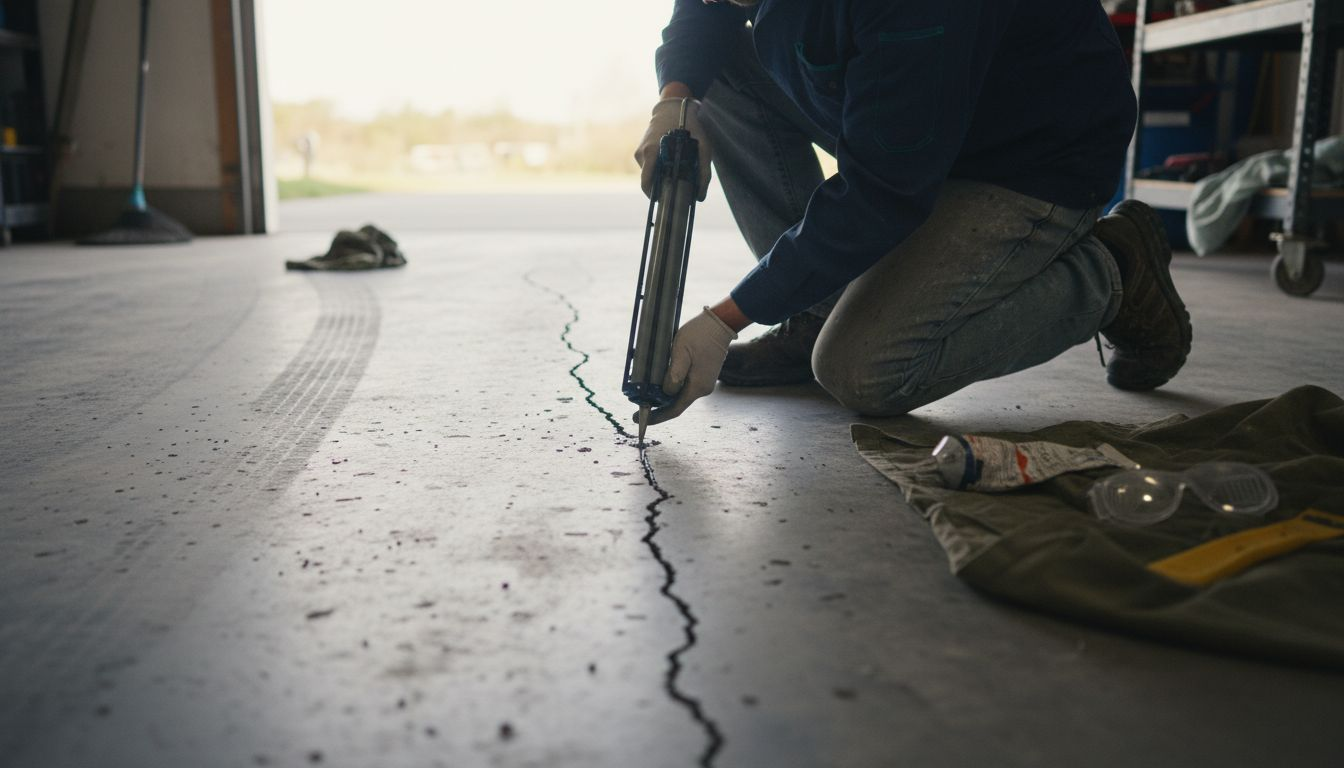
Specialized sealants and crystalline waterproofing admixtures play a critical role in facilitating active crack healing in concrete structures. These advanced materials can effectively seal hairline cracks up to 0.4 millimetres, accommodating structural movements while preventing moisture penetration. Begin by thoroughly cleaning the cracks and removing any loose debris or previous ineffective sealant materials. Select a high quality flexible sealant that matches the width and location of the specific crack you are treating.
Apply the selected sealant using professional techniques that ensure complete coverage and proper bonding. For narrow cracks, consider injection methods that allow the sealant to penetrate deeply into the concrete structure. Wider structural cracks may require a more comprehensive approach, potentially involving reinforcement materials or professional intervention. Pay special attention to critical areas such as construction joints, corners, and potential stress points where water infiltration is most likely to occur.
Expert Recommendation: Conduct a comprehensive crack assessment before sealing and consider professional consultation for complex or significant concrete damage.
Step 5: Inspect and Test Waterproofing Effectiveness
Inspecting and testing the effectiveness of your waterproofing treatment is crucial to ensure long lasting protection for your concrete surfaces. This final step validates the success of your waterproofing efforts and identifies any potential areas requiring additional attention.
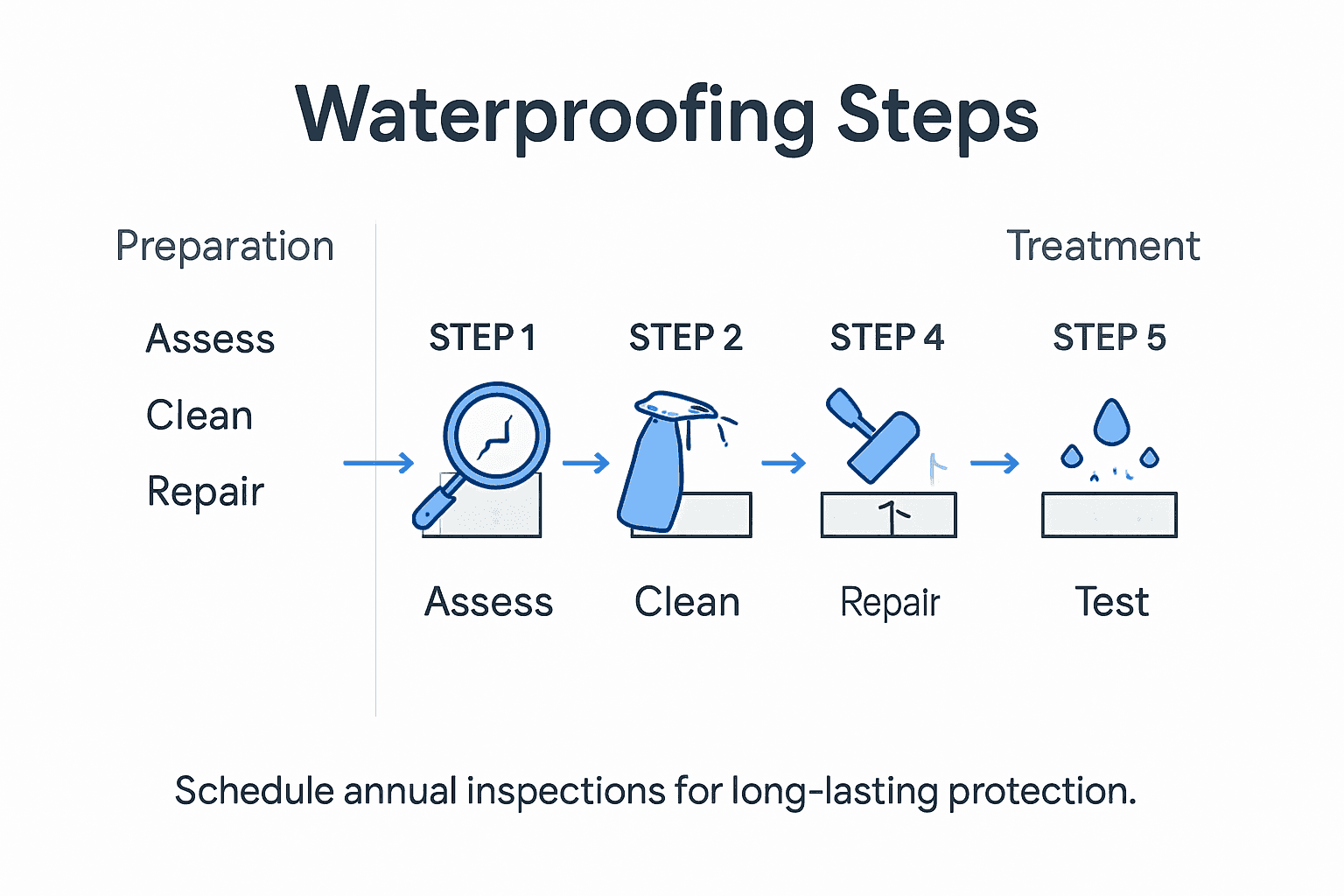
Comprehensive waterproofing inspection involves multiple sophisticated testing methods to evaluate water tightness and membrane integrity. Professional assessments typically include water ponding tests, infrared thermography, and precise moisture metre measurements that provide detailed insights into the waterproofing system’s performance. Begin by conducting visual inspections to identify any visible signs of potential water penetration such as discolouration, moisture stains, or emerging efflorescence that might indicate underlying vulnerabilities.
For a thorough evaluation, consider engaging professional waterproofing specialists who can perform advanced diagnostic tests. These experts will assess water absorption rates, permeability resistance, and structural durability using specialised equipment. Key testing protocols include measuring concrete strength at various curing stages and comparing water penetration resistance to establish the comprehensive effectiveness of your waterproofing treatment. Pay particular attention to critical areas such as construction joints, potential stress points, and regions with previous moisture ingress problems.
This table summarises key inspection and testing methods for evaluating waterproofing effectiveness:
Expert Recommendation: Schedule professional waterproofing inspections annually to detect and address potential vulnerabilities before they escalate into significant structural issues.
Protect Your Concrete with Expert Waterproofing Solutions
The challenge of safeguarding concrete against water damage demands more than simple repairs. With issues such as microcracks, water permeability, and joint vulnerability, achieving durable protection requires precise assessment, surface preparation, and effective membrane application. Our team at Pro Waterproofing understands these critical steps and the importance of tailored, professional solutions to prevent costly structural damage and maintain your property’s integrity.
Explore how our expert services at Pro Waterproofing align perfectly with the comprehensive concrete waterproofing process you just learned about. From detailed inspections and crack sealing techniques to the application of advanced waterproof membranes, we bring years of experience and licensed professionalism. Don’t wait for water damage to escalate. Visit our Uncategorized – Pro Waterproofing page now to learn more and request your personalised quote. Take the first step to lasting protection by contacting us today through Pro Waterproofing.
Frequently Asked Questions
How do I assess concrete surfaces for water vulnerabilities?
Start by conducting a thorough visual inspection for signs such as hairline cracks, discolouration, and moisture stains. Make sure to also take professional moisture content and permeability tests to identify potential weaknesses within the concrete structure.
What is the best way to prepare concrete surfaces before waterproofing?
Prepare your concrete by removing all contaminants through methods like power washing or sandblasting. Ensure the surface is clean and slightly roughened to promote maximum adhesion of the waterproofing treatment.
How do I apply waterproofing membranes or coatings effectively?
Apply waterproofing membranes or coatings using suitable techniques such as rolling or spraying, ensuring even coverage without gaps. Pay particular attention to critical areas like joints and corners where water penetration is more likely.
How should I seal joints and cracks in concrete surfaces?
Seal joints and cracks using a high-quality flexible sealant that can accommodate structural movements. Thoroughly clean the cracks before applying the sealant, ensuring it penetrates deeply for maximum protection.
How can I test the effectiveness of my waterproofing treatment?
Inspect and test the waterproofing by performing visual checks for moisture stains and conducting water ponding tests. Consider hiring professionals to measure water absorption rates and to assess the overall integrity of the waterproofing system annually.
What should I look for during an inspection of waterproofed concrete?
Look for visible signs of potential moisture issues such as discolouration or emerging efflorescence. Conduct regular assessments, ideally annually, to address any vulnerabilities before they escalate into serious structural problems.