
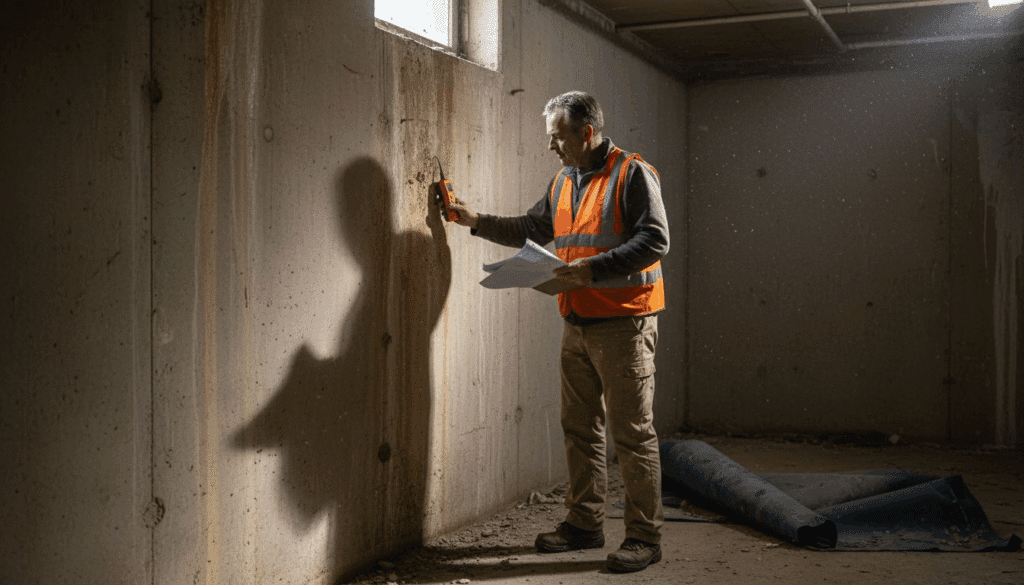
Many homeowners think slapping on waterproof paint protects concrete from moisture. It doesn’t. True waterproofing uses technical membranes and admixtures to block water at the structural level, preventing costly damage in Gauteng and Western Cape. Without proper waterproofing, moisture infiltrates concrete pores, causing cracks, spalling, and mold that can slash your property value. This guide reveals why waterproofing matters for South African homes, compares proven methods, and shows you how to choose solutions tailored to local climates. You’ll also learn the difference between waterproofing and damp proofing to make informed decisions.
Table of Contents
- Introduction To Concrete Waterproofing
- How Concrete Waterproofing Works: Mechanisms And Materials
- Environmental And Regional Considerations In Gauteng And Western Cape
- Common Misconceptions About Concrete Waterproofing
- Comparing Concrete Waterproofing Methods And Choosing The Right Solution
- Selecting The Right Waterproofing Contractor And Products In South Africa
- Practical Steps For Maintenance And Inspection After Waterproofing
- Case Studies And Lessons From South African Properties
- Protect Your South African Property With Pro Waterproofing Solutions
- Frequently Asked Questions
Key Takeaways
| Point | Details |
|---|---|
| Concrete waterproofing prevents moisture damage | Sealing porous concrete with membranes or admixtures stops water ingress that causes structural decay. |
| Local climate dictates waterproofing methods | Gauteng’s heavy seasonal rains and Western Cape’s clayey soils require tailored solutions for each region. |
| Polyurethane membranes outperform bituminous coatings | Superior flexibility and crack bridging make polyurethane ideal for exposed surfaces. |
| Inspections every 5 years extend lifespan | Regular maintenance catches early failures and maximizes waterproofing durability. |
| Licensed contractors deliver better results | Local expertise ensures proper product selection and warranty support. |
Introduction to Concrete Waterproofing
Concrete might look solid, but it’s riddled with microscopic pores that suck up water like a sponge. These pores allow moisture to travel through capillary suction and vapor diffusion, infiltrating walls and foundations. Concrete’s natural porosity makes it highly susceptible to water penetration which can damage structures. Once inside, moisture triggers a cascade of problems.
Water ingress causes structural damage including cracks, spalling concrete, and aggressive mold growth. Steel reinforcement rusts when exposed to moisture, weakening structural integrity. Property values plummet when buyers spot telltale damp stains and crumbling concrete. In South Africa’s variable climates, especially Gauteng’s thunderstorms and Western Cape’s persistent rain, unprotected concrete deteriorates fast.
Waterproofing applies physical and chemical barriers to block moisture effectively. These systems stop water before it enters concrete pores, maintaining structural integrity over decades. The importance of waterproofing in South Africa cannot be overstated for long term property protection.
Without waterproofing, you face escalating repair bills and structural instability. The difference between waterproofing and damp proofing in South Africa highlights that only true waterproofing provides complete moisture protection.
Key vulnerability factors include:
- Capillary suction drawing water upward through concrete pores
- Hydrostatic pressure forcing groundwater through foundations
- Vapor diffusion allowing moisture to migrate through concrete mass
- Freeze thaw cycles in high altitude regions causing surface spalling
- Chemical attack from salts and minerals in soil and water
How Concrete Waterproofing Works: Mechanisms and Materials
Moisture travels through concrete via three primary mechanisms. Capillary suction pulls water upward through interconnected pores, hydrostatic pressure forces groundwater through foundation walls, and vapor diffusion allows moisture to migrate as gas. Each pathway requires specific blocking strategies.
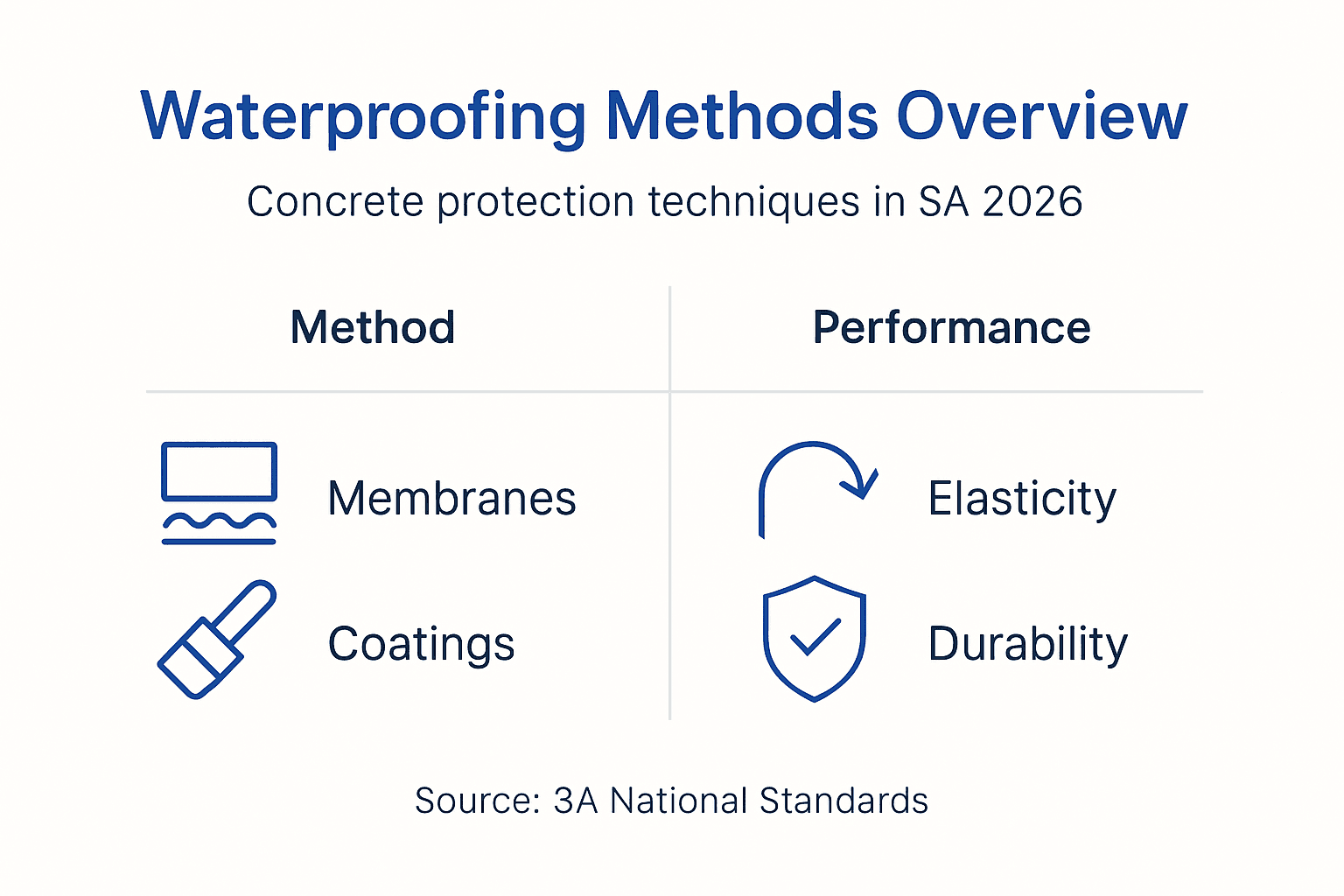
Waterproofing methods include membranes applied to surfaces, coatings that penetrate shallow pores, and integral admixtures mixed into wet concrete. Membranes come in polyurethane and bituminous varieties. Polyurethane membranes offer exceptional elasticity, stretching up to 400% without tearing, making them ideal for surfaces that crack or shift. Bituminous coatings provide solid initial protection but have lower elasticity around 150%.
Integral admixtures reduce concrete porosity by approximately 80% by filling microscopic voids during curing. This makes them perfect for foundations under constant groundwater pressure. The admixtures react chemically with concrete, creating a denser matrix that resists water penetration from within.
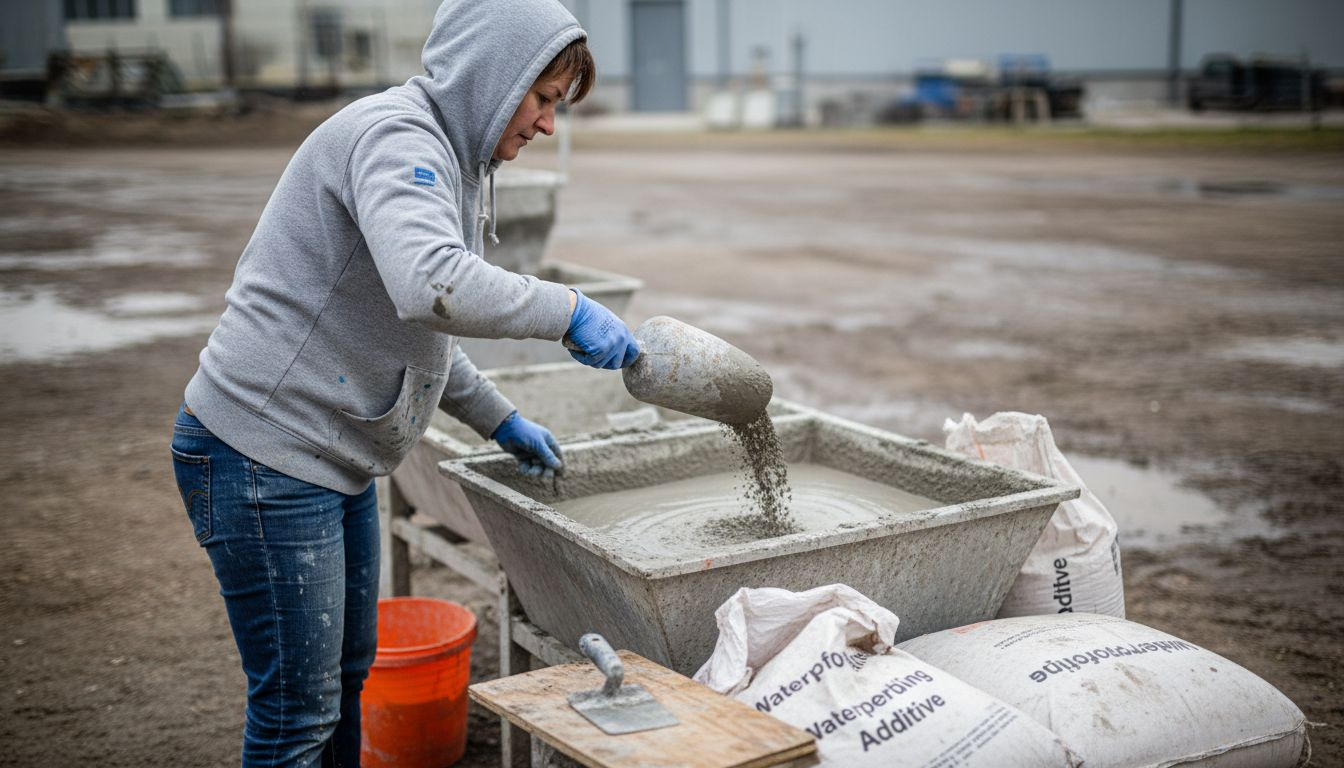
Proper material selection depends on exposure type and local environmental stresses. Exposed roofs and walls need UV resistant membranes with high flexibility. Below ground foundations require integral admixtures for hydrostatic resistance. Understanding why waterproofing matters helps you match materials to conditions.
Pro Tip: Polyurethane membranes resist South Africa’s temperature swings better than bituminous options. They maintain flexibility from 10°C winter nights to 35°C summer days, preventing cracking.
The best waterproofing methods in South Africa combine multiple approaches. A foundation might use integral admixtures for base protection plus an external membrane for added defense. This layered strategy addresses different moisture pathways simultaneously.
Effective waterproofing systems include:
- Liquid applied membranes forming seamless barriers over complex shapes
- Sheet membranes providing uniform thickness and predictable performance
- Crystalline admixtures that self heal minor cracks through chemical reactions
- Cementitious coatings offering breathable protection for occupied spaces
- Cavity drain systems managing water that bypasses primary barriers
Environmental and Regional Considerations in Gauteng and Western Cape
Gauteng experiences dramatic seasonal rainfall patterns with intense summer thunderstorms dumping 700mm annually. These downpours saturate exposed concrete surfaces, testing waterproofing elasticity and adhesion. Temperature variations between 5°C winter mornings and 30°C afternoons stress membrane flexibility. Concrete expands and contracts, creating microcracks that inferior waterproofing cannot bridge.
Western Cape receives more consistent year round precipitation totaling 500 to 1000mm. Clayey soils retain moisture, maintaining constant hydrostatic pressure against foundation walls. This sustained pressure demands integral admixtures that block water from within the concrete matrix. South Africa’s regional climate and soil moisture affect waterproofing durability and strategy.
High soil moisture and groundwater tables in coastal Western Cape require robust below ground protection. Foundations must resist water trying to force its way through concrete pores under pressure. Integral admixtures excel here by creating a dense, impermeable concrete structure from the start.
Temperature fluctuations affect membrane performance significantly. Bituminous coatings become brittle in cold and soft in heat, losing effectiveness. Polyurethane maintains elasticity across wider temperature ranges, making it superior for South African conditions. Choosing waterproofing to select waterproofing for Gauteng and Western Cape requires understanding these regional stresses.
Regional waterproofing challenges include:
- Gauteng’s high altitude causing greater temperature swings and UV exposure
- Western Cape’s winter rainfall saturating walls and penetrating poorly sealed joints
- Expansive clay soils creating shifting foundations that crack rigid waterproofing
- Coastal salt spray accelerating material degradation near ocean areas
- Summer hailstorms physically damaging exposed membrane surfaces
Common Misconceptions About Concrete Waterproofing
Homeowners often believe water resistant paint provides adequate waterproofing. It doesn’t. Paint sits on the concrete surface without penetrating pores significantly. Water pressure eventually forces moisture beneath the paint layer, causing bubbling and peeling. True waterproofing uses materials that either penetrate deeply or form robust physical barriers.
Another myth is that waterproofing lasts forever once applied. All materials degrade over time from UV exposure, temperature cycling, and physical wear. Membranes develop microcracks, adhesion weakens, and chemical breakdown occurs. Expecting maintenance free protection leads to premature failure and expensive structural repairs.
Many assume all waterproofing products perform equally across different climates. They don’t. A membrane perfect for dry inland areas may fail in humid coastal conditions. Products must match local rainfall intensity, temperature ranges, and soil chemistry. Generic solutions ignore these critical variables, delivering poor results.
Skipping professional assessment is another costly error. You might guess wrong about which waterproofing method suits your building’s exposure and environment. Licensed contractors evaluate moisture sources, structural conditions, and regional factors before recommending solutions. DIY approaches frequently apply inappropriate products that fail within months.
The importance of professional waterproofing becomes clear when you consider complexity. Understanding the difference between waterproofing and damp proofing prevents choosing inadequate solutions.
Common waterproofing myths include:
- Any sealant stops water penetration effectively
- Waterproofing needs no maintenance after initial application
- Interior treatments eliminate exterior moisture problems
- Cracks can be waterproofed without structural repairs
- Cheap products perform as well as premium systems
Comparing Concrete Waterproofing Methods and Choosing the Right Solution
Polyurethane membranes lead in performance with elasticity reaching 400%, allowing them to bridge cracks up to 2mm wide without tearing. They resist UV degradation better than alternatives and handle temperature fluctuations from 20°C to 80°C. However, polyurethane costs 30 to 50% more than bituminous options, making it a premium choice for critical applications.
Bituminous coatings offer solid initial moisture resistance at lower cost. Their elasticity around 150% handles minor movement but fails when concrete cracks significantly. Temperature sensitivity is a weakness, becoming brittle below 5°C and softening above 50°C. They work adequately for sheltered areas with stable temperatures.
Integral admixtures embed waterproofing within concrete, reducing porosity by approximately 80% during curing. This makes them ideal for foundations and basements under constant hydrostatic pressure. Once cured, they cannot be removed or reapplied, so proper initial mixing is critical. They cost more upfront but eliminate membrane application labor.
| Method | Elasticity | Cost | Best Application | Lifespan |
|---|---|---|---|---|
| Polyurethane Membrane | 400% | High | Exposed roofs, walls | 12 to 15 years |
| Bituminous Coating | 150% | Medium | Sheltered foundations | 7 to 10 years |
| Integral Admixture | N/A | High | Below ground structures | 20+ years |
| Cementitious Coating | Low | Low | Interior damp control | 5 to 8 years |
Trade-offs involve balancing cost, durability, flexibility, and application requirements. Exposed surfaces need UV resistant, highly elastic membranes. Underground applications demand hydrostatic resistance from integral admixtures. Budget constraints might favor bituminous coatings for non critical areas.
Pro Tip: Combine methods for optimal protection. Use integral admixtures in foundation concrete, then apply polyurethane membranes to exterior walls. This layered approach addresses different moisture threats comprehensively.
Selecting the right method requires evaluating exposure type, local environmental stressors, and budget. Select best waterproofing solutions by consulting licensed contractors who understand regional challenges. Proper selection prevents the need to select waterproofing contractors for emergency repairs later.
Method selection factors:
- Hydrostatic pressure levels from groundwater tables
- UV exposure intensity on horizontal and vertical surfaces
- Expected structural movement from settling or temperature changes
- Accessibility for future maintenance and reapplication
- Compatibility with existing building materials and finishes
Selecting the Right Waterproofing Contractor and Products in South Africa
Licensing and certification verify contractor competence. Check for valid South African registration and professional waterproofing certifications. Contractors without credentials lack accountability and insurance coverage. Ask to see certificates before engaging any provider.
Local experience matters significantly in waterproofing. Contractors familiar with Gauteng thunderstorms and Western Cape clay soils select appropriate methods instinctively. They understand which products resist regional stresses and have relationships with reliable suppliers. Out of town contractors often apply generic solutions that fail locally.
Product verification protects your investment. Ensure materials meet South African National Standards and have documented performance records in similar climates. Request product data sheets showing elasticity, UV resistance, and temperature tolerances. Avoid contractors who cannot provide technical specifications.
Warranty and service agreements define your protection. Reputable contractors offer 5 to 10 year warranties covering material and installation failures. Confirm what triggers warranty voidance and whether maintenance is included. Written agreements prevent disputes when issues arise.
Reference checking reveals contractor reliability. Contact previous clients to ask about workmanship quality, timeline adherence, and post installation support. Inspect completed projects to assess material application and attention to detail. Poor references signal contractors to avoid.
The role of waterproofing contractors extends beyond application to ongoing support. Compare top waterproofing contractors in South Africa using consistent criteria. Prepare questions to ask waterproofing contractors before meetings.
For additional guidance on products, review roof sealants guidance for complementary waterproofing strategies.
Contractor selection checklist:
- Valid business registration and professional liability insurance
- Minimum 5 years waterproofing experience in your region
- Portfolio showing similar projects to yours
- Transparent pricing with itemized material and labor costs
- Written warranty covering both materials and workmanship
Practical Steps for Maintenance and Inspection After Waterproofing
Schedule inspections approximately every 5 years or immediately after major weather events like hailstorms or floods. Regular checks catch small problems before they escalate into structural damage. Mark inspection dates on your calendar to maintain consistency.
Inspect for visible failure signs including cracks, bubbles, peeling, and water stains. Run your hand over membranes feeling for soft spots or delamination. Check joints and penetrations where waterproofing typically fails first. Document findings with photos for comparison over time.
Routine surface cleaning removes dirt, leaves, and mold that degrade waterproofing materials. Use gentle methods like soft brushing and low pressure rinsing. Avoid harsh chemicals that attack membrane integrity. Clean surfaces allow proper adhesion and prevent biological growth from compromising seals.
Prompt repair of small defects prevents costly escalation. A 10cm crack addressed immediately costs hundreds; ignored, it becomes thousands in structural repairs. Keep contractor contact information accessible for quick response. Minor touch ups extend waterproofing lifespan significantly.
Pro Tip: Create a maintenance log recording inspection dates, findings, and repairs. This documentation helps track waterproofing system health and proves valuable when selling your property.
Documentation supports warranty claims and guides future contractors. Detailed records show you maintained the system properly, preventing warranty disputes. New contractors can review history to understand existing conditions and plan upgrades intelligently.
Learn about maintenance of waterproofing systems and the importance of waterproofing inspections for comprehensive guidance. Use a roof inspection checklist adapted for waterproofing evaluations.
Maintenance best practices:
- Clear drainage systems ensuring water flows away from waterproofed surfaces
- Trim vegetation preventing root penetration and shading that promotes mold
- Monitor interior spaces for damp spots indicating waterproofing failure
- Test drainage after heavy rain confirming systems handle volume
- Update records immediately after inspections or repairs
Case Studies and Lessons From South African Properties
A Cape Town homeowner ignored minor damp spots for three years, assuming they’d dry naturally. Moisture infiltrated walls continuously, causing mold growth and concrete spalling. Repair costs exceeded R150,000 including structural reinforcement, mold remediation, and full waterproofing installation. Early intervention would have cost under R20,000.
A Johannesburg residential complex installed polyurethane membranes on foundations and roofs in 2016. Ten years later, the waterproofing remains intact with only minor maintenance. Engineers estimate the membranes extended structural lifespan by 50%, preventing R500,000 in potential damage. Residents report zero moisture issues despite Gauteng’s heavy summer rains.
Successful projects share common traits including professional contractor selection, regionally appropriate materials, and committed maintenance schedules. Contractors assessed soil conditions, rainfall patterns, and building exposure before recommending solutions. Clients who followed maintenance plans avoided premature failures.
Common failures occurred when homeowners chose cheap products ignoring regional requirements. Bituminous coatings applied in high UV areas degraded within three years. Integral admixtures mixed incorrectly failed to reduce porosity adequately. Generic solutions imported from different climates performed poorly under South African conditions.
Lessons emphasize early intervention, professional installation, and ongoing maintenance as success foundations. Waterproofing is an investment requiring proper planning and execution. Cutting corners costs more long term through repeated failures and structural damage. Understanding importance of waterproofing case studies guides better decisions.
Key case study insights:
- Delayed waterproofing multiplies repair costs by 5 to 10 times
- Professional installation delivers 3 to 5 times longer material lifespan
- Regional material selection prevents 80% of premature failures
- Annual inspections catch 90% of issues before major damage occurs
- Warranty backed systems reduce owner financial risk substantially
Protect Your South African Property with Pro Waterproofing Solutions
Your property deserves protection tailored to Gauteng’s thunderstorms and Western Cape’s persistent moisture. Pro Waterproofing connects you with licensed contractors who understand regional challenges intimately. They select proven materials, apply them expertly, and back work with solid warranties.
Our specialists assess your building’s specific exposure, soil conditions, and structural requirements before recommending solutions. You get waterproofing systems designed for your exact circumstances, not generic products that underperform. We emphasize maintenance plans ensuring long term protection and maximizing your investment.
Benefit from transparent pricing, quality materials meeting South African standards, and expert installation by certified professionals. Our contractors provide ongoing support, conducting inspections and addressing issues promptly. Explore our comprehensive guide on choosing waterproofing solutions to understand your options fully.
Ready to protect your property? Learn how to select the right waterproofing contractor and visit the Pro Waterproofing homepage to request your personalized assessment today.
Frequently Asked Questions
What Is Concrete Waterproofing?
Concrete waterproofing seals porous concrete from moisture ingress using membranes, coatings, or integral admixtures mixed into concrete. It prevents water from penetrating concrete pores and causing structural damage like cracks, spalling, and mold growth. Professional assessment ensures you select waterproofing methods matching your building’s exposure to rainfall, groundwater, and temperature variations in South African climates.
How Long Does Concrete Waterproofing Last in Gauteng and Western Cape?
Typical waterproofing materials last 7 to 15 years depending on type, application quality, and maintenance. Polyurethane membranes reach 12 to 15 years, while bituminous coatings last 7 to 10 years under normal conditions. Regular inspections every 5 years identify early failures, allowing repairs that extend system lifespan significantly.
Can I Use Water Resistant Paint Instead of Waterproofing?
Water resistant paint does not penetrate concrete pores or stop moisture ingress effectively at the structural level. It forms a surface coating that water pressure eventually bypasses, causing bubbling and peeling. True waterproofing uses membranes or integral admixtures that create robust barriers blocking water through capillary suction and hydrostatic pressure.
How Do I Choose a Reliable Waterproofing Contractor in South Africa?
Check for valid South African business registration and professional waterproofing certifications confirming technical competence. Review contractor portfolios and client references focusing on projects in Gauteng or Western Cape matching your climate. Confirm they offer transparent warranties covering materials and workmanship for at least 5 years with clear maintenance plans. For detailed guidance, read our tips for selecting waterproofing contractors.