
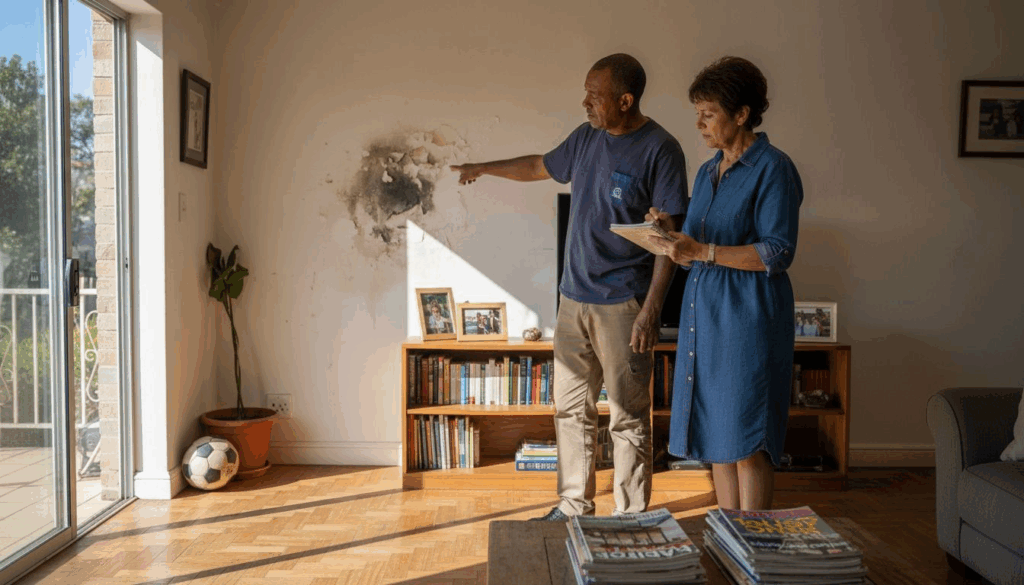
Over 40 percent of British homeowners experience moisture issues that threaten their property’s safety and comfort every year. Damp proofing matters because even minor water infiltration can trigger persistent mould, costly repairs, and long-term health concerns. By understanding the impact of moisture and the science behind effective damp proofing, British residents can make informed choices that protect their homes and well-being for years to come.
Table of Contents
- What Is Damp Proofing and Why It Matters
- Common Types of Damp Affecting Walls
- Damp Proofing Methods and Key Techniques
- Recognising Damp: Signs and Misconceptions
- Risks, Costs, and Choosing the Right Solution
Key Takeaways
| Point | Details |
|---|---|
| Importance of Damp Proofing | Damp proofing is essential to prevent moisture penetration in buildings, safeguarding structural integrity and health in South African homes. |
| Types of Damp | Rising damp, penetrating damp, and condensation damp are common issues, each with distinct causes and warning signs that need to be identified early. |
| Effective Solutions | Various damp proofing methods, including chemical treatments and physical barriers, are available, and should be selected based on specific environmental factors. |
| Health and Cost Implications | Prolonged dampness poses serious health risks and can lead to escalating repair costs, making proactive management vital to protect your investment and well-being. |
What Is Damp Proofing and Why It Matters
Damp proofing represents a critical protective technique designed to prevent moisture penetration in building structures, specifically targeting walls and foundations. This specialised process creates a barrier that stops water from seeping through porous building materials, protecting both the structural integrity and living environment of South African homes. Moisture management strategies are crucial for maintaining healthy indoor spaces and preventing potential health risks.
The fundamental purpose of damp proofing involves blocking water movement through walls and foundations using specialised materials and techniques. These methods are particularly essential in regions with high humidity or frequent rainfall, where continuous moisture exposure can compromise building structures. By implementing effective damp proofing, homeowners prevent multiple potential issues such as structural weakening, mould growth, and potential health complications related to dampness.
Damp proofing techniques typically involve applying waterproof membranes, chemical treatments, or physical barriers during construction or as a retrofit solution. These interventions help prevent water absorption into building materials, protecting against problems like structural decay, paint deterioration, and potential timber rot. Comprehensive damp proofing courses highlight the importance of creating a continuous moisture barrier that maintains the building’s long-term durability and inhabitability.
Pro Tip: Inspect your home’s walls and foundations annually for early signs of moisture penetration, such as discoloured patches, peeling paint, or musty odours, to catch potential damp issues before they become significant structural problems.
Common Types of Damp Affecting Walls
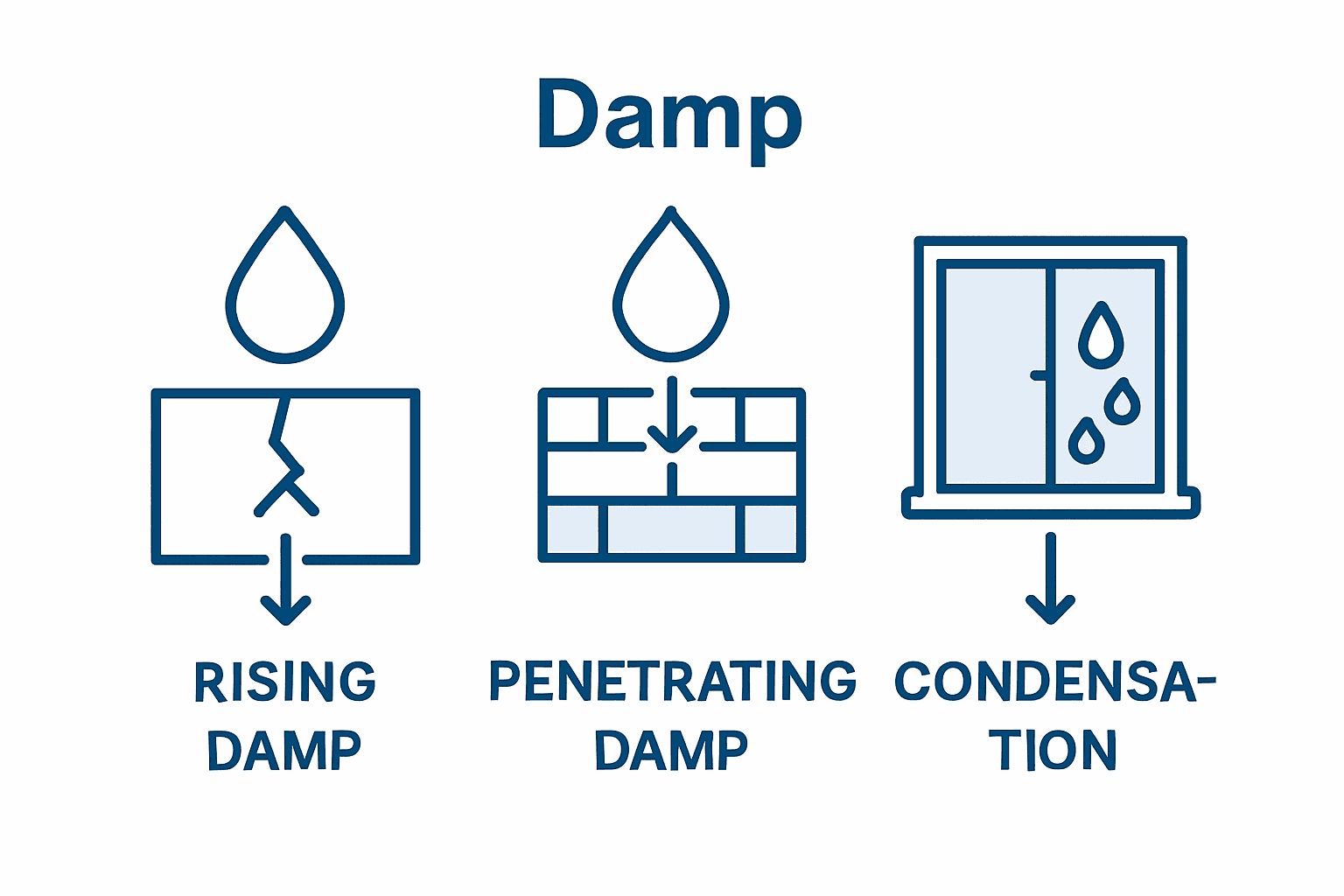
Rising damp represents one of the most challenging moisture problems affecting walls in South African homes. This type of dampness occurs when groundwater travels upwards through porous building materials like brickwork and mortar, creating distinctive tide-like marks and discolouration on wall surfaces. Comprehensive moisture analysis reveals that rising damp can cause significant structural damage if left untreated, with moisture potentially climbing up to one metre above ground level.
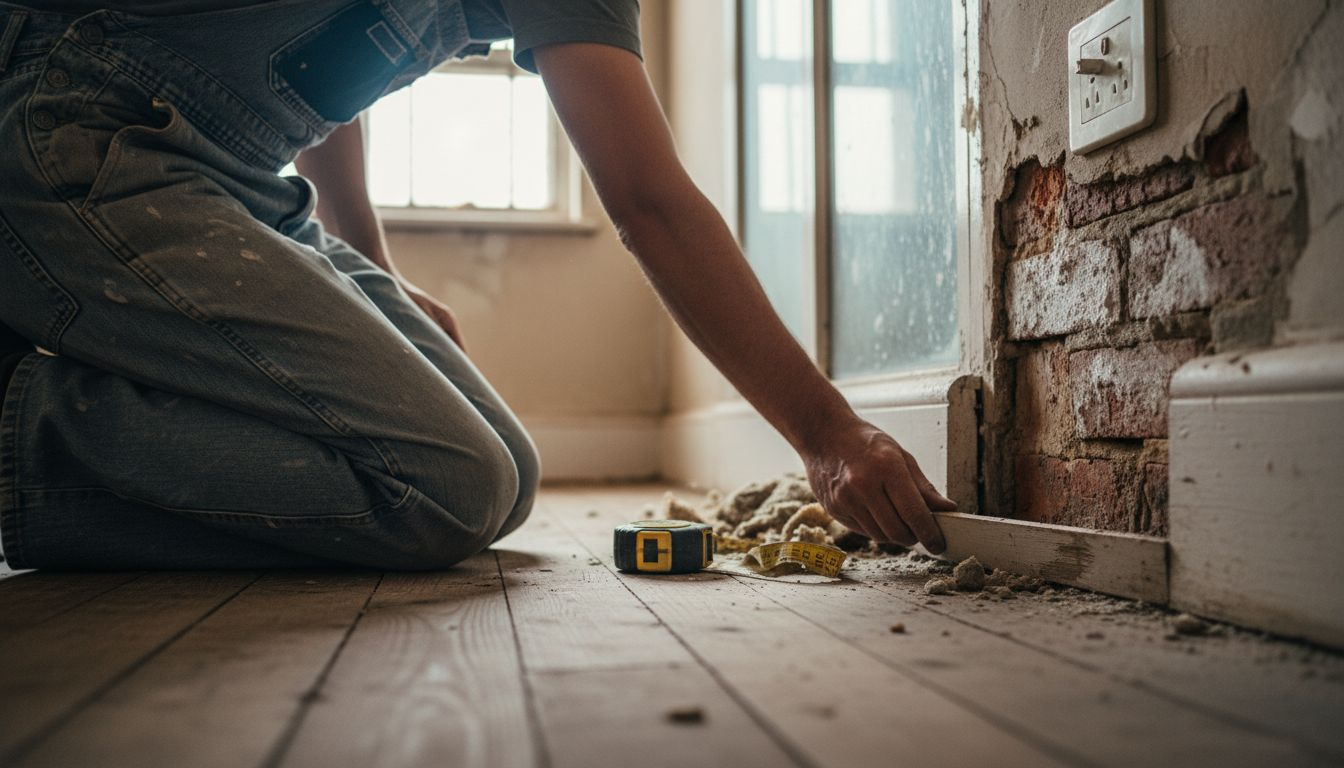
Penetrating damp presents another critical moisture challenge, characterised by water entering walls through external structural weaknesses such as cracks, faulty roof tiles, or compromised window seals. Unlike rising damp, penetrating damp can occur at any wall height and spreads horizontally, creating localised damp patches that progressively weaken building materials. Detailed moisture investigation techniques suggest that this type of dampness often results from poor building maintenance, inadequate exterior waterproofing, or structural defects that allow water intrusion.
Condensation damp emerges from internal moisture generation, typically caused by high humidity levels, inadequate ventilation, and temperature differences within living spaces. This type of dampness frequently appears on cold wall surfaces, particularly in bathrooms, kitchens, and areas with poor air circulation. The moisture accumulation can lead to unsightly black mould growth, potential respiratory health risks, and gradual deterioration of wall surfaces and paintwork.
Pro Tip: Invest in a quality dehumidifier and maintain consistent indoor temperatures to minimise condensation, and regularly inspect your property’s exterior for potential water entry points that could contribute to penetrating or rising damp issues.
The following table outlines the main types of damp affecting buildings and highlights their unique causes and typical warning signs:
| Type of Damp | Primary Cause | Common Warning Signs |
|---|---|---|
| Rising damp | Groundwater rising through brickwork | Tide marks, salt stains |
| Penetrating damp | External moisture ingress via defects | Localised damp patches |
| Condensation damp | Indoor humidity and poor ventilation | Black mould, misted windows |
Damp Proofing Methods and Key Techniques
Chemical damp proofing represents a sophisticated method for protecting walls against moisture penetration, involving the injection of specialised waterproofing chemicals directly into wall structures. Advanced damp proofing techniques demonstrate how these chemical treatments create an impermeable barrier within masonry walls, preventing water molecules from travelling through building materials. This method proves particularly effective for older brick structures with existing moisture challenges.
Physical damp proof courses (DPC) offer another critical intervention strategy for moisture control. These horizontal barriers are typically installed during construction, using materials like slate, bitumen-coated felts, or impermeable plastic membranes that block water migration through wall foundations and lower structural sections. By creating a continuous horizontal barrier, physical DPCs interrupt capillary action and prevent ground moisture from ascending through building materials, thereby protecting the structural integrity of walls.
External drainage and ventilation techniques play an equally crucial role in comprehensive damp proofing strategies. Innovative moisture management approaches emphasise the importance of creating efficient water runoff systems, ensuring proper ground slope away from building foundations, maintaining clear drainage channels, and installing adequate ventilation to reduce internal humidity levels. These techniques work synergistically to minimise moisture accumulation and prevent potential damp-related structural complications.
Pro Tip: Conduct a professional moisture assessment annually, focusing on identifying potential water entry points, checking the condition of existing damp proof courses, and addressing any early signs of moisture penetration before they develop into more significant structural issues.
This table compares key damp proofing methods, clarifying their application areas and principal advantages:
| Method | Best Suited For | Key Advantage |
|---|---|---|
| Chemical damp proofing | Older brickwork with moisture | Minimal disruption to interiors |
| Physical damp proof course | New builds, major renovations | Reliable long-term protection |
| Drainage & ventilation | Any building type | Reduces overall household humidity |
Recognising Damp: Signs and Misconceptions
Identifying damp within home environments requires keen observation and understanding of subtle moisture indicators. Comprehensive moisture detection techniques reveal that visual signs often manifest through distinctive wall characteristics such as discolouration, peeling paintwork, visible mould patches, and unexplained water stains. Homeowners frequently mistake these early warning signals as cosmetic issues, potentially overlooking critical structural moisture problems that demand immediate professional intervention.
Common misconceptions about damp can lead property owners to adopt ineffective remediation strategies. Many individuals mistakenly believe that surface-level treatments like repainting or applying waterproof sealants are sufficient to address moisture intrusion. However, such superficial solutions rarely resolve underlying structural issues causing persistent dampness. Damp is not merely an aesthetic concern but a complex structural challenge requiring systematic diagnosis and targeted interventions that address root moisture sources.
Scientific moisture assessment involves multiple diagnostic approaches beyond visual inspection. Professionals utilise advanced moisture metres, thermal imaging technologies, and comprehensive structural evaluations to determine precise moisture levels, identify potential water entry points, and understand the specific type of dampness affecting a building. These diagnostic methods reveal nuanced moisture patterns that might remain invisible to untrained observers, ensuring a comprehensive understanding of potential structural risks and appropriate remediation techniques.
Pro Tip: Invest in a reliable digital moisture metre and conduct quarterly self-inspections, paying close attention to wall bases, corners, and areas near plumbing fixtures to catch potential moisture issues before they escalate into significant structural problems.
Risks, Costs, and Choosing the Right Solution
Health risks associated with prolonged dampness extend far beyond simple structural damage. Comprehensive damp prevention research reveals that persistent moisture environments can trigger serious respiratory conditions, compromise immune systems, and create breeding grounds for harmful microorganisms like mould and fungal spores. Individuals with pre-existing respiratory conditions, children, and older adults are particularly vulnerable to these environmental health hazards, making effective damp management a critical wellness strategy.
The financial implications of untreated dampness can be substantial, with potential repair costs ranging from modest surface treatments to extensive structural renovations. Minor damp issues might initially require simple interventions costing a few hundred pounds, but neglected moisture problems can escalate into complex structural repairs potentially exceeding tens of thousands of pounds. Structural damage, timber rot, foundation weakening, and persistent mould growth represent cumulative risks that can dramatically reduce property value and necessitate comprehensive remediation.
Selecting an appropriate damp proofing solution requires a nuanced approach considering multiple factors including building age, construction materials, moisture source, and specific environmental conditions. Professional moisture specialists conduct comprehensive assessments that evaluate multiple variables, recommending targeted interventions ranging from chemical damp proof courses and physical membranes to advanced drainage modifications and ventilation improvements. Each solution demands careful consideration of long-term effectiveness, installation complexity, and potential disruption to existing structures.
Pro Tip: Request detailed written assessments from at least three qualified damp proofing professionals, comparing their diagnostic approaches, proposed solutions, warranty terms, and comprehensive cost breakdowns before committing to any moisture remediation strategy.
Protect Your Home with Expert Damp Proofing Solutions
Damp issues such as rising damp, penetrating damp, and condensation can silently damage your South African home, risking health and structural integrity. If you have noticed peeling paint, salt stains, or musty odours, these are clear signs that professional damp proofing is essential to stop moisture from causing costly damage. At Pro Waterproofing, we understand the urgency of creating a reliable moisture barrier using advanced chemical treatments, physical damp proof courses, and effective drainage methods tailored to your property’s unique needs.
Do not let dampness weaken your walls or impact your family’s well-being any longer. Visit our Uncategorized – Pro Waterproofing page to explore expert insights and discover how our specialised services can restore and protect your home. Take action today by heading to https://prowaterproofing.co.za and request a professional assessment to safeguard your property with proven waterproofing strategies.
Frequently Asked Questions
What are the main types of damp affecting walls?
Rising damp, penetrating damp, and condensation damp are the main types affecting walls. Rising damp occurs when groundwater travels upwards through porous materials, penetrating damp is water entering walls through external weaknesses, and condensation damp arises from high indoor humidity and poor ventilation.
How can I prevent condensation damp in my home?
To prevent condensation damp, maintain consistent indoor temperatures and invest in a quality dehumidifier. Additionally, ensure proper ventilation in areas like kitchens and bathrooms to reduce humidity levels.
What is the difference between chemical damp proofing and physical damp proof courses?
Chemical damp proofing involves injecting waterproof chemicals directly into walls to create an impermeable barrier, while physical damp proof courses are horizontal barriers installed during construction that block water migration through foundations.
When should I consider professional help for damp issues?
If you notice persistent signs of damp, such as discolouration, peeling paint, or mould growth, it is advisable to seek professional help. Early intervention can prevent more significant structural damage and health risks associated with prolonged dampness.