
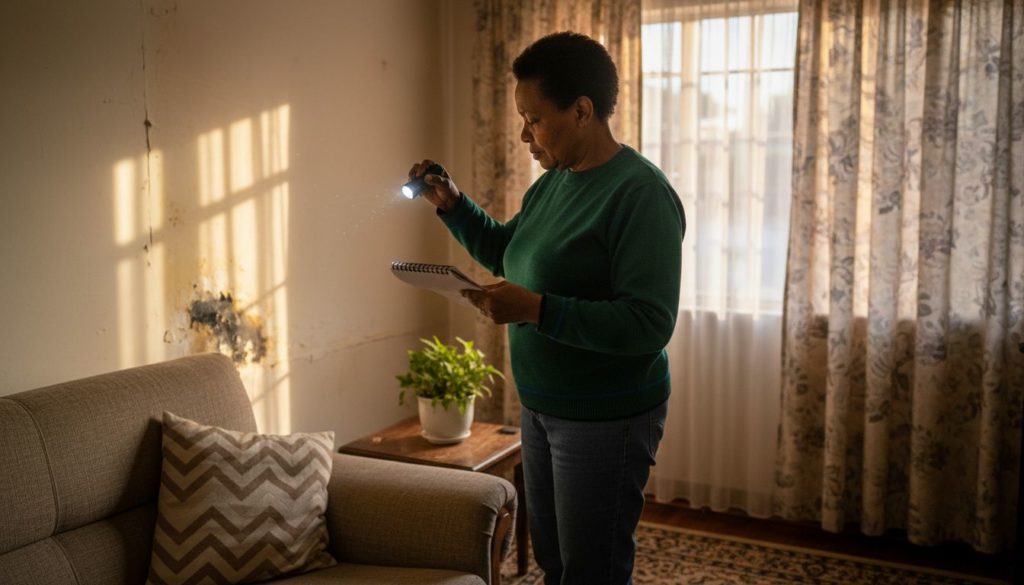
Many South African homeowners assume that damp is mostly a british problem, yet over 35 percent of properties in coastal cities face costly damp-related repairs each year. Whether you manage an old family home or a modern apartment, unchecked moisture can undermine both your comfort and your property’s structural safety. Recognising, preventing, and treating damp early safeguards your investment and helps maintain a healthy living environment.
Table of Contents
- 1. Identify Common Signs of Damp in Your Property
- 2. Improve Ventilation to Prevent Moisture Build-up
- 3. Seal External Walls with Quality Waterproof Products
- 4. Check and Repair Roofs and Gutters Regularly
- 5. Install Damp Proof Courses for Lasting Protection
- 6. Maintain Proper Drainage Around the Building
- 7. Consult Professional Damp Proofing Contractors
Quick Summary
| Key Message | Explanation |
|---|---|
| 1. Regularly inspect for damp signs | Look for mould, peeling paint, and discolouration. Detecting these features early saves you from costly repairs later. |
| 2. Enhance ventilation to reduce moisture | Implement extractor fans, open windows, and use dehumidifiers to maintain airflow and lower humidity levels in your home. |
| 3. Apply high-quality waterproofing solutions | Select appropriate materials and apply them correctly to protect your property from moisture intrusion and preserve its structural integrity. |
| 4. Maintain roofs and drainage systems | Regular checks and cleanings of roofs and gutters prevent water pooling and intrusion, protecting your property from potential damage. |
| 5. Consult professionals when necessary | Seek expert help for accurate diagnosis and tailored treatment for serious damp issues to ensure long-term property protection. |
1. Identify Common Signs of Damp in Your Property
Damp is a silent menace that can wreak havoc on your property if left undetected. Understanding the early warning signs is crucial for protecting your home from potential structural damage and health risks.
In South African properties, particularly in coastal regions with high humidity, damp can quickly become a serious problem. Recognising the symptoms early can save you thousands in repair costs and prevent long-term structural deterioration.
Key Visual Warning Signs:
- Visible Mould Growth: Dark spots or patches on walls, ceilings, or corners
- Peeling Wallpaper or Paint: Bubbling, cracking, or separating wall coverings
- Discolouration: Yellow or brownish stains on walls and ceilings
- Salt Efflorescence: White, powdery mineral deposits on wall surfaces
Sensory Warning Signs:
- Musty Odours: Persistent dank or earthy smells in specific rooms
- Increased Humidity: Rooms feeling consistently damp or muggy
- Cold Wall Surfaces: Walls that feel perpetually cool or wet to touch
Professional waterproofing experts recommend conducting regular visual inspections, especially in areas prone to moisture accumulation like bathrooms, basements, and kitchens. Pay close attention to corners, skirting boards, and areas near plumbing fixtures.
“Early detection of damp can prevent extensive and expensive property damage.”
If you notice multiple signs, it is critical to consult a professional waterproofing specialist who can assess the extent of moisture penetration and recommend appropriate remediation strategies.
2. Improve Ventilation to Prevent Moisture Build-up
Proper ventilation is a critical defence against moisture accumulation in your property, helping prevent damp and potential structural damage. Good airflow reduces humidity levels and stops moisture from settling in walls, ceilings, and other vulnerable surfaces.
South African homes, especially in regions with high humidity, require strategic ventilation approaches to combat moisture challenges. Property maintenance experts recommend implementing targeted ventilation strategies that can significantly reduce the risk of damp related issues.
Strategic Ventilation Techniques:
- Install Extractor Fans: Place in bathrooms, kitchens, and laundry areas to remove moisture at its source
- Use Air Bricks and Vents: Ensure proper airflow in closed rooms and crawl spaces
- Open Windows Regularly: Create cross ventilation by opening windows on opposite sides of rooms
- Use Dehumidifiers: In particularly humid areas or rooms with limited natural ventilation
Room Specific Ventilation Tips:
- Bathrooms: Run extractor fan during and 15 minutes after showering
- Kitchens: Use range hoods when cooking to remove steam and cooking moisture
- Bedrooms: Keep wardrobes slightly open to prevent moisture trapping
“Consistent airflow is your primary defence against moisture build-up.”
Implementing these ventilation strategies will help maintain a dry, healthy living environment and protect your property from potential damp related structural issues.
3. Seal External Walls with Quality Waterproof Products
Protecting your property against moisture intrusion requires strategic sealing of external walls using high quality waterproofing solutions. This critical step prevents water penetration and safeguards your building’s structural integrity.
Comprehensive waterproofing strategies involve addressing potential moisture entry points through advanced sealing techniques and specialised products.
Key Waterproofing Approaches:
- Surface Preparation: Thoroughly clean and inspect external wall surfaces before application
- Crack Identification: Locate and repair existing wall fissures before waterproofing
- Select Appropriate Products: Choose waterproofing materials suitable for your specific wall type
- Professional Application: Ensure even coverage and proper technique
Recommended Waterproofing Techniques:
- Cement Based Slurry Application: Apply specialised waterproof compounds to create a moisture barrier
- Silicone Based Sealants: Use flexible sealants for areas with potential movement
- Penetrative Sealers: Opt for products that integrate with wall material for long lasting protection
“Effective waterproofing is an investment in your property’s longevity.”
Careful selection and application of waterproofing products can prevent costly structural damage and maintain your property’s value and appearance.
4. Check and Repair Roofs and Gutters Regularly
Your roof and gutter system represent the first line of defence against water intrusion, protecting your property from potential moisture damage. Regular inspections and maintenance are crucial for preventing expensive structural repairs.
Comprehensive seasonal roof maintenance involves systematic checks to identify and address potential vulnerabilities before they escalate into significant problems.
Roof Inspection Checklist:
- Visual Surface Assessment: Look for cracked, missing, or damaged tiles
- Check Roof Flashings: Inspect metal seals around chimneys and ventilation points
- Examine Roof Edges: Search for signs of wear or potential water entry points
- Assess Structural Integrity: Watch for sagging or uneven roof surfaces
Gutter Maintenance Strategies:
- Clear Debris Regularly: Remove leaves, twigs, and sediment from guttering
- Inspect Downpipe Connections: Ensure secure attachment and proper water flow
- Check for Rust or Damage: Replace sections showing significant wear
- Test Water Drainage: Verify gutters direct water away from foundation
Water Redirection Techniques:
- Install Gutter Extensions: Redirect water further from building base
- Use Splash Blocks: Prevent water pooling near structural foundations
- Create Proper Grading: Ensure ground slopes away from property
“Prevention is always more cost effective than repair.”
Consistent roof and gutter maintenance protects your property investment and prevents costly water damage repairs.
5. Install Damp Proof Courses for Lasting Protection
A damp proof course (DPC) represents a critical barrier against moisture penetration in building foundations and walls. This protective layer prevents ground moisture from rising through porous building materials and causing structural damage.
Comprehensive moisture prevention strategies highlight the importance of installing a robust damp proof course during construction or renovation.
DPC Installation Considerations:
- Material Selection: Choose high quality waterproof membranes
- Placement Precision: Install at least 150mm above ground level
Types of Damp Proof Courses:
- Chemical DPC: Liquid chemical treatments injected into wall bases
- Physical Membrane: Plastic or bitumen sheets integrated during construction
- Crystalline DPC: Specialised chemical treatments that block moisture pathways
Critical Installation Zones:
- Foundation Perimeter: Complete coverage around entire building base
- Wall Intersections: Seal junctions between walls and floors
- External Ground Levels: Ensure proper ground slope away from building
“A well installed damp proof course prevents years of potential structural damage.”
Professional installation and regular maintenance of your damp proof course will protect your property from rising moisture and potential long term structural complications.
6. Maintain Proper Drainage Around the Building
Effective drainage is a critical defence against water damage and moisture infiltration in your property. Ensuring water flows away from your building’s foundation prevents potential structural compromise and costly repairs.
Comprehensive drainage management involves strategic water redirection and consistent maintenance of drainage systems.
Drainage Improvement Strategies:
- Ground Grading: Create a gentle slope away from building foundations
- Gutter Extensions: Install downspout extensions to direct water further from structure
- Splash Blocks: Use concrete or plastic blocks to disperse water flow
- French Drains: Install underground drainage systems for problematic areas
Critical Drainage Zones:
- Foundation Perimeter: Maintain minimum 150mm slope away from walls
- Garden Beds: Ensure landscaping does not trap water near building
- Paved Areas: Check for proper water runoff and drainage channels
Maintenance Recommendations:
- Regular Inspection: Check drainage systems quarterly
- Clear Debris: Remove leaves and sediment from gutters and drains
- Monitor Water Flow: Observe drainage patterns during rainfall
“Proper drainage is your property’s first line of defence against moisture damage.”
Consistent attention to drainage can prevent significant structural issues and protect your property investment.
7. Consult Professional Damp Proofing Contractors
When DIY solutions fall short, professional damp proofing contractors become your most valuable resource for comprehensive moisture protection. Expert intervention can prevent long term structural damage and address complex moisture issues beyond surface level treatments.
Recognising when professional expertise is required is crucial for maintaining your property’s integrity and value.
What Professional Contractors Offer:
- Advanced Diagnostic Tools: Moisture metres and thermal imaging cameras
- Expert Moisture Analysis: Comprehensive assessment of damp sources
- Tailored Solutions: Customised treatment plans for specific property needs
- Quality Materials: Access to specialised waterproofing products
Contractor Selection Criteria:
- Industry Certifications: Check professional accreditations
- Experience in Local Conditions: Knowledge of South African climate challenges
- Comprehensive Insurance: Verify professional liability coverage
- Detailed Written Quotations: Request transparent pricing and scope of work
Red Flags to Watch:
- Vague Recommendations: Lack of specific diagnostic details
- Pressure Sales Tactics: Avoid contractors pushing unnecessary services
- No Written Guarantees: Reputable firms provide warranty documentation
“Professional intervention can save thousands in potential repair costs.”
Investing in professional damp proofing expertise provides peace of mind and long term protection for your property.
Below is a comprehensive table summarising the strategies and considerations discussed throughout the article regarding managing damp in properties.
| Strategy | Implementation | Expected Results |
|---|---|---|
| Identify Damp Signs | Regular inspections for visible mould, discolouration, and musty odours. | Early detection to prevent extensive damage and repair costs. |
| Improve Ventilation | Use extractor fans, air bricks, and open windows regularly. | Reduced humidity and prevention of moisture build-up. |
| Seal External Walls | Prepare surfaces, repair cracks, and apply suitable waterproof products. | Long-term protection against water penetration. |
| Roof and Gutter Maintenance | Conduct visual inspections and clear debris regularly. | Prevention of water entry and structural damage. |
| Install Damp Proof Courses | Choose appropriate materials and ensure precise placement. | Effective barrier against rising moisture. |
| Maintain Proper Drainage | Implement ground grading, gutter extensions, and splash blocks. | Effective water redirection protecting foundations. |
| Consult Professional Contractors | Utilise expert diagnostics and tailored solutions. | Comprehensive moisture protection and peace of mind. |
Protect Your South African Property with Expert Damp Proofing Solutions
Damp issues can silently damage your home’s structure and affect your family’s health. This guide has highlighted critical steps like identifying damp signs, improving ventilation, sealing walls, and roof maintenance to safeguard your property. If you want to take confident action against moisture threats, expert support is essential. At Pro Waterproofing, we understand the unique South African climate challenges and provide trusted waterproofing services tailored to your needs.
Explore practical and professional solutions in our Uncategorized – Pro Waterproofing section. Don’t let damp issues escalate. Visit Pro Waterproofing today to request your customised quote and start protecting your property with quality workmanship and proven techniques.
Frequently Asked Questions
What are the common signs of damp in my property?
Damp can manifest as visible mould growth, peeling wallpaper, discolouration, or salt efflorescence. Conduct regular visual inspections, especially in moisture-prone areas such as bathrooms and kitchens, to identify these signs.
How can I improve ventilation to prevent damp?
To enhance ventilation, install extractor fans in bathrooms and kitchens, open windows regularly, and consider using dehumidifiers in humid areas. Aim for consistent airflow by maintaining these practices daily, especially during periods of high humidity.
What waterproofing products should I use for my external walls?
Select high-quality waterproofing solutions such as cement-based slurries or silicone-based sealants tailored to your specific wall type. Ensure proper surface preparation and professional application for optimal effectiveness.
How often should I inspect my roof and gutters for potential damp issues?
Inspect your roof and gutter system at least twice a year, ideally before and after the rainy season. Regular checks will help you identify issues early, reducing risks of costly repairs down the line.
What should I consider when installing a damp proof course?
Choose high-quality waterproof membranes and ensure installation is at least 150mm above ground level to effectively block moisture penetration. Consult with a professional for precise placement and installation to safeguard your property.
When is it time to consult a professional damp proofing contractor?
Consider hiring a professional when you notice persistent damp issues or if DIY methods fail to address the problem. A qualified contractor can conduct a thorough analysis and provide tailored solutions to protect your property long-term.
Recommended
- These 5 Tips Will Help You Keep Your Home Waterproof
- 7 Top Waterproofing Tips Every South African Owner Needs
- 7 Effective Examples of Damp Proofing Techniques – Pro Waterproofing
- 7 Essential Waterproofing Tips for Homeowners in South Africa
- 7 Essential Items for a Building Inspection Checklist – FloridaLicensedEngineers.com
- 7 Essential Steps for a Structural Inspection Checklist – Texas Licensed Engineers | Residential & Commercial