
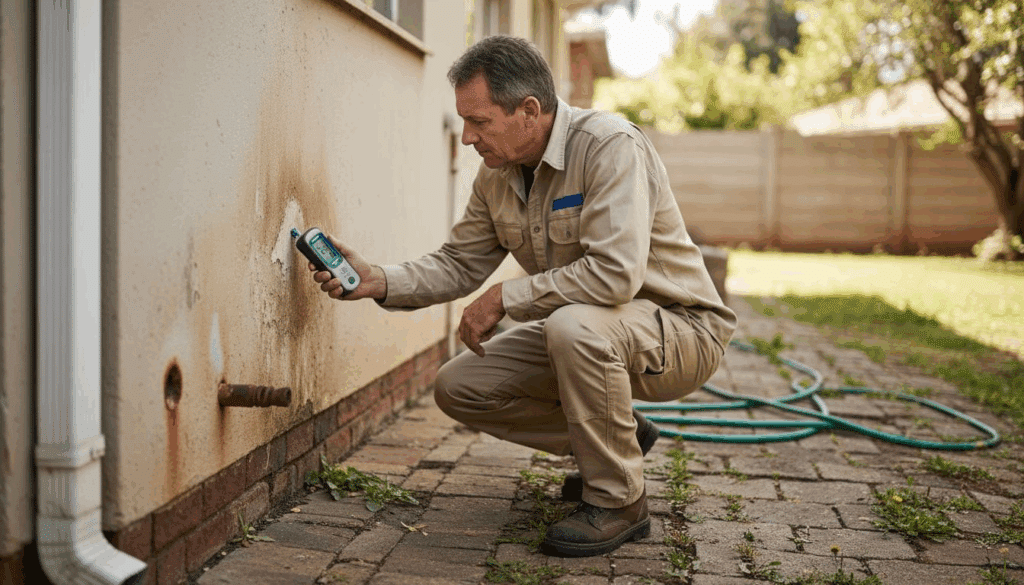
Water damage can quietly undermine the value and safety of South African homes. With the country’s challenging climate and sudden weather shifts, untreated moisture can destroy building materials, invite mould, and leave you facing expensive repairs. Protecting your property starts with understanding why effective waterproofing is your best defence.
The right strategies not only guard your investment but also add years to the life of your structure. In the steps ahead, you’ll uncover practical solutions for detecting risks, choosing suitable waterproofing materials, and working with professionals to keep your home secure. Find out how you can shield your property from unnecessary damage and save yourself stress down the line.
Table of Contents
- Understand The Importance Of Effective Waterproofing
- Inspect Key Areas For Water Intrusion Risks
- Choose The Right Waterproofing Membrane For Your Property
- Apply Advanced Liquid Coatings For Roof Protection
- Upgrade With Cementitious Waterproofing For Wet Areas
- Utilise Bituminous Methods For Long-Term Durability
- Work With Certified Contractors For Guaranteed Results
Quick Summary
| Takeaway | Explanation |
|---|---|
| 1. Conduct Regular Moisture Assessments | Annual professional assessments help identify vulnerabilities early, preventing escalation into major issues and costly repairs. |
| 2. Inspect Key Areas for Water Intrusion | Systematic inspection of high-risk zones like foundations and roofing can reveal hidden water entry points before damage occurs. |
| 3. Choose the Right Waterproofing Membrane | Selecting an appropriate membrane based on specific environmental conditions ensures optimal long-term protection against moisture. |
| 4. Use Advanced Liquid Coatings for Roofs | Liquid-applied coatings provide seamless, flexible membranes, enhancing roof durability against extreme weather and structural movements. |
| 5. Work with Certified Contractors | Engaging certified contractors guarantees professional application, comprehensive warranties, and adherence to building standards, safeguarding your property effectively. |
1. Understand the Importance of Effective Waterproofing
Water damage is a silent destroyer of property, particularly in South Africa’s diverse climate zones. Your home represents more than just a structure – it’s an investment that requires strategic protection against moisture intrusion.
Waterproofing is not merely a maintenance task but a critical defence mechanism for preserving your property’s structural integrity and value. By implementing robust waterproofing solutions, property owners can prevent catastrophic damage that might otherwise lead to expensive repairs.
Key reasons waterproofing matters for South African homeowners include:
- Preventing structural deterioration
- Protecting interior spaces from dampness
- Maintaining property market value
- Reducing long-term maintenance costs
- Preventing mould and fungal growth
Effective waterproofing is your first line of defence against moisture-related property damage.
The financial implications are substantial. Unaddressed water damage can decrease property value by up to 20% and create potential health risks through mould proliferation. Professional waterproofing interventions act as a critical shield against these potential challenges.
Pro tip: Conduct an annual professional moisture assessment to catch potential waterproofing vulnerabilities before they escalate into significant problems.
2. Inspect Key Areas for Water Intrusion Risks
Identifying potential water entry points is crucial for comprehensive property protection. Your home has several vulnerable zones that require systematic inspection and proactive maintenance.
Water intrusion risks can emerge from multiple structural locations, often hidden from immediate view. Understanding these critical areas helps prevent costly water damage and preserve your property’s structural integrity.
Key areas to meticulously inspect include:
- Foundation walls and basement
- Roof edges and drainage systems
- Window and door frames
- External wall surfaces
- Plumbing connection points
- External ground slope near building
- Exterior waterproofing membranes
Consistent monitoring prevents microscopic moisture problems from transforming into major structural challenges.
Visual inspection techniques are essential for early detection. Look for subtle signs like:
- Hairline foundation cracks
- Discoloured plaster
- Musty odours
- White mineral deposits
- Peeling paint
- Unexplained dampness
Professional moisture detection services can provide advanced diagnostic techniques beyond surface-level assessments, utilising thermal imaging and specialised moisture metres to identify hidden risks.
Pro tip: Conduct a comprehensive property moisture inspection annually during the dry season to identify and address potential water intrusion vulnerabilities before the rainy period begins.
3. Choose the Right Waterproofing Membrane for Your Property
Selecting an appropriate waterproofing membrane is a critical decision that directly impacts your property’s long-term protection. Each membrane type offers unique characteristics suited to different structural requirements and environmental challenges.
Waterproofing membrane selection demands careful consideration of multiple factors. Waterproofing material choices depend on several key parameters specific to South African building conditions.
Primary membrane types include:
- Cementitious membranes: Ideal for concrete structures
- Liquid membranes: Excellent for complex architectural shapes
- Bituminous membranes: Superior water resistance
- Polyurethane membranes: Flexible application options
- Acrylic-based membranes: Cost-effective solution
The right waterproofing membrane transforms potential vulnerability into robust structural protection.
Crucial selection criteria involve evaluating:
- Surface material composition
- Expected water exposure level
- Structural movement potential
- Climate zone characteristics
- Budget constraints
- Anticipated lifespan requirement
South African properties demand membranes capable of withstanding significant temperature variations and potential ground movement. Understanding your specific environmental challenges helps make an informed selection.
Pro tip: Consult a professional waterproofing specialist who can conduct a comprehensive site assessment and recommend the most suitable membrane for your specific property conditions.
4. Apply Advanced Liquid Coatings for Roof Protection
Roof waterproofing represents a critical defence mechanism against South Africa’s unpredictable weather patterns. Modern liquid-applied waterproofing systems offer comprehensive protection that traditional methods cannot match.
Liquid coating technologies provide remarkable advantages for property owners seeking robust roof protection. These advanced systems create a seamless elastic membrane that adapts to structural movements and environmental challenges.
Key benefits of liquid roof coatings include:
- Seamless protective coverage
- High elasticity and flexibility
- Resistance to extreme temperature variations
- Enhanced UV protection
- Rapid application process
- Minimal surface disruption
- Long-term durability
A strategically applied liquid membrane transforms your roof from vulnerable to virtually impenetrable.
Application considerations for optimal results:
- Clean surface thoroughly before application
- Inspect existing roof for structural damage
- Select coating compatible with surface material
- Apply during dry weather conditions
- Ensure proper thickness and even distribution
South African properties require waterproofing solutions that withstand intense sunlight, sudden rainfall, and potential structural movements. Liquid coatings offer an environmentally friendly approach that extends roof lifespan while providing superior protection.
Pro tip: Consult a professional waterproofing specialist to assess your specific roof characteristics and recommend the most suitable liquid coating system for your property.
5. Upgrade with Cementitious Waterproofing for Wet Areas
Wet areas in homes present unique challenges for moisture protection. Cementitious waterproofing offers a robust solution for bathrooms, kitchens, and other high-moisture environments that demand exceptional water resistance.
Cementitious waterproofing systems create a rigid protective barrier that prevents water penetration in critical areas prone to moisture damage. Waterproofing solutions transform vulnerable spaces into resilient, long-lasting structural zones.
Key advantages of cementitious waterproofing include:
- Exceptional bond with concrete surfaces
- High resistance to water pressure
- Breathable membrane technology
- Cost-effective protection
- Quick application process
- Minimal surface preparation required
- Long-term durability
A properly applied cementitious coating transforms vulnerable wet areas into impenetrable protective zones.
Application zones most critical for this technique:
- Bathroom floor and wall interfaces
- Kitchen splashback areas
- Laundry room surfaces
- Basement walls and floors
- Exterior concrete structures
Professional application ensures comprehensive coverage and prevents potential water migration through microscopic surface imperfections. Understanding the nuanced application techniques makes a significant difference in long-term moisture protection.
Pro tip: Ensure surface preparation includes thorough cleaning and addressing any existing cracks or structural irregularities before applying cementitious waterproofing.
6. Utilise Bituminous Methods for Long-Term Durability
Bituminous waterproofing represents a sophisticated solution for protecting South African properties against moisture intrusion. Polymer-modified bitumen membranes offer robust defence mechanisms for multiple structural applications.
Bituminous waterproofing technologies provide exceptional protection by creating seamless, flexible barriers that adapt to structural movements and environmental challenges. These advanced systems are particularly effective in regions experiencing extreme weather conditions.
Key advantages of bituminous waterproofing include:
- Exceptional durability
- High flexibility
- Seamless protective coverage
- Resistance to temperature variations
- Cost-effective long-term solution
- Minimal maintenance requirements
- Superior water-blocking capabilities
Bituminous membranes transform vulnerable structures into resilient, water-resistant environments.
Optimal application zones for bituminous methods:
- Flat roof surfaces
- Underground basement walls
- Foundation perimeters
- Retaining wall structures
- Below-grade concrete elements
Professional application ensures comprehensive coverage and prevents potential water migration through microscopic surface imperfections. Understanding the nuanced techniques makes a significant difference in long-term moisture protection.
Pro tip: Conduct regular inspections of bituminous membranes to identify and address potential degradation caused by prolonged sunlight exposure and environmental stress.
7. Work with Certified Contractors for Guaranteed Results
Choosing the right waterproofing contractor can mean the difference between long-term protection and potential structural disasters. Certified waterproofing contractors bring professional expertise that transforms your property’s moisture defence strategy.
Professional contractor selection involves understanding critical evaluation criteria beyond surface-level promises. These specialists provide comprehensive solutions tailored to South African environmental challenges.
Key attributes of certified waterproofing contractors include:
- Professional industry accreditations
- Comprehensive product warranties
- Proven track record of successful projects
- Advanced technical knowledge
- Quality material selection
- Detailed project assessment capabilities
- Compliance with national building standards
A certified contractor represents your ultimate defence against potential water damage.
Contractor verification steps:
- Request professional certifications
- Review previous project portfolios
- Check industry association memberships
- Verify product warranty offerings
- Examine client testimonials
Understanding the nuanced skills required for effective waterproofing helps property owners make informed decisions. Professional contractors bring technical expertise that extends far beyond basic application techniques.
Pro tip: Request comprehensive written quotes that detail specific waterproofing techniques, materials, and warranty terms before committing to any professional service.
Below is a summarised table of primary strategies and insights regarding waterproofing applications and considerations as discussed in the article.
| Topic/Step | Key Points | Benefits/Outcomes |
|---|---|---|
| Importance of Effective Waterproofing | Protects property’s structure and market value, prevents mould growth and reduces maintenance costs | Increased lifespan of the property and reduced health risks |
| Inspecting Areas for Water Intrusion | Identify risks in key structural areas such as roofs, foundations, doors, and walls; utilise advanced diagnostic techniques | Prevent major damage and reduce repair expenses |
| Selecting Waterproofing Membranes | Consider cementitious, liquid, bituminous, polyurethane types; tailor selection to material, budget, and environment | Enhanced water resistance tailored to specific property needs |
| Advantages of Liquid Roof Coatings | Offer seamless, flexible coverage resistant to environmental stress | Improved protection and longevity for roofs |
| Cementitious Waterproofing for Wet Areas | Ideal for kitchens, bathrooms, basements; cost-effective and fast application | Prolonged durability and improved hygiene in high-moisture spaces |
| Bituminous Waterproofing Applications | For flat roofs, basements, and retaining walls; resistant to extreme weather | Exceptional durability and long-term savings |
| Working with Certified Contractors | Verify qualifications, review portfolios, and ensure warranty compliance | Professional results and peace of mind regarding application quality |
Protect Your South African Property with Expert Waterproofing Solutions
Understanding the critical importance of effective waterproofing methods for South African properties is just the first step. Whether you are concerned about moisture intrusion in your foundation walls, roof, or wet areas, the challenge of selecting the right waterproofing membrane or system can feel overwhelming. Key pain points include preventing structural damage, avoiding costly repairs, and safeguarding your investment against mould and dampness.
At Pro Waterproofing, we specialise in providing tailored solutions built on advanced techniques such as liquid roof coatings, cementitious applications, and bituminous membranes. Our professional services ensure that every vulnerable area of your home or commercial property receives the protection it needs to withstand South Africa’s diverse climate. Don’t wait until water damage compromises your property value.
Explore our Uncategorized – Pro Waterproofing services to discover how we apply industry-leading waterproofing methods with certified expertise.
Start your journey to a water-resistant, durable property today. Visit Pro Waterproofing now for a comprehensive moisture assessment and connect with certified contractors ready to deliver guaranteed results tailored to your needs.
Frequently Asked Questions
What are the key waterproofing methods for South African properties in 2025?
Effective waterproofing methods for South African properties include cementitious waterproofing for wet areas, liquid coatings for roofs, and bituminous membranes for long-term durability. Explore these techniques to select the most suitable solution for your specific needs.
How can I prevent water damage in my home?
To prevent water damage, routinely inspect key areas prone to water intrusion, such as foundation walls and roof edges. Conduct a thorough visual inspection for cracks and other signs of moisture, and consider an annual professional moisture assessment to ensure ongoing protection.
What factors should I consider when choosing a waterproofing membrane?
When selecting a waterproofing membrane, consider surface material, expected water exposure, and structural movement potential. Evaluate these factors to determine which membrane type – such as cementitious or liquid – best fits your property’s conditions.
How often should I conduct waterproofing inspections?
Conduct waterproofing inspections at least once a year, preferably during the dry season. This regular check helps you identify and address potential vulnerabilities before the rainy season begins, safeguarding your property against moisture-related damage.
What can I do to enhance my roof’s waterproofing?
To enhance your roof’s waterproofing, apply a high-quality liquid coating that creates a seamless and elastic membrane. Ensure proper application by cleaning the surface thoroughly and applying during dry conditions, as this can significantly extend your roof’s lifespan.
Why should I hire a certified waterproofing contractor?
Hiring a certified waterproofing contractor ensures you receive professional expertise and guarantees long-term protection for your property. They provide tailored solutions, quality materials, and compliance with building standards that are crucial for effective waterproofing.
Recommended
- 7 Top Waterproofing Tips Every South African Owner Needs
- 7 Essential Waterproofing Tips for Homeowners in South Africa
- 7 Waterproofing Methods for Home: Protect Your Property
- Why Waterproofing Matters for South African Properties
- Insulating a Strip Foundation: Thermal Bridge-Free Details, Materials, and Common Mistakes › Danica
- Drainage | Interlocking Etobico