
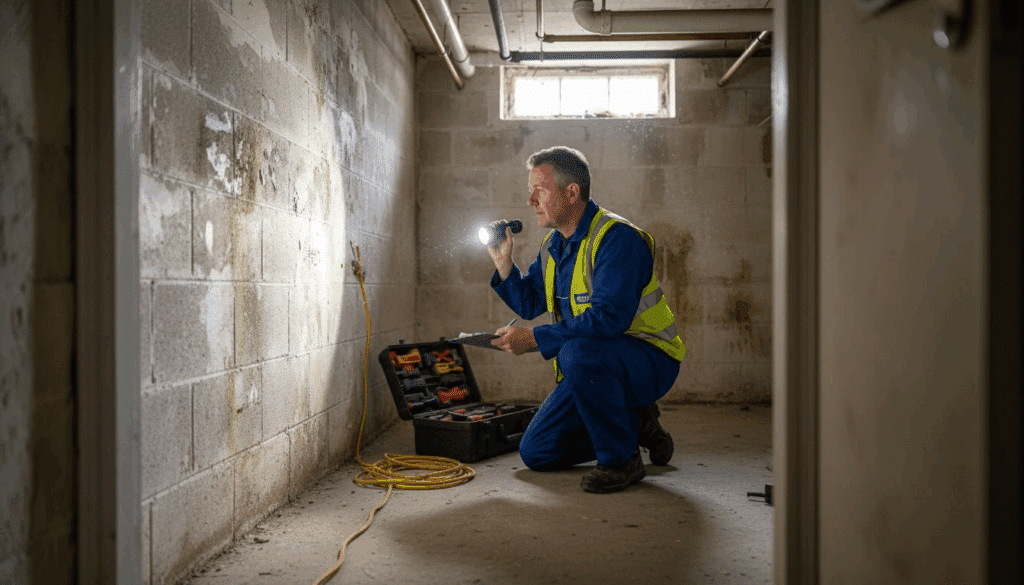
Battling persistent damp in your Gauteng home can leave you feeling overwhelmed and concerned about costly damage. Choosing a trustworthy waterproofing contractor is key to protecting your property and your investment. With expert guidance on evaluating moisture risks, verifying contractor credentials through the Construction Industry Development Board, and understanding the best practices outlined in the South African National Building Regulations, you will confidently navigate every step of the waterproofing selection process.
Table of Contents
- Step 1: Define Your Waterproofing Needs And Priorities
- Step 2: Gather Referrals And Research Local Specialists
- Step 3: Check Credentials, Experience And Reviews
- Step 4: Request Detailed Quotes And Assess Guarantees
- Step 5: Verify Workmanship On Recent Projects
Quick Summary
| Key Point | Explanation |
|---|---|
| 1. Identify moisture sources early | Assess your property for groundwater, leaks, and condensation to target waterproofing efforts effectively. |
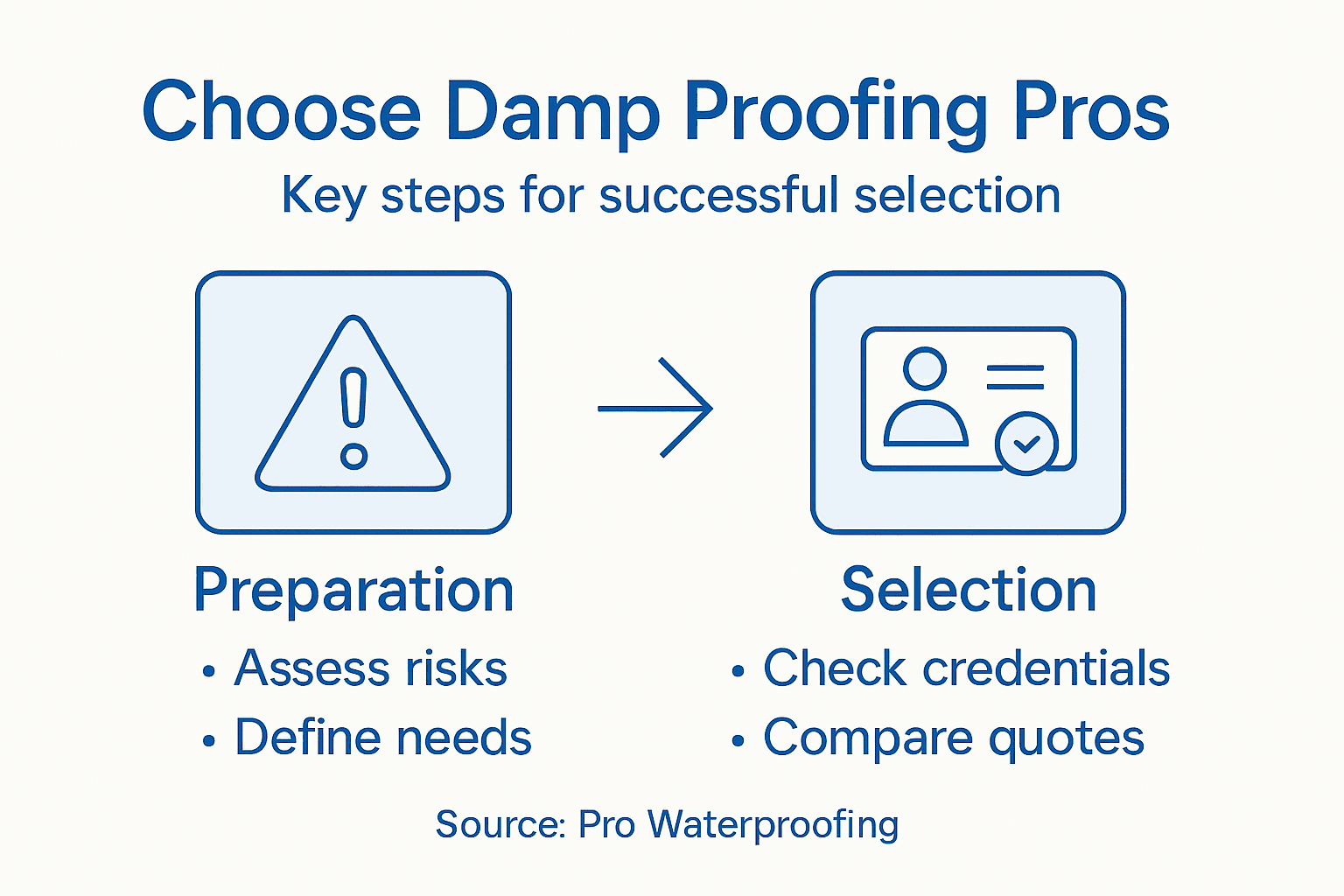
| 2. Research reputable contractors | Gather referrals and verify contractors’ credentials to ensure you hire professionals with proven expertise. |
| 3. Get detailed quotes and guarantees | Request comprehensive quotes that outline work scope, costs, and warranty terms for informed decision-making. |
| 4. Validate contractor’s recent projects | Review past project performance and request site visits to check the quality of their waterproofing work. |
Step 1: Define your waterproofing needs and priorities
Successful waterproofing starts with a clear understanding of your specific property requirements. The process involves carefully evaluating your building’s unique moisture challenges and developing a strategic approach that addresses potential damp-related risks.
To effectively define your waterproofing needs, you must conduct a comprehensive assessment focusing on several critical factors:
- Identify moisture sources such as groundwater, rainfall, condensation, or plumbing leaks
- Assess building materials and their current water resistance capabilities
- Examine architectural vulnerabilities like foundation cracks or inadequate drainage
- Consider local environmental conditions including rainfall patterns and soil moisture levels
The national building regulations provide essential guidance for understanding moisture protection standards. These regulations outline specific requirements for different property types and environmental contexts, helping you develop a targeted waterproofing strategy.
Prioritising your waterproofing needs requires a systematic approach. Start by ranking potential moisture risks based on severity and potential structural damage. Areas like basements, foundations, and exterior walls typically demand the most immediate attention, as water intrusion can cause significant long-term problems.
Here is a summary of typical waterproofing risk areas and their consequences:
| Area of Concern | Common Moisture Source | Impact of Neglect |
|---|---|---|
| Basement | Groundwater penetration | Mould, structural weakening |
| Foundation | Rising damp, poor drainage | Cracks, subsidence risk |
| Exterior walls | Rainfall, condensation | Paint damage, corrosion |
| Roof and terraces | Heavy rain, faulty gutters | Leaks, insulation failure |
Successful waterproofing is about preventing moisture before it becomes a costly structural issue.
Expert tip: Invest time in a thorough property inspection before committing to any waterproofing solution to ensure you address the root cause of moisture problems.
Step 2: Gather referrals and research local specialists
Finding the right waterproofing contractor requires a strategic approach combining personal recommendations and professional verification. Your goal in this step is to compile a list of reputable specialists who can effectively address your specific moisture challenges.
Begin by tapping into your personal and professional networks for reliable referrals. Ask colleagues, neighbours, and local property managers about their experiences with waterproofing contractors. Pay attention to more than just their recommendation – inquire about specific details such as:
- Quality of workmanship
- Reliability and punctuality
- Communication during the project
- Cost-effectiveness of the solution
- Long-term effectiveness of their waterproofing work
Supplementing personal recommendations, you can verify contractor credentials through the Construction Industry Development Board. This official register provides critical information about contractor grading, specialisations, and professional standing, helping you distinguish between qualified and unqualified service providers.
Carefully document your potential contractors, creating a shortlist of professionals who demonstrate both technical expertise and positive reputation. Look for specialists with proven experience in addressing moisture challenges similar to your property’s specific requirements.
Professional verification is your first line of defence against substandard waterproofing work.
Expert tip: Request and thoroughly check at least three independent references for each potential contractor before making your final selection.
Step 3: Check credentials, experience and reviews
Validating a waterproofing contractor’s professional standing is crucial in ensuring you select a reliable and competent specialist. This step involves a comprehensive examination of their professional credentials, practical experience, and reputation in the industry.
Start by verifying professional registrations through authoritative bodies like the Construction Industry Development Board. These official registers provide critical insights into a contractor’s:
- Professional certification levels
- Years of industry experience
- Project complexity history
- Financial stability
- Compliance with national regulations
Additionally, investigate the contractor’s professional standing with the South African Council for Project Management. This verification helps confirm that the contractor possesses legitimate qualifications and maintains professional standards required for complex waterproofing projects.
Beyond official credentials, dig deeper by examining client testimonials, online reviews, and requesting detailed project portfolios. Look for contractors with demonstrable experience in addressing moisture challenges similar to your specific property requirements. Pay attention to reviews that highlight not just technical competence, but also communication skills, reliability, and post-project support.
Professional credentials are your first defence against substandard workmanship.
Expert tip: Request photographic evidence of previous waterproofing projects and contact at least three references to validate the contractor’s claims and performance.

Step 4: Request detailed quotes and assess guarantees
Securing comprehensive quotes is a critical step in selecting the right waterproofing contractor. This stage involves obtaining detailed documentation that transparently outlines the proposed work, associated costs, and contractual protections for your investment.
When requesting quotes, carefully review procurement guidelines that recommend obtaining comprehensive documentation. Your quote should include precise details such as:
- Exact scope of waterproofing work
- Detailed material specifications
- Labour cost breakdown
- Project timeline and milestones
- Payment schedule and terms
- Warranty and guarantee provisions
Pay particular attention to the warranty terms and guarantee conditions. Reputable contractors should offer written guarantees that cover both materials and workmanship. The National Home Builders Registration Council advises consumers to scrutinise these guarantees, ensuring they provide genuine protection against potential defects or performance issues.
Compare multiple quotes side by side, looking beyond just the total price. Assess the comprehensiveness of each proposal, the clarity of language, and the robustness of the guarantees offered. A slightly higher-priced quote with extensive warranties and detailed specifications often represents better long-term value than the cheapest option.
When comparing waterproofing contractor quotes, assess these key factors for long-term value:
| Assessment Criteria | Why It Matters | What to Look For |
|---|---|---|
| Scope of work | Defines solution boundaries | Detailed descriptions |
| Warranty duration | Protects investment | Multi-year coverage |
| Workmanship guarantee | Addresses labour quality | Clear terms for repairs |
| Clarity of costs | Prevents unexpected charges | Itemised breakdown |
A detailed quote is your blueprint for a successful waterproofing project.
Expert tip: Request that each quote include a clause specifying the exact conditions under which the guarantee will be honoured, and ensure these terms are clearly understood before signing.
Step 5: Verify workmanship on recent projects
Validating a waterproofing contractor’s practical experience requires a thorough investigation of their recent project portfolio. This step involves digging deeper than surface-level claims to understand the true quality and consistency of their professional work.
Begin by exploring contractor project registries which provide comprehensive documentation of completed construction projects. These official records offer valuable insights into:
- Contractor’s project history
- Types of waterproofing work completed
- Geographic areas of expertise
- Scale and complexity of previous projects
- Consistency of professional performance
Physical site visits represent another critical method of verification. The National Home Builders Registration Council recommends requesting permission to view recent waterproofing projects, allowing you to assess workmanship quality firsthand. During these inspections, pay close attention to:
- Quality of material application
- Precision of technical execution
- Long-term durability of previous installations
- Aesthetic finishing and details
Additionally, request photographic evidence and detailed case studies that demonstrate the contractor’s problem-solving capabilities and technical expertise in addressing complex moisture challenges.
Thorough verification protects your investment and ensures superior waterproofing results.
Expert tip: Request video documentation or arrange site visits to at least two recently completed projects to gain comprehensive insights into the contractor’s actual workmanship.
Secure Your Property with Trusted Waterproofing Experts Today
Choosing the right contractor for damp proofing is a critical step to protect your home or commercial building from costly moisture damage. If you are concerned about issues like mould growth, foundation cracks, or unreliable workmanship, it is essential to focus on professional credentials, detailed guarantees, and proven experience when making your decision. This is where expert guidance can make all the difference.
Visit Pro Waterproofing to connect with seasoned specialists who understand the significance of thorough assessments and quality waterproofing solutions tailored to South African conditions. Benefit from our clear emphasis on licensed contractors who provide comprehensive warranties and transparent quotes. Protect your investment now by requesting a quote through our contact form, and let us help you turn your waterproofing project into a long-term success story.
Frequently Asked Questions
How can I identify my waterproofing needs before choosing a contractor?
To identify your waterproofing needs, conduct a thorough assessment of your property by examining moisture sources, building materials, and any architectural vulnerabilities. Rank these issues based on their severity and potential for structural damage to prioritise your focus.
What should I look for in a waterproofing contractor’s qualifications?
Look for qualifications such as professional registrations, industry experience, and client testimonials. Assess their history with similar projects to ensure they have the technical expertise necessary for your specific damp proofing needs.
How do I compare quotes from different waterproofing contractors effectively?
To compare quotes effectively, ensure they include detailed scope descriptions, a clear breakdown of costs, and warranty provisions. Look for the comprehensiveness of the documentation rather than just the total price to determine long-term value.
Why is it important to verify a contractor’s previous work?
Verifying a contractor’s previous work is crucial to assess their workmanship quality and reliability. Arrange site visits to inspect recent projects for materials application and installation techniques to ensure they meet your standards.
What should be included in the warranty of a waterproofing job?
The warranty should cover both materials and workmanship, clearly outlining the conditions under which the guarantee will be honoured. Look for warranties that last several years to ensure adequate protection against potential defects.
How can I ensure clear communication with my waterproofing contractor?
Ensure clear communication by discussing your expectations upfront and establishing regular updates during the project. Set milestones and check in at these points to address any concerns and keep the project on track.