
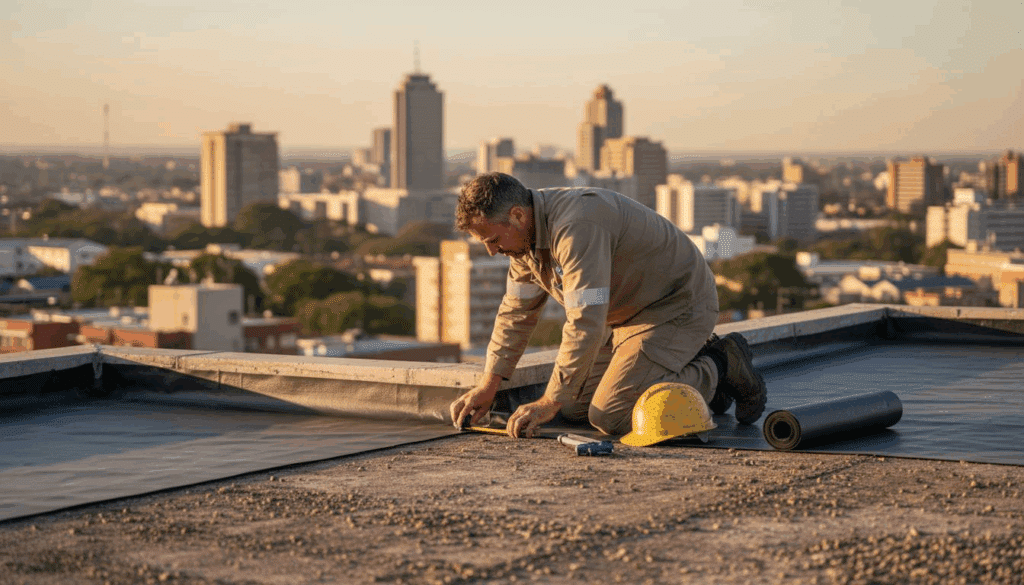
Water damage accounts for up to 80% of structural repair costs in South African properties, making waterproofing one of the most critical investments for protecting your asset. Whether you own a residential home, commercial building, or industrial facility, effective waterproofing prevents costly moisture ingress that undermines structural integrity and property value. This guide explains how professional waterproofing safeguards your investment, reduces long-term maintenance expenses, and delivers measurable financial returns.
Table of Contents
- Introduction To Waterproofing And Investment Protection
- How Waterproofing Protects Property Investments
- Financial Benefits Of Waterproofing For Property Owners
- Common Misconceptions About Waterproofing
- Comparison Of Waterproofing Solutions
- Recognising Signs And Risks Of Waterproofing Failure
- Choosing The Right Waterproofing Contractors
- Conclusion And Practical Next Steps
- Protect Your Investment With Professional Waterproofing Solutions
- Frequently Asked Questions
Key takeaways
| Point | Details |
|---|---|
| Extended lifespan | Proper waterproofing extends building lifespan by 20 to 30 years through moisture damage prevention. |
| Increased value | Professional waterproofing boosts property resale values by an average of 12% in major South African cities. |
| Cost prevention | Early waterproofing investment minimises expensive emergency repairs and ongoing maintenance expenses. |
| Method selection | Choosing appropriate waterproofing methods for your property type and climate zone ensures optimal protection. |
| Professional quality | Licensed contractors deliver superior results compared to DIY approaches, backed by warranties and compliance standards. |
Introduction to waterproofing and investment protection
Waterproofing encompasses a range of protective systems designed to prevent water penetration into building structures. In South Africa, property owners commonly encounter three main types: membrane systems that create physical barriers, liquid coatings applied to surfaces, and chemical barriers that penetrate concrete to block capillary moisture movement.
South Africa’s diverse climate presents unique water damage risks. Coastal regions experience high humidity and salt-laden moisture, whilst inland areas face intense summer thunderstorms and seasonal flooding. Water ingress is the leading cause of structural damage in South African buildings, making prevention strategies essential for property owners.
The investment protection benefits are substantial:
- Prevention of concrete deterioration and steel reinforcement corrosion
- Elimination of moisture-related structural weakening
- Protection against costly emergency repairs and reconstruction
- Maintenance of property value and marketability
- Reduction in ongoing maintenance budgets
Understanding why waterproofing matters in South Africa’s climate helps property owners make informed decisions about protecting their assets. Regular property maintenance includes waterproofing as a cornerstone strategy for preserving structural integrity and preventing expensive failures.
How waterproofing protects property investments
Waterproofing systems function as multi-layered defence mechanisms against moisture ingress. Membranes create impermeable barriers that redirect water away from vulnerable surfaces, whilst chemical treatments modify concrete’s molecular structure to repel moisture absorption.
The technical protection process works through specific mechanisms:
- Surface membranes block water entry points at roofs, walls, and foundations
- Chemical barriers penetrate concrete pores, creating hydrophobic zones
- Drainage layers channel trapped moisture away from structural elements
- Sealants close joints and cracks where water typically infiltrates
- Protective coatings shield surfaces from weathering and erosion
These systems prevent moisture from reaching steel reinforcement within concrete, eliminating the corrosion cycle that weakens structural capacity. By maintaining dry conditions, waterproofing also prevents the freeze-thaw damage that occurs when trapped water expands.
Properly applied waterproofing prevents the moisture cycles that degrade concrete and corrode reinforcement, maintaining structural integrity for decades beyond untreated buildings.
Properly applied waterproofing can extend building lifespan by 20 to 30 years compared to unprotected structures. This extension represents significant financial value, delaying or eliminating major reconstruction costs whilst maintaining property functionality.
Professional waterproofing delivers superior protection through correct material selection, proper surface preparation, and quality-controlled application. These factors ensure waterproofing systems perform reliably throughout their design life, protecting your investment effectively.
Financial benefits of waterproofing for property owners
The financial case for waterproofing becomes clear when examining cost savings and property value impacts. Property owners who invest in professional waterproofing typically recover their costs within five to seven years through reduced maintenance expenses alone.
A comprehensive analysis of maintenance cost reduction shows:
| Timeframe | Cost Reduction | Cumulative Savings |
|---|---|---|
| Years 1-3 | 15-20% annually | R45,000-R60,000 |
| Years 4-7 | 25-35% annually | R120,000-R180,000 |
| Years 8-10 | 40-50% annually | R240,000-R350,000 |
These figures assume a medium-sized residential property with typical maintenance budgets. Commercial properties experience proportionally larger savings due to higher baseline maintenance costs.
Property value impacts are equally compelling. Waterproofing improved property resale values by an average of 12% in Durban and Cape Town, according to recent valuations. This increase reflects buyer confidence in structural integrity and reduced future maintenance obligations.
A case study from a Johannesburg residential complex demonstrates these benefits. After investing R850,000 in comprehensive waterproofing across 24 units, the body corporate tracked maintenance costs over five years. Emergency repair calls dropped by 67%, annual maintenance budgets decreased by R180,000, and property valuations increased by R2.4 million collectively.
Pro Tip: Schedule waterproofing during property acquisition or major renovations to maximise return on investment and avoid emergency repair premiums.
Understanding the role of waterproofing in long-term property maintenance helps owners budget appropriately and prioritise preventive measures over reactive repairs.
Common misconceptions about waterproofing
Several widespread myths prevent property owners from implementing effective waterproofing strategies. Correcting these misconceptions helps you make informed decisions about protecting your investment.
Myth: Waterproofing only benefits older buildings
New constructions face rising rainfall intensity due to climate patterns, making waterproofing essential from completion. Modern building materials still require protection against moisture ingress, and early waterproofing prevents defects from developing during the critical first decade.
Myth: DIY waterproofing delivers equivalent results to professional work
DIY approaches typically lack proper surface preparation, appropriate material selection, and quality control. Professional installations include substrate analysis, compatibility testing, and warranty-backed workmanship that DIY methods cannot match. Failures from improper DIY waterproofing often cost three to five times more to remedy than initial professional installation.
Myth: Waterproofing is a permanent, one-time solution
All waterproofing systems require periodic inspection and maintenance to sustain performance. Environmental exposure, building movement, and material ageing necessitate regular assessment and minor repairs. Properly maintained systems last decades, whilst neglected installations fail prematurely.
Myth: Surface coatings provide sufficient protection for all applications
Surface coatings suit certain applications but lack the durability and reliability of membrane systems for high-exposure areas. Commercial roofs, foundations, and wet areas require robust membrane solutions that withstand constant moisture pressure and mechanical stress.
Professional waterproofing addresses these misconceptions through evidence-based practices and proven materials that deliver reliable long-term protection for South African properties.
Comparison of waterproofing solutions
Selecting appropriate waterproofing methods requires understanding each system’s strengths, limitations, and cost implications. The following comparison helps property owners match solutions to their specific needs.
| Method | Effectiveness | Lifespan | Initial Cost | Best Application |
|---|---|---|---|---|
| Membrane systems | Excellent (95-98%) | 20-30 years | High | Roofs, foundations, wet areas |
| Liquid coatings | Good (80-85%) | 8-12 years | Medium | Walls, balconies, small repairs |
| Chemical barriers | Very good (90-95%) | 15-25 years | Medium-high | Concrete structures, basements |
| Cementitious coatings | Fair (70-80%) | 5-8 years | Low | Internal wet areas, tanks |
Membrane waterproofing delivers the highest effectiveness through physical barriers that prevent water passage completely. Torch-on membranes and self-adhesive systems suit different applications, with both providing superior durability in South Africa’s challenging climate.
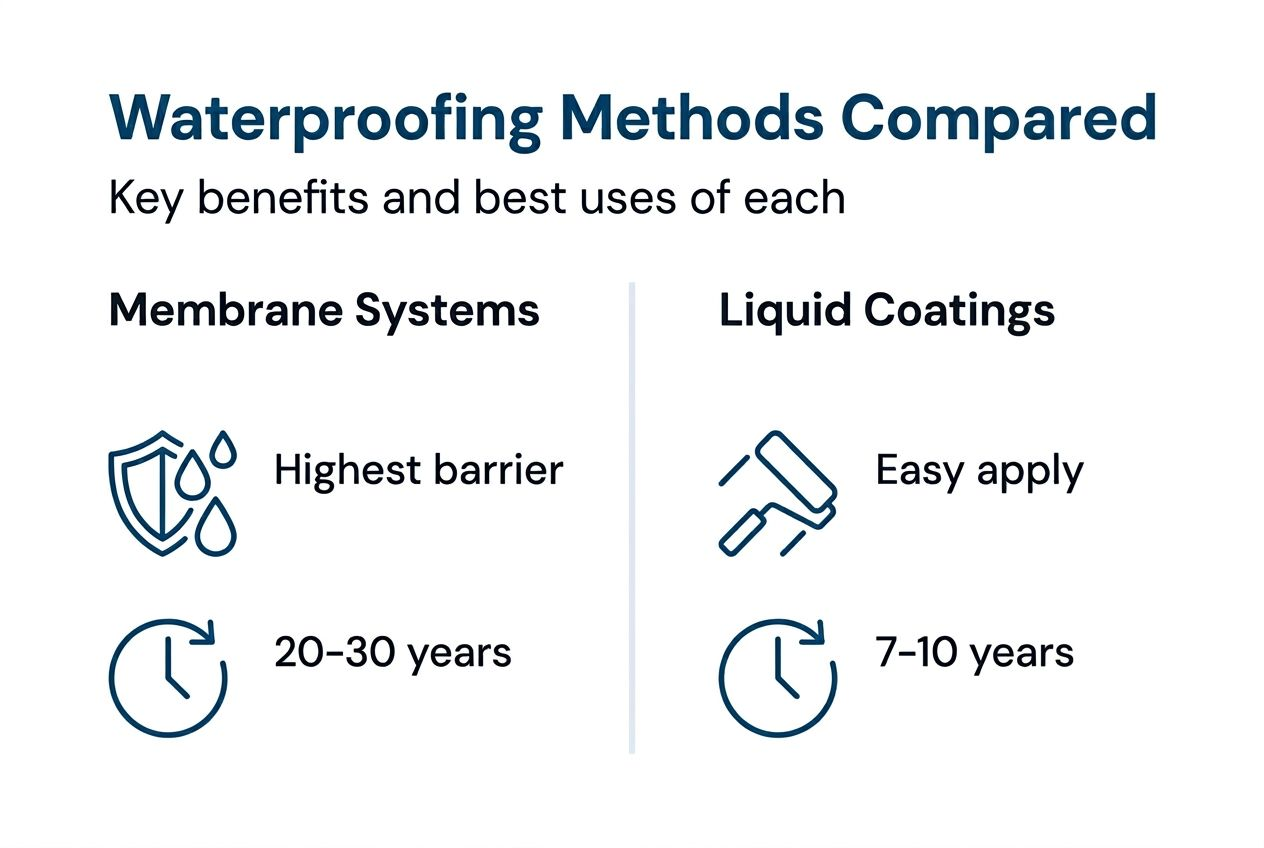
Liquid coatings offer easier application and lower initial costs but require more frequent renewal. They work well for maintenance applications and areas with limited water exposure but struggle under constant moisture pressure.
Chemical barriers excel in treating concrete structures by reducing capillary absorption by up to 90%. These penetrating treatments modify concrete chemistry permanently, making them ideal for new construction and existing concrete elements.
Selection factors include:
- Property age and construction type
- Exposure level and rainfall intensity
- Budget constraints and lifecycle cost analysis
- Accessibility for future maintenance
- Required durability and warranty expectations
Pro Tip: Invest in membrane systems for critical areas like roofs and foundations, reserving liquid coatings for secondary applications and maintenance work.
Exploring waterproofing coatings in detail helps property owners understand material properties and application requirements for different scenarios.
Recognising signs and risks of waterproofing failure
Early detection of waterproofing problems prevents minor issues from escalating into structural emergencies. Property owners should monitor for these warning signs:
- Damp patches or discolouration on walls and ceilings
- Peeling paint or bubbling wallpaper indicating trapped moisture
- Musty odours suggesting hidden mould growth
- Efflorescence (white mineral deposits) on concrete surfaces
- Visible cracks in walls or around windows and doors
- Water stains or pooling after rainfall
- Increased humidity levels inside the building
Ignoring these symptoms leads to progressive damage. Initially, moisture causes cosmetic issues like paint failure and surface staining. Within months, structural deterioration begins as water penetrates deeper, corroding reinforcement and weakening concrete.
The financial consequences escalate rapidly. A minor roof leak costing R8,000 to repair becomes a R85,000 ceiling replacement if left unaddressed. Foundation waterproofing failures grow from R25,000 remedial work to R250,000 structural repairs requiring excavation and underpinning.
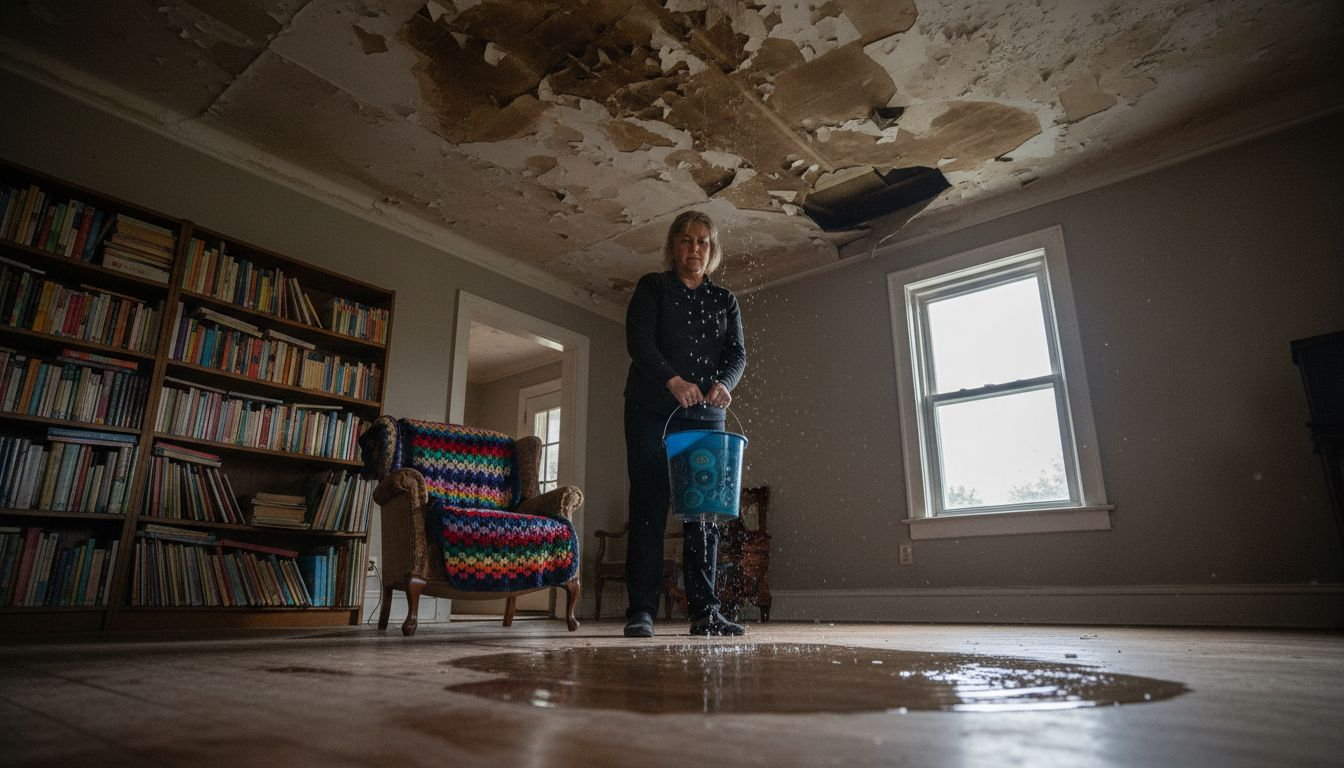
Mould growth presents health risks alongside structural concerns. Spores trigger respiratory problems and allergies, potentially creating liability issues for property owners and employers. Remediation costs add thousands to repair bills whilst disrupting property use.
Regular inspections catch problems early when repairs remain manageable. Schedule professional assessments annually and after severe weather events. Prompt action maintains waterproofing effectiveness and protects your investment from preventable damage.
Waterproofing contractors provide inspection services that identify vulnerabilities before failures occur, helping property owners budget for planned maintenance rather than emergency repairs.
Choosing the right waterproofing contractors
Selecting qualified contractors ensures reliable waterproofing that protects your investment effectively. Follow this systematic approach to identify professionals who deliver quality work.
- Verify licensing and regulatory compliance with South African construction standards
- Review past projects similar to your property type and waterproofing requirements
- Check professional memberships in industry associations and trade bodies
- Request detailed written quotations specifying materials, methods, and timelines
- Examine warranty terms covering both materials and workmanship
- Speak with previous clients about quality, reliability, and after-sales service
- Compare lifecycle costs rather than initial prices alone
Licensing verification confirms contractors meet minimum competency standards and carry appropriate insurance. This protection safeguards you against substandard work and potential liability issues.
Experience with your property type matters significantly. Residential waterproofing differs from commercial applications, and contractors specialising in your sector understand specific challenges and optimal solutions.
Warranties indicate contractor confidence in their work. Comprehensive coverage spanning five to ten years for materials and workmanship signals quality commitment. Avoid contractors offering limited or unclear warranty terms.
Price-focused selection often backfires. The lowest quote typically reflects cheaper materials, rushed work, or inexperienced labour. These shortcuts lead to premature failures costing far more than initial savings.
Pro Tip: Request references from projects completed three to five years ago to assess long-term performance rather than just initial appearance.
Consulting essential questions for contractors helps you evaluate proposals effectively and identify professionals committed to quality outcomes. Understanding the role of contractors in South Africa’s construction industry provides additional context for making informed hiring decisions.
Conclusion and practical next steps
Waterproofing delivers measurable benefits that protect property investments through extended lifespan, reduced maintenance costs, and increased resale value. The evidence demonstrates clear financial advantages alongside structural protection, making waterproofing a strategic investment rather than discretionary expense.
Property owners should take these practical steps:
- Assess your property’s waterproofing vulnerabilities through professional inspection
- Determine appropriate waterproofing methods based on property type and climate exposure
- Select qualified, licensed contractors with proven experience and comprehensive warranties
- Establish regular maintenance schedules to preserve waterproofing effectiveness
- Budget for periodic renewals and minor repairs as preventive measures
- Document waterproofing work for future reference and property value documentation
Acting promptly prevents minor issues from escalating into expensive structural repairs. Early investment in quality waterproofing pays dividends through decades of reliable protection and reduced maintenance burdens.
Contact experienced waterproofing professionals to discuss tailored solutions for your specific property needs. Professional assessment identifies optimal approaches that balance effectiveness, durability, and budget considerations whilst delivering long-term investment protection.
Protect your investment with professional waterproofing solutions
Pro Waterproofing connects South African property owners with licensed, experienced contractors who deliver reliable waterproofing solutions tailored to local climate challenges. Our network specialises in residential, commercial, and industrial applications using proven methods and quality materials.
Whether you need comprehensive new waterproofing, targeted repairs, or maintenance assessments, our professionals provide transparent quotations and warranty-backed workmanship. We understand South Africa’s unique waterproofing requirements and match you with contractors experienced in your property type and regional conditions. Protect your investment with expert solutions that deliver lasting results and measurable financial benefits.
Frequently asked questions
How often should waterproofing be inspected and maintained?
Schedule professional inspections at least annually, with additional assessments after severe weather events like heavy storms or flooding. Regular maintenance preserves system effectiveness and catches minor issues before they escalate into costly failures.
Can waterproofing increase my property’s resale value?
Yes, waterproofing improved property resale values by an average of 12% in Durban and Cape Town according to recent property valuations. This measurable benefit adds substantial financial value beyond damage prevention and maintenance savings.
What is the best waterproofing method for South African homes?
Membrane waterproofing offers superior durability and reliability, especially in high-rainfall coastal regions and areas experiencing intense summer storms. Chemical barriers suit new concrete construction effectively. Your optimal choice depends on property age, construction type, exposure level, and regional climate conditions.
Why should I avoid DIY waterproofing methods?
DIY approaches lack proper materials, surface preparation techniques, and quality control that professional installations provide. Improper application causes premature failures requiring expensive remediation, often costing three to five times more than initial professional installation. Licensed contractors deliver warranty-backed workmanship and compliance with building standards.
Recommended
- Understanding Waterproofing Inspection for Property Owners
- Waterproofing Maintenance: Protecting Your Investment
- Role of Waterproofing in Property Maintenance South Africa
- Waterproofing for houses and other buildings is not negotiable
- Portfolio Partnership | Monster Property Partners
- How RERA Protects Your Dubai Investment in 2026