
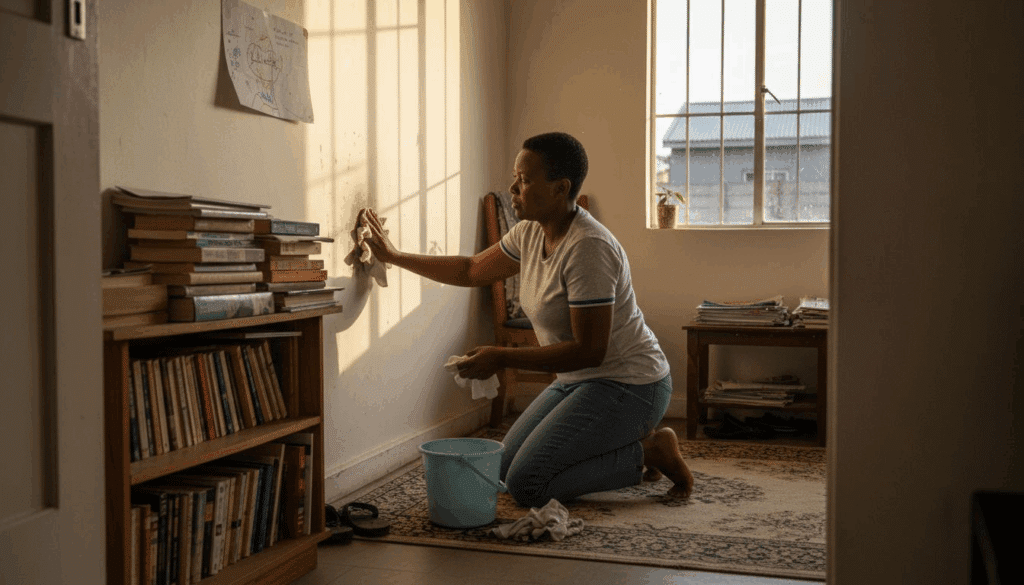
Noticing damp patches, musty smells, or mould on your walls can be worrying and frustrating. Damp problems in your home do not just spoil interiors. They often lead to costly repairs and, if left unchecked, can also put your family’s health at risk. Getting moisture under control means knowing how to tackle the most common sources—before they spiral into bigger headaches.
You are about to discover clear solutions that actually work for South African homes. From handling condensation and choosing the right waterproof paints to maintaining drainage, these practical tips are designed to help you protect your property and create a healthier indoor environment. Each method is proven and actionable, ready for you to put into practice right away.
Stay with us for expert-backed advice that will give you the confidence to keep damp out and maintain a safe, comfortable home.
Table of Contents
- Identifying Common Indoor Damp Problems
- Using Waterproof Paints And Sealants
- Installing Interior Wall Membranes
- Applying Cementitious Waterproofing
- Managing Indoor Surface Condensation
- Sealing Floors And Basement Slabs
- Maintaining Indoor Drainage Systems
Quick Summary
| Key Message | Explanation |
|---|---|
| 1. Identify damp signs early | Look for discoloured patches, musty odours, and mould growth to prevent serious damage. |
| 2. Use waterproof paints effectively | Select appropriate waterproof products and apply multiple thin coats for best results. |
| 3. Install effective wall membranes | Choose the right membrane type and ensure thorough surface preparation for durability. |
| 4. Manage indoor condensation | Improve ventilation and insulation to reduce humidity and prevent mould growth. |
| 5. Regularly maintain drainage systems | Inspect and clean drainage pathways twice a year to prevent moisture issues. |
1. Identifying Common Indoor Damp Problems
Damp problems in homes can silently undermine your property’s structural integrity and create unhealthy living environments. Recognising early signs of indoor moisture issues is crucial for preventing extensive damage and potential health risks.
Homeowners in South Africa frequently encounter damp problems that manifest through several distinctive symptoms. Telltale indicators include discoloured wall patches, musty odours, visible mould growth, peeling wallpaper, and recurring water stains. These signs suggest underlying moisture penetration that requires immediate attention.
When investigating damp issues, pay close attention to areas prone to moisture accumulation such as basements, bathrooms, kitchens, and spaces adjacent to external walls. Condensation, rising damp, and water ingress can originate from various sources including structural cracks, inadequate ventilation, plumbing leaks, and poor waterproofing.
Key Areas to Inspect for Damp:
- Skirting boards and lower wall sections
- Corners of rooms near external walls
- Bathroom and kitchen tile grout
- Ceiling and roof junction points
- Areas around window frames
Understanding the risks of damp is essential for protecting your home. Prolonged moisture exposure can lead to structural weakening, timber rot, electrical hazards, and potential health complications from mould spore proliferation.
Expert Tip: Conduct a comprehensive moisture audit of your home every six months, using a moisture metre to detect hidden damp zones before they become significant problems.
2. Using Waterproof Paints and Sealants
Waterproof paints and sealants represent a crucial first line of defence against moisture infiltration in residential properties. These specialised products create a protective barrier that prevents water penetration and helps maintain your home’s structural integrity.
Understanding the waterproofing paint application process involves selecting appropriate products designed for specific surfaces and moisture challenges. Different areas of your home require tailored approaches depending on exposure levels and existing surface conditions.
Types of Waterproof Paints and Sealants:
- Acrylic based waterproof coatings
- Silicone waterproofing solutions
- Epoxy based sealants
- Elastomeric waterproofing membranes
Before application, thorough surface preparation is essential. This includes cleaning surfaces, repairing existing cracks, removing loose paint, and ensuring proper ventilation. Homeowners should select products compatible with their specific wall materials such as brick, concrete, or plasterboard.
Application Best Practices:
- Apply multiple thin coats rather than one thick layer
- Follow manufacturer recommended drying times
- Use appropriate brushes or rollers for even coverage
- Check environmental conditions like temperature and humidity
Waterproof paints work by creating a microporous membrane that blocks water penetration while allowing surfaces to breathe. This prevents moisture buildup and potential structural damage.
Pro Tip: Invest in high quality waterproofing products and always perform a small test patch to ensure colour consistency and proper adhesion before full application.
3. Installing Interior Wall Membranes
Interior wall membranes represent a sophisticated and effective approach to preventing moisture penetration and protecting your home’s structural integrity. These specialised barriers create an impenetrable layer that blocks water ingress and mitigates potential damp related issues.
When exploring types of waterproofing membranes, homeowners discover a range of advanced solutions tailored to specific moisture challenges. Each membrane type offers unique properties designed to address different environmental conditions and surface requirements.
Key Membrane Types for Interior Walls:
- Liquid applied membranes
- Sheet based waterproofing membranes
- Cementitious waterproofing systems
- Bituminous membrane solutions
- Polyurethane based membranes
Successful membrane installation requires meticulous surface preparation. This involves thoroughly cleaning walls, repairing existing cracks, ensuring proper surface smoothness, and addressing any structural imperfections before membrane application.
Critical Installation Steps:
- Conduct comprehensive moisture assessment
- Select appropriate membrane type
- Prepare surface thoroughly
- Apply membrane using recommended techniques
- Ensure complete coverage without gaps
- Allow proper curing and drying time
Professional membrane installation provides comprehensive protection against rising damp, condensation, and water infiltration. These barriers not only prevent moisture damage but also contribute to improved thermal insulation and overall building resilience.
Pro Tip: Always consult a professional waterproofing specialist to determine the most suitable membrane type for your specific wall construction and local moisture conditions.
4. Applying Cementitious Waterproofing
Cementitious waterproofing represents a robust solution for protecting interior walls against moisture penetration and structural damage. This specialised technique involves applying a cement based compound that creates a highly durable waterproof barrier directly onto concrete or masonry surfaces.
Understanding the waterproofing application process is crucial for achieving effective long term protection. Cementitious systems work by penetrating surface pores and creating a crystalline structure that blocks water molecules from passing through.
Primary Benefits of Cementitious Waterproofing:
- Excellent adhesion to concrete surfaces
- Permanent waterproofing solution
- Resistant to hydrostatic pressure
- Cost effective protection method
- Suitable for both positive and negative side applications
Key Application Stages:
- Thoroughly clean and prepare surface
- Repair existing cracks or imperfections
- Mix cementitious compound according to manufacturer specifications
- Apply first coat using brush or roller
- Allow initial layer to partially set
- Apply second coat for complete coverage
- Ensure uniform thickness and smooth finish
Cementitious waterproofing compounds are particularly effective in areas with high moisture exposure such as basements, bathrooms, underground structures, and exterior foundation walls. The material creates a rigid yet flexible barrier that adapts to minor structural movements.
Pro Tip: Invest in high quality materials and always conduct a moisture assessment before application to ensure optimal waterproofing performance.
5. Managing Indoor Surface Condensation
Condensation represents a subtle yet significant moisture challenge that can compromise your home’s structural integrity and indoor air quality. Understanding and managing this phenomenon is crucial for preventing potential damp related issues in South African households.
The process of dealing with damp in your home involves recognising how warm moist air interacts with cooler surfaces, creating water droplets that can lead to mould growth and surface degradation. Condensation typically occurs when humid air comes into contact with colder wall or window surfaces, creating an ideal environment for moisture accumulation.
Primary Condensation Risk Areas:
- Bathroom walls and ceilings
- Kitchen surfaces near cooking areas
- Window frames and glass surfaces
- Poorly ventilated corners
- Basement and underground spaces
Effective Condensation Management Strategies:
- Improve overall home ventilation
- Use extractor fans in high moisture areas
- Maintain consistent indoor temperature
- Utilise dehumidifiers in humid spaces
- Insulate cold surfaces
- Open windows periodically to allow air circulation
- Avoid drying clothes indoors without proper ventilation
Reducing indoor humidity levels requires a multifaceted approach that combines mechanical ventilation, temperature control, and strategic moisture management. Homeowners should monitor relative humidity levels and aim to maintain them between 40% and 60% for optimal indoor conditions.
Pro Tip: Invest in a digital hygrometer to track indoor humidity levels and take proactive measures before condensation becomes a persistent problem.
6. Sealing Floors and Basement Slabs
Sealing floors and basement slabs represents a critical defence mechanism against moisture penetration and potential structural damage. These vulnerable surfaces often serve as primary entry points for water infiltration, making comprehensive waterproofing essential for maintaining your property’s integrity.
Homeowners can explore basement waterproofing solutions to understand the complexities of protecting foundational surfaces. Proper sealing techniques create an impermeable barrier that prevents water migration through concrete and prevents potential long term structural complications.
Primary Sealing Techniques:
- Penetrating silicate sealers
- Epoxy injection systems
- Polyurethane crack injection
- Crystalline waterproofing compounds
- Elastomeric membrane applications
Key Considerations for Effective Sealing:
- Identify existing moisture pathways
- Clean surfaces thoroughly before application
- Repair structural cracks and imperfections
- Select appropriate sealing material
- Ensure complete surface coverage
- Apply multiple layers for enhanced protection
- Allow adequate curing time
Basement and floor sealing requires meticulous preparation and understanding of specific environmental conditions. South African properties often experience unique moisture challenges that demand tailored waterproofing approaches considering local soil composition and climate variations.
Pro Tip: Conduct a comprehensive moisture assessment before sealing to identify potential hidden entry points and select the most appropriate waterproofing strategy for your specific surface conditions.
7. Maintaining Indoor Drainage Systems
Indoor drainage systems play a crucial role in protecting your home from water damage and maintaining a dry, healthy living environment. Proper maintenance of these systems prevents moisture accumulation and potential structural compromises that can arise from ineffective water management.
Homeowners can learn more about maintaining waterproofing systems to ensure long term property protection. Effective drainage management involves comprehensive strategies that address both internal and external water flow mechanisms.
Key Indoor Drainage Components:
- Floor drainage channels
- Basement water collection systems
- Interior perimeter drainage networks
- Weeping tile systems
- Sump pump installations
Essential Maintenance Practices:
- Regularly inspect drainage pathways
- Clear blockages promptly
- Check for signs of water accumulation
- Ensure proper slope and gradient
- Clean drainage channels
- Test pumping systems
- Repair cracks or leaks immediately
South African homes require particular attention to drainage systems due to variable rainfall patterns and diverse geological conditions. Understanding local water movement patterns helps homeowners design more effective drainage solutions tailored to their specific environmental context.
Pro Tip: Conduct a comprehensive drainage system audit twice annually and invest in professional assessment to identify potential vulnerabilities before they escalate into significant water management problems.
Below is a comprehensive table summarising the strategies and considerations for addressing common indoor damp problems, as elaborated in the article.
| Topic | Details | Key Actions |
|---|---|---|
| Common Symptoms | Moisture issues manifest as damp patches, musty smells, and mould. | Identify areas with visible symptoms and investigate causes. |
| Potential Areas | Bathrooms, basements, kitchens, and external walls are prone to dampness. | Monitor these areas actively for signs of moisture. |
| Prevention Strategies | Apply waterproofing paints and sealants, and use wall membranes. | Follow the manufacturer’s guidelines during application. |
| Condensation Management | Address structural issues, ventilate effectively, and maintain consistent temperature. | Improve airflow, and insulate vulnerable surfaces. |
| Sealing Practices | Employ epoxy, silicate-based methods, or waterproof membranes. | Perform surface preparation meticulously and ensure thorough coverage. |
| Drainage System Maintenance | Regularly inspect and maintain floor drainage and sump pumps. | Respond promptly to blockages or leaks to prevent progression of issues. |
Protect Your Home from Moisture Damage with Expert Solutions
Indoor damp and moisture can silently deteriorate your property and affect your family’s health. The challenges discussed, such as condensation, rising damp, and water infiltration through walls and floors, are critical issues that every homeowner faces. Addressing these with the right methods like waterproof paints, interior membranes, and cementitious coatings can save you from costly repairs and stressful living conditions.
At Pro Waterproofing, we specialise in tailored waterproofing solutions designed specifically for South African homes. Our professional team can guide you through selecting the best treatments for your indoor surfaces, including specialised membranes and floor sealing techniques mentioned in the Uncategorized – Pro Waterproofing section. We combine industry knowledge with trusted products to ensure your home stays dry and structurally sound.
Don’t wait for moisture problems to escalate. Visit Pro Waterproofing today to explore expert advice and request a personalised assessment. Taking action now protects your investment, secures your family’s comfort, and gives you peace of mind against damp-related damage.
Frequently Asked Questions
How can I identify common indoor damp problems in my home?
Recognise signs such as discoloured wall patches, musty odours, and visible mould growth. Inspect areas prone to moisture, like basements and bathrooms, every six months to catch potential issues early.
What are the best practices for applying waterproof paints and sealants?
Ensure thorough surface preparation by cleaning, repairing cracks, and selecting the right product for your wall materials. Apply multiple thin coats for even coverage, following drying times provided by the manufacturer.
How do I install interior wall membranes for effective moisture protection?
Begin with a comprehensive moisture assessment and select the appropriate membrane type for your walls. Prepare the surface by cleaning and repairing imperfections, then apply the membrane fully to ensure no gaps are left.
What is the process for applying cementitious waterproofing?
Prepare the surface by cleaning and repairing any existing cracks, then mix the cementitious compound according to instructions. Apply at least two coats, ensuring uniform thickness for effective waterproofing protection.
How can I manage indoor surface condensation in my home?
Improve ventilation in high-moisture areas and maintain a consistent indoor temperature to prevent condensation. Use a dehumidifier and open windows periodically to circulate air and keep humidity levels between 40% and 60%.
What steps should I take to seal floors and basement slabs against moisture?
Identify existing moisture pathways and thoroughly clean surfaces before application. Choose the right sealing method and ensure full surface coverage, applying multiple layers to increase protection against water infiltration.