
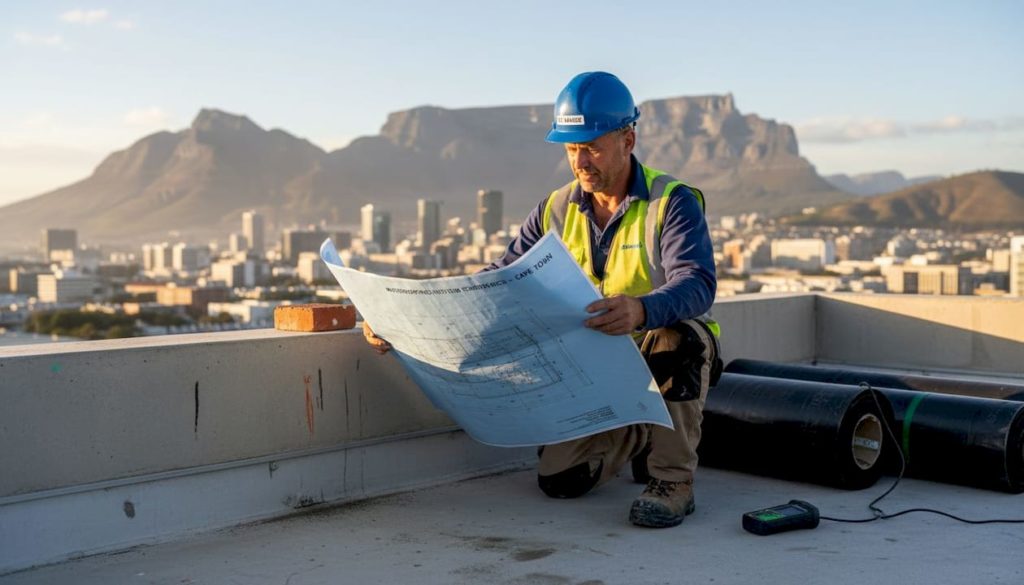
Most property owners assume any waterproofing product will protect their building adequately, yet compliance with formal industry standards determines whether your investment lasts five years or thirty. Understanding South African waterproofing regulations ensures you avoid costly structural damage and premature system failures. This guide explains the essential standards, modern methods, certification requirements, and maintenance practices that safeguard residential, commercial, and industrial properties across South Africa.
Table of Contents
- Key takeaways
- Understanding South African waterproofing standards
- Common waterproofing methods and modern innovations
- Ensuring compliance and quality: role of certified professionals and testing
- Maintaining waterproofing compliance to protect your property investment
- Explore professional waterproofing solutions from Pro Waterproofing
- Frequently asked questions about industry standards waterproofing
Key Takeaways
| Point | Details |
|---|---|
| Mandatory certified installers | Certified professionals must perform all waterproofing installations. |
| Five year watertight warranty | A minimum five year watertight warranty is compulsory. |
| Surface preparation standards | Surface preparation must meet specified cleanliness and dryness standards. |
| Post installation testing | Post installation testing validates system integrity before handover. |
| Modern membrane lifespans | Modern membranes such as EPDM and TPO offer twenty to thirty year lifespans. |
Understanding South African waterproofing standards
South Africa’s construction industry relies on specific regulations to ensure waterproofing systems protect buildings effectively against moisture intrusion. The primary industry standard for waterproofing is SANS 10400 Part L, which establishes requirements including competent installers and 5-year minimum watertight performance. These standards apply to all new construction and major renovation projects, making compliance mandatory rather than optional.
SANS 10400 Part L focuses specifically on roof waterproofing and covers installation protocols, material specifications, and performance criteria. Part P addresses damp-proofing requirements for internal wet areas such as bathrooms, kitchens, and laundry rooms where water exposure occurs regularly. Together, these regulations create a comprehensive framework that protects South African properties from water damage.
The standards mandate several critical requirements:
- Certified professionals must perform all waterproofing installations
- Surface preparation must meet specified cleanliness and dryness standards
- Materials must comply with manufacturer specifications and testing protocols
- Minimum 5-year watertight performance warranty is compulsory
- Post-installation testing validates system integrity before handover
Property owners benefit significantly from understanding these waterproofing regulations in South Africa because non-compliant work voids warranties and creates liability issues. When contractors cut corners by skipping proper surface preparation or using uncertified materials, the resulting failures can cause structural damage costing tens of thousands of rands to repair. Insurance companies frequently deny claims for water damage when investigations reveal non-compliant waterproofing installations.
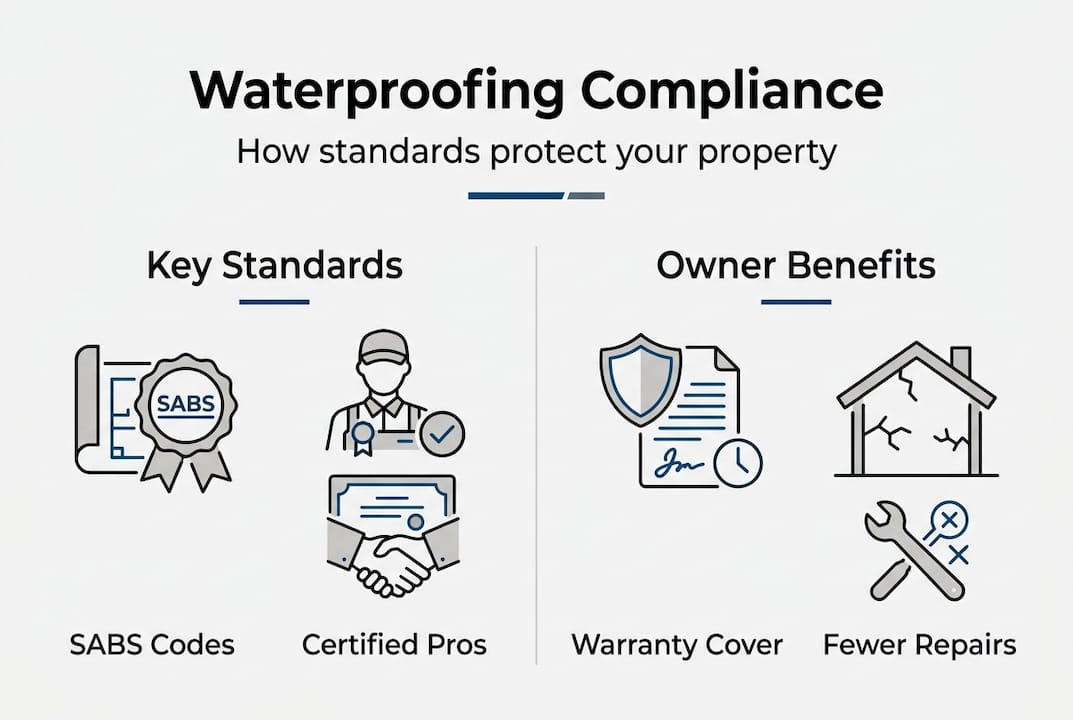
The Waterproofing Trade Association of Southern Africa (WTASA) works alongside regulatory bodies to promote professional standards and installer certifications. Their NQF Level 2 National Certificate programme trains waterproofing specialists in proper techniques, safety protocols, and compliance requirements. Engaging WTASA-certified contractors provides property owners with assurance that installations will meet or exceed SANS standards.
Manufacturers also play a vital role in the standards ecosystem by developing products specifically engineered for South African climate conditions. Their technical data sheets specify application methods, surface requirements, and environmental limitations that installers must follow. Deviating from these instructions invalidates product warranties and compromises system performance, regardless of installer experience.
Common waterproofing methods and modern innovations
South African construction utilises several distinct waterproofing approaches, each suited to specific applications and environmental conditions. Understanding the differences between types including cementitious coatings, liquid membranes, polyurethane and bituminous helps property owners select appropriate systems for their buildings. Modern membranes like EPDM and TPO offer 20-30+ year lifespans compared to 5-10 years for traditional bituminous products.
Cementitious waterproofing coatings consist of cement-based mixtures applied as thick coatings to concrete surfaces. These rigid systems work exceptionally well in basements, water tanks, and sewage treatment facilities where substrate movement is minimal. The material bonds directly to concrete substrates, creating a monolithic barrier that prevents moisture penetration. However, cementitious coatings lack flexibility and can crack if the underlying structure shifts or settles.
Liquid-applied membranes provide flexible waterproofing suitable for roofs, balconies, and complex architectural details. Installers brush, roll, or spray these products onto prepared surfaces, where they cure into seamless rubber-like barriers. This method eliminates the seams and joints that create vulnerability in sheet membrane systems. Liquid membranes conform to irregular surfaces and penetrations, making them ideal for refurbishment projects where existing structures have unusual geometries.
Polyurethane membranes have gained popularity for their excellent UV resistance and flexibility across South Africa’s temperature extremes. These systems maintain elasticity from −10°C winter conditions in the Drakensberg to +80°C summer roof surface temperatures in the Karoo. Polyurethane’s chemical resistance also makes it suitable for industrial facilities where exposure to oils, solvents, or aggressive chemicals occurs.
| Waterproofing type | Typical lifespan | Best applications | Climate suitability |
|---|---|---|---|
| Bituminous membranes | 5-10 years | Flat roofs, foundations | Moderate UV exposure |
| Cementitious coatings | 10-15 years | Basements, water tanks | Below-grade applications |
| Liquid polyurethane | 15-20 years | Complex details, balconies | High UV and temperature variation |
| EPDM/TPO membranes | 20-30+ years | Large roof areas, commercial | Extreme UV and temperature |
Traditional bituminous (asphalt-based) membranes dominated South African waterproofing for decades but have significant limitations. These products degrade under intense UV exposure, becoming brittle and cracking within 5-10 years. Heat-applied torch-on bituminous systems also present fire hazards during installation, particularly on occupied buildings or near combustible materials.
Modern synthetic membranes like EPDM (ethylene propylene diene monomer) and TPO (thermoplastic polyolefin) represent substantial technological advances. These single-ply systems resist UV degradation, maintain flexibility throughout their service life, and require no flame during installation. The waterproofing methods comparison for South African properties shows these materials delivering 20-30+ years of reliable performance with minimal maintenance.
Pro Tip: Always choose membranes certified for South African UV and temperature extremes (−10°C to +80°C) to ensure your waterproofing system withstands local climate conditions without premature degradation.
Selecting appropriate waterproofing depends on multiple factors including substrate type, exposure conditions, budget constraints, and expected service life. Consulting waterproofing systems definitions helps property owners understand technical specifications and make informed decisions. Certified contractors assess site-specific requirements and recommend systems that balance performance with cost-effectiveness.
Ensuring compliance and quality: role of certified professionals and testing
Achieving waterproofing compliance requires more than selecting quality materials. The installation process demands meticulous surface preparation, proper application techniques, and rigorous testing to validate system integrity. SANS 10400-L mandates certified installers, surface preparation, and testing including visual inspections, flood tests, and pressure tests. WTASA promotes professional standards through NQF Level 2 certifications that ensure installers possess necessary competencies.
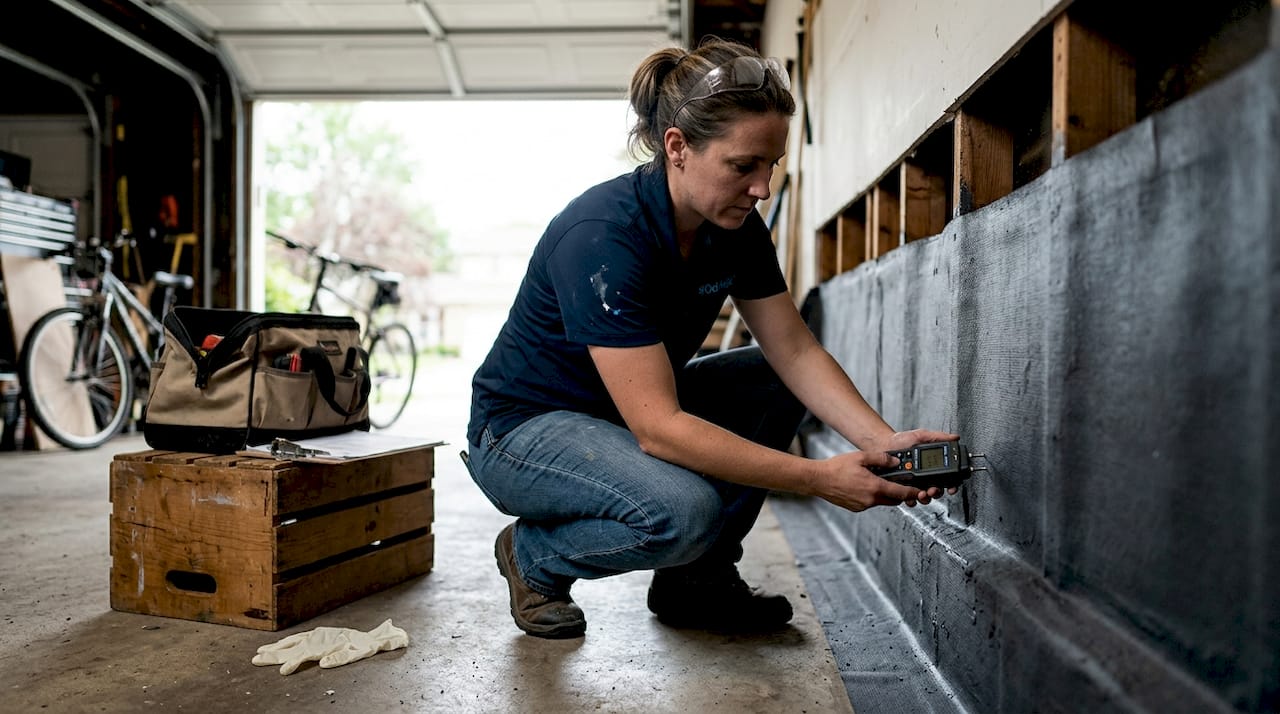
Surface preparation represents the most critical phase of any waterproofing project. Substrates must be clean, dry, and free from contaminants such as dust, oil, or loose material before membrane application. Concrete surfaces require proper curing (typically 28 days) to achieve adequate strength and moisture content. Installers use moisture meters to verify substrates contain less than 5% moisture content, preventing adhesion failures and membrane blistering.
Certified installers bring essential expertise that directly impacts system performance:
- They assess substrate conditions and identify preparation requirements
- They select appropriate primers and adhesives for specific materials
- They apply membranes at correct thicknesses and overlap specifications
- They detail penetrations, corners, and transitions properly
- They conduct testing protocols to validate installation quality
- They provide documentation supporting warranty claims and compliance verification
The role of waterproofing contractors in South Africa extends beyond simple material application. These professionals understand building science principles, moisture dynamics, and structural considerations that affect waterproofing performance. Their training covers common failure modes and preventive measures that protect property investments.
Standard testing procedures validate waterproofing integrity before buildings are occupied. Visual inspections examine membrane continuity, seam quality, and detail work around penetrations. Flood testing involves ponding water on horizontal surfaces for 24-72 hours and checking for leakage. Pressure testing uses specialised equipment to detect even minor breaches in the waterproofing barrier.
“Proper testing identifies installation defects before they cause damage. Addressing issues during construction costs a fraction of repairs needed after water intrusion damages finishes, insulation, or structural elements.”
Documentation throughout the installation process provides essential protection for property owners. Photographs showing surface preparation, membrane application stages, and completed details create a visual record. Test results demonstrate compliance with SANS requirements and manufacturer specifications. This documentation becomes invaluable when filing warranty claims or demonstrating due diligence during property transactions.
Waterproofing maintenance best practices begin with establishing baseline performance through thorough testing. Property managers should retain all installation records, test reports, and warranty documents in accessible files. These materials guide future maintenance decisions and help contractors diagnose problems efficiently.
Pro Tip: Document all assessment photos and test results for warranty claims and compliance verification, creating a comprehensive record that protects your investment and simplifies future maintenance or repairs.
The Waterproofing Trade Association of Southern Africa maintains registries of certified installers and promotes ongoing professional development. Property owners can verify contractor credentials through WTASA before awarding contracts, ensuring they engage qualified professionals. This verification step prevents costly mistakes associated with inexperienced or unqualified installers.
Maintaining waterproofing compliance to protect your property investment
Waterproofing systems require ongoing attention to maintain performance and compliance throughout their service life. Establishing regular inspection schedules, addressing early warning signs, and engaging certified contractors for repairs protects your property investment. Regular inspections and maintenance are key to meeting SANS compliance and preventing expensive failures, with market growth reflecting rising awareness of waterproofing quality.
Property owners should implement structured inspection programmes that examine waterproofed areas systematically. Annual inspections provide baseline monitoring, while additional checks after severe weather events catch damage before it escalates. Inspections focus on several critical indicators:
- Surface cracks, blisters, or bubbles indicating membrane degradation
- Ponding water that suggests drainage problems or substrate settlement
- Exposed or damaged flashing around penetrations and edges
- Discolouration or staining on interior surfaces below waterproofed areas
- Vegetation growth that can penetrate and damage waterproofing systems
Early detection dramatically reduces repair costs and prevents secondary damage to building structures and finishes. A small crack in a roof membrane might cost R2,000 to repair immediately but could cause R50,000 in interior damage if water intrusion continues undetected for months. Proactive maintenance delivers substantial return on investment by extending system life and avoiding emergency repairs.
Engaging certified contractors for repairs maintains compliance with SANS standards and preserves warranty coverage. DIY repairs or work by unqualified individuals typically void manufacturer warranties and may violate building regulations. Certified professionals understand compatibility between existing and repair materials, ensuring patches integrate properly with original installations.
Maintenance documentation serves multiple important functions. Detailed records demonstrate diligent property management, which can reduce insurance premiums and support claims when damage occurs. During property sales, comprehensive maintenance histories increase buyer confidence and may justify higher valuations. Compliance audits for commercial properties require documented proof of regular inspections and timely repairs.
“Systematic maintenance programmes transform waterproofing from a liability into an asset. Properties with documented inspection histories and proactive repairs command premium valuations because buyers recognise reduced risk and deferred capital expenditure.”
Staying current with manufacturer recommendations ensures maintenance practices align with product-specific requirements. Manufacturers periodically update technical bulletins based on field performance data and evolving best practices. Subscribing to these updates or maintaining relationships with certified installers keeps property managers informed about optimal care procedures.
Industry standards also evolve as new materials, testing methods, and performance criteria emerge. The South African Bureau of Standards periodically revises SANS 10400 to incorporate technological advances and address identified shortcomings. Property owners benefit from monitoring these changes, particularly when planning major renovations or system replacements. Upgrading to current standards during renovation projects can improve performance and extend service life significantly.
Common waterproofing failures in South Africa often result from inadequate maintenance rather than installation defects. Understanding typical failure modes helps property managers focus inspection efforts on vulnerable areas. Penetrations, transitions between different materials, and horizontal surfaces with poor drainage require particular attention during routine checks.
Budgeting for waterproofing maintenance prevents unpleasant financial surprises. Setting aside 1-2% of the original installation cost annually for inspections and minor repairs provides adequate resources for most properties. This reserve fund covers routine maintenance and gradually accumulates towards eventual system replacement, spreading costs predictably across the waterproofing lifecycle.
Explore professional waterproofing solutions from Pro Waterproofing
Protecting your property investment requires partnering with certified professionals who understand South African waterproofing standards and deliver compliant installations. Professional waterproofing contractors ensure your project meets SANS requirements through proper surface preparation, quality materials, and rigorous testing protocols.
Certified installers bring essential expertise covering material selection, application techniques, and performance validation that safeguard your building against moisture damage. Regular maintenance services extend waterproofing system lifespans and prevent costly failures that compromise structural integrity. Whether you need new installation, system evaluation, or ongoing maintenance, Pro Waterproofing connects you with qualified specialists throughout South Africa. Contact us today for expert advice and certified waterproofing solutions tailored to your property’s specific requirements.
Frequently asked questions about industry standards waterproofing
What certifications should waterproofing installers have in South Africa?
Qualified waterproofing installers should hold the NQF Level 2 National Certificate in Waterproofing, which demonstrates competency in proper techniques, safety protocols, and compliance requirements. WTASA membership indicates commitment to professional standards and ongoing development. Verify contractor certifications before awarding contracts to ensure your project meets SANS requirements and qualifies for manufacturer warranties.
How do modern waterproofing membranes compare to traditional ones?
Modern EPDM and TPO membranes deliver 20-30+ years of performance with excellent flexibility and UV resistance, whilst traditional bituminous membranes typically last only 5-10 years before requiring replacement. Synthetic membranes maintain elasticity across South Africa’s temperature extremes and resist degradation from intense sunlight. The initial cost premium for modern systems is offset by dramatically longer service life and reduced maintenance requirements.
How often should I inspect waterproofing on my property?
Conduct thorough waterproofing inspections at least annually, with additional checks after severe weather events such as heavy storms or hail. Annual inspections establish baseline conditions and catch minor issues before they escalate into expensive failures. Document all findings with photographs and written reports to support warranty claims and demonstrate diligent property management.
Why is documentation important for waterproofing projects?
Comprehensive documentation including installation photos, test results, and maintenance records supports warranty claims and demonstrates SANS compliance during audits or property transactions. Visual records showing proper surface preparation, membrane application, and completed details prove due diligence if disputes arise. Maintenance logs establish patterns that help contractors diagnose problems efficiently and recommend appropriate interventions.
How do I select compliant waterproofing materials for my project?
Choose products certified for South African climate conditions, with technical data sheets confirming performance across local temperature ranges and UV exposure levels. Verify materials meet SANS 10400 specifications and carry minimum 5-year manufacturer warranties. Consult certified contractors who assess your specific application requirements and recommend systems balancing performance, durability, and budget considerations. Material selection should account for substrate type, exposure conditions, and expected service life to ensure optimal long-term value.