
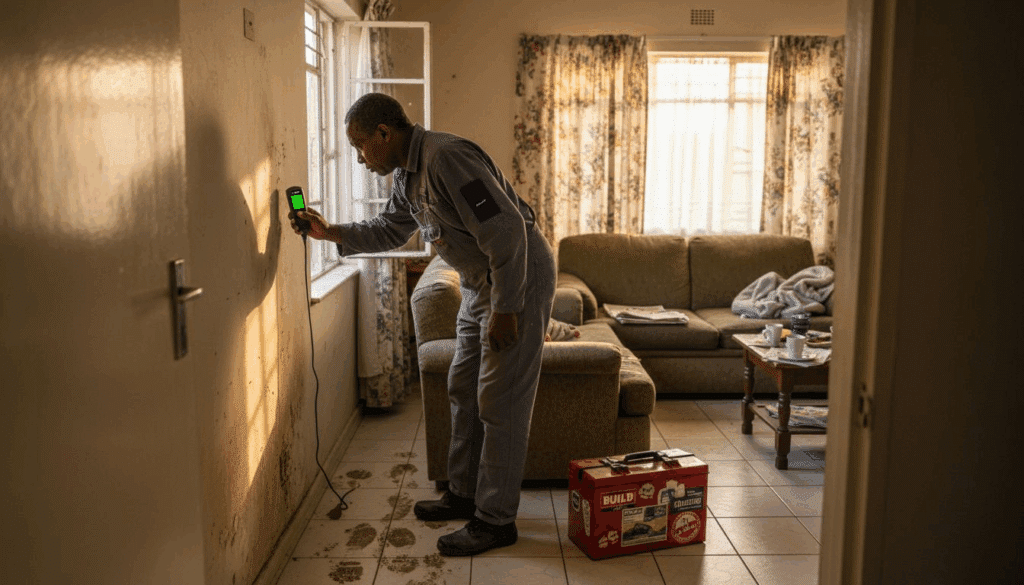
A sudden patch of damp creeping across your basement wall can feel worrying, especially if your Gauteng home faces recurring moisture issues. Without proper protection, water intrusion weakens internal structures and invites unwanted health problems. Expert advice on inside wall waterproofing helps you choose targeted solutions that safeguard your property, tackle root causes, and maintain lasting dryness in every corner of your living spaces.
Table of Contents
- Inside Wall Waterproofing Essentials Explained
- Selecting The Right Waterproofing Method
- Surface Preparation And Product Application
- Legal Standards And Compliance In South Africa
- Cost, Risks And Maintenance Insights
- Common Pitfalls And How To Avoid Them
Key Takeaways
| Point | Details |
|---|---|
| Comprehensive Moisture Assessment | Conduct a detailed moisture assessment to identify sources and tailor waterproofing solutions effectively. |
| Professional Expertise Required | Engage certified waterproofing specialists to ensure compliance with regulations and optimal application. |
| Surface Preparation Is Crucial | Properly prepare the surface to enhance the longevity and effectiveness of waterproofing treatments. |
| Understanding Financial Implications | Factor in both initial costs and long-term maintenance as part of your waterproofing investment strategy. |
Inside wall waterproofing essentials explained
Waterproofing interior walls represents a critical defence mechanism for protecting your Gauteng home against moisture damage, structural degradation, and potential health risks. Interior wall waterproofing involves strategic techniques designed to prevent water penetration, manage humidity levels, and maintain the structural integrity of your living spaces.
Understanding the core principles of interior wall waterproofing starts with recognising potential moisture sources. Comprehensive moisture cause analysis reveals several critical entry points for unwanted moisture:
- Structural foundation cracks
- Groundwater seepage
- Condensation build-up
- Poor ventilation systems
- Construction defects
- Plumbing leaks
- External wall permeability
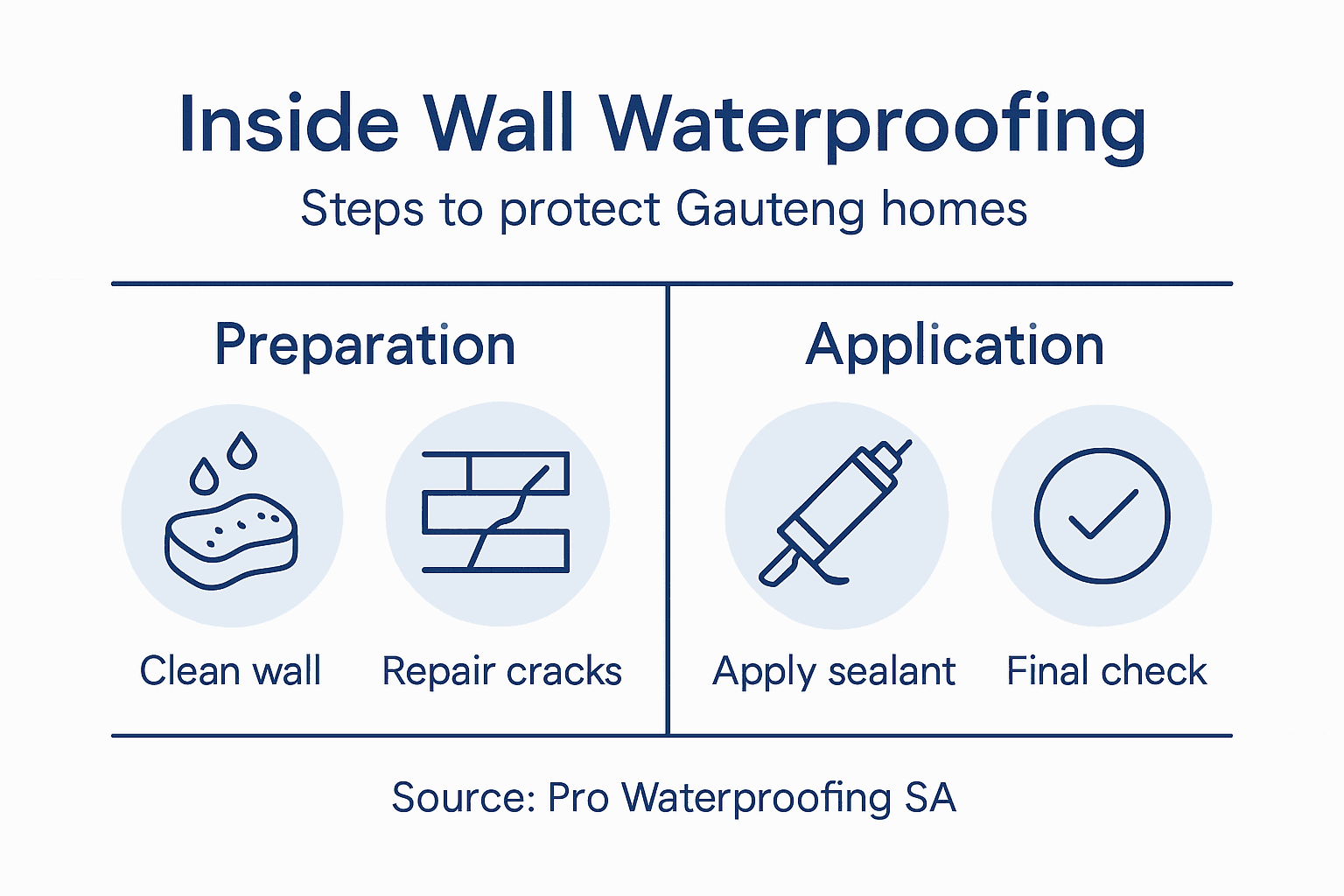
Before implementing any waterproofing solution, homeowners must conduct thorough wall preparation. This crucial initial stage involves:
- Comprehensive surface cleaning
- Identifying and repairing existing cracks
- Addressing underlying structural issues
- Removing previous damaged waterproofing layers
- Ensuring proper surface smoothness and adhesion
The selection of appropriate waterproofing materials depends on specific wall conditions, moisture levels, and potential water ingress points. Professional assessment helps determine whether mechanical barriers, chemical treatments, or specialised sealants will provide the most effective protection for your specific interior environment.
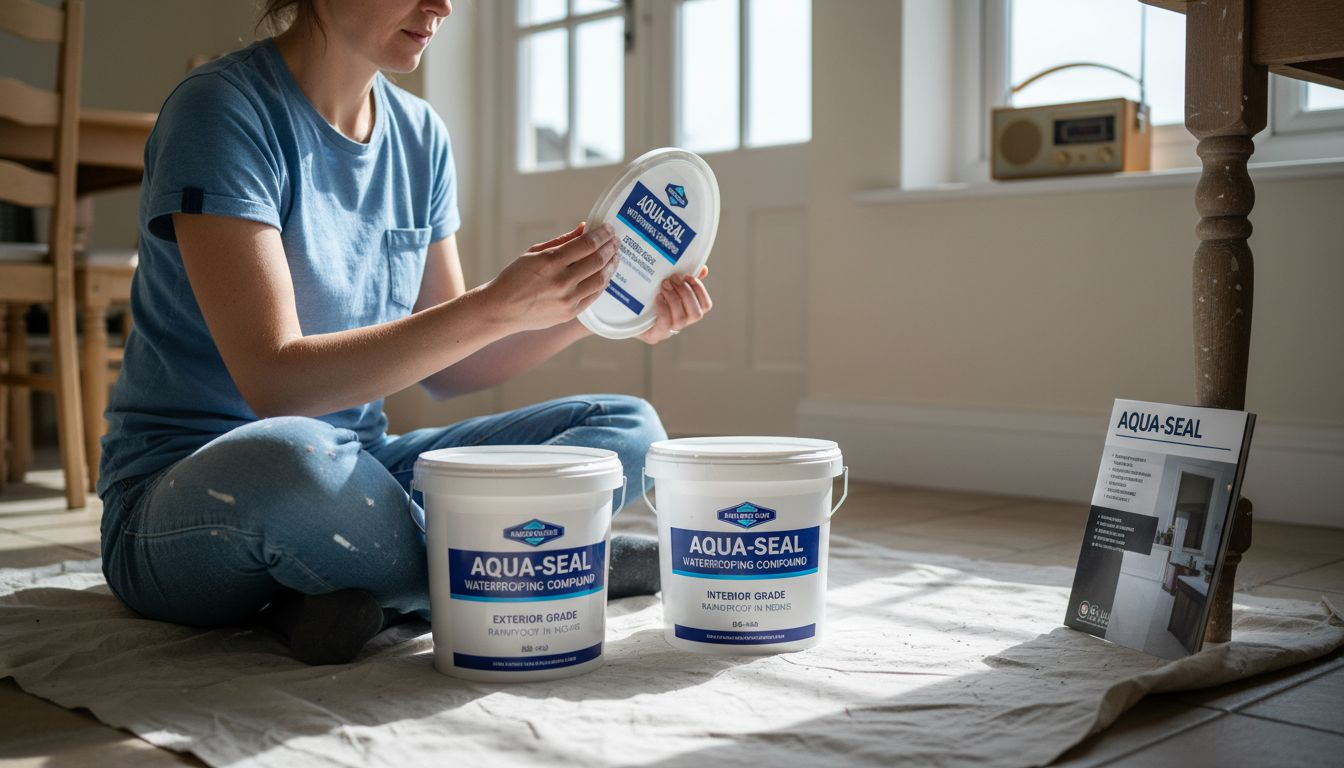
Pro tip: Conduct a comprehensive moisture assessment before commencing any waterproofing project to ensure targeted, effective intervention strategies.
Selecting the right waterproofing method
Selecting an appropriate waterproofing method demands careful consideration of multiple factors specific to your Gauteng property’s unique structural characteristics and moisture challenges. Wall waterproofing is not a one-size-fits-all solution, but rather a tailored approach requiring professional expertise and strategic material selection.
Comprehensive waterproofing method analysis reveals several critical techniques for protecting interior walls against moisture penetration:
- Sealants: Ideal for minor surface protection
- Waterproofing membranes: Provide robust barrier against water infiltration
- Cementitious coatings: Excellent for concrete and masonry structures
- Crystalline waterproofing treatments: Penetrate and seal concrete pores
- Elastomeric liquid coatings: Flexible protection for dynamic surfaces
The selection process involves evaluating key parameters such as:
- Existing wall material composition
- Moisture penetration intensity
- Structural age and condition
- Budget constraints
- Long-term performance expectations
Professional waterproofing specialists assess these variables to recommend the most suitable intervention, considering factors like wall porosity, water table proximity, and potential future structural movements. Each method offers distinct advantages, necessitating a nuanced approach tailored to your specific environmental conditions.
Here is a comparison of common interior wall waterproofing methods and their typical suitability:
| Method | Best For | Typical Longevity |
|---|---|---|
| Sealants | Small cracks and minor leaks | 2-5 years |
| Waterproofing membranes | High risk, concrete or masonry walls | 10-15 years |
| Cementitious coatings | Cellars, damp masonry surfaces | 5-10 years |
| Crystalline waterproofing | Basement walls, new builds | 15+ years |
| Elastomeric liquid coatings | Dynamic or moving substrates | 8-12 years |
Proper waterproofing is an investment in your property’s structural integrity and long-term value.
Pro tip: Always consult a professional waterproofing contractor who can conduct a comprehensive moisture assessment before selecting your specific waterproofing strategy.
Surface preparation and product application
Surface preparation represents the critical foundation for successful interior wall waterproofing, determining the effectiveness and longevity of your chosen protective treatment. Proper surface preparation demands meticulous attention to detail and a systematic approach that addresses underlying structural vulnerabilities before applying any waterproofing solution.
The comprehensive surface preparation process involves several essential steps:
- Surface cleaning: Removing dust, debris, and loose materials
- Crack investigation: Identifying and assessing structural discontinuities
- Moisture measurement: Determining existing humidity levels
- Surface profiling: Creating optimal substrate conditions
- Preliminary repairs: Addressing structural imperfections
Successful surface preparation requires a sequential approach that systematically transforms the wall surface into an ideal substrate for waterproofing treatments:
- Thoroughly clean the surface using appropriate cleaning agents
- Repair existing cracks and structural defects
- Remove any previous ineffective waterproofing layers
- Create a smooth, uniform surface profile
- Allow sufficient drying time before product application
The product application phase demands precision and technical expertise. Different waterproofing materials require specific application techniques, including considerations of ambient temperature, humidity levels, and substrate conditions. Professional applicators understand the nuanced requirements of each waterproofing product, ensuring optimal penetration and adhesion.
Proper surface preparation is 80% of waterproofing success; the remaining 20% involves product selection and application.
Pro tip: Invest in professional surface assessment and preparation to maximise the effectiveness and durability of your waterproofing solution.
Legal standards and compliance in South Africa
Waterproofing in South Africa operates within a complex regulatory framework designed to protect property owners and ensure structural integrity across residential and commercial buildings. National Building Regulations provide the foundational legal requirements that govern waterproofing practices, establishing mandatory standards for material quality, installation procedures, and professional competence.
Consulting Engineers South Africa guidelines outline critical compliance parameters for waterproofing interventions, emphasising the importance of:
- Professional certification of waterproofing contractors
- Adherence to national building standards
- Documentation of installation procedures
- Quality assurance testing protocols
- Material performance verification
The legal landscape for waterproofing in South Africa encompasses several key regulatory dimensions:
- National Building Regulations (SANS 10400)
- South African Bureau of Standards (SABS) material specifications
- Professional Engineers’ registration requirements
- Occupational Health and Safety Act compliance
- Municipal building inspection protocols
Non-compliance with these regulations can result in significant legal and financial consequences, including potential invalidation of property insurance, architectural liability, and mandatory remediation of substandard waterproofing installations. Property owners must therefore engage only certified professionals who can demonstrate comprehensive understanding of these complex regulatory requirements.
Legal compliance in waterproofing is not optional; it’s a critical investment in your property’s long-term protection.
Pro tip: Always request and verify a contractor’s professional credentials and compliance certifications before commencing any waterproofing project.
Cost, risks and maintenance insights
Waterproofing investments require comprehensive understanding of potential financial implications, performance risks, and long-term maintenance strategies specific to Gauteng’s unique environmental conditions. Waterproofing expenditure varies significantly based on property size, existing structural conditions, and selected intervention methodologies.
Comprehensive waterproofing solution analysis reveals critical cost and risk considerations:
- Initial installation expenses
- Long-term maintenance requirements
- Potential structural damage prevention
- Insurance and liability protection
- Performance degradation risks
- Environmental adaptation costs
- Professional assessment fees
The financial spectrum of waterproofing interventions encompasses multiple investment tiers:
- Basic surface treatments (lowest cost)
- Intermediate membrane applications
- Advanced comprehensive systems
- Specialised structural interventions
- Ongoing maintenance programmes
Risk management in waterproofing extends beyond immediate financial considerations, requiring property owners to evaluate potential long-term consequences of moisture intrusion. Untreated water penetration can lead to substantial structural damage, mould proliferation, and significant repair expenditures that far exceed initial preventative investments.
To assist with budgeting and planning, here is an overview of waterproofing investment levels and key cost considerations:
| Investment Level | Typical Application | Main Cost Drivers |
|---|---|---|
| Basic Surface Treatments | Minimal moisture areas | Material and labour |
| Intermediate Membrane Systems | Areas with moderate water ingress | Product type, wall area |
| Advanced Comprehensive Systems | High-risk or problem-prone structures | Detailed prep, specialist work |
| Specialised Interventions | Historical or complex buildings | Engineering, compliance |
Proactive waterproofing represents a strategic financial decision, not merely an expense.
Pro tip: Budget for professional periodic assessments to identify potential vulnerabilities before they escalate into costly repairs.
Common pitfalls and how to avoid them
Waterproofing interior walls presents numerous potential challenges that can compromise the effectiveness of moisture protection strategies if not carefully managed. Waterproofing errors frequently stem from inadequate preparation, inappropriate material selection, and insufficient professional expertise.
Common waterproofing pitfalls include:
- Insufficient surface preparation
- Improper material selection
- Inadequate moisture barrier coverage
- Neglecting underlying structural issues
- Ignoring environmental stress factors
- Poor application techniques
- Overlooking ongoing maintenance requirements
Most critical mistakes homeowners encounter during waterproofing interventions involve:
- Choosing low-cost solutions over quality materials
- Attempting DIY interventions without professional guidance
- Failing to address root moisture source
- Skipping comprehensive initial assessments
- Disregarding manufacturer’s specific application instructions
Professional intervention becomes crucial when identifying complex moisture infiltration pathways that amateur approaches might miss. Homeowners must recognise that seemingly minor installation errors can lead to substantial structural damage, potentially requiring extensive and expensive remediation.
Prevention is exponentially more cost-effective than remedial waterproofing interventions.
Pro tip: Invest in a professional moisture diagnostic assessment before commencing any waterproofing project to identify potential hidden vulnerabilities.
Shield Your Gauteng Home with Expert Inside Wall Waterproofing Solutions
Protecting your home from moisture damage begins with understanding and addressing the complex challenges of interior wall waterproofing. You have learned how critical proper surface preparation, selecting the right waterproofing methods, and legal compliance are to maintain your property’s structural integrity and health. Don’t let moisture seep into your walls and cause costly damage or health risks.
At Pro Waterproofing, we specialise in tailored waterproofing solutions that meet these exact challenges. From comprehensive moisture assessments to expert application of advanced waterproofing technologies, our team ensures your Gauteng home stays dry and secure for years to come. Discover how our professional services and trusted contractors can provide the quality and peace of mind you deserve in interior wall waterproofing.
Ready to protect your home with proven waterproofing expertise Visit our Uncategorized – Pro Waterproofing page to learn more and take the first step. Connect with us at https://prowaterproofing.co.za today for a detailed consultation and a no-obligation quote that puts your home’s safety first.
Frequently Asked Questions
What is interior wall waterproofing?
Interior wall waterproofing is a set of techniques designed to prevent moisture penetration, manage humidity levels, and protect the structural integrity of a home by addressing potential sources of water ingress.
What are the common causes of moisture in interior walls?
Common causes of moisture in interior walls include structural foundation cracks, groundwater seepage, condensation build-up, poor ventilation, construction defects, plumbing leaks, and external wall permeability.
How do I prepare my walls for waterproofing?
Preparing walls for waterproofing involves comprehensive cleaning, repairing existing cracks, addressing structural issues, removing previous damaged layers, and ensuring an even surface for optimal adhesion of waterproofing products.
What waterproofing methods are suitable for interior walls?
Suitable methods for interior wall waterproofing include sealants for minor surface protection, waterproofing membranes for high-risk areas, cementitious coatings for concrete structures, crystalline waterproofing treatments for new builds, and elastomeric liquid coatings for dynamic surfaces.