
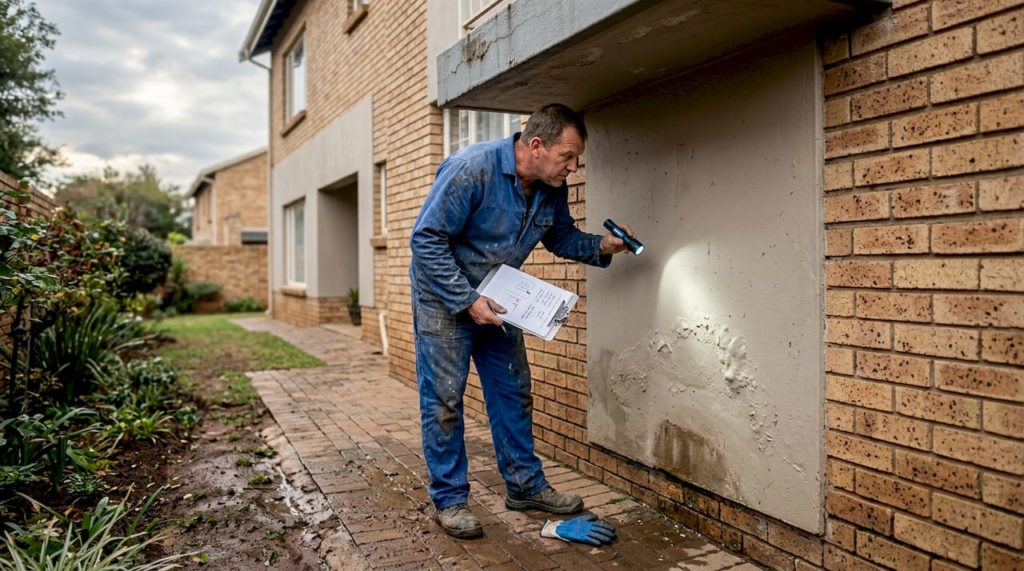
Moisture damage affects 90% of buildings in South Africa, yet countless property owners only recognise the value of waterproofing after expensive repairs become unavoidable. Whether you manage a residential home or a commercial building, understanding how waterproofing protects your investment can save you thousands of rand whilst enhancing property value and longevity. This guide explores the compelling advantages of waterproofing solutions, from cost savings and energy efficiency to material selection and maintenance practices that keep South African properties resilient against harsh environmental conditions.
Table of Contents
- Why Moisture Causes Costly Problems In South African Properties
- The Top Advantages Of Installing Effective Waterproofing Systems
- Choosing The Right Waterproofing Solutions For South African Properties
- Maintaining Waterproofing Systems For Ongoing Protection And Value
- Discover Expert Waterproofing Solutions With Pro Waterproofing
- Frequently Asked Questions
Key takeaways
| Point | Details |
|---|---|
| Preventative savings | Early waterproofing delivers an 8:1 return by avoiding costly structural repairs and mould remediation. |
| Energy and insurance benefits | Proper moisture control reduces heat loss and lowers insurance premiums through decreased water damage risk. |
| Property value boost | Quality waterproofing systems maintain structural integrity and aesthetic appeal, enhancing resale value significantly. |
| Material selection matters | Choosing durable products certified for South African climates prevents premature failures and maximises longevity. |
| Maintenance extends lifespan | Annual inspections and simple upkeep deliver high savings whilst sustaining building health over decades. |
Why moisture causes costly problems in South African properties
South Africa’s diverse climate zones expose buildings to intense rainfall, coastal humidity, and seasonal temperature swings that accelerate moisture infiltration. When water penetrates foundations, walls, or roofs, it triggers a cascade of structural problems that compound rapidly if left unaddressed. Moisture causes 90% of building problems, making it the single greatest threat to property integrity across residential and commercial sectors. The financial impact extends far beyond visible damage, affecting everything from energy bills to insurance claims.
Moisture infiltration weakens concrete through corrosion of reinforcing steel, creates ideal conditions for toxic mould growth, and compromises insulation effectiveness. Property owners often discover these issues only after cracks appear, paint peels, or musty odours signal advanced deterioration. By that stage, repairs can cost tens of thousands of rand, disrupting daily operations and reducing property value substantially. The good news is that preventative waterproofing saves 8:1 in repair costs, offering exceptional financial returns when implemented early.
Common moisture-related problems include:
- Foundation settling and cracking from water pressure buildup
- Mould colonies spreading through walls and ventilation systems
- Electrical hazards from water contact with wiring or fixtures
- Timber rot in roof structures and window frames
- Paint and plaster failure requiring frequent reapplication
Understanding moisture risks motivates timely waterproofing measures that protect your property investment before damage escalates beyond simple prevention.
The true cost of moisture damage extends beyond immediate repairs. Insurance premiums increase after water damage claims, resale values drop when buyers spot signs of dampness, and tenant satisfaction plummets in commercial properties with persistent moisture issues. Addressing these risks proactively through quality waterproofing transforms buildings into resilient assets that withstand South African environmental challenges for decades.
The top advantages of installing effective waterproofing systems
Property owners who invest in professional waterproofing gain multiple interconnected benefits that compound over time. These advantages span financial savings, operational efficiency, and long-term asset protection, making waterproofing one of the most valuable property improvements available. Research consistently demonstrates that proactive waterproofing financially outperforms reactive repairs across all building types and climate conditions.
-
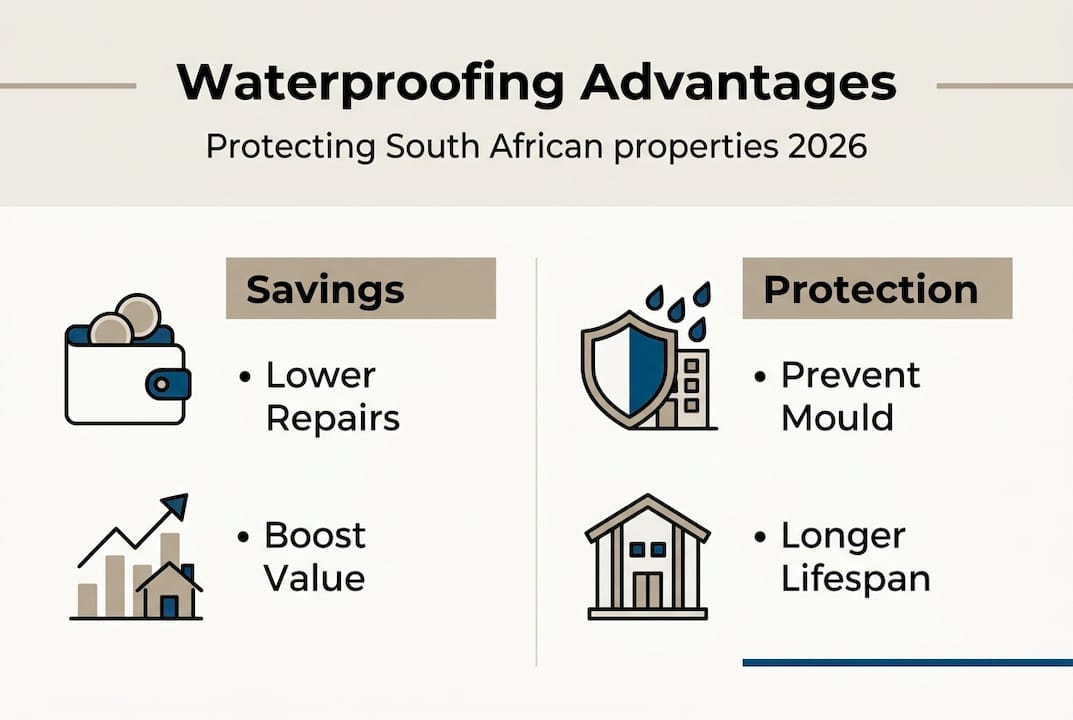
Substantial cost savings through prevention: Quality waterproofing eliminates the need for expensive emergency repairs by stopping moisture before it penetrates structural elements. The 8:1 return on investment means every rand spent on waterproofing saves eight rand in future repair costs, making it exceptionally cost-effective compared to reactive maintenance approaches.
-
Improved energy efficiency: Damp walls and compromised insulation force heating and cooling systems to work harder, driving up electricity bills significantly. Waterproofing improves energy efficiency by maintaining insulation performance and preventing heat transfer through moisture-saturated materials, reducing monthly energy costs by up to 15% in treated buildings.
-
Lower insurance premiums: Insurers recognise waterproofed properties as lower-risk investments and often reduce premiums accordingly. Buildings with documented waterproofing systems experience fewer water damage claims, translating to substantial savings over policy lifetimes whilst providing peace of mind during severe weather events.
-
Enhanced property resale value: Buyers pay premium prices for properties with verified waterproofing systems because they understand the protection these systems provide. Waterproofing enhances property value by demonstrating responsible ownership and eliminating moisture-related concerns that typically reduce sale prices or delay transactions.
-
Increased building longevity: Structures protected from moisture infiltration maintain their designed strength and appearance far longer than unprotected buildings. This extended lifespan reduces the frequency of major renovations and allows property owners to maintain waterproofing systems cost-effectively rather than undertaking expensive structural rehabilitation.
Pro Tip: Choosing quality waterproofing materials certified for South African environments ensures best long-term results. Products tested under local conditions withstand the unique combination of UV exposure, temperature extremes, and moisture cycles that characterise South African climates, preventing premature failures that compromise protection and waste investment.
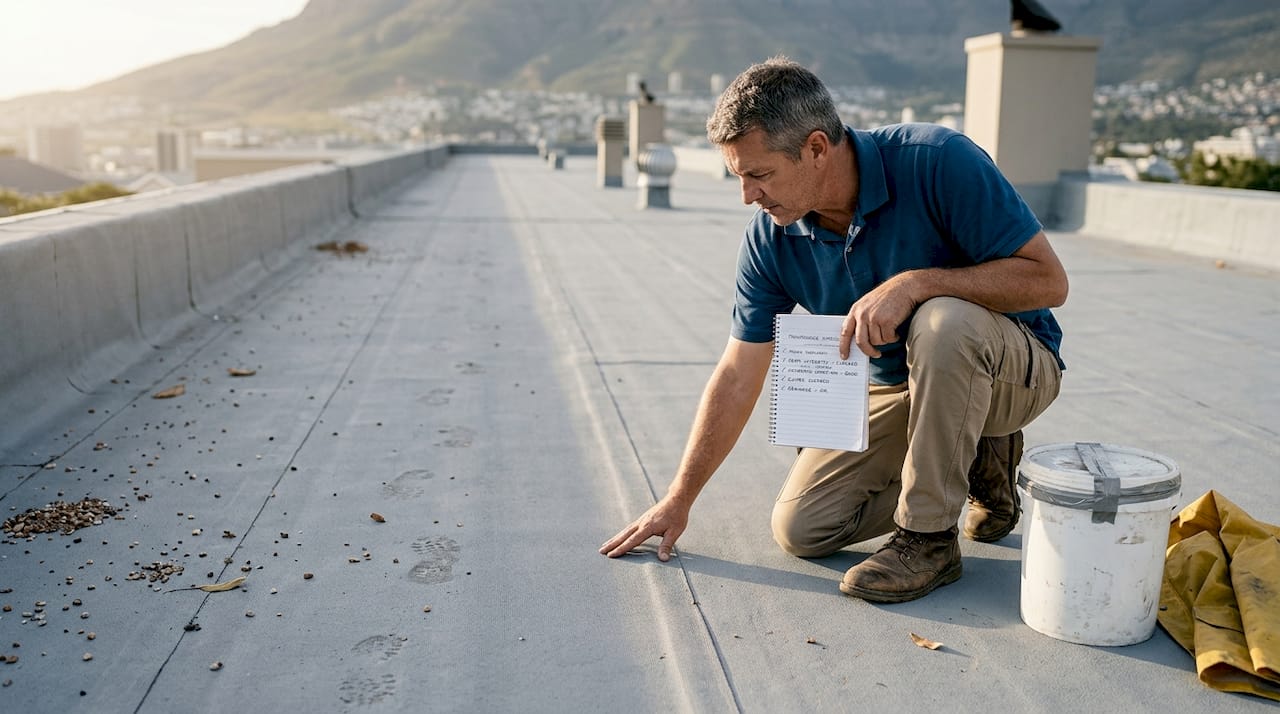
The cumulative effect of these benefits transforms waterproofing from a simple maintenance task into a strategic property investment. Buildings that waterproofing protects your investment in command higher rents, attract quality tenants, and require less frequent major repairs, creating positive financial outcomes that compound annually.
Choosing the right waterproofing solutions for South African properties
Selecting appropriate waterproofing systems requires understanding how different materials perform under local environmental stresses. South African properties face unique challenges from coastal salt spray, inland temperature extremes, and seasonal rainfall patterns that demand tailored solutions. The wrong product choice leads to premature failures that negate waterproofing benefits and require costly reapplication within just a few years.
Common waterproofing systems used across South African residential and commercial properties include:
- Membrane systems using torch-on bitumen or self-adhesive sheets
- Liquid-applied coatings that form seamless barriers
- Crystalline waterproofing that penetrates concrete and self-heals cracks
- Cementitious coatings for below-grade applications
- Injection systems for existing structures requiring remedial treatment
| Waterproofing type | Primary benefits | Expected lifespan | Cost range | Best suited for |
|---|---|---|---|---|
| Membrane systems | Excellent water barrier, proven reliability | 15-25 years | Moderate to high | Flat roofs, balconies, basements |
| Crystalline systems | Self-healing properties, permanent protection | 50+ years | High | Foundations, water-retaining structures |
| Liquid coatings | Seamless application, flexibility | 10-15 years | Low to moderate | Complex surfaces, metal roofs |
| Cementitious products | Cost-effective, easy application | 8-12 years | Low | Bathrooms, internal wet areas |
When comparing waterproofing methods, consider these critical factors:
- Climate zone and exposure levels at your specific location
- Building materials and structural movement characteristics
- Budget constraints balanced against expected lifespan
- Maintenance requirements and accessibility for future inspections
- Compatibility with existing construction and finishes
Crystalline systems offer self-healing for dynamic structures, making them ideal for foundations experiencing settlement or thermal movement. These products integrate with concrete at a molecular level, creating permanent waterproofing that actually improves over time as crystals continue forming within the matrix. However, their higher initial cost requires careful budget consideration against the exceptional longevity they provide.
Pro Tip: Prioritise products with proven durability in harsh South African environments to avoid premature failures. Request case studies from suppliers showing performance in conditions similar to your property, and verify that products carry appropriate certifications from recognised testing bodies. Low-quality materials fail quickly under South African conditions, wasting your investment and leaving properties vulnerable.
Understanding waterproofing lifespan in South Africa helps you plan replacement cycles and budget appropriately for long-term property protection. Quality systems properly installed and maintained deliver decades of reliable service, whilst budget products often require reapplication within five to eight years, ultimately costing more through repeated installations and interim damage repairs.
Maintaining waterproofing systems for ongoing protection and value
Even the highest-quality waterproofing systems require regular maintenance to deliver their full potential lifespan and protection benefits. Neglected systems develop small failures that expand rapidly, transforming minor repairs into major rehabilitation projects. Preventative maintenance saves 80 rand for every 10 rand invested, making upkeep one of the most financially rewarding property management activities available.
Regular inspections identify early warning signs before they escalate into structural problems:
- Membrane blistering or delamination at seams and edges
- Coating chalking, cracking, or thinning from UV exposure
- Drainage system blockages causing water pooling
- Sealant deterioration around penetrations and joints
- Surface contamination reducing coating adhesion
Annual maintenance tasks property owners should follow for optimal protection:
-
Inspect all waterproofed surfaces for visible damage, paying special attention to high-stress areas like roof penetrations, wall-floor junctions, and expansion joints where movement concentrates.
-
Clean drainage systems thoroughly, removing leaves, debris, and sediment that restrict water flow and cause ponding that accelerates membrane degradation.
-
Seal identified cracks immediately using compatible repair materials before they widen and allow moisture penetration into structural elements.
-
Reapply protective coatings to areas showing wear, following manufacturer specifications for surface preparation and application conditions.
-
Document all maintenance activities with photographs and notes, creating a valuable record that demonstrates responsible ownership and supports insurance claims if needed.
-
Schedule professional assessments every three to five years to identify issues beyond typical homeowner expertise and plan for eventual system replacement.
Simple cleaning and minor repairs extend waterproofing lifespan dramatically whilst preventing the costly failures that occur when small problems go unaddressed. A membrane with a tiny puncture can be repaired in minutes with proper materials, but that same puncture left untreated allows water infiltration that damages insulation, corrodes steel, and requires extensive reconstruction.
Investing in waterproofing system maintenance delivers compounding returns as properties age. Well-maintained systems often exceed their rated lifespan by 30 to 50 percent, whilst neglected systems frequently fail years before their expected replacement date. This difference translates to tens of thousands of rand in avoided costs over a building’s lifetime, making maintenance scheduling a critical component of property financial planning.
The relationship between maintenance and building health extends beyond waterproofing performance alone. Properties with documented maintenance programmes attract better tenants, command higher rents, and sell faster at premium prices because buyers recognise the reduced risk and lower future costs these properties represent.
Discover expert waterproofing solutions with Pro Waterproofing
Protecting your South African property from moisture damage requires partnering with experienced professionals who understand local conditions and proven waterproofing technologies. Pro Waterproofing delivers tailored solutions combining quality materials with expert installation, ensuring your building gains maximum protection and value from waterproofing investments.
Explore comprehensive guidance on essential waterproofing methods designed specifically for South African property owners facing diverse climate challenges. Whether you need initial waterproofing for new construction or remedial treatment for existing moisture problems, Pro Waterproofing’s specialists provide the expertise and materials that deliver lasting results. Learn practical maintenance strategies through their detailed waterproofing system maintenance guide to maximise your system’s lifespan and protection capabilities.
Frequently asked questions
What are the most cost-effective waterproofing methods for South African homes?
For residential properties, liquid-applied coatings and cementitious systems offer excellent value when properly specified for specific applications. These methods balance affordable initial costs with reliable performance, making them ideal for homeowners seeking proven protection without premium pricing. Cost-effective waterproofing methods depend heavily on your property’s specific exposure conditions and structural characteristics, so professional assessment ensures optimal material selection.
How often should waterproofing systems be inspected and maintained?
Annual inspections provide the minimum frequency for maintaining waterproofing effectiveness and catching problems early. Properties in harsh coastal environments or areas with extreme weather should undergo inspections twice yearly to address accelerated wear from salt spray and UV exposure. Simple maintenance tasks like cleaning drains and sealing minor cracks prevent costly damage whilst extending system lifespan significantly. Understanding waterproofing inspection frequency helps you schedule appropriate professional assessments alongside routine owner checks.
Can waterproofing improve a building’s energy efficiency?
Yes, effective waterproofing substantially improves energy efficiency by preventing moisture infiltration that compromises insulation performance. Damp insulation loses up to 50 percent of its thermal resistance, forcing heating and cooling systems to consume far more electricity to maintain comfortable temperatures. Proper moisture control keeps insulation dry and effective, reducing energy costs by 10 to 15 percent in treated buildings whilst improving indoor comfort and air quality through reduced humidity levels.