
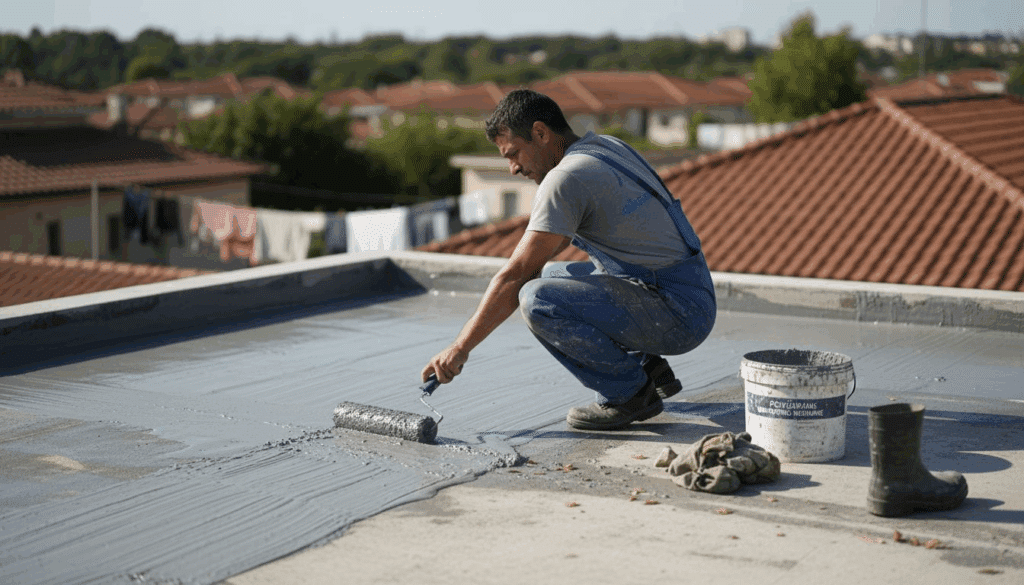
Leaky roofs and damp patches are problems no homeowner wants to face, especially with unpredictable weather in Gauteng and the Western Cape. Protecting your property from costly water damage starts with choosing a solution that adapts to local climate and structural shifts. Liquid applied polyurethane waterproofing forms a flexible, seamless barrier that shields your home from moisture while enduring seasonal extremes. Discover how this innovative system helps homeowners enjoy long-lasting peace of mind without unnecessary disruption or ongoing repairs.
Table of Contents
- Liquid Applied Polyurethane Waterproofing Defined
- Types Of Polyurethane Membranes And Applications
- Key Properties And Installation Process
- Costs, Risks And Long-Term Performance
- Comparing Polyurethane With Alternative Systems
Key Takeaways
| Point | Details |
|---|---|
| Seamless Protection | Liquid applied polyurethane offers a jointless barrier, eliminating leak points where traditional sheet membranes are vulnerable. |
| Rapid Curing | The system cures quickly, typically within hours, enabling faster project completion and reduced disruption. |
| Flexibility and Durability | Once cured, it remains elastic, accommodating structural movement and providing reliable protection for up to 25 years. |
| Environmentally Friendly Options | Water-based formulations are preferred for residential applications, offering minimal odour and lower environmental impact compared to solvent-based alternatives. |
Liquid applied polyurethane waterproofing defined
Liquid applied polyurethane waterproofing is a modern solution that transforms liquid coating into a seamless, flexible membrane protecting your home. Unlike traditional sheet membranes, this system flows onto surfaces as a liquid before curing into a durable barrier.
The process involves applying a water-based polyurethane compound directly onto the area needing protection. As it dries, the product forms a continuous, jointless layer that adheres firmly to the substrate beneath.
How It Works
Single-pack polyurethane systems arrive ready to use, requiring no mixing or complex preparation. You simply apply the liquid directly to roof surfaces, balconies, deck areas, or vulnerable walls.
The material cures quickly, typically within hours rather than days. This rapid drying means your project moves forward faster, reducing disruption to your household.
Flexibility is the standout feature of polyurethane membranes. Once cured, the coating remains elastic, accommodating the natural movement and settling that all homes experience over time.
Key Characteristics
Liquid applied polyurethane offers several practical advantages for South African homeowners:
- Creates a completely seamless barrier with no seams or joints where water might penetrate
- Bonds directly to concrete, tile, metal, and other common building materials
- Remains pliable even in temperature fluctuations common to Gauteng and the Western Cape
- Withstands chemical exposure, resisting salt air and industrial pollutants
- Can be applied to slightly damp surfaces, avoiding costly drying delays
- Adapts perfectly to irregular surfaces and intricate architectural features
Application Areas
Flexible polyurethane waterproofing solutions suit diverse applications across your property. Roofs, parapet walls, and balconies benefit from the seamless protection. Deck areas, facades, and even internal damp zones respond well to this treatment.
The system works equally well for new construction and existing property repairs. Whether you’re preventing first-time water damage or resolving chronic leaks, liquid polyurethane adapts to your situation.
A properly applied polyurethane membrane can protect your home for 15-20 years, provided the correct product suits your specific substrate and climate conditions.
Why It Differs From Other Methods
Compare this to traditional waterproofing approaches. Sheet membranes require heating, seaming, and skilled installation. Coating-only systems sometimes lack sufficient flexibility for structural movement.
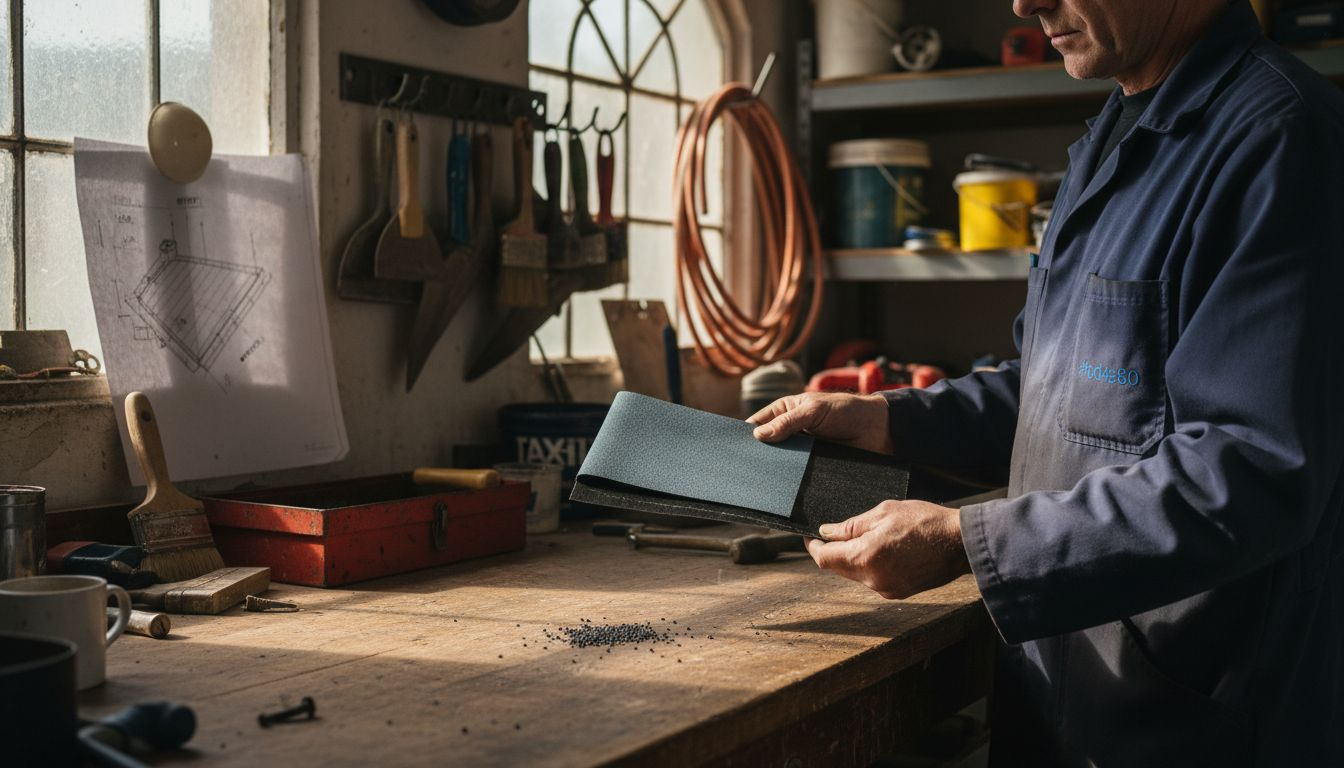
Polyurethane bridges both strengths: it offers the seamless coverage of poured systems with the durability of sheet products, plus superior flexibility for your property’s natural movement.
Pro tip: Request a professional assessment before selecting your waterproofing method, as surface type, slope, and existing damage all influence whether liquid polyurethane suits your specific requirements.
Types of polyurethane membranes and applications
Polyurethane waterproofing comes in several distinct types, each designed for specific conditions and surfaces around your home. Understanding which variant suits your property prevents costly mistakes and ensures long-lasting protection.
The primary distinction lies in how the polyurethane is formulated and applied. Some versions prioritise flexibility, others emphasise chemical resistance, and some balance both properties for broad application across diverse surfaces.
Single-Pack Ready-to-Use Systems
Single-pack polyurethane membranes arrive fully formulated, requiring no on-site mixing. You open the container and apply directly to the substrate, making installation straightforward for contractors and property owners alike.
These systems cure through moisture absorption from the substrate or ambient air. The curing process remains consistent regardless of weather, provided temperatures stay within manufacturer specifications.
Single-pack options work particularly well on roofs, balconies, and external facades. They bond effectively to concrete, masonry, and previously painted surfaces common in Gauteng properties.
Two-Component Polyurethane Systems
Two-part polyurethane formulations combine a resin and a hardener mixed on-site immediately before application. This approach offers superior durability for high-traffic areas and surfaces requiring exceptional chemical resistance.
The mixing process activates the curing mechanism, providing better control over application timing. Contractors prefer two-component systems for large projects where extended working time matters.
Two-component polyurethane membranes typically offer superior longevity and durability compared to single-pack alternatives, though they demand more rigorous application protocols.
Water-Based Versus Solvent-Based
Water-based polyurethane formulations dominate residential applications across South Africa. They emit minimal odour, cure quickly, and present fewer environmental concerns during application.
Solvent-based variants offer enhanced penetration on porous surfaces and superior chemical resistance. However, health and environmental considerations make water-based solutions the preferred choice for most residential properties.
Application-Specific Variations
Different types of waterproofing membranes suit distinct scenarios across your property:
- Roof membranes emphasise UV resistance and weathering durability
- Balcony and deck coatings prioritise flexibility and traffic resistance
- Below-grade solutions focus on water vapour management and sustained moisture exposure
- Parapet wall treatments balance vertical adhesion with flexibility
- Internal damp-proofing systems resist rising moisture from ground sources
Choosing the Right Type
Your selection depends on substrate type, exposure conditions, and expected foot traffic. A roof requires different properties than a shower room wall or basement membrane.
Temperature fluctuations in the Western Cape and Gauteng necessitate membranes with excellent flexibility across seasonal extremes. High altitude areas around Johannesburg demand enhanced UV stability.
Existing moisture conditions influence your choice significantly. Some systems tolerate slightly damp substrates, whilst others require completely dry surfaces for optimal performance.
Pro tip: Consult a professional waterproofing specialist to assess your substrate condition and climate exposure; they’ll recommend the precise polyurethane membrane type that maximises protection and lifespan for your specific application.
Key properties and installation process
Polyurethane waterproofing membranes possess distinctive characteristics that make them ideal for South African residential properties. These properties determine how well the system protects your home and how long it lasts against weather and structural movement.
The installation process demands precision and attention to detail. Proper preparation separates successful waterproofing projects from those that fail prematurely.
Critical Properties
High elongation allows the membrane to stretch and contract with building movement. Your home settles slightly as foundations shift with seasonal moisture changes and temperature fluctuations common in Gauteng and the Western Cape.
UV resistance protects exposed polyurethane surfaces from sun damage and degradation. Membranes applied to roofs and external facades must withstand intense African sunlight without weakening or cracking over 15-20 years.
Chemical resistance prevents deterioration from salt air, industrial pollutants, and cleaning products. Coastal properties face particular challenges; inland Gauteng properties benefit from this durability feature too.
Solvent-free formulations eliminate harmful fumes during application, making the process safer for occupants and environmentally responsible. High elongation and UV-resistant polyurethane systems create seamless, flexible protective layers that withstand years of exposure.
A properly specified polyurethane membrane combines flexibility with chemical resistance, ensuring protection against both structural movement and environmental degradation simultaneously.
Surface Preparation Essentials
Success begins before application starts. Surfaces must be clean, dry, and structurally sound before any coating arrives on site.
Preparation steps include:
- Remove loose paint, debris, algae, and contaminants completely
- Repair cracks and structural damage prior to waterproofing
- Allow adequate drying time on previously damp surfaces
- Level high spots and fill low areas where water pools
- Prime any porous substrates as recommended by manufacturers
Skipping surface preparation creates weak adhesion and premature failure. Water trapped beneath the membrane undermines the entire system’s effectiveness.
Application Methods
Polyurethane membranes apply using three primary techniques:
- Brush application suits detailed work around penetrations and edges
- Roller application covers large flat areas efficiently and uniformly
- Spray application speeds up projects whilst ensuring consistent thickness
Most residential projects use brush or roller methods for control and cost efficiency. Multiple coats build the recommended thickness, typically 1.5 to 2 millimetres total.
Curing times vary by formulation and ambient conditions. Single-pack systems typically cure within hours, allowing rapid project progression.
Substrate Compatibility
Polyurethane bonds effectively to concrete, metal, masonry, and existing waterproof membranes. This versatility makes it suitable across diverse property conditions.
Each substrate requires slightly different preparation. Concrete needs cleaning and drying; metal demands rust removal and degreasing; masonry may require priming to control absorption rates.
Pro tip: Engage a qualified waterproofing contractor to assess your substrate condition and moisture levels; they’ll verify adequate drying time and recommend appropriate primers, avoiding costly adhesion failures after application.
Costs, risks and long-term performance
Polyurethane waterproofing represents a significant investment in your property’s protection. Understanding the financial commitment and what it delivers over time helps you make confident decisions about protecting your home.
Initial costs vary based on property size, substrate condition, and application complexity. However, the long-term value often exceeds cheaper alternatives that fail within a few years.
Initial Investment Considerations
Installation costs typically range from moderate to premium compared with other waterproofing methods. Prices depend on roof area, surface preparation requirements, and your location within Gauteng or the Western Cape.
Larger projects spread fixed costs across more area, reducing per-square-metre expenses. Complex surfaces with multiple penetrations and intricate details increase labour time and materials needed.
The speed of application offsets costs considerably. Polyurethane systems cure rapidly, allowing completion within days rather than weeks. This minimises disruption to your household and reduces contractor scheduling challenges.
Polyurethane liquid membranes typically exceed 25 years working life with excellent mechanical and UV resistance, making them cost-effective when calculated across their lifespan.
Long-Term Performance Benefits
Twenty-five-year durability means your polyurethane investment outlasts most building components. This longevity justifies premium installation costs when amortised across two decades of protection.
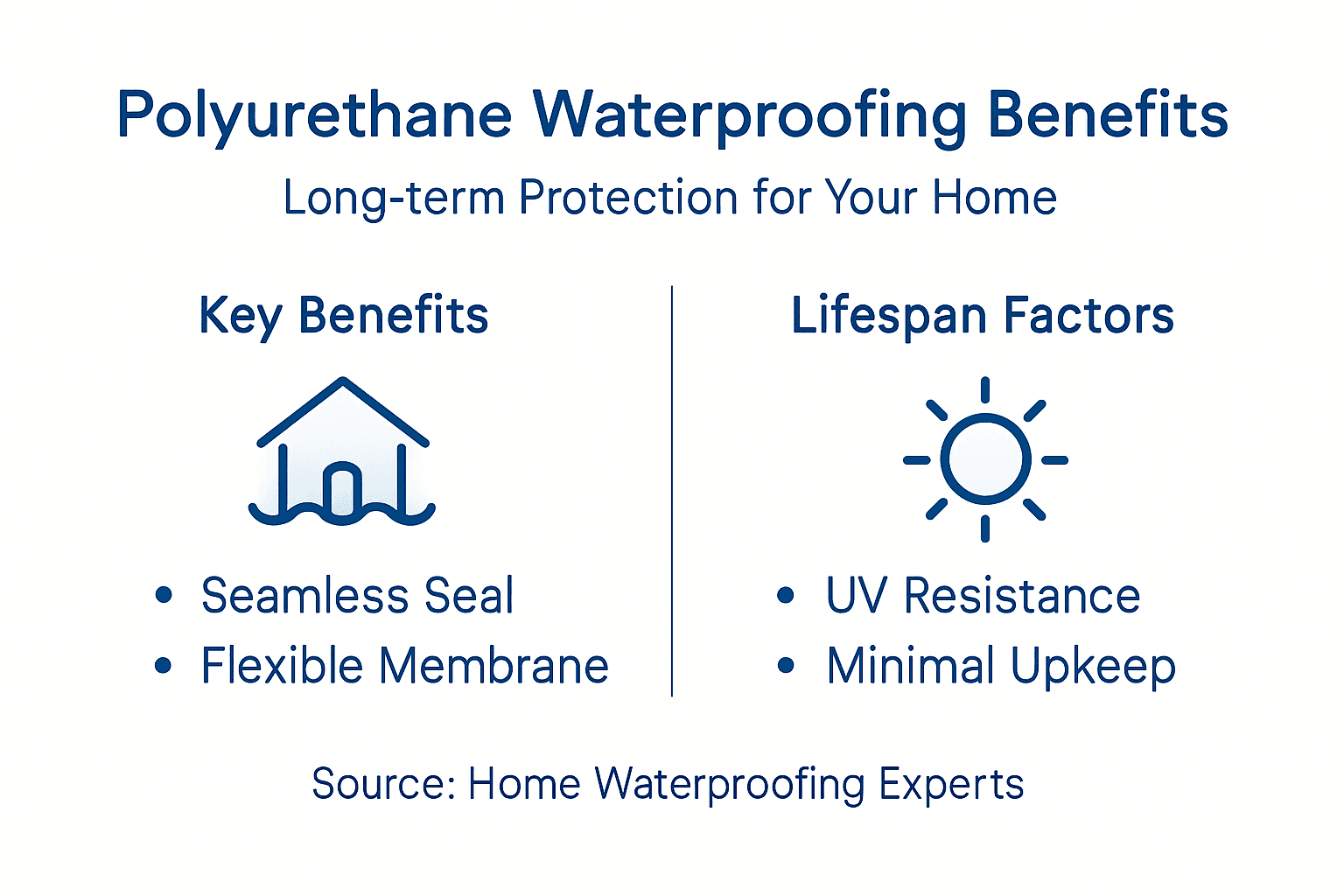
Seamless construction eliminates seam-related leaks that plague traditional membranes. Seams remain the weak points in sheet-based systems; polyurethane bypasses this vulnerability entirely.
Minimal maintenance requirements reduce long-term expenses. Occasional inspections and minor touch-ups cost far less than replacing failed sheet membranes or dealing with water damage.
Risk Mitigation Strategies
Proper installation prevents most common failures. Key risk factors include:
- Substrate preparation must be thorough; corners cut here lead to adhesion failure
- Moisture content requires adequate drying before application; trapped water undermines performance
- Weather conditions demand application within manufacturer specifications; rain or extreme temperatures compromise curing
- Adequate curing time before exposing the membrane to water or foot traffic
- Crack bridging capability depends on correct product selection and film thickness
Ponding water resistance protects against trapped moisture on flat roofs. Quality polyurethane systems maintain integrity even where water collects temporarily.
Comparing Long-Term Value
Cheaper waterproofing often fails within 5-10 years, necessitating costly replacement. By year fifteen, you’ve invested in multiple applications of inferior systems whilst polyurethane membranes still perform reliably.
Water damage from failed waterproofing costs significantly more than premium installation. Structural repairs, interior remediation, and potential health issues from mould far exceed initial savings.
Here’s how the main waterproofing systems compare across key factors:
| System Type | Lifespan Estimate | Flexibility for Movement | Typical Installation Speed | Suitability for SA Climates |
|---|---|---|---|---|
| Polyurethane | 20-25 years | Highly elastic | Rapid, days not weeks | Excellent, adapts to extremes |
| Sheet Membrane | 10-20 years | Moderate, seams can fail | Slow, complex procedures | Good, but seams vulnerable |
| Bituminous Coating | 5-15 years | Poor, temperature sensitive | Moderate, needs heating | Limited, UV degrades quickly |
| Cementitious | 5-10 years | Rigid, cracks with movement | Fast, paint application | Suitable for interiors only |
Polyurethane’s thermal and chemical resistance means consistent performance across South Africa’s diverse climates. Coastal salt exposure, inland temperature extremes, and industrial pollution all affect durability; polyurethane resists them comprehensively.
Pro tip: Request a detailed warranty statement and maintenance schedule from your contractor; understanding coverage terms and inspection protocols protects your investment and ensures optimal long-term performance across decades.
Comparing polyurethane with alternative systems
Polyurethane waterproofing competes with several established alternatives, each offering distinct advantages and limitations. Understanding how they compare helps you select the best solution for your property’s specific needs and circumstances.
No single waterproofing method suits every situation perfectly. Your choice depends on substrate type, budget, climate exposure, and performance expectations across the decades ahead.
Polyurethane Versus Sheet Membranes
Sheet membranes require heating and seaming during installation. These labour-intensive processes demand skilled technicians and careful attention to seam quality, as weak seams become failure points.
Polyurethane eliminates seams entirely, creating truly seamless barriers without vulnerable joints. This advantage matters significantly on roofs and balconies where water actively seeks entry points.
Sheet membranes offer excellent durability once properly installed. However, installation complexity increases costs and project timelines compared with liquid-applied polyurethane systems.
Temperature sensitivity affects both systems differently. Polyurethane remains flexible across seasonal extremes common in Gauteng and the Western Cape, whilst sheet materials can become brittle in cold or overly pliable in heat.
Polyurethane Versus Bituminous Coatings
Bituminous systems cost less initially but deteriorate faster. These coal-tar or asphalt-based coatings soften in intense heat and harden in cold, losing flexibility that polyurethane maintains.
Bitumen emits stronger odours during application and requires more frequent maintenance. UV exposure degrades bitumen coatings within 10-15 years, necessitating replacement or re-coating before polyurethane systems show significant wear.
Polyurethane’s superior chemical and thermal resistance justifies premium pricing when calculated across service life. You’re comparing five-year bitumen durability against 25-year polyurethane performance.
Polyurethane Versus Cementitious Coatings
Cementitious waterproofing applies like paint and suits interior damp-proofing effectively. These rigid systems crack and fail when substrates move, which all buildings experience seasonally.
Polyurethane bridges this fundamental weakness. Its flexibility accommodates structural movement without cracking, protecting your home as foundations settle and temperature changes stress materials.
Cementitious coatings work well for non-moving surfaces but perform poorly on roofs or balconies. Polyurethane excels across diverse applications, making it more versatile for comprehensive property protection.
This table summarises typical application areas for each membrane type:
| Membrane Type | Best Used On | Typical Challenges Encountered | Key Longevity Factor |
|---|---|---|---|
| Polyurethane | Roofs, balconies, facades | Needs thorough surface prep | UV resistance, flexibility |
| Sheet Membrane | Flat roofs, below-grade | Seam leaks, installation error | Seam durability |
| Bituminous Coating | Parapet walls, foundations | Softens/hardens with climate | Regular maintenance |
| Cementitious | Basement, shower walls | Not suited for structural movement | Cracking with substrate |
Key Comparison Points
Consider these factors when selecting between systems:
- Seamless protection favours polyurethane over sheet or cementitious alternatives
- Flexibility makes polyurethane ideal for buildings experiencing movement
- Installation speed advantages polyurethane, reducing project disruption
- Long-term durability favours polyurethane across 25-year+ timescales
- UV resistance exceeds bituminous and basic cementitious systems
- Initial cost may favour cheaper alternatives, but rarely represents true economy
Best waterproofing materials combine longevity with flexibility, making polyurethane the comprehensive choice for residential properties seeking reliable decades-long protection across diverse applications.
Pro tip: Request samples or references from contractors familiar with each system type; seeing real-world performance on comparable properties in your climate zone provides invaluable perspective beyond theoretical comparisons.
Secure Your Home with Expert Liquid Polyurethane Waterproofing Solutions
The article highlights the challenges of protecting your home against water damage through flexible and durable liquid polyurethane membranes. If you are facing issues like cracking, leaks, or structural movement that threaten your property’s integrity, it is crucial to choose a waterproofing solution that offers seamless coverage, high elasticity, and long-lasting UV resistance.
At Pro Waterproofing, we specialise in applying liquid polyurethane waterproofing that adapts perfectly to South African climates, including the harsh UV exposure in Gauteng and the Western Cape. Our professional services ensure thorough surface preparation and expert installation, giving your home the robust protection it deserves.
Don’t let water damage compromise your investment. Act now to benefit from our expert advice and long-lasting polyurethane solutions tailored to your property’s specific needs. Visit Pro Waterproofing to request a quote and consult with trusted waterproofing specialists who prioritise quality, experience, and customer satisfaction. Safeguard your home today by choosing a solution designed to last decades with minimal maintenance.
Also explore our detailed guides on polyurethane liquid rubber membranes and essential types of waterproofing membranes to make an informed decision.
Frequently Asked Questions
What is liquid applied polyurethane waterproofing?
Liquid applied polyurethane waterproofing is a modern solution that transforms a water-based polyurethane coating into a seamless, flexible membrane, providing protection against water intrusion for homes.
How does the application process for polyurethane waterproofing work?
The application involves using single-pack or two-component polyurethane systems that can be directly applied to surfaces. The material cures quickly, forming a durable barrier that adheres firmly to various substrates.
What are the advantages of using polyurethane waterproofing over traditional methods?
Polyurethane waterproofing provides a seamless barrier without seams or joints, excellent flexibility to accommodate building movement, and superior chemical resistance compared to sheet membranes and bituminous coatings.
How long can I expect a polyurethane waterproofing membrane to last?
A properly installed polyurethane membrane can last between 15 to 25 years, depending on factors such as substrate type and climate exposure, making it a cost-effective choice for long-term protection.
Recommended
- Elevate Your Living Space with Pro Waterproofing: Creating Resilient Homes
- Elevating Homes: The Art of Residential Waterproofing
- Why Use Liquid Waterproofing on South African Homes
- 7 Top Waterproofing Materials for Homes in 2025
- Finishing Your Basement: Code, Cost, Comfort – Henley Contracting Ltd.