
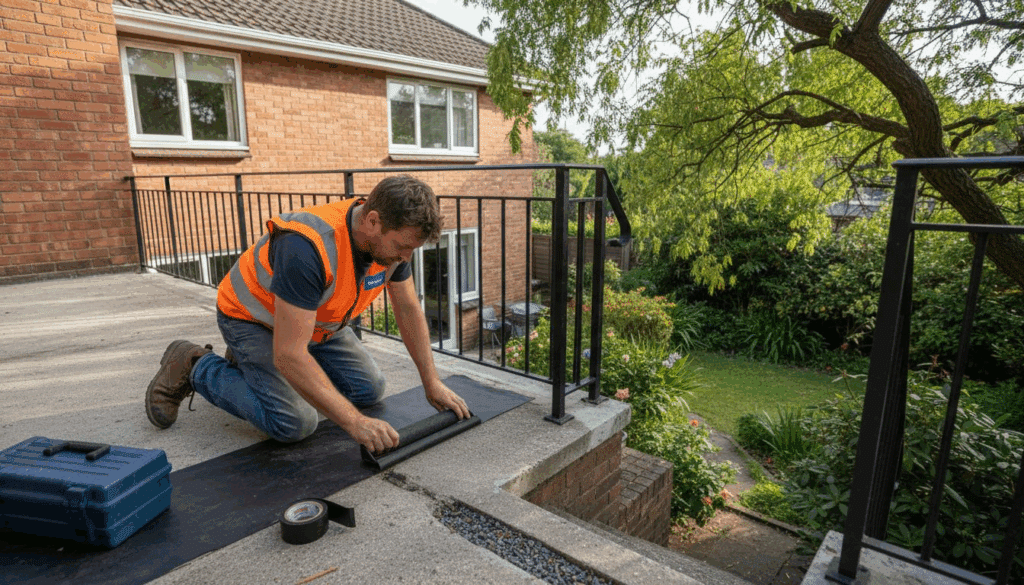
Water leaks and damp patches remain a top concern for homeowners in Gauteng, with studies showing that substandard waterproofing contributes to nearly forty percent of local property damage. Whether you live in a classic British-style cottage or a modern South African townhouse, understanding what separates a quality waterproofing job from a temporary fix is crucial. This guide unpacks expert insights on waterproofing standards, revealing the knowledge every Gauteng homeowner needs to confidently protect their investment.
Table of Contents
- What Quality Means in Waterproofing
- Types of Waterproofing Systems Compared
- Installation Standards and Best Practices
- Legal Requirements and Local Regulations
- Risks of Poor-Quality Waterproofing
- How to Choose Qualified Contractors
Key Takeaways
| Point | Details |
|---|---|
| Quality Waterproofing is Multifaceted | Effective waterproofing combines material selection, technical knowledge, and environmental considerations unique to each location. |
| Robust Installation Standards are Crucial | Adhering to stringent installation practices ensures long-term protection from moisture-related damages. |
| Understanding Local Regulations is Essential | Homeowners must ensure compliance with national building regulations to safeguard their properties against waterproofing failures. |
| Selecting Qualified Contractors Matters | Thorough evaluation of a contractor’s qualifications and past performance is vital to guarantee the effectiveness of waterproofing solutions. |
What Quality Means in Waterproofing
In the context of home protection, quality waterproofing transcends basic moisture prevention. It represents a comprehensive approach to safeguarding residential structures against water damage through precise, scientifically-informed techniques. Waterproofing standards established by professional associations emphasise not just material application, but the intricate skill and technical knowledge required to create genuinely effective moisture barriers.
Quality waterproofing involves multiple critical components that work synergistically to protect a home. These include selecting appropriate materials matched to specific substrate conditions, understanding localised environmental challenges in Gauteng, and applying techniques that meet rigorous industry standards. Professional waterproofers must demonstrate comprehensive knowledge of substrate preparation, membrane selection, drainage considerations, and long-term performance predictions.
The South African context demands an especially nuanced understanding of waterproofing quality. Gauteng’s variable climate conditions – ranging from intense summer thunderstorms to dry winter periods – require waterproofing solutions that can expand, contract, and maintain structural integrity under dynamic environmental stress. National waterproofing standards specify precise competencies that practitioners must master, ensuring that waterproofing is not merely a surface treatment but a sophisticated structural protection strategy.
Pro tip: Always request detailed documentation of a waterproofing contractor’s qualifications, certification levels, and previous project outcomes before commissioning work.
Types of Waterproofing Systems Compared
Gauteng homeowners face diverse waterproofing challenges that demand sophisticated solution strategies. Waterproofing systems vary significantly in their application, durability, and performance characteristics, making careful selection crucial for effective moisture protection. The primary categories include liquid membranes, sheet membranes, and cementitious coatings, each engineered to address specific structural and environmental requirements.
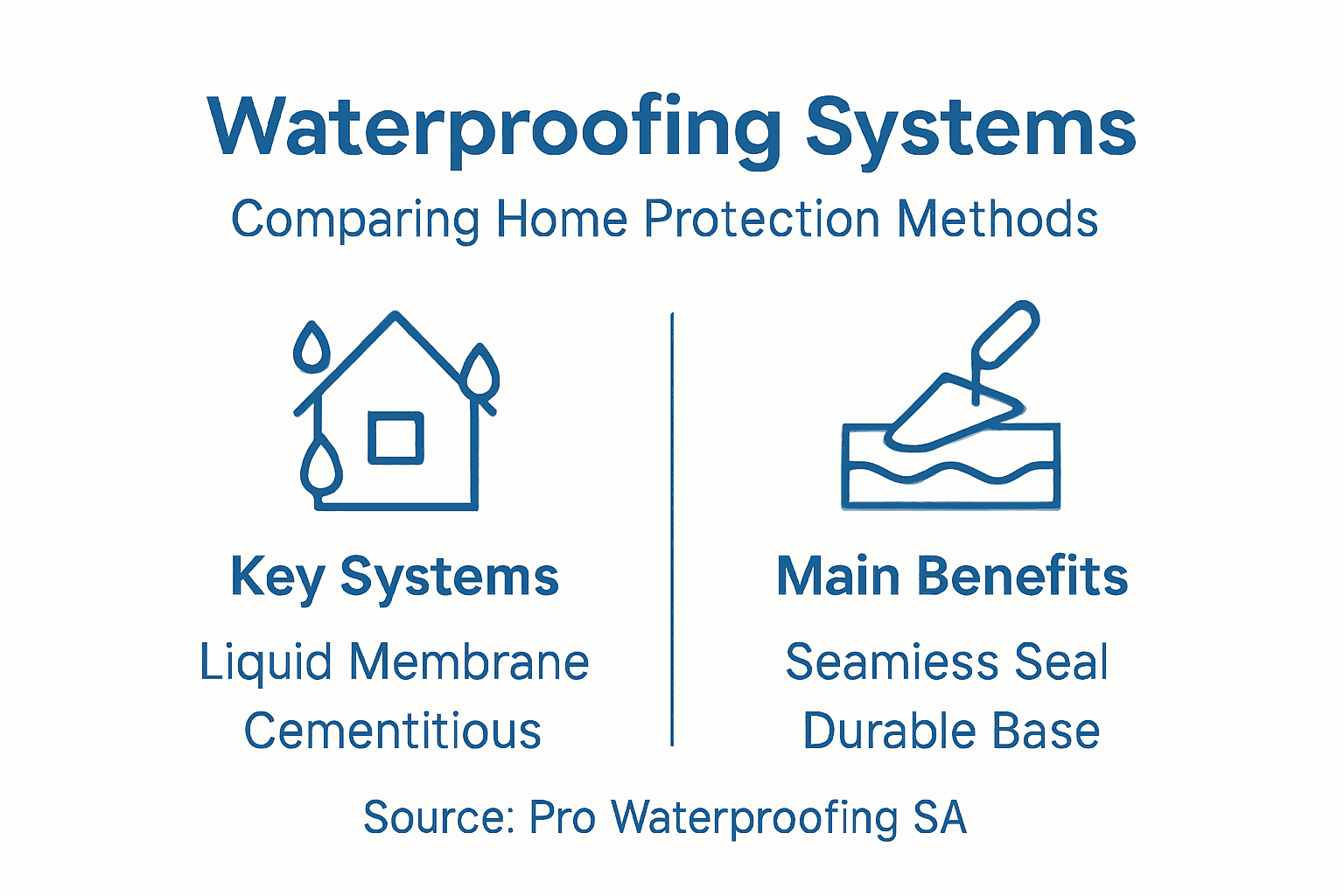
Liquid waterproofing membranes offer seamless protection particularly suited to flat roof structures and surfaces with complex geometries. These systems create a continuous, flexible barrier that can expand and contract with temperature variations, making them ideal for Gauteng’s variable climate conditions. Sheet membranes, conversely, provide robust protection for pitched roofs, utilising pre-manufactured materials that can be precisely installed to create watertight seals across large surface areas.
Cementitious waterproofing represents a specialised solution particularly effective for concrete substrates and below-ground applications. These systems involve cement-based compounds that penetrate and seal substrate surfaces, creating a rigid, durable moisture barrier. National building standards recommend specific application techniques to ensure optimal performance, taking into account factors such as substrate condition, moisture exposure, and long-term structural integrity.
Here’s a concise comparison of key waterproofing systems commonly used in Gauteng:
| System Type | Main Application | Climate Suitability | Maintenance Level |
|---|---|---|---|
| Liquid Membrane | Flat roofs and complex areas | High flexibility, ideal | Moderate, periodic |
| Sheet Membrane | Pitched roofs, large areas | Robust against storms | Low, long lifespan |
| Cementitious Coating | Basements, concrete surfaces | Excellent for subterranean | Moderate, annual check |
Pro tip: Consult a professional waterproofing specialist who can conduct a comprehensive site assessment and recommend the most appropriate system for your specific architectural configuration and environmental conditions.
Installation Standards and Best Practices
Waterproofing installation demands precision and adherence to rigorous professional standards. National installation guidelines specify comprehensive requirements that ensure long-term structural protection and moisture resistance for Gauteng properties. These standards encompass multiple critical aspects of waterproofing, from initial surface preparation through to final application techniques that guarantee optimal performance.
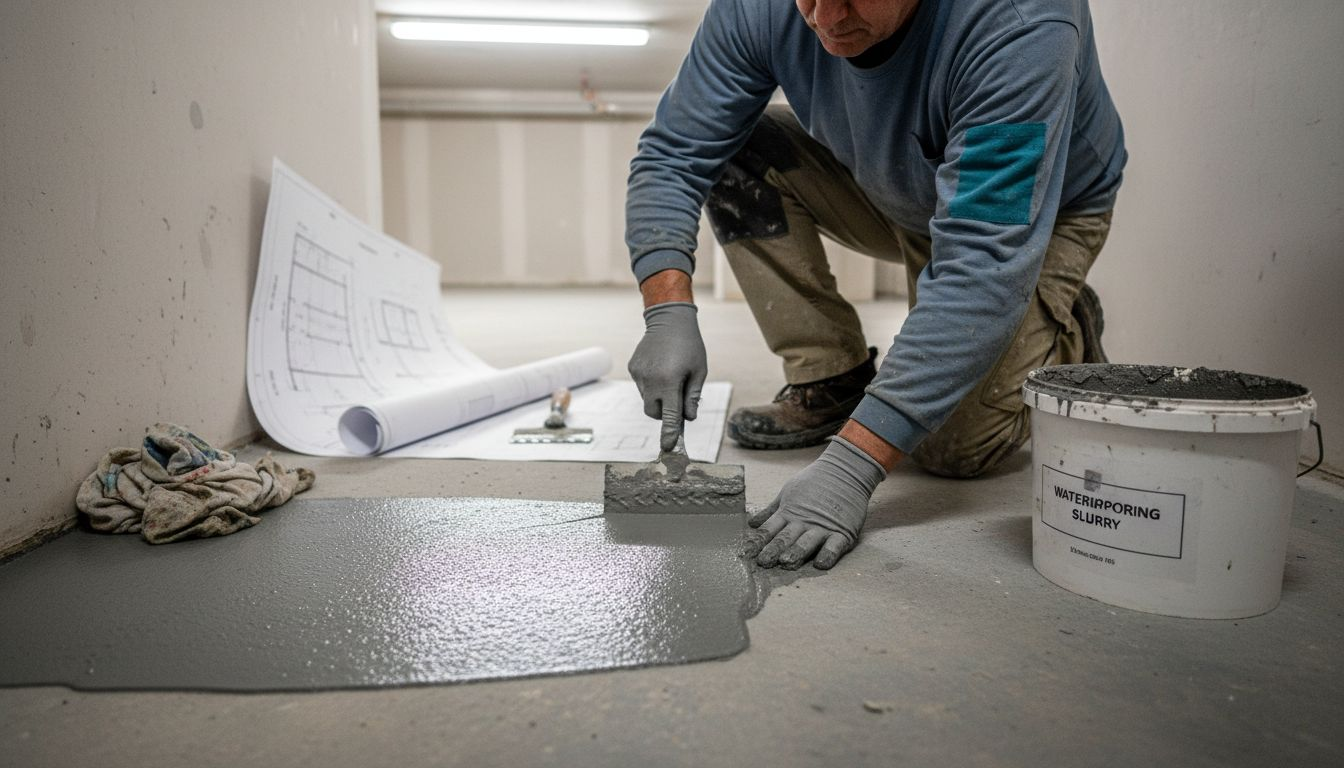
Professional waterproofing involves several key preparatory steps before membrane application. Substrate assessment is paramount, requiring thorough inspection for structural integrity, surface smoothness, and potential existing moisture damage. Technicians must meticulously clean and repair surfaces, removing debris, filling cracks, and creating a uniform base that allows proper membrane adhesion. Temperature and humidity conditions during installation also play crucial roles, with specific environmental parameters mandating specific application techniques to ensure successful waterproofing.
Beyond initial installation, South African standards emphasise ongoing maintenance and periodic professional assessment. Waterproofing systems must demonstrate resilience against temperature fluctuations, UV exposure, and potential structural movements typical in Gauteng’s diverse climate. Contractors are expected to provide detailed documentation demonstrating material compatibility, expected lifespan, and specific performance characteristics relevant to the unique architectural context of each project. This comprehensive approach transforms waterproofing from a simple protective measure into a sophisticated structural preservation strategy.
Pro tip: Request comprehensive installation documentation and warranty details from your waterproofing contractor, ensuring you understand the specific performance guarantees and maintenance requirements for your specific project.
Legal Requirements and Local Regulations
Waterproofing in South Africa operates within a comprehensive legal framework designed to protect homeowners and ensure structural integrity. National building regulations establish rigorous standards that mandate specific requirements for roof and moisture protection systems. These regulations encompass detailed specifications regarding material selection, installation techniques, and performance expectations that contractors must strictly follow when undertaking waterproofing projects in Gauteng.
The National Home Builders Registration Council plays a critical role in enforcing consumer protection through warranty mechanisms. Warranty provisions legally require builders to address waterproofing defects within twelve months of occupation, creating a robust accountability mechanism that incentivises high-quality workmanship. This legislative approach ensures that homeowners have recourse if waterproofing systems fail to meet prescribed performance standards, protecting their substantial property investments against potential moisture-related damage.
Compliance with these regulations extends beyond initial installation, demanding ongoing maintenance and periodic professional assessment. Gauteng homeowners must understand that legal requirements are not static but evolve to address changing construction technologies and environmental challenges. Contractors are obligated to provide comprehensive documentation demonstrating adherence to national building standards, including detailed records of materials used, application techniques, and expected system performance under local climate conditions.
Pro tip: Request a comprehensive compliance certificate from your waterproofing contractor, detailing specific regulatory standards met during the installation process.
Risks of Poor-Quality Waterproofing
Poor-quality waterproofing represents a significant threat to residential structures in Gauteng, with potentially catastrophic consequences for homeowners. Construction quality research reveals that substandard waterproofing can lead to extensive structural damage, dramatically reducing property value and creating long-term financial burdens. The risks extend far beyond simple moisture intrusion, encompassing comprehensive structural degradation that can compromise entire building systems.
The most immediate and devastating consequences of inadequate waterproofing involve progressive material deterioration. Water penetration initiates a cascade of destructive processes, including concrete spalling, steel reinforcement corrosion, timber rot, and comprehensive building envelope compromise. Warranty protection guidelines highlight that roof leaks and moisture ingress can cause rapid and expensive damage, often requiring complete system replacement rather than simple repairs.
Moisture infiltration creates additional health and structural hazards beyond physical damage. Persistent dampness generates optimal conditions for mould and fungal growth, which pose significant respiratory health risks to occupants. These biological contaminants can spread rapidly through wall cavities and ventilation systems, transforming a localised waterproofing failure into a comprehensive indoor environmental health challenge that affects entire household ecosystems.
This summary outlines the principal risks associated with poor-quality waterproofing:
| Risk Factor | Structural Impact | Health Implications |
|---|---|---|
| Water ingress | Integrity compromise, spalling | Dampness, mould formation |
| Membrane failure | Timber rot, steel corrosion | Increased allergy risks |
| Insufficient drainage | Foundation erosion, leaks | Poor air quality |
Pro tip: Invest in a professional moisture assessment and waterproofing inspection annually to identify and address potential vulnerabilities before they escalate into costly structural failures.
How to Choose Qualified Contractors
Selecting a competent waterproofing contractor requires careful evaluation beyond superficial credentials. Regulatory body standards mandate specific professional qualifications that homeowners should diligently verify before engaging any waterproofing service. Critical documentation includes professional membership certificates, valid business registrations, comprehensive public liability insurance, and demonstrable technical competencies specific to waterproofing applications.
The Construction Industry Development Board provides structured guidance for contractor assessment. Contractor qualification criteria emphasise not just technical skills but holistic business sustainability and professional standards. Homeowners should request evidence of cidb grading, which indicates a contractor’s capacity to manage projects of specific complexity and scale. Essential verification points include checking professional certifications, reviewing past project portfolios, and confirming adherence to national quality management systems such as SANS ISO 9001.
Beyond formal credentials, effective contractor selection involves comprehensive due diligence. Prospective clients should conduct thorough reference checks, request detailed written quotations, and investigate the contractor’s track record of completing similar projects in Gauteng’s specific climate conditions. Understanding a contractor’s approach to substrate preparation, material selection, and post-installation support becomes crucial in determining their potential long-term reliability and commitment to quality waterproofing solutions.
Pro tip: Always request and personally contact at least three independent references from recent waterproofing projects before making a final contractor selection.
Secure Your Gauteng Home with Expert Quality Waterproofing
Protecting your home from water damage is not just an option but a necessity as highlighted in the detailed discussion about the role of quality in waterproofing. The challenges of selecting the right materials, navigating complex installation standards, and avoiding the costly risks of poor workmanship require trusted professional solutions. Whether you are concerned about moisture barriers failing or the health risks from mould caused by water ingress, your home deserves proven expertise that understands Gauteng’s unique climate and structural needs.
Discover comprehensive guidance and reliable services at Uncategorized – Pro Waterproofing to ensure your waterproofing project meets all regulatory requirements and industry best practices.
Do not wait for leaks or deterioration to threaten your property’s value and safety. Visit https://prowaterproofing.co.za to connect with certified waterproofing specialists who prioritise quality, offer full documentation, and provide clear warranties. Take the first step now to protect your investment with confidence and peace of mind.
Frequently Asked Questions
What are the key components of quality waterproofing?
Quality waterproofing involves selecting appropriate materials, understanding the specific environmental challenges, and applying rigorous techniques that meet industry standards. It requires comprehensive knowledge of substrate preparation, membrane selection, drainage considerations, and long-term performance predictions.
How does the climate in Gauteng affect waterproofing choices?
Gauteng’s variable climate requires waterproofing solutions that can adapt to both intense summer storms and dry winter periods. Quality waterproofing systems must be able to expand and contract, maintaining structural integrity under fluctuating environmental conditions.
What are the risks associated with poor-quality waterproofing?
Poor-quality waterproofing can lead to significant structural damage, including concrete spalling, timber rot, and steel corrosion. It also poses health risks such as mould growth, which can affect indoor air quality and the health of occupants.
How can I ensure the waterproofing contractor I choose is qualified?
You should verify the contractor’s professional membership, business registration, public liability insurance, and technical competencies. Additionally, check their cidb grading, request references, and review their past project portfolios to ensure they have a proven track record in waterproofing.
Recommended
- Quality Assurance in Waterproofing: Complete Guide
- Waterproofing Your Home: The Ultimate Guide
- A to Z of Roof Waterproofing – Pro Waterproofing
- Understanding the Importance of Waterproofing in South Africa – Pro Waterproofing
- Impermeabilización De Muros: Guía Completa Y Soluciones Efectivas – Solo Humedad