

Moisture issues in buildings account for nearly 20 percent of all construction defects worldwide. When water seeps through walls or foundations, it can silently erode a property’s structure and create serious health problems for those inside. Damp proofing offers a practical line of defense, protecting your investment and supporting a safer living environment. Discover how understanding damp proofing can help you avoid costly repairs and enjoy lasting comfort in your home.
Table of Contents
- Defining Damp Proofing And Its Importance
- Types Of Damp Proofing Systems Explained
- Damp Proofing Process And Key Materials
- Benefits Of Damp Proofing For Properties
- Risks Of Inadequate Damp Proofing
- Selecting Reliable Damp Proofing Contractors
Key Takeaways
| Point | Details |
|---|---|
| Importance of Damp Proofing | Essential for preventing moisture intrusion, protecting structural integrity, and avoiding health risks associated with mould growth. |
| Types of Systems | Various techniques such as DPCs, DPMs, and surface coatings exist, each targeting specific vulnerabilities in building structures. |
| Benefits for Properties | Damp proofing enhances the durability of buildings, improves indoor air quality, and aids in maintaining property value over time. |
| Risks of Inadequate Damp Proofing | Neglecting damp proofing can lead to severe structural damage, mould proliferation, and health hazards for occupants. |
Defining Damp Proofing and Its Importance
Damp proofing represents a critical moisture control strategy in construction, designed to protect buildings from potentially devastating water infiltration. According to paintcorsa.co.za, it is a process of preventing moisture from entering through walls, floors, and foundations, creating a protective barrier that maintains a building’s structural integrity.
At its core, damp proofing distinguishes itself from waterproofing through its specific moisture resistance mechanism. As Wikipedia explains, damp proofing involves materials that resist water passage without hydrostatic pressure, making it a nuanced yet essential construction technique. This means the method blocks moisture transmission without needing to withstand direct water pressure, offering a targeted approach to moisture management.
The importance of damp proofing extends far beyond simple moisture prevention. Uncontrolled moisture can lead to significant structural damage, mould growth, and potential health risks for occupants. By implementing robust damp proofing techniques, property owners can:
- Prevent structural degradation
- Reduce the risk of mould and mildew
- Protect interior finishes and furnishings
- Maintain healthy indoor air quality
- Increase the overall longevity of the building
For a comprehensive understanding of various damp proofing techniques, explore our guide on damp proofing examples.
Types of Damp Proofing Systems Explained
Damp proofing encompasses several sophisticated systems designed to protect buildings from moisture intrusion. Wikipedia outlines multiple techniques that property owners and construction professionals can employ to prevent water damage, each targeting specific structural vulnerabilities.
The primary damp proofing systems include:
- Damp-Proof Courses (DPCs): Horizontal barriers installed in walls to block moisture rising from the ground
- Damp-Proof Membranes (DPMs): Waterproof sheets placed beneath concrete floors or foundations
- Integral Damp Proofing: Chemical treatments mixed directly into building materials to enhance moisture resistance
- Surface Coatings: Protective layers applied externally to walls and surfaces
Each method serves a unique purpose in moisture management. Cavity wall construction, for instance, creates an additional barrier against water penetration by introducing a deliberate air gap between wall layers. Pressure grouting represents another advanced technique where specialised compounds are injected to seal potential moisture entry points.
Understanding the nuanced approaches to waterproofing systems can help property owners select the most appropriate solution for their specific environmental conditions and structural requirements. Proper selection ensures long-term protection against potential water-related damage and structural degradation.
Damp Proofing Process and Key Materials
The damp proofing process is a meticulous approach to protecting buildings from moisture infiltration. Wikipedia reveals that this process involves strategically applying specialized barriers and materials to prevent water penetration across various structural elements.
Key Materials used in damp proofing are diverse and carefully selected based on specific architectural requirements:
- Slate: A traditional, natural material offering excellent moisture resistance
- Felt Paper: Lightweight and adaptable for various applications
- Polyethylene Sheeting: Modern, versatile waterproofing membrane
- Rubberized Asphalt: Provides robust, flexible moisture protection
- Engineered Bricks: Designed with enhanced moisture-resistant properties
- Metal Barriers: Durable solution for long-term moisture prevention
The application process requires precision and expertise. Professionals carefully assess the specific environmental conditions, structural vulnerabilities, and potential moisture entry points before selecting and implementing the most appropriate damp proofing strategy.
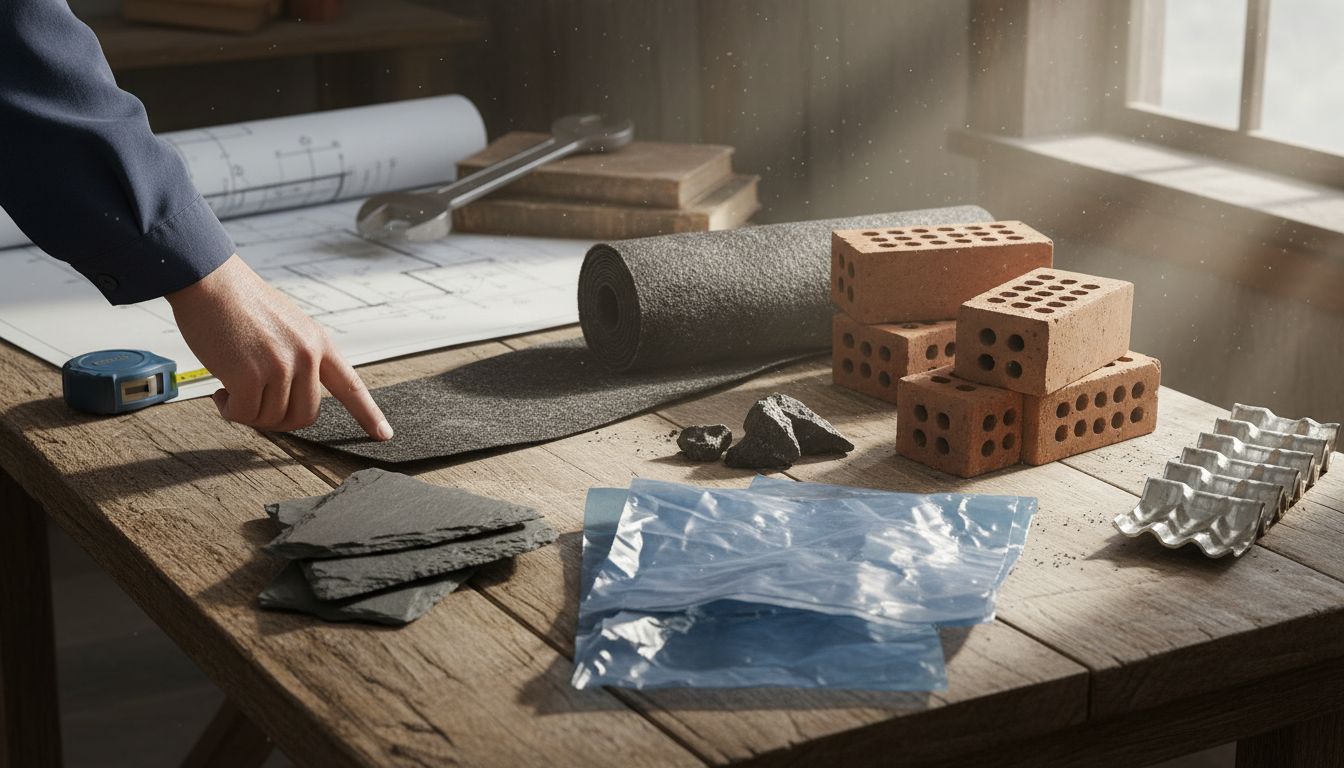 Understanding the definition of damp proofing becomes crucial in making informed decisions about protecting your property from potential water damage.
Benefits of Damp Proofing for Properties
Damp proofing offers a comprehensive shield for properties against moisture-related challenges. According to paintcorsa.co.za, this critical process maintains a building’s structural integrity while ensuring a healthier indoor environment for its occupants.
Key Benefits of damp proofing include:
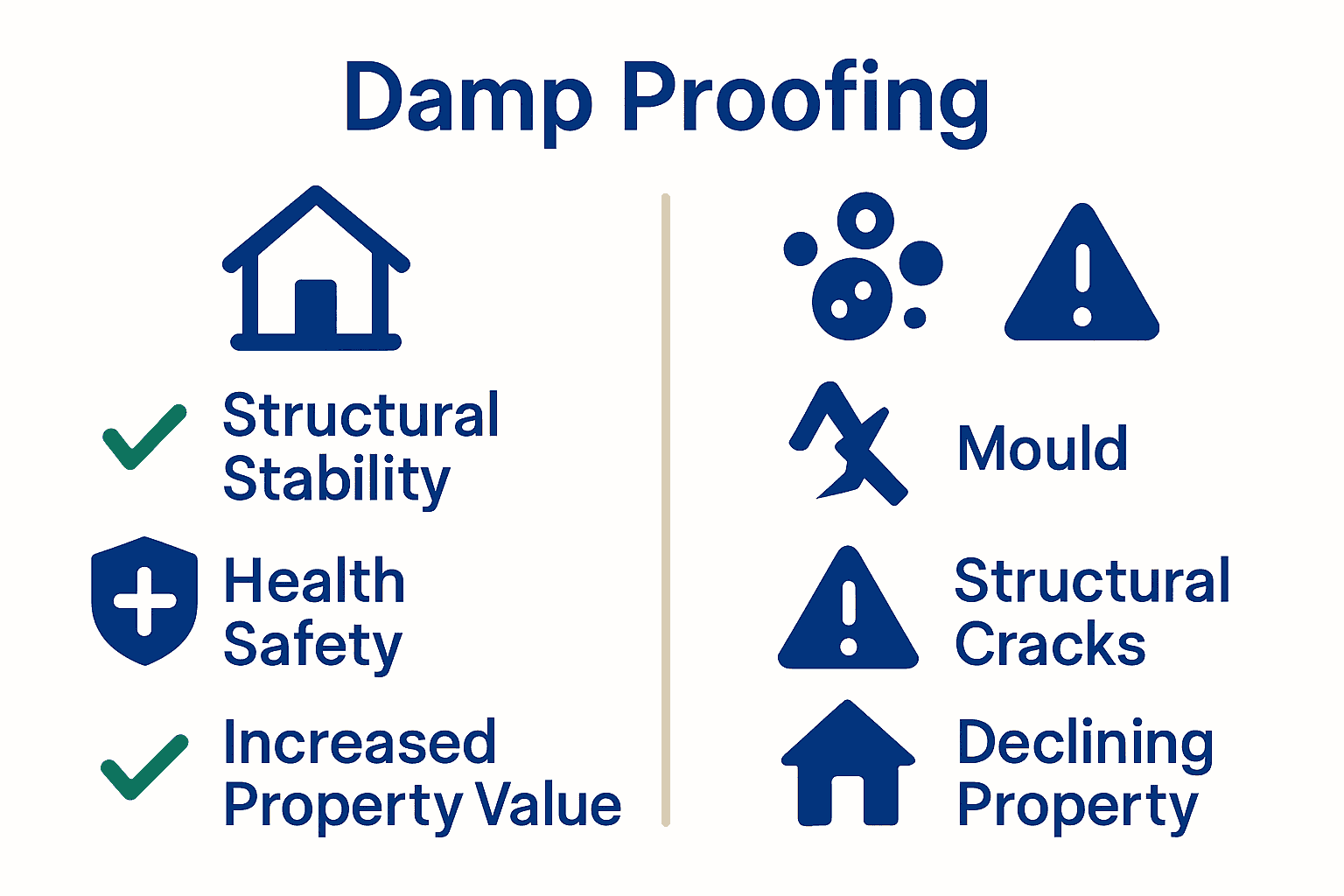
- Structural Protection: Prevents progressive damage to building foundations and walls
- Health Safety: Reduces risks associated with mould and mildew growth
- Material Preservation: Protects building materials from moisture-induced deterioration
- Energy Efficiency: Maintains insulation performance and reduces thermal loss
- Property Value: Prevents long-term damage that could decrease property market value
Professionals from PXD Plastics highlight additional advantages like preventing rising damp, stopping staining and discoloration, and enhancing overall building longevity. Understanding damp proofing insights can help property owners make informed decisions about protecting their most valuable asset from moisture-related risks.
Risks of Inadequate Damp Proofing
Inadequate damp proofing poses significant threats to both property structures and human health. According to CW Painters, the consequences of neglecting proper moisture control can be devastating, leading to extensive structural damage and potential health complications.
Critical Risks of inadequate damp proofing include:
- Structural Deterioration: Weakening of walls and foundations
- Mould Proliferation: Rapid growth of harmful fungal colonies
- Health Hazards: Respiratory issues and allergic reactions
- Material Degradation: Accelerated decay of building materials
- Aesthetic Damage: Unsightly stains, peeling paint, and surface discoloration
Paintcorsa emphasizes that beyond physical damage, inadequate damp proofing can create unpleasant odors and compromise indoor air quality. Property owners can gain deeper insights by exploring the risks of damp to understand the full spectrum of potential consequences and take proactive protective measures.
Selecting Reliable Damp Proofing Contractors
Choosing the right damp proofing contractor is crucial for ensuring effective moisture protection and long-term property preservation. The selection process requires careful consideration and thorough evaluation of potential professionals who can deliver quality workmanship.
Key Selection Criteria for reliable damp proofing contractors include:
- Professional Credentials: Valid licensing, insurance, and industry certifications
- Experience: Demonstrated track record in damp proofing projects
- Technical Knowledge: Understanding of various moisture control techniques
- Reputation: Positive customer reviews and professional references
- Comprehensive Assessment: Ability to provide detailed property moisture evaluation
Property owners should approach contractor selection strategically. Learn how to choose the right waterproofing contractor by thoroughly investigating potential service providers. For a comprehensive approach, reviewing essential questions to ask contractors can help ensure you select a professional capable of delivering high-quality damp proofing solutions tailored to your specific property needs.
Protect Your Property with Expert Damp Proofing Solutions
Moisture damage can silently weaken your home or business, causing costly repairs and health risks through mould and structural decay. This comprehensive guide to the role of damp proofing highlights the urgent need to safeguard your property with proven moisture barriers such as Damp-Proof Courses and membranes. If you want to avoid these insidious problems and maintain a safe, durable environment, expert intervention is essential.
Take control of your building’s future today by visiting Uncategorized – Pro Waterproofing where you will find practical insights and access to trusted contractors. Don’t wait for damage to appear. Act now at Pro Waterproofing to request a professional assessment and ensure your property receives the tailored damp proofing it deserves. Protect your investment, improve indoor health, and secure lasting peace of mind.
Frequently Asked Questions
What is damp proofing and why is it important?
Damp proofing is a moisture control strategy in construction that prevents water from entering walls, floors, and foundations, protecting a building’s structural integrity and preventing issues like mold growth and deterioration.
What are the different types of damp proofing systems?
Damp proofing systems include Damp-Proof Courses (DPCs), Damp-Proof Membranes (DPMs), Integral Damp Proofing, and Surface Coatings, each targeting specific vulnerabilities in construction to prevent moisture intrusion.
What materials are commonly used for damp proofing?
Common materials used in damp proofing include slate, felt paper, polyethylene sheeting, rubberized asphalt, engineered bricks, and metal barriers, each chosen based on architectural requirements for effective moisture resistance.
What risks are associated with inadequate damp proofing?
Inadequate damp proofing can lead to structural deterioration, mold proliferation, health hazards, material degradation, and aesthetic damage, resulting in significant long-term consequences for properties.