
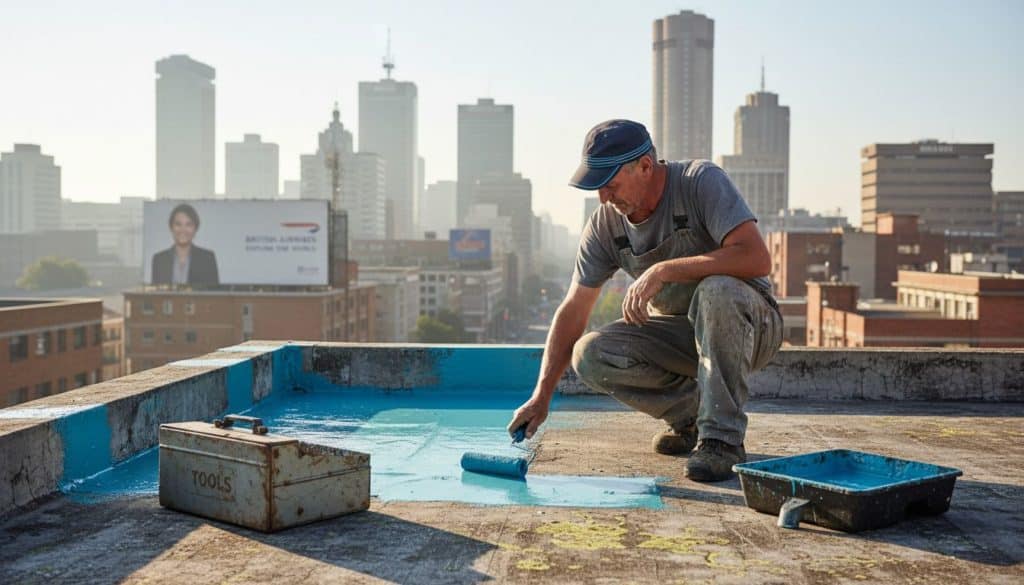
Most british property owners are surprised to learn that moisture-related damage is responsible for over half of all building maintenance costs each year. Effective waterproofing is not just a concern for new construction but a critical defence for existing structures facing South African climate challenges. Understanding waterproofing coatings gives you the knowledge to protect your property, preserve its value, and avoid expensive repairs before damage becomes impossible to ignore.
Table of Contents
- Understanding Waterproofing Coatings And Their Purpose
- Common Types Of Waterproofing Coatings Used Locally
- Key Application Methods And Technical Features
- Assessing Performance And Longevity In Real Conditions
- Risks Of Improper Application And How To Avoid Them
Key Takeaways
| Point | Details |
|---|---|
| Importance of Waterproofing Coatings | Waterproofing coatings are essential for protecting buildings from moisture damage, preserving structural integrity, and reducing long-term maintenance costs. |
| Types of Waterproofing Coatings | Common types include Cementitious Coatings, Liquid Waterproofing Membranes, Bituminous Coatings, and Polyurethane Liquid Membranes, each serving specific environmental needs. |
| Application Methods | Effective waterproofing requires precise application methods such as Brush, Roller, Spray, and Torch-On, tailored to the coating type and surface conditions. |
| Risks of Improper Application | Poor waterproofing can lead to structural damage, moisture infiltration, and increased maintenance costs; proper professional application is critical for long-term performance. |
Understanding Waterproofing Coatings and Their Purpose
Waterproofing coatings represent a critical defence mechanism for protecting buildings and infrastructure against moisture damage. These specialised protective layers create a barrier that prevents water penetration, safeguarding structural integrity and preventing potentially costly deterioration. Effective waterproofing is crucial in construction to ensure long-term durability and performance of concrete structures.
At their core, waterproofing coatings work by sealing surface pores and creating a hydrophobic layer that repels water molecules. These advanced materials can be applied to various surfaces including concrete, masonry, wood, and metal, providing comprehensive protection against moisture infiltration. Modern waterproofing solutions range from liquid-applied membranes to penetrative chemical treatments, each designed to address specific environmental challenges and structural requirements.
The primary purposes of waterproofing coatings extend beyond simple water resistance. They protect against multiple forms of potential damage, including:
- Structural Corrosion: Preventing metal reinforcement degradation
- Concrete Spalling: Stopping moisture-induced concrete surface breakdown
- Mould Prevention: Blocking conditions that support microbial growth
- Thermal Insulation: Reducing heat transfer and improving energy efficiency
Professional application of these coatings requires precise surface preparation, selecting appropriate materials, and understanding specific environmental conditions. By investing in high-quality waterproofing, property owners can significantly extend the lifespan of their buildings and minimise long-term maintenance expenses.
Common Types of Waterproofing Coatings Used Locally
Common waterproofing coatings used across South African properties represent a diverse range of solutions tailored to specific environmental challenges. These protective systems are designed to address the unique moisture-related risks faced by buildings in different regional contexts, ensuring comprehensive structural defence against water infiltration.
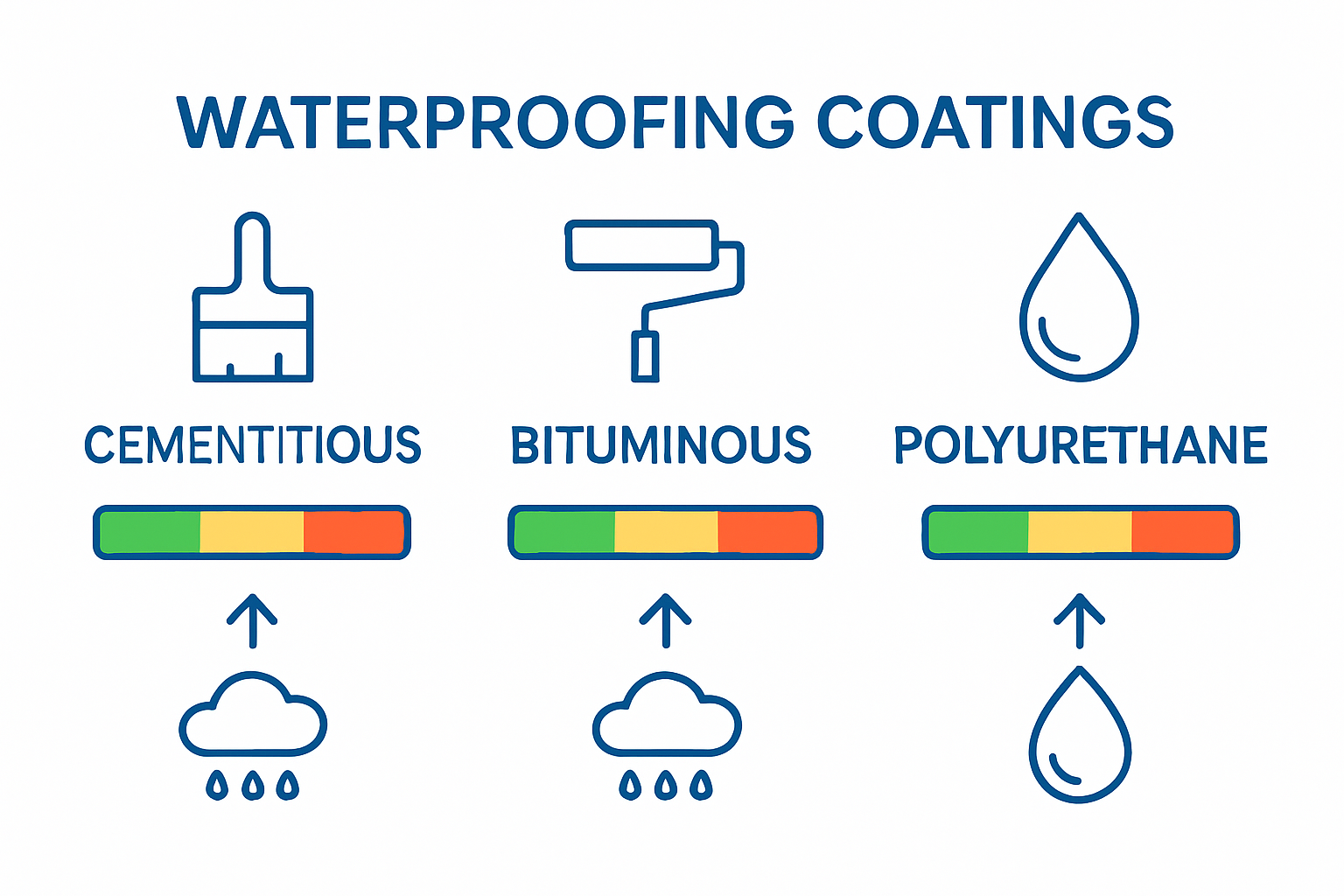
The primary categories of waterproofing coatings commonly employed in local construction include cementitious coatings, liquid waterproofing membranes, bituminous coatings, and polyurethane liquid membranes. Each type offers distinct characteristics and performance advantages:
-
Cementitious Coatings
- Ideal for concrete and masonry surfaces
- Rigid and highly durable
- Excellent for internal wet areas like bathrooms and basements
-
Liquid Waterproofing Membranes
- Flexible application
- Seamless protection
- Rapid installation process
-
Bituminous Coatings
- Superior water resistance
- Particularly effective for underground structures
- Good adhesion to various surface types
-
Polyurethane Liquid Membranes
- Highly elastic
- Excellent for surfaces with potential movement
- UV-resistant properties
Professional selection of waterproofing coatings requires careful consideration of specific environmental conditions, substrate characteristics, and anticipated structural stresses. By understanding these nuanced differences, property owners can make informed decisions that provide long-lasting protection against moisture-related damage.
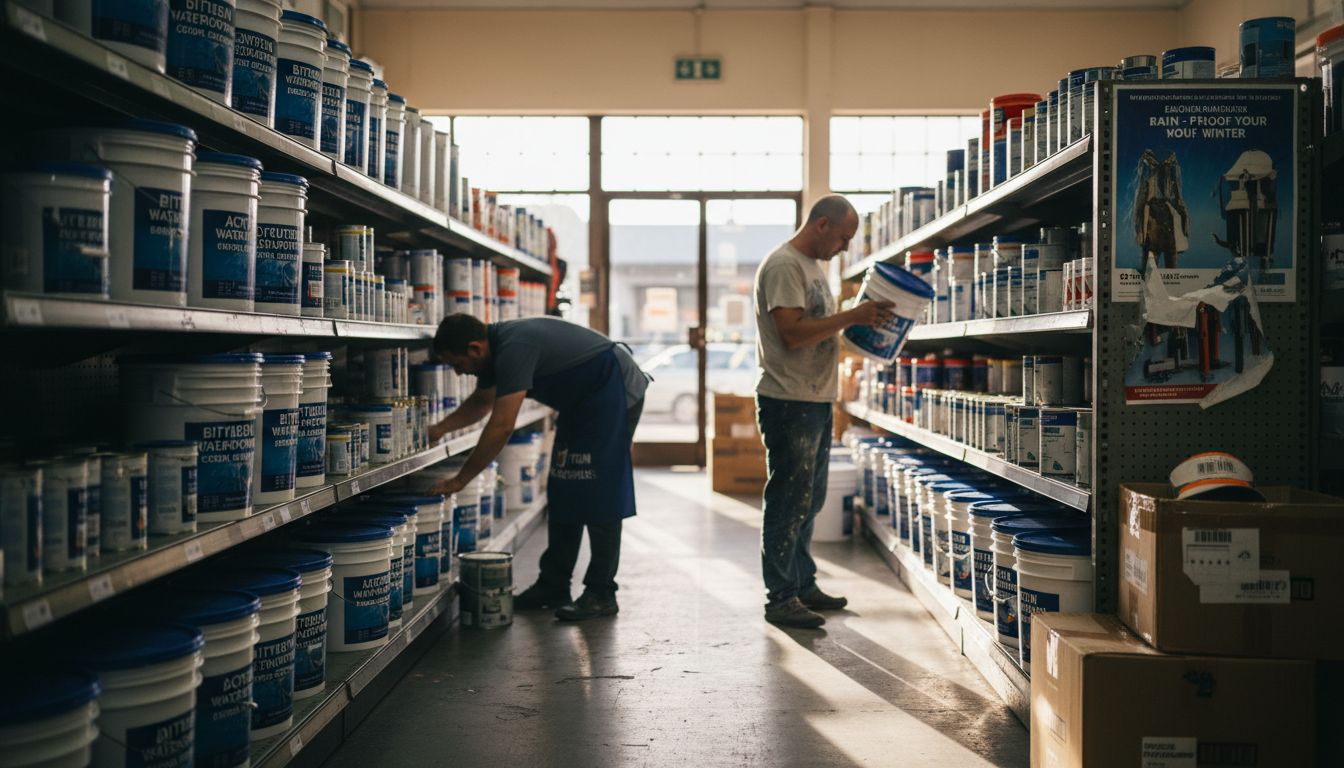
Key Application Methods and Technical Features
Proper application of waterproofing systems demands meticulous attention to detail, encompassing critical stages from surface preparation to final installation. Professional waterproofing technicians follow a structured approach that ensures maximum protection and longevity of protective coatings, tailoring techniques to specific substrate requirements and environmental conditions.
The technical application methods vary significantly depending on the chosen waterproofing coating type. Key approaches include:
-
Brush Application
- Ideal for liquid-based membranes
- Provides precise coverage
- Suitable for smaller surface areas
- Allows detailed edge and corner treatment
-
Roller Application
- Efficient for large, flat surfaces
- Ensures uniform coating thickness
- Rapid application technique
- Minimises potential for inconsistent coverage
-
Spray Application
- Enables rapid coating of complex geometries
- Penetrates hard-to-reach areas
- Provides seamless coverage
- Useful for intricate architectural features
-
Torch-On Method
- Specifically used for bituminous membranes
- Generates heat-activated adhesion
- Creates robust, seamless waterproofing layers
- Particularly effective for roofing applications
Technical considerations extend beyond application methods. Professionals must evaluate substrate condition, moisture content, temperature, and environmental factors to select appropriate preparation techniques and coating systems. This comprehensive approach ensures optimal adhesion, durability, and long-term performance of waterproofing solutions across diverse South African construction environments.
Assessing Performance and Longevity in Real Conditions
Assessing waterproofing performance requires a comprehensive evaluation of multiple critical factors that determine long-term effectiveness and durability. Property owners and construction professionals must consider environmental exposure, substrate characteristics, application quality, and ongoing maintenance to accurately predict the potential lifespan of waterproofing systems.
Key performance indicators for waterproofing coatings include:
-
Moisture Resistance
- Ability to prevent water penetration
- Measured through water absorption tests
- Evaluated under simulated high-pressure conditions
-
Adhesion Strength
- Bonding capacity with substrate surfaces
- Resistance to detachment and peeling
- Assessed through standardised pull-off testing
-
Chemical Stability
- Resistance to environmental degradation
- Tolerance for UV radiation exposure
- Performance under temperature fluctuations
-
Flexibility and Elasticity
- Capacity to accommodate structural movement
- Crack-bridging capabilities
- Resilience under thermal expansion and contraction
Professional assessment typically involves advanced diagnostic techniques, including non-destructive testing methods, infrared thermography, and moisture metre evaluations. These comprehensive approaches enable precise monitoring of waterproofing system integrity, helping property owners identify potential vulnerabilities before significant damage occurs. By understanding these critical performance metrics, stakeholders can make informed decisions about waterproofing investments and maintenance strategies.
Risks of Improper Application and How to Avoid Them
Improper waterproofing application can create catastrophic consequences for property structural integrity, potentially leading to extensive and expensive damage. Understanding these risks is crucial for property owners seeking to protect their investments against moisture-related deterioration.
The most significant risks associated with inadequate waterproofing include:
-
Structural Compromise
- Progressive concrete degradation
- Reinforcement metal corrosion
- Potential foundation weakening
- Long-term structural instability
-
Moisture Penetration
- Internal wall and ceiling damage
- Potential mould and fungal growth
- Compromised indoor air quality
- Accelerated material deterioration
-
Thermal Performance Reduction
- Decreased insulation effectiveness
- Higher energy consumption
- Increased internal humidity levels
- Potential condensation issues
-
Economic Implications
- Expensive remedial treatments
- Reduced property market value
- Potential insurance claim complications
- Significant maintenance expenditure
Mitigating these risks requires a strategic approach, including comprehensive surface preparation, strict adherence to manufacturer guidelines, and engagement of professionally qualified waterproofing specialists. Proactive assessment and correct installation techniques remain the most effective strategies for preventing potential structural and financial complications associated with inadequate waterproofing systems.
Protect Your South African Property with Expert Waterproofing Solutions
Understanding the crucial role of waterproofing coatings in protecting your property from moisture damage is the first step towards securing long-term structural durability. If you are concerned about risks such as concrete spalling, mould growth, or corrosion highlighted in the article, professional waterproofing can provide peace of mind and safeguard your investment. The key lies in selecting quality materials and expert application techniques tailored to South African environmental conditions.
Uncategorized – Pro Waterproofing offers insights and access to trusted specialists who understand the technical requirements discussed, from liquid membranes to cementitious coatings.
Don’t wait for damage to occur before taking action. Visit Pro Waterproofing now to explore reliable waterproofing services, request a detailed quote through the contact form, and connect with experienced local contractors who prioritise quality, licences and warranties. Protect your property today and ensure lasting resilience against moisture threats.
Frequently Asked Questions
What are waterproofing coatings and how do they work?
Waterproofing coatings are protective layers designed to prevent moisture penetration in buildings. They work by sealing surface pores and creating a hydrophobic barrier that repels water, thus safeguarding the structural integrity of materials like concrete, masonry, wood, and metal.
What types of waterproofing coatings are commonly used?
Common types of waterproofing coatings include cementitious coatings, liquid waterproofing membranes, bituminous coatings, and polyurethane liquid membranes. Each type offers unique benefits suitable for different surfaces and environmental conditions.
What are the key benefits of applying waterproofing coatings?
Waterproofing coatings provide several benefits, including preventing structural corrosion, stopping moisture-induced concrete spalling, inhibiting mould growth, and enhancing thermal insulation to improve energy efficiency.
What risks are associated with improper waterproofing application?
Improper waterproofing application can lead to significant issues such as structural compromise due to concrete degradation, moisture penetration damaging internal walls, reduced thermal performance, and increased long-term maintenance costs.
Recommended
- What Is Liquid Waterproofing and How It Protects Properties
- Understanding the Importance of Waterproofing in South Africa – Pro Waterproofing
- Roof Waterproofing Explained: Protecting South African Properties
- Benefits of Waterproofing Solutions: Everything You Need to Know
- Durable Outdoor Signs For All Weather Conditions