
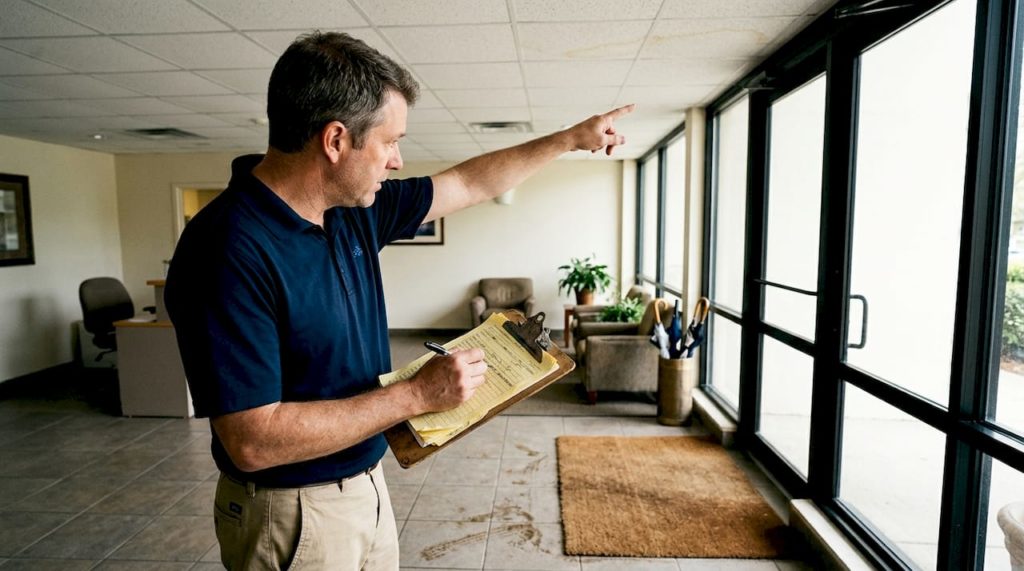
Many property owners believe waterproofing is a one-time job completed during construction, but this misconception leads to severe moisture damage and costly repairs down the line. In reality, building waterproofing requires ongoing attention and maintenance to preserve structural integrity and indoor environmental quality. Without proper understanding of waterproofing’s critical role in building maintenance, properties deteriorate faster, occupant health suffers, and repair bills escalate dramatically. This article explains how effective waterproofing protects your investment, what maintenance strategies prevent moisture damage, and why professional expertise matters for lasting building protection.
Table of Contents
- Key takeaways
- Understanding waterproofing and its importance in building maintenance
- How inadequate waterproofing maintenance leads to moisture damage
- Avoiding misdiagnosis: professional diagnosis for rising damp and other issues
- Selecting certified waterproofing contractors and proactive maintenance strategies
- Keep your property protected with professional waterproofing services
- Frequently asked questions
Key Takeaways
| Point | Details |
|---|---|
| Ongoing waterproofing maintenance | Ongoing waterproofing maintenance is essential to protect structural integrity and indoor environment, not a one off task. |
| Owner responsibility emphasised | Property owners bear primary responsibility for maintaining waterproofing systems. |
| Professional assessments essential | Professional assessments are essential to prevent misdiagnosis and to identify damp issues early. |
| Regular upkeep saves costs | Regular upkeep reduces costly repairs and extends the life of the building. |
| Regulatory standards matter | Regulatory standards such as SANS 10400 Part L require competent installation and minimum watertight performance to protect property and warranties. |
Understanding waterproofing and its importance in building maintenance
Waterproofing encompasses specialised methods and materials that create barriers preventing water ingress into building structures. These protective systems shield vulnerable areas from moisture penetration, preserving both structural elements and interior spaces. Without adequate waterproofing, buildings face accelerated deterioration, reduced property values, and potential health hazards from mould growth.
Several building areas require particular attention for waterproofing effectiveness:
- Roofs and flat terraces where water pools and seeks entry points
- External walls exposed to driving rain and weathering
- Basements and below-grade structures subject to groundwater pressure
- Balconies and podium decks with constant moisture exposure
- Wet areas including bathrooms and kitchens with internal water sources
Many people mistakenly view waterproofing as merely fixing visible leaks when they appear. This reactive approach misses the fundamental purpose of waterproofing: creating comprehensive barriers that protect structural elements before damage occurs. Proper waterproofing integrates with building design from the outset, then requires scheduled maintenance to sustain effectiveness over decades.
South African building regulations recognise waterproofing’s critical importance. SANS 10400-Part L mandates competent installation of roof waterproofing with minimum 5-year watertight performance, ensuring professional standards and warranty protection for property owners. These requirements establish baseline expectations for waterproofing quality and longevity.
“Effective waterproofing serves as your building’s immune system, defending against moisture threats that silently compromise structural health and occupant wellbeing.”
Waterproofing interplays directly with overall building maintenance strategies. Regular inspections identify early signs of waterproofing degradation before moisture penetrates structural elements. Scheduled maintenance addresses minor issues promptly, preventing escalation into major failures requiring extensive repairs. This proactive approach extends waterproofing system lifespan whilst protecting the substantial investment your property represents.
How inadequate waterproofing maintenance leads to moisture damage
Research reveals that inadequate maintenance causes 38% of moisture damages, with 87% attributed to owner responsibility rather than contractor defects. These statistics highlight how neglecting waterproofing maintenance creates the majority of moisture problems plaguing South African properties. Roofing and terraces emerge as the most common failure points where inadequate upkeep allows water ingress.
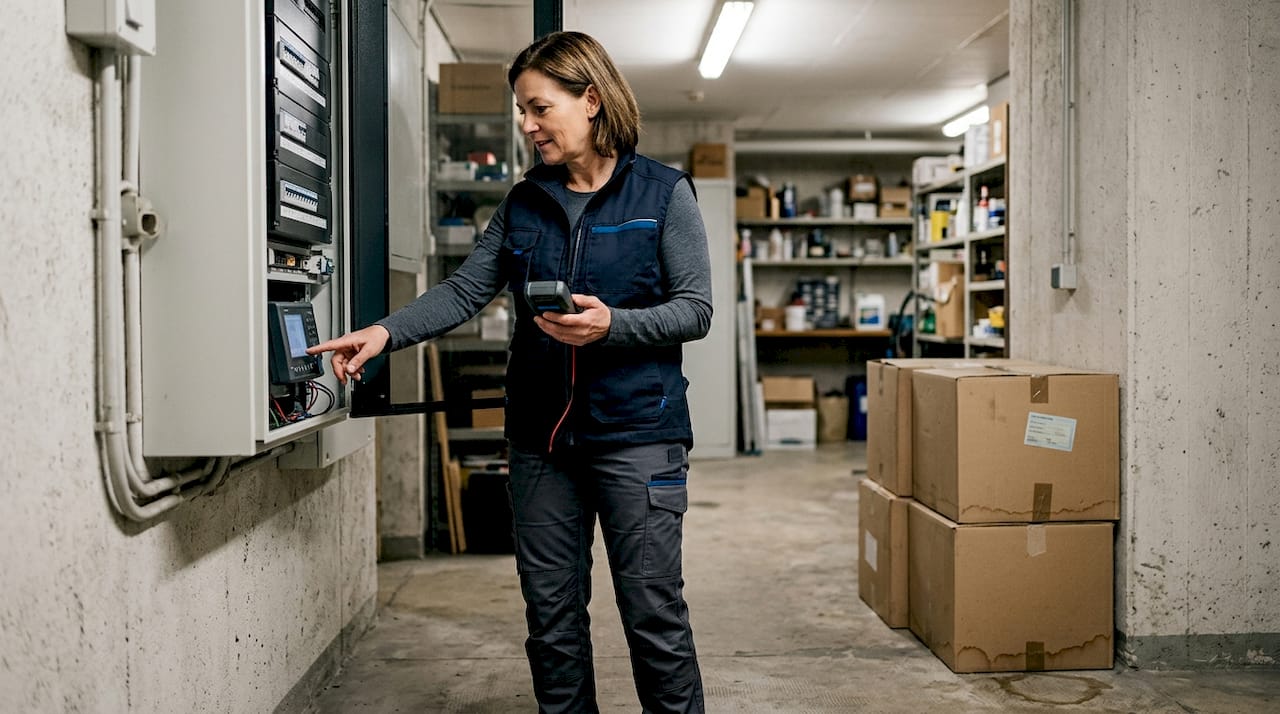
Typical failure scenarios develop through predictable patterns. Roof waterproofing membranes degrade from UV exposure and thermal cycling, developing cracks that permit water entry. Terrace drainage systems become blocked with debris, causing water to pond and eventually breach waterproofing layers. Wall waterproofing deteriorates from weathering and structural movement, creating pathways for moisture penetration. Each failure point represents a missed maintenance opportunity that could have prevented damage.
Moisture ingress triggers cascading damage throughout building structures:
- Mould growth releases spores that compromise indoor air quality and occupant health
- Structural elements weaken as moisture corrodes reinforcing steel and degrades concrete
- Internal dampness damages finishes, furnishings, and stored items whilst creating musty odours
- Electrical systems face increased failure risk from moisture exposure
- Thermal performance declines as wet insulation loses effectiveness
Pro Tip: Schedule waterproofing inspections annually for critical areas like roofs and terraces, and every three years for other building elements. Early detection of minor deterioration costs a fraction of emergency repairs after major water damage occurs.
The following table summarises how different moisture damage causes relate to owner maintenance responsibilities:
| Damage cause | Owner responsibility | Prevention strategy |
|---|---|---|
| Roof membrane degradation | 92% | Annual inspections, 5-year recoating |
| Blocked drainage systems | 95% | Quarterly cleaning, debris removal |
| Wall waterproofing failure | 85% | Biennial assessments, prompt crack repair |
| Basement seepage | 78% | Professional diagnosis, drainage maintenance |
| Balcony deterioration | 90% | Annual checks, immediate leak response |
Understanding these statistics transforms how you approach building maintenance. Rather than waiting for visible water damage, implement scheduled waterproofing assessments that catch problems whilst they remain minor and inexpensive to address. This shift from reactive to proactive maintenance protects your property investment whilst avoiding the disruption and expense of major moisture damage repairs.
Avoiding misdiagnosis: professional diagnosis for rising damp and other issues
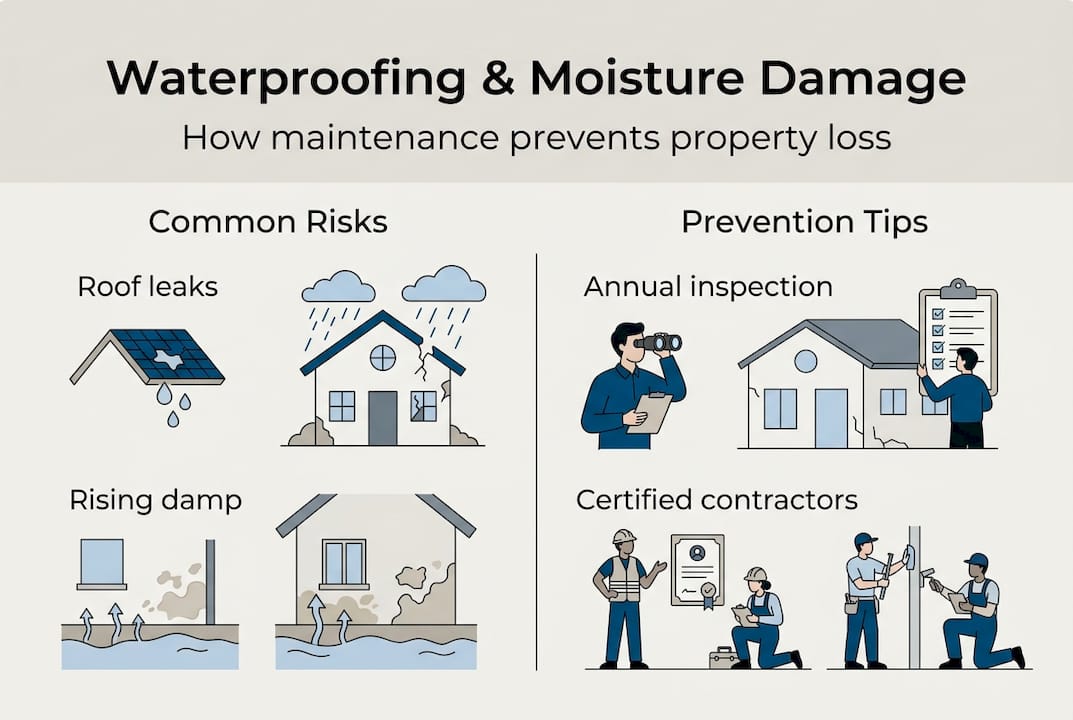
Rising damp represents one of the most frequently misdiagnosed waterproofing issues affecting South African properties. This phenomenon occurs when groundwater moves upward through porous masonry via capillary action, causing characteristic damp patches and salt deposits on lower walls. However, rising damp misdiagnosis leads to ineffective treatments that waste resources whilst allowing actual problems to worsen.
Many property owners attempt self-diagnosis based on visible symptoms, then apply inappropriate solutions. Chemical damp-proof course injection gets marketed as a universal remedy, yet proves ineffective when the actual problem stems from different moisture sources like condensation, plumbing leaks, or external water ingress. Without accurate diagnosis, these treatments address symptoms rather than root causes, leaving buildings vulnerable to continued moisture damage.
Professional waterproofing specialists employ systematic diagnostic approaches that identify true moisture sources:
- Moisture meter readings at multiple wall heights establish moisture distribution patterns
- Salt analysis determines whether dampness originates from groundwater or other sources
- Thermal imaging reveals hidden moisture pathways and thermal bridges
- Visual inspection identifies external water entry points and drainage deficiencies
- Historical building assessment considers construction methods and previous modifications
This comprehensive evaluation distinguishes between rising damp, penetrating damp, condensation, and plumbing failures. Each moisture source requires specific treatment approaches. Rising damp may need external drainage improvements or damp-proof course installation. Penetrating damp requires external waterproofing repairs. Condensation demands ventilation enhancement and thermal bridging solutions. Mismatching treatment to diagnosis guarantees failure and wasted expenditure.
Pro Tip: Before authorising any damp treatment, insist on a detailed diagnostic report from a certified waterproofing specialist. This modest investment in proper waterproofing inspection prevents expensive mistakes and ensures your treatment budget addresses actual problems rather than assumed causes.
Professional diagnosis also considers how multiple moisture sources often combine to create visible dampness. A wall might suffer from both inadequate external waterproofing and internal condensation, requiring integrated solutions rather than single-issue treatments. Attempting DIY diagnosis typically misses these complexities, leading to partial solutions that fail to resolve moisture problems completely.
Selecting certified waterproofing contractors and proactive maintenance strategies
Choosing qualified waterproofing professionals determines whether your building receives lasting protection or experiences repeated moisture failures. South African property owners should evaluate contractors against specific criteria that indicate competence, reliability, and regulatory compliance. This selection process protects your investment whilst ensuring waterproofing work meets professional standards.
Essential criteria for selecting waterproofing contractors include:
- Valid certification from recognised waterproofing associations demonstrating technical competence
- Minimum five years’ experience with documented projects similar to yours
- Comprehensive insurance covering public liability and professional indemnity
- Written guarantees specifying coverage duration and warranty conditions
- SANS 10400-L compliance commitment with documented quality control procedures
- Verifiable references from recent clients willing to discuss contractor performance
The following comparison illustrates key differences between certified contractors and unverified options:
| Factor | Certified contractors | Unverified contractors |
|---|---|---|
| Quality assurance | Documented processes, third-party audits | Variable, no oversight |
| Guarantees | Written 5-10 year warranties | Limited or verbal only |
| Regulatory compliance | SANS 10400-L adherence verified | Compliance uncertain |
| Material standards | Manufacturer-approved products | Potentially substandard materials |
| Professional liability | Comprehensive insurance coverage | Often inadequate protection |
| Technical expertise | Ongoing training, industry updates | Experience-dependent only |
Research indicates that proactive maintenance per SANS 10400-L by certified professionals prevents 70% of moisture costs, whilst owners remain liable for most failures stemming from maintenance neglect. This statistic underscores how contractor selection and ongoing maintenance combine to determine waterproofing success.
Implement these practical steps annually to maintain waterproofing effectiveness:
- Schedule professional waterproofing inspections before winter rains commence, identifying vulnerabilities requiring attention
- Clear all drainage channels, gutters, and downpipes of debris that could cause water backup and overflow
- Examine roof waterproofing membranes for cracks, blistering, or delamination indicating deterioration
- Check sealant joints around penetrations, ensuring they remain flexible and watertight
- Document inspection findings with dated photographs creating maintenance records for future reference
- Address identified issues promptly before minor deterioration escalates into major failures
- Update maintenance schedules based on inspection findings and seasonal weather patterns
Pro Tip: Establish a relationship with certified waterproofing professionals who understand your building’s specific vulnerabilities. Regular engagement with the same contractor builds knowledge continuity whilst ensuring rapid response when urgent waterproofing issues arise.
Proactive maintenance strategies extend beyond reactive repairs. Consider commercial building maintenance tips that integrate waterproofing with broader facility management. This holistic approach recognises how building systems interact, ensuring waterproofing maintenance coordinates with roofing, HVAC, and structural upkeep for comprehensive property protection.
When choosing waterproofing contractors in South Africa, prioritise those offering maintenance programmes alongside installation services. These ongoing relationships ensure your waterproofing receives consistent professional attention throughout its service life, maximising protection whilst minimising long-term costs through early intervention and preventive care.
Keep your property protected with professional waterproofing services
Protecting your building investment requires expertise that only certified waterproofing specialists provide. Pro Waterproofing delivers comprehensive solutions for residential, commercial, and industrial properties throughout South Africa, combining technical excellence with deep understanding of local climate challenges and building regulations.
Our certified team implements professional waterproofing services that comply with SANS 10400-L requirements whilst exceeding industry standards for quality and durability. We recognise that effective waterproofing extends beyond initial installation, encompassing ongoing maintenance that preserves system integrity throughout your building’s lifecycle. Proactive assessment identifies potential vulnerabilities before they develop into costly moisture damage, protecting both structural elements and occupant wellbeing.
Pro Tip: Investing in expert waterproofing services now safeguards your property’s value whilst avoiding the substantial expense and disruption of emergency moisture damage repairs later. Professional solutions deliver lasting protection that DIY approaches simply cannot match.
Frequently asked questions
What are the most common waterproofing issues property owners face?
Roof leaks, terrace water pooling, rising damp, and wall moisture ingress represent the most frequent waterproofing problems affecting South African properties. These issues typically stem from inadequate maintenance rather than initial installation defects. Proper diagnosis by certified professionals identifies root causes, whilst scheduled maintenance prevents most problems from developing. Early intervention addresses minor deterioration before it escalates into major structural damage requiring extensive repairs.
How often should waterproofing be inspected and maintained?
Buildings require waterproofing inspection at least every five years to maintain SANS 10400-Part L compliance, which mandates minimum 5-year watertight performance. However, critical areas like roofs and terraces benefit from annual professional assessments that catch deterioration early. Regular waterproofing maintenance extends system lifespan significantly whilst ensuring continuous protection against moisture damage. Properties in harsh coastal environments or areas with heavy rainfall should consider more frequent inspections.
Why is professional diagnosis important for damp problems?
Incorrect diagnosis wastes resources on ineffective treatments whilst allowing actual moisture sources to cause ongoing damage. Rising damp misdiagnosis particularly leads to inappropriate chemical injection treatments when problems actually stem from other sources. Certified professionals employ systematic diagnostic methods including moisture mapping, salt analysis, and thermal imaging to identify true causes. This professional damp diagnosis ensures treatments address root problems rather than merely masking symptoms, delivering lasting solutions that protect your investment.
What should I look for when hiring a waterproofing contractor?
Check certification from recognised waterproofing associations, minimum five years’ relevant experience, and comprehensive insurance coverage protecting your interests. Request written guarantees specifying warranty duration and conditions, plus verification of SANS 10400-L compliance commitment. Certified professionals prevent 70% of moisture costs through proper installation and maintenance guidance. Contact previous clients to discuss contractor performance, reliability, and post-installation support. These due diligence steps when choosing waterproofing contractors ensure your building receives quality protection backed by professional accountability and regulatory compliance.
Recommended
- Waterproofing Maintenance: Protecting Your Investment
- Role of Waterproofing in Property Maintenance South Africa
- How to Maintain Waterproofing for Lasting Protection
- How to Maintain Waterproofed Areas for Lasting Protection
- 7 Essential Commercial Building Maintenance Tips for Success – HVAC Service and Repair | Louisville, KY | Project Heating & Cooling