

Water damage ruins more South African properties each year than many realise, with repairs often costing far more than british waterproofing experts originally predicted. For homeowners and building managers in Gauteng and the Western Cape, unchecked moisture means escalating expenses, health risks, and lost property value. Effective waterproofing is not just about fighting dampness—it protects the integrity and longevity of every building, ensuring investments remain safe for years to come.
Table of Contents
- Defining Waterproofing In Property Maintenance
- Common Types Of Waterproofing Solutions Used
- How Waterproofing Prevents Structural Damage
- Identifying And Addressing Water Intrusion
- Financial And Long-Term Benefits For Property Owners
Key Takeaways
| Point | Details |
|---|---|
| Importance of Waterproofing | Waterproofing is crucial in prolonging building lifespan and avoiding costly repairs due to moisture infiltration. |
| Types of Waterproofing Solutions | Various waterproofing methods cater to distinct environmental challenges, including liquid membranes and crystalline treatments. |
| Preventing Structural Damage | Implementing effective waterproofing can prevent serious damage caused by moisture, protecting the structural integrity of buildings. |
| Financial Benefits | Proactive waterproofing can reduce repair costs by up to 75% and enhance property market value by up to 15%. |
Defining Waterproofing in Property Maintenance
Waterproofing represents a critical protective strategy in property maintenance that safeguards buildings against moisture penetration and structural damage. In South Africa, where diverse climatic conditions ranging from coastal humidity to inland temperature variations challenge building integrity, waterproofing becomes an essential maintenance technique. Understanding building maintenance practices reveals that proactive waterproofing serves as a fundamental preventative measure to extend infrastructure lifespan and manage potential repair costs.
Waterproofing encompasses a comprehensive set of techniques designed to prevent water infiltration through building surfaces, including roofs, foundations, walls, and underground structures. These techniques involve applying specialised materials and sealants that create impermeable barriers against moisture, protecting structural elements from potential deterioration. Different waterproofing methods are tailored to specific architectural requirements, considering factors like building age, construction materials, geographical location, and environmental exposure.
The Construction Industry Development Board guidelines highlight waterproofing as a critical component of infrastructure maintenance, emphasising its role in preserving structural integrity and preventing long-term damage. Effective waterproofing strategies not only protect physical structures but also contribute to maintaining property value, preventing health risks associated with dampness, and reducing ongoing maintenance expenses. By implementing comprehensive waterproofing solutions, property owners can mitigate potential structural vulnerabilities and ensure the longevity of their investments.
Pro tip: Conduct regular professional moisture inspections to identify potential waterproofing vulnerabilities before they escalate into significant structural problems.
Common Types of Waterproofing Solutions Used
South African property maintenance relies on several sophisticated waterproofing solutions tailored to diverse environmental challenges. Technical waterproofing standards define multiple approaches that address specific structural protection requirements, ranging from residential buildings to complex commercial infrastructure.
The primary waterproofing solutions include liquid-applied membranes, which provide flexible, seamless protection by forming a continuous coating directly on surfaces. Bituminous coatings offer robust protection for underground structures and foundations, creating an impermeable barrier against groundwater and soil moisture. Crystalline waterproofing treatments penetrate concrete structures, forming internal crystal structures that block water pathways and enhance structural durability. Sheet membranes represent another critical solution, typically used in roofing and below-ground applications, offering precise, pre-manufactured barriers against water infiltration.
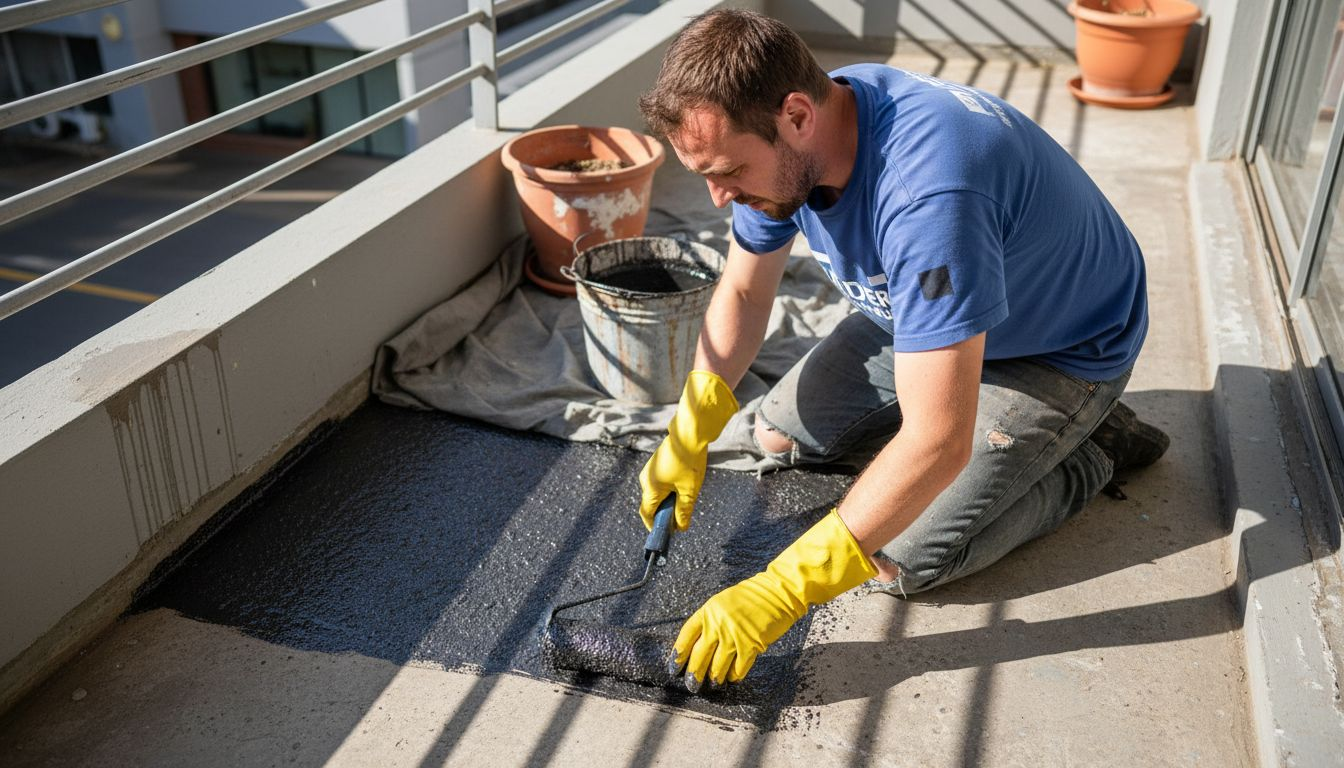
Additional specialised waterproofing techniques include integral waterproofing compounds mixed directly into concrete during construction, which modify material properties to enhance water resistance. Polyurethane injection systems provide targeted solutions for sealing existing cracks and preventing water penetration in established structures. Advanced silicone-based sealants offer flexible, long-lasting protection for expansion joints, windows, and other potential moisture entry points, ensuring comprehensive building envelope protection.
Here is a summary of common waterproofing solution types and their primary applications:
| Solution Type | Main Application Area | Key Benefit |
|---|---|---|
| Liquid-applied membranes | Roofs and balconies | Seamless, flexible water barrier |
| Bituminous coatings | Underground structures | Strong resistance to soil moisture |
| Crystalline treatments | Concrete foundations | Internal moisture pathway blocking |
| Sheet membranes | Roofs, retaining walls | Precise, pre-manufactured barrier |
| Polyurethane injection | Cracks and joints | Targeted sealing of leaks |
Pro tip: Always select waterproofing solutions specific to your region’s unique climate and building structural characteristics to maximise long-term effectiveness.
How Waterproofing Prevents Structural Damage
Water infiltration poses a significant threat to building structures, particularly in South Africa’s diverse and challenging environmental conditions. Technical investigations into reinforced concrete structures reveal that uncontrolled moisture penetration can cause catastrophic damage to building foundations, walls, and critical infrastructure components.
The primary mechanism of structural damage occurs through a process called concrete corrosion, where water introduces harmful chemicals and moisture that gradually deteriorate steel reinforcement within concrete structures. This process initiates microscopic changes that progressively compromise structural integrity. Electrochemical reactions triggered by water penetration cause steel reinforcement to expand, creating internal stress that leads to cracking, spalling, and eventual structural weakening. Coastal regions and areas with high humidity are especially vulnerable, experiencing accelerated degradation due to salt-laden moisture and persistent environmental challenges.
Waterproofing solutions work by creating multiple protective barriers that interrupt moisture transmission pathways. Crystalline waterproofing treatments permanently modify concrete’s internal structure, blocking water molecules and preventing potential damage mechanisms. Specialised membrane technologies and chemical sealants provide additional layers of protection, effectively creating an impermeable shield that prevents water from initiating corrosive processes. By implementing comprehensive waterproofing strategies, property owners can significantly extend their building’s structural lifespan, reduce maintenance costs, and protect their critical infrastructure investments from progressive environmental deterioration.
Pro tip: Schedule professional moisture assessments annually to identify and address potential waterproofing vulnerabilities before they escalate into significant structural issues.
Identifying and Addressing Water Intrusion
Water services regulations in South Africa establish comprehensive guidelines for detecting and managing water intrusion, recognising the critical importance of early identification in property maintenance. Understanding the nuanced signs of potential water penetration becomes essential for property owners seeking to protect their infrastructure from progressive damage.
The primary indicators of water intrusion include visible moisture traces, such as wall staining, paint bubbling, unexplained dampness, and musty odours. Structural warning signs manifest through hairline cracks, efflorescence (white salt-like deposits), and localised paint discolouration. Advanced diagnostic techniques involve thermal imaging cameras, moisture metres, and professional humidity sensors that can detect hidden moisture pockets within walls, foundations, and concealed structural elements. Property owners must pay particular attention to areas prone to water accumulation, including basement zones, roof interfaces, window frames, and underground utility connections.
Addressing water intrusion requires a multifaceted approach involving systematic inspection, targeted interventions, and preventative maintenance strategies. Professional waterproofing specialists conduct comprehensive assessments using advanced diagnostic equipment, identifying potential entry points and recommending tailored solutions. Remediation techniques range from targeted sealant applications and membrane repairs to more extensive interventions like structural waterproofing, drainage system modifications, and comprehensive moisture barrier installations. Proactive property maintenance involves regular inspections, immediate repair of identified vulnerabilities, and implementing robust drainage systems that redirect potential moisture accumulation away from critical structural components.
Pro tip: Conduct quarterly visual inspections and maintain a detailed moisture intrusion logbook to track potential problem areas and facilitate early intervention.
Financial and Long-Term Benefits for Property Owners
Professional waterproofing ROI analysis demonstrates compelling economic advantages for property owners who invest strategically in comprehensive moisture protection strategies. The financial implications of proactive waterproofing extend far beyond immediate repair costs, representing a critical investment in long-term property asset management and value preservation.
The primary financial benefits of professional waterproofing include substantial reduction in potential structural repair expenses, which can escalate exponentially when water damage is left unaddressed. Property owners typically save between 40% to 75% on potential future repair costs by implementing early, comprehensive waterproofing solutions. Insurance premium reductions represent another significant economic advantage, with many insurance providers offering lower rates for properties demonstrating robust moisture protection infrastructure. Additionally, well-maintained properties with professional waterproofing systems experience enhanced market valuation, potentially increasing property resale values by up to 15% compared to structures with untreated moisture vulnerabilities.
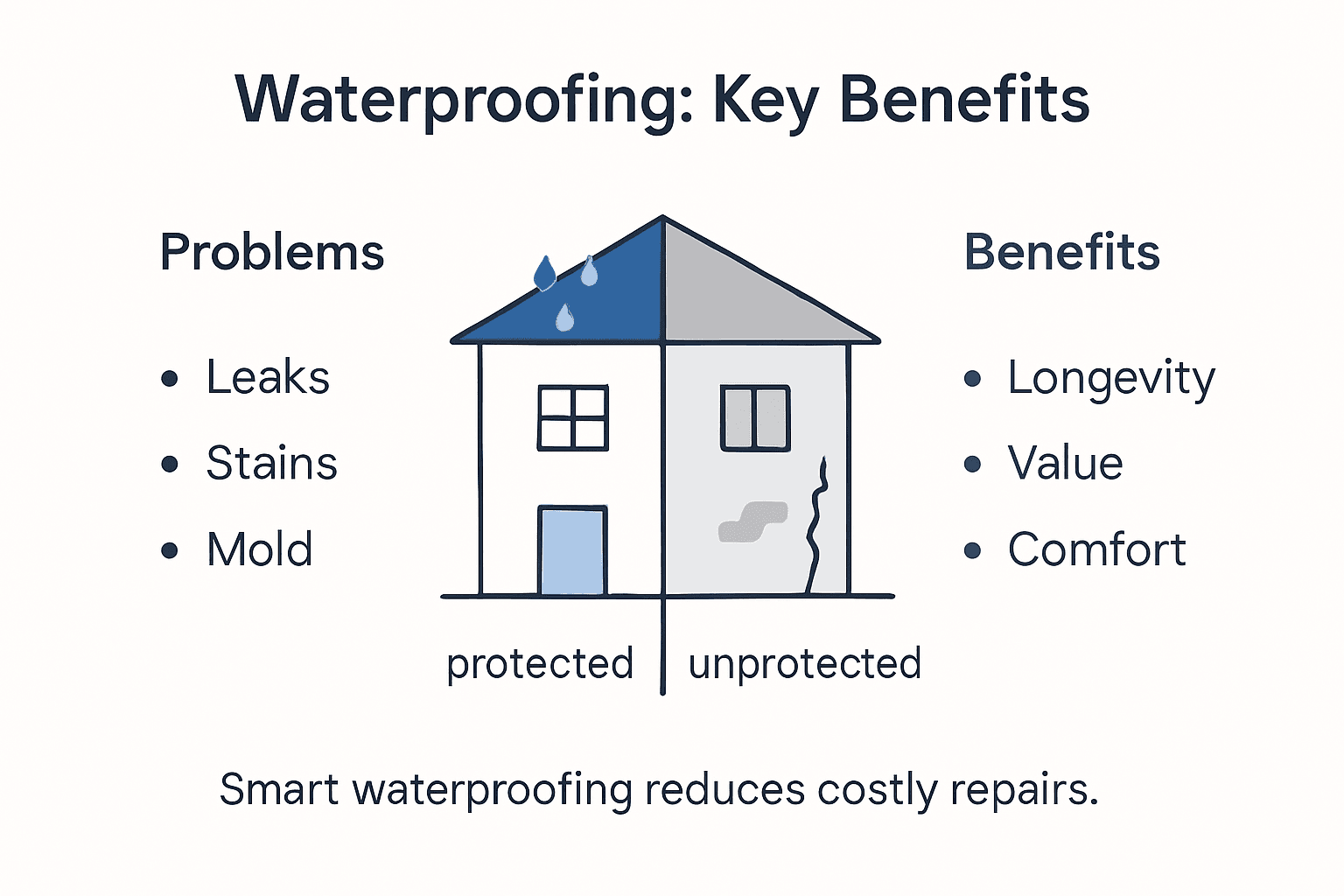
Beyond direct financial metrics, waterproofing delivers intangible economic benefits that protect property investments. Consistent moisture management prevents progressive structural degradation, reduces potential health risks associated with mould and dampness, and maintains optimal building functionality. Commercial properties benefit from minimised operational disruptions, while residential owners enjoy improved living conditions and preserved architectural integrity. The cumulative effect of strategic waterproofing transforms from a maintenance expense into a sophisticated risk management strategy that safeguards both immediate and future financial interests.
The table below highlights key financial and non-financial advantages of professional waterproofing:
| Benefit Type | Description | Typical Impact |
|---|---|---|
| Financial | Lower structural repair costs and insurance premiums | 40%–75% reduction in future expenses |
| Market value | Enhanced property resale value | Up to 15% higher sale price potential |
| Health/safety | Reduced risk of damp-related health problems | Healthier indoor environment |
| Operational | Fewer maintenance disruptions for business properties | Consistent building performance |
Pro tip: Request a comprehensive cost-benefit analysis from professional waterproofing specialists to understand your specific property’s potential long-term financial savings.
Secure Your Property with Expert Waterproofing Solutions in South Africa
Moisture penetration and structural damage present serious risks for property owners across South Africa. If you recognise signs of water intrusion, such as damp walls or foundation cracks, it is crucial to act before costly repairs and health hazards arise. Our article highlighted key waterproofing methods like liquid-applied membranes and crystalline treatments that are essential for protecting your building’s integrity and value.
Trust Pro Waterproofing to provide expert, tailored services that address these challenges effectively. See real examples of our work and learn more about how preventative waterproofing can save you money and stress by exploring our Uncategorized – Pro Waterproofing page.
Don’t wait until small moisture problems turn into major structural issues. Visit Pro Waterproofing now to discover comprehensive solutions and get a personalised quote. Protect your investment with specialists who understand South Africa’s unique climate and building needs. Start your waterproofing project today by contacting us through our website and take the first step towards a secure and dry property.
Frequently Asked Questions
What is waterproofing in property maintenance?
Waterproofing is a protective strategy that prevents water infiltration through building surfaces, thereby safeguarding structures from moisture damage and extending their lifespan.
What are the primary types of waterproofing solutions?
Common types of waterproofing solutions include liquid-applied membranes, bituminous coatings, crystalline waterproofing treatments, sheet membranes, and polyurethane injection systems, each tailored to specific applications and environmental challenges.
How does waterproofing help prevent structural damage?
Waterproofing creates barriers that interrupt moisture pathways, preventing concrete corrosion and other damaging processes such as cracking and spalling, thus extending the building’s structural integrity and lifespan.
What are the financial benefits of investing in waterproofing?
Investing in waterproofing can lead to significant cost savings by reducing potential structural repair expenses (by 40% to 75%) and enhancing property market value, while also providing health and safety benefits associated with moisture management.
Recommended
- Why Waterproofing Matters for South African Properties
- Understanding the Importance of Waterproofing in South Africa – Pro Waterproofing
- Role of Waterproofing Coatings – Protecting South African Property
- Why Use Waterproofing Membranes for Property Protection
- Surface Treatment Process for Durable Infrastructure Results
- How to Clean Gutters Safely for Better Water Flow