
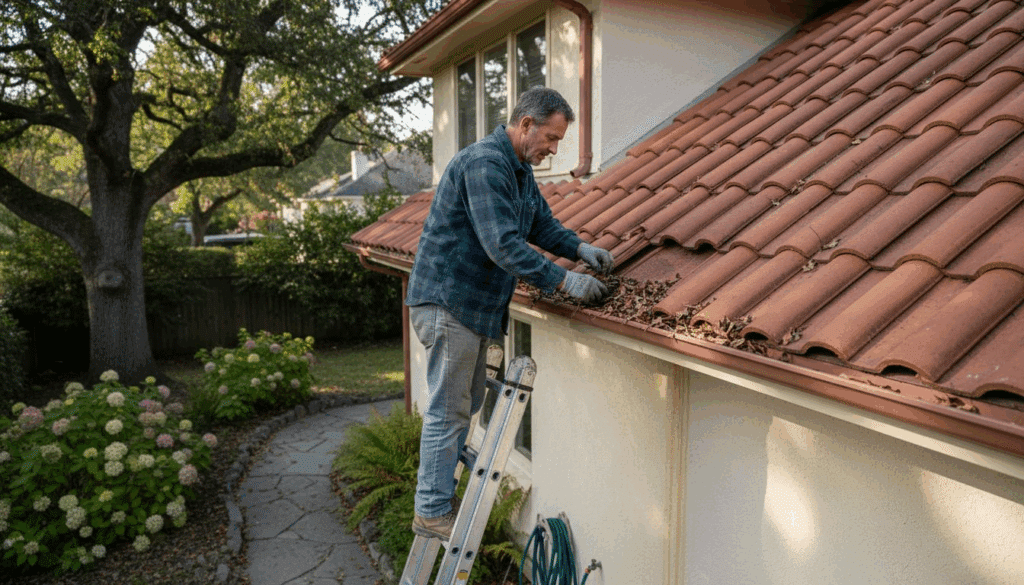
Ignoring roof maintenance can lead to major home repairs, with British studies showing water leaks cause up to 40 percent of structural damage in homes globally. In Gauteng and Western Cape, unpredictable weather brings a real risk of moisture creeping in and damaging ceilings, walls, and insulation. Homeowners in South Africa need clear, practical advice for keeping roofs dry and durable. This guide spotlights what defines effective waterproofing and maintenance, making sure your biggest investment stays protected year-round.
Table of Contents
- Roof Maintenance And Waterproofing Defined
- Roof Types Found In South Africa
- Essential Roof Maintenance Steps Explained
- Waterproofing Methods For Local Roofs
- Risks Of Neglecting Roof Care And Waterproofing
- Choosing Trusted Contractors And Warranties
Key Takeaways
| Point | Details |
|---|---|
| Roof Maintenance is Essential | Regular inspections and proactive repairs are crucial to prevent significant structural damage. Schedule professional assessments at least annually. |
| Waterproofing Techniques Vary by Roof Type | Different roof configurations require tailored waterproofing methods to effectively combat moisture. Understand your roof type to select appropriate solutions. |
| Neglect Leads to Severe Consequences | Failing to maintain your roof can result in costly damage, including structural deterioration and decreased property value. Implement a proactive maintenance schedule. |
| Choose Qualified Contractors Carefully | When selecting waterproofing contractors, verify credentials, experience, and insurance to ensure high-quality workmanship. Request references for additional assurance. |
Roof Maintenance and Waterproofing Defined
Roof maintenance and waterproofing represent critical protective strategies for preserving residential infrastructure in South Africa. Professional roof maintenance standards involve systematic processes designed to prevent water penetration, structural deterioration, and potential long-term property damage. Understanding these techniques helps homeowners proactively safeguard their most significant investment.
At its core, roof waterproofing involves applying specialised treatments and materials that create an impermeable barrier against moisture intrusion. These protective measures address multiple vulnerabilities in roofing systems, including potential weak points around chimneys, skylights, ventilation units, and structural junctions. Professional waterproofing techniques utilise advanced sealants, membranes, and coating technologies engineered to withstand South African climate conditions – from intense summer thunderstorms to occasional hailstorms.
Key components of effective roof maintenance and waterproofing include regular inspections, proactive repairs, and strategic preventative treatments. Homeowners should prioritise professional assessments that identify early signs of potential water damage, such as:
- Discoloured ceiling patches
- Visible moisture stains
- Degrading roof membrane
- Compromised flashing around roof penetrations
- Accumulated debris in drainage systems
Pro Maintenance Tip: Schedule professional roof inspections annually before the rainy season begins, ideally between May and August, to identify and address potential vulnerabilities before significant water damage can occur.
Roof Types Found in South Africa
South Africa’s diverse climate and architectural landscape support multiple roof types, each designed to address specific regional environmental challenges. Roof waterproofing techniques must therefore adapt to these unique structural variations, ensuring comprehensive protection against moisture and weather extremes.
Traditional residential roof configurations in South Africa typically include pitched roofs, flat roofs, and semi-pitched roofs. Pitched roofs remain particularly popular in areas experiencing significant rainfall, such as the Western Cape and Eastern Cape regions. These steep-angled designs facilitate rapid water drainage, minimising potential water accumulation and reducing structural stress. Flat roofs, conversely, are more common in urban environments like Johannesburg and Cape Town, where modern architectural styles prioritise minimalist design and potential rooftop utility spaces.
Each roof type presents distinct waterproofing considerations:
- Pitched Roofs: Require consistent tile alignment and robust underlayment
- Flat Roofs: Demand specialised membrane treatments and strategic drainage systems
- Semi-Pitched Roofs: Need hybrid waterproofing approaches addressing multiple architectural angles
Pro Installation Tip: Conduct a comprehensive structural assessment before selecting waterproofing solutions, as each roof type demands unique protective strategies tailored to its specific architectural configuration and local environmental conditions.
Here is a summary of roof types and their best waterproofing methods in South Africa:
| Roof Type | Typical Regions | Recommended Waterproofing Solution | Key Advantage |
|---|---|---|---|
| Pitched Roof | Western & Eastern Cape | Robust underlayment and flashing | Rapid water drainage |
| Flat Roof | Urban Johannesburg, Cape Town | Torch-on and liquid membrane systems | Seamless moisture barrier |
| Semi-Pitched Roof | Varied regions | Hybrid membrane and flexible coatings | Adaptable to angles |
Essential Roof Maintenance Steps Explained
Roof maintenance represents a critical investment in protecting your home’s structural integrity. Comprehensive maintenance processes demand systematic approaches tailored to South Africa’s unique environmental challenges, ensuring long-term protection against moisture, structural deterioration, and potential costly repairs.
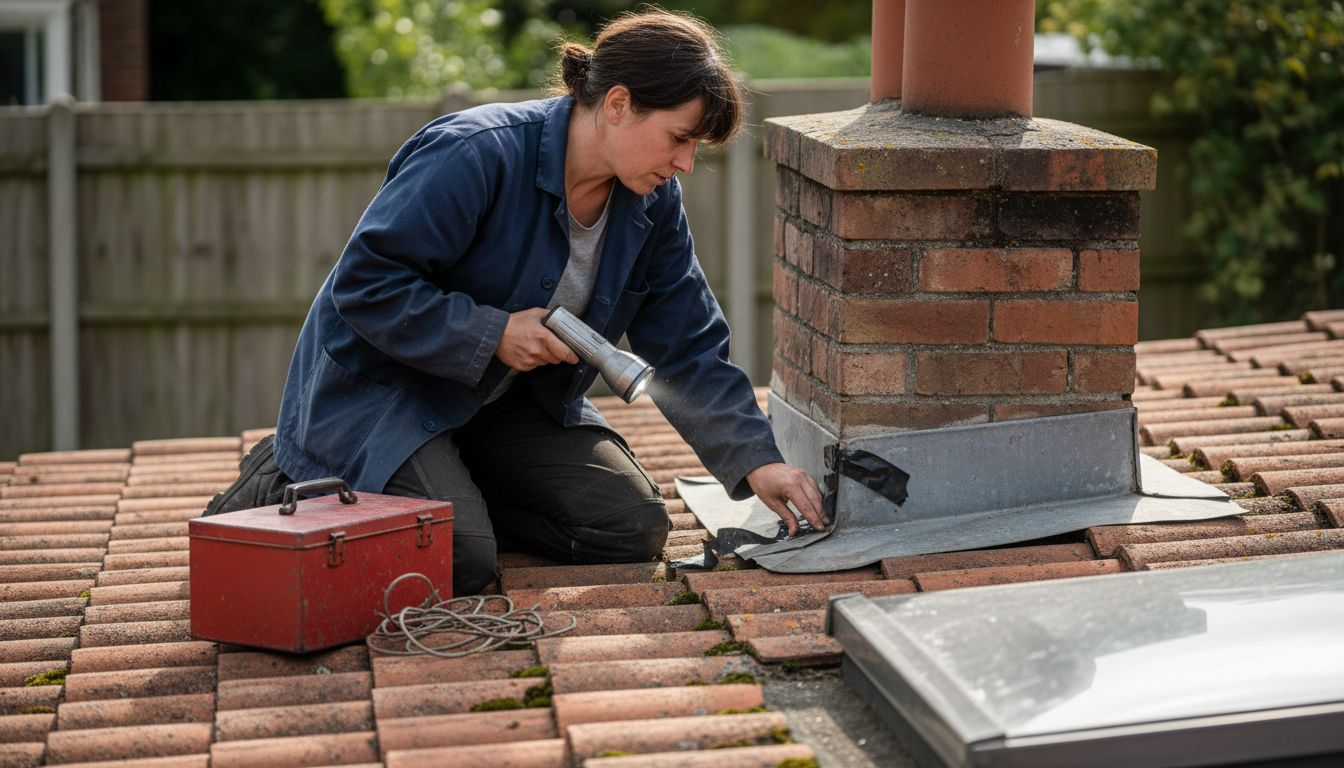
The fundamental maintenance strategy involves several interconnected steps. Regular visual inspections form the cornerstone of effective roof care, requiring homeowners to systematically examine roofing materials for signs of wear, damage, or potential vulnerabilities. Critical areas of focus include checking for cracked tiles, examining metal flashings, assessing seal integrity around chimneys and ventilation units, and identifying potential water penetration points. These inspections should ideally be conducted biannually – once before winter and once after the heavy rainfall season.
Key maintenance steps include:
- Cleaning gutters and drainage systems thoroughly
- Removing debris and overhanging tree branches
- Checking and replacing damaged roofing materials
- Examining and repairing roof sealants
- Investigating potential moisture penetration zones
- Assessing structural connections and support mechanisms
Pro Maintenance Tip: Schedule professional roof inspections every 12 months, preferably during dry seasons, to catch potential issues before they escalate into expensive structural repairs.
Waterproofing Methods for Local Roofs
South African homeowners require robust waterproofing solutions that withstand extreme climate variations across different regions. Comprehensive waterproofing methods provide essential protection against moisture intrusion, structural degradation, and potential long-term property damage.
Three primary waterproofing techniques dominate the local market, each offering unique advantages for different roof configurations and environmental challenges. Torch-on bitumen membrane works exceptionally well for flat roofs, providing a seamless, heat-applied protective layer that creates a robust water-resistant barrier. Liquid membrane systems, including polyurethane and acrylic variants, offer exceptional flexibility for irregular roof surfaces, penetrating and sealing microscopic cracks with remarkable precision. Cementitious waterproofing represents the third critical method, particularly effective for concrete roof structures and areas experiencing frequent moisture exposure.
Key considerations when selecting waterproofing methods include:
- Roof substrate composition
- Local climate conditions
- Expected temperature fluctuations
- Potential UV exposure
- Existing roof structural integrity
- Budget constraints
Pro Installation Tip: Conduct a comprehensive roof assessment with a professional waterproofing specialist before selecting a treatment method, ensuring the chosen technique matches your specific roof’s unique characteristics and environmental challenges.
Below is a comparison of popular waterproofing methods and their business impact:
| Method | Best Use Case | Durability (Years) | Installation Complexity |
|---|---|---|---|
| Torch-on Bitumen | Flat, concrete roofs | 10-15 | Specialised labour |
| Liquid Membrane | Irregular, older roofs | 8-12 | Moderate |
| Cementitious Coating | Concrete structures | 7-10 | Simple apply |
Risks of Neglecting Roof Care and Waterproofing
Neglecting roof maintenance and waterproofing can transform a minor issue into a catastrophic and expensive home disaster. Understanding potential roof damage risks reveals the substantial financial and structural consequences homeowners face when preventative care is overlooked.
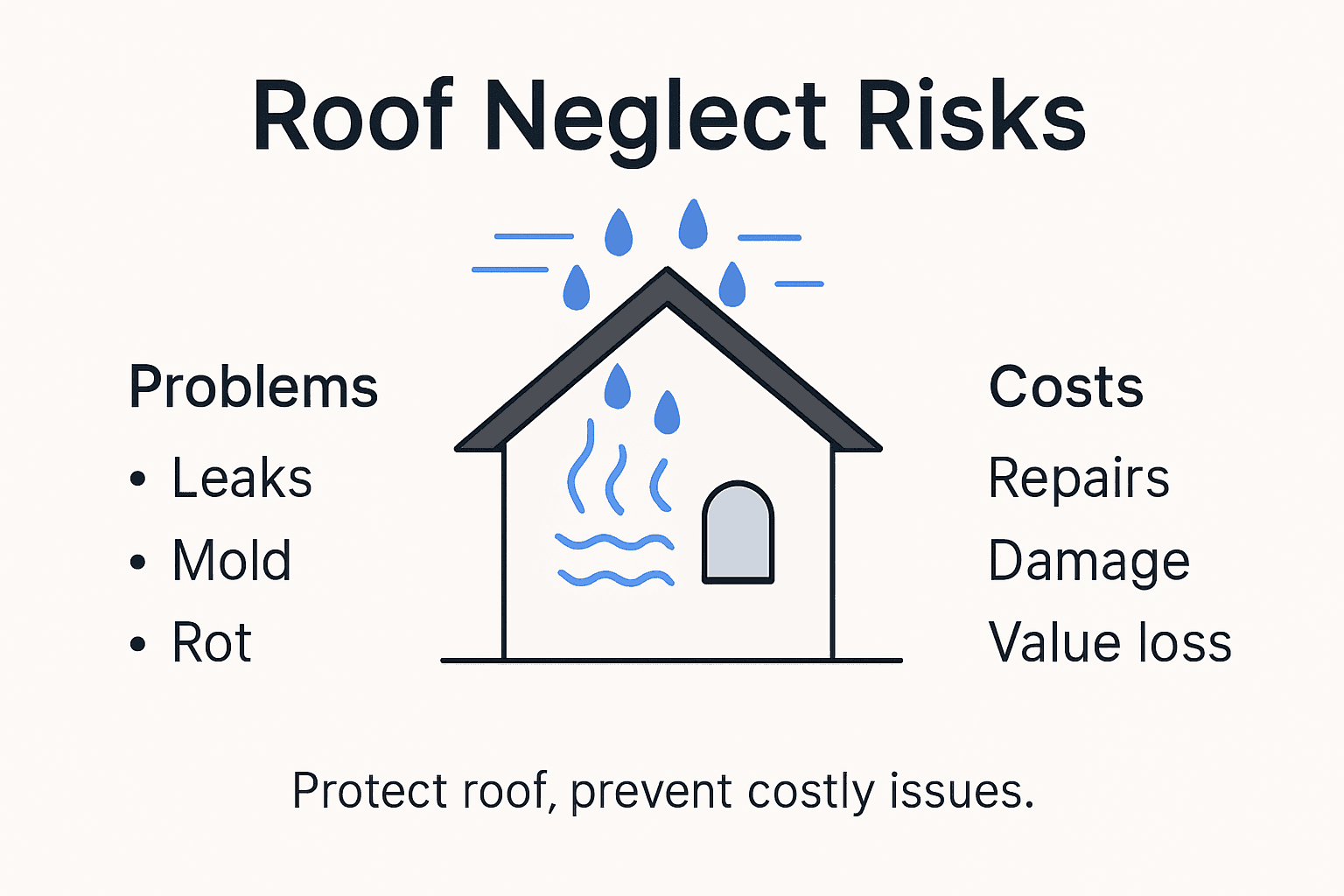
Structural deterioration represents the most significant threat of roof maintenance negligence. Unaddressed moisture penetration initiates a cascading sequence of damage, beginning with seemingly innocuous water stains and progressing to severe structural compromise. Wooden roof structures become vulnerable to rot, metal components experience accelerated corrosion, and concrete surfaces develop progressive degradation. These incremental damages can compromise the entire building’s integrity, potentially reducing property value and creating unsafe living conditions.
The potential risks of neglecting roof care include:
- Extensive interior water damage
- Mould and fungal growth
- Compromised structural support
- Electrical system hazards
- Reduced thermal insulation effectiveness
- Accelerated material degradation
- Potential foundation instability
Pro Prevention Tip: Implement a proactive annual roof inspection and maintenance schedule, treating your roof’s health as a critical investment in your property’s long-term structural integrity and value preservation.
Choosing Trusted Contractors and Warranties
Selecting a reputable waterproofing contractor represents a critical decision that directly impacts your property’s long-term structural integrity. Comprehensive contractor evaluation criteria highlight the importance of thorough due diligence in identifying professionals who can deliver reliable, high-quality services.
Evaluating potential waterproofing contractors requires a systematic approach focusing on key professional attributes. Credentials stand as the primary consideration, encompassing formal qualifications, industry certifications, and verifiable professional memberships. Homeowners should request and independently verify documentation demonstrating the contractor’s technical expertise, including proof of specialised training in roof waterproofing techniques specific to South African environmental conditions.
Critical factors in contractor selection include:
- Documented industry experience
- Comprehensive insurance coverage
- Proven track record of successful projects
- Transparent pricing structures
- Detailed written warranty provisions
- Professional indemnity protection
- Local references and portfolio of completed work
Pro Verification Tip: Request and personally contact at least three independent references from previous clients, verifying the contractor’s reliability, workmanship quality, and post-installation support before finalising any contractual agreement.
Protect Your Home with Expert Roof Maintenance and Waterproofing Solutions
Roof damage and water penetration risk costly repairs and reduce your property’s value. The article highlights essential challenges such as identifying early signs of water damage and the need for tailored waterproofing approaches for different roof types across South Africa. Homeowners want peace of mind knowing their roof is resilient against harsh weather and structural issues.
Pro Waterproofing understands these concerns. We offer expert guidance and professional waterproofing services tailored to pitched, flat, and semi-pitched roofs. Our trusted contractors use advanced materials and techniques to create durable moisture barriers that protect your home year-round. Explore practical strategies and professional standards in our Uncategorized – Pro Waterproofing articles to deepen your understanding.
Don’t wait until small leaks escalate into serious damage. Visit Pro Waterproofing now to request a personalised quote and schedule your roof inspection. Take control of your home’s health with expert support from industry professionals who prioritise quality, warranties, and lasting results.
Frequently Asked Questions
What is roof waterproofing and why is it important?
Roof waterproofing involves applying specialised treatments to create a barrier against moisture intrusion, preventing damage to the roof and interior of the home. It is crucial for protecting your investment from water damage, structural deterioration, and long-term issues.
How often should I inspect my roof for maintenance?
It is recommended to conduct professional roof inspections at least once a year, ideally before the rainy season, to identify and address potential vulnerabilities before they escalate into costly issues.
What are the recommended waterproofing methods for different roof types?
Pitched roofs typically require robust underlayment and flashing, flat roofs benefit from torch-on and liquid membrane systems, while semi-pitched roofs need hybrid waterproofing solutions to address their unique angles.
What are the risks of neglecting roof maintenance?
Neglecting roof maintenance can lead to extensive water damage, mould growth, compromised structural integrity, electrical hazards, reduced insulation effectiveness, and ultimately, decreased property value.