
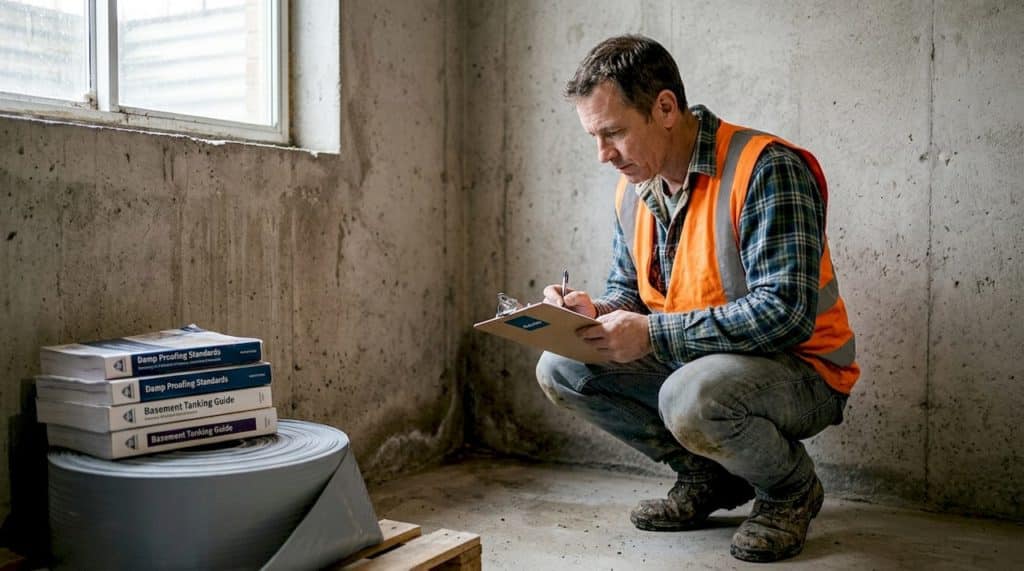
Hiring the wrong waterproofing contractor can cost you far more than the original job. Water damage spreads silently behind walls, beneath floors, and through roof structures, turning a small leak into a structural nightmare. Over 80% of waterproofing failures are caused by poor workmanship or subpar materials, which means the contractor you choose matters enormously. With dozens of companies competing for your business, knowing how to separate the genuinely skilled from the merely convincing is not always straightforward. This guide gives you a practical, expert-backed framework to evaluate, compare, and confidently select the right waterproofing contractor for your property.
Table of Contents
- Understand what sets top contractors apart
- Criteria to evaluate before hiring
- Comparing contractor options: a side-by-side view
- Red flags and top questions to ask
- Making the final decision with confidence
- Protect your property with expert waterproofing services
- Frequently asked questions
Key Takeaways
| Point | Details |
|---|---|
| Act on proven experience | Always verify years in trade and request a project portfolio with relevant references. |
| Insist on quality materials | Ensure your contractor specifies and uses certified, durable materials suitable for South African conditions. |
| Check for strong warranties | Demand a written warranty covering both workmanship and materials for 5–10 years. |
| Interview and compare options | Always ask tough questions, check local client testimonials, and use side-by-side comparisons to make the safest choice. |
Understand what sets top contractors apart
Not every builder who offers waterproofing is a waterproofing specialist. General contractors may have basic knowledge, but waterproofing is a technical discipline that demands specific training, the right materials, and hands-on experience with the particular challenges South African properties face. Coastal humidity, Highveld thunderstorms, and flat concrete roofs all create unique moisture risks that a generalist may simply not be equipped to handle.
The qualities of good contractors go well beyond showing up with a bucket of sealant. A reputable specialist will hold relevant industry certifications, carry public liability insurance, and be able to demonstrate a clear track record. According to the complete guide for South Africa, you should evaluate proven experience including years in the industry, similar completed projects, and a verifiable portfolio before signing anything.
Here is what a trustworthy contractor must be able to show you:
- Proof of formal waterproofing training or industry certification
- Valid public liability and contractor’s all-risk insurance
- A portfolio of completed projects similar to yours in scope and property type
- Manufacturer-approved product knowledge and access to quality materials
- A physical business address and verifiable contact details
- Clear, written quotations with itemised costs and material specifications
“A contractor who cannot produce references, certifications, or insurance documents on request is not a contractor worth hiring. Transparency is the baseline, not a bonus.”
This is the foundation. Everything else you evaluate builds on these non-negotiables.
Criteria to evaluate before hiring
Knowing what qualities to expect is one thing. Applying a structured checklist every time you assess a potential contractor is what actually protects your property and your budget. Here is a step-by-step evaluation process tailored to South African conditions.
- Years of relevant experience. Ask specifically about waterproofing projects, not general construction. Five or more years focused on waterproofing is a strong indicator of genuine expertise.
- Portfolio and past projects. Request photos and addresses of completed work. If possible, visit a finished site. Specialist waterproofers offer better outcomes than general contractors, and their portfolios will reflect that.
- Material specifications. A professional will specify exactly which products they intend to use. High-quality materials should carry manufacturer certifications and offer chemical resistance, flexibility, and UV resistance suited to your climate.
- Site inspection before quoting. Any contractor who quotes without visiting your property is guessing. A proper site assessment is non-negotiable.
- References from similar projects. Ask for at least three recent references from clients with comparable properties. Call them. Ask about the process, not just the result.
- Pricing transparency. A detailed, written quote protects you legally and financially. Vague line items like “waterproofing works” with no breakdown are a warning sign.
- Insurance and compliance. Confirm that the contractor holds current insurance. If something goes wrong on site, you need to know you are covered.
For more tips for choosing waterproofers and a detailed selection checklist, these resources will help you go even deeper on each criterion.
Pro Tip: If a contractor pressures you to sign quickly or offers a price that seems too good to be true, walk away. Rushed decisions and suspiciously low quotes are among the most reliable red flags in this industry.
Remember: With over 80% of failures linked to poor workmanship, the cheapest quote almost always costs more in the long run.
Comparing contractor options: a side-by-side view
Once you have your checklist ready, comparing your shortlisted contractors becomes much easier. The table below gives you a quick reference for what to expect from three common contractor types you will encounter in South Africa.
| Criterion | Local independent | National chain | Specialist waterproofer |
|---|---|---|---|
| Years of experience | Varies (2–15+) | Usually 10+ | Typically 5–20+ focused |
| Warranty offered | 1–3 years typical | 2–5 years | 5–10 years standard |
| Material grade | Variable | Standardised | High-grade, specified |
| References available | Sometimes limited | Usually available | Consistently available |
| Site-specific flexibility | High | Moderate | High |
| Price range | Lower to mid | Mid to high | Mid to high |
As credentials and warranties are consistently highlighted across expert reviews, use this table as a starting point, not a final verdict. For deeper contractor comparison insights, it helps to look at real project outcomes alongside these categories.
Here is a summary of common strengths and weaknesses across contractor types:
- Local independents often offer more personalised service and competitive pricing, but may lack the resources for large or complex projects.
- National chains bring standardised processes and brand accountability, but can be less flexible on materials or scheduling.
- Specialist waterproofers deliver the most focused expertise and typically the strongest warranties, making them the safest choice for significant waterproofing work.
Regardless of which type you consider, always verify certifications and speak to references directly. Following smart steps for contractor comparison from other trade industries confirms that this principle applies universally.
Red flags and top questions to ask
Narrowing down your options is progress, but the interview stage is where you truly separate reliable contractors from risky ones. Knowing what to look for and what to ask makes all the difference.
Common red flags to watch for:
- No physical business address or verifiable registration
- Reluctance to provide written quotes or material specifications
- Pressure to pay a large deposit or the full amount upfront
- Vague or unverifiable references
- No mention of insurance or warranty terms
- Dismissiveness about site inspections
Questions to ask every contractor you interview:
- How many years have you been specialising in waterproofing specifically?
- Can you show me a portfolio of projects similar to mine?
- Which products and systems will you use, and why?
- What does your warranty cover, and for how long?
- Who will be on site doing the work, and are they trained?
- How do you handle unexpected problems discovered during the job?
- Can you provide three recent client references I can contact?
For a full list of best interview questions and questions to ask builders before committing, these resources are worth reviewing before your first meeting.
Strong local references from similar projects are one of the most reliable indicators of contractor quality. Look at client testimonial examples to understand what genuine, detailed feedback looks like versus generic praise.
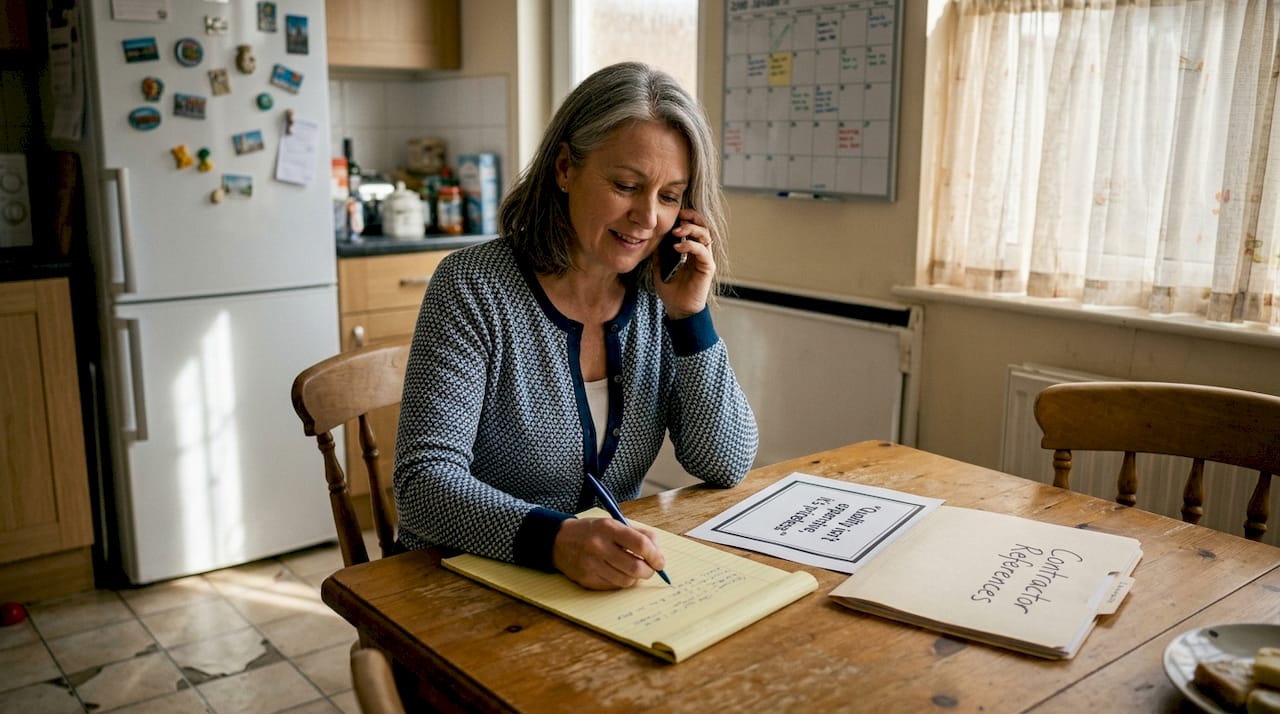
Pro Tip: When calling references, ask open-ended questions like “What would you do differently?” rather than yes/no questions. Honest clients will give you far more useful information this way.
Also check warranties on workmanship and materials, which should typically run for 5 to 10 years from a reputable contractor. Anything shorter deserves a direct explanation.
Making the final decision with confidence
You have done your research, compared your options, and asked the hard questions. Now it is time to make a decision you can stand behind. The final stage is less about facts and more about fit, communication, and trust.
Consider these factors as you make your final call:
- Communication quality. Did the contractor respond promptly, explain things clearly, and treat your questions with respect? Poor communication before the job almost always gets worse during it.
- Professionalism on site. How did they conduct themselves during the inspection? Punctuality, preparation, and attention to detail during a quote visit reflect how they will behave on your property.
- Aftercare and warranty processes. Ask exactly how warranty claims are handled. A contractor who has a clear, written process for post-project support is one who expects to stand behind their work.
- Gut feel backed by evidence. Trust your instincts, but only when they are supported by verified references, clear documentation, and transparent pricing.
Strong local references remain your most powerful validation tool at this stage. Speak to past clients one more time if you are still uncertain. For final selection advice that covers the last steps before signing, that resource will help you close the loop.
Using project management tools to track milestones and communication during the project is also worth considering for larger jobs.
“A clear, written guarantee from a contractor who has done the work to back it up is not just paperwork. It is the difference between peace of mind and a very expensive lesson.”
Protect your property with expert waterproofing services
Finding a contractor who ticks every box on your checklist takes effort, but the right choice protects your property for years to come. At Pro Waterproofing, we meet the standards outlined in this guide: qualified teams, high-grade materials with full specifications, transparent pricing, and warranties that actually mean something.
Whether you need a roof assessment, basement waterproofing, or a full property inspection, our specialist waterproofing services are available across South Africa. Request a quote or book a site visit today, and let us show you what a genuinely reliable waterproofing contractor looks like in practice. No pressure, no vague promises. Just expert work, properly guaranteed.
Frequently asked questions
How can I check if a contractor is properly qualified?
Ask for proof of industry certification, insurance, and past project references. Legitimate specialists are always willing to provide these, and proven experience across similar projects is a strong indicator of genuine qualification.
Do I need a specialist for waterproofing or will a general contractor do?
Specialist waterproofers consistently deliver better outcomes than general contractors and significantly reduce the risk of costly future repairs. For any significant waterproofing work, a specialist is the safer choice.
What warranty should I expect from a reputable contractor?
Reliable waterproofing contractors in South Africa typically offer 5 to 10 year warranties covering both materials and workmanship. Anything shorter should be questioned directly before you sign.
How can I avoid falling for a contractor scam?
Always verify multiple references, confirm a physical business address, and never pay the full amount upfront. Strong local references from similar projects are your best protection against unreliable operators.
What questions should I ask during a contractor interview?
Ask about similar past projects, the exact materials and systems to be used, warranty terms, and how unexpected issues will be managed. Contractors who specify high-quality materials with clear certifications are the ones worth trusting.