
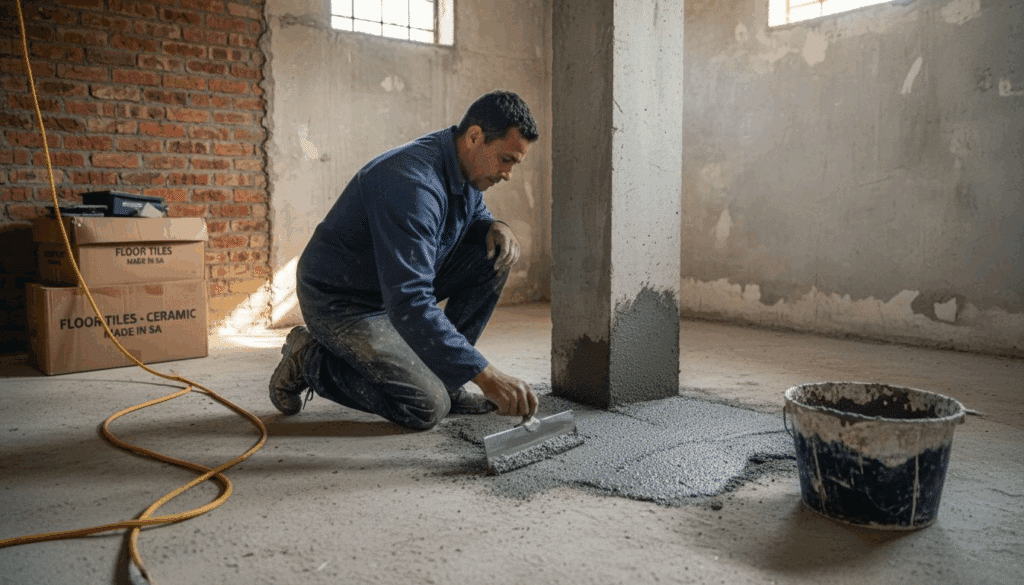
Basement damp can quickly become a source of frustration for Gauteng homeowners, threatening both comfort and property value. Choosing the right waterproof flooring solutions is key to stopping stubborn water ingress and mould before it causes lasting damage. With advanced options like cementitious membranes, liquid sealants, and protective coatings now available in South Africa, you can create a dry, durable space while protecting your investment. Discover how the right waterproof basement flooring can transform your home’s lowest level into a reliable, valuable asset.
Table of Contents
- Defining Waterproof Basement Flooring Solutions
- Popular Flooring Types And Their Suitability
- How Waterproofing Protects South African Basements
- Installation Process And Common Challenges
- Costs, Maintenance, And Mistakes To Avoid
Key Takeaways
| Point | Details |
|---|---|
| Effective Waterproofing Selection | Different waterproofing solutions must be matched to specific basement conditions for optimal protection against moisture. |
| Professional Assessment Importance | Conducting a thorough moisture assessment is crucial before implementing any waterproofing strategy to ensure targeted interventions. |
| Material Compatibility Consideration | Evaluating the interaction between waterproofing technologies and existing concrete substrates is essential for ensuring long-term performance. |
| Maintenance to Prevent Costs | Regular inspections and prompt repairs are vital to prevent minor moisture issues from escalating into significant structural problems. |
Defining Waterproof Basement Flooring Solutions
When tackling basement moisture challenges in Gauteng homes, understanding waterproof basement flooring solutions becomes paramount. These specialised systems protect properties from potentially devastating water damage by creating robust barriers against moisture penetration. Waterproofing product technologies have advanced significantly, offering homeowners multiple sophisticated strategies to safeguard their basement environments.
Waterproof basement flooring encompasses several key approaches designed to prevent water intrusion and manage potential dampness. The primary solutions include:
- Cementitious Waterproofing Membranes: Rigid coatings applied directly to concrete surfaces
- Liquid Applied Membranes: Flexible sealants that create seamless protective layers
- Bituminous Sheet Membranes: Robust materials providing comprehensive moisture barriers
- Silane Treatments: Penetrative solutions that chemically modify surface porosity
Each flooring solution offers distinct advantages depending on specific basement conditions. Factors such as water table levels, existing structural integrity, and potential hydrostatic pressure significantly influence which waterproofing approach will deliver optimal protection for Gauteng properties. Professional assessment becomes crucial in determining the most appropriate intervention strategy.
Effective waterproofing is not just about selecting a product, but understanding your specific basement’s unique moisture challenges.
Material compatibility represents another critical consideration when implementing waterproof basement flooring. Homeowners must evaluate how different waterproofing technologies interact with existing concrete substrates, ensuring long-term durability and performance. Some solutions provide superior adhesion and flexibility, while others offer more rigid protection.
Pro tip: Always conduct a comprehensive moisture assessment before selecting your basement waterproofing solution to ensure targeted, effective protection.
Popular Flooring Types and Their Suitability
Selecting the right waterproof flooring for Gauteng basements requires careful consideration of various materials and their performance characteristics. Basement flooring solutions have evolved significantly, offering homeowners multiple options to combat moisture challenges effectively.
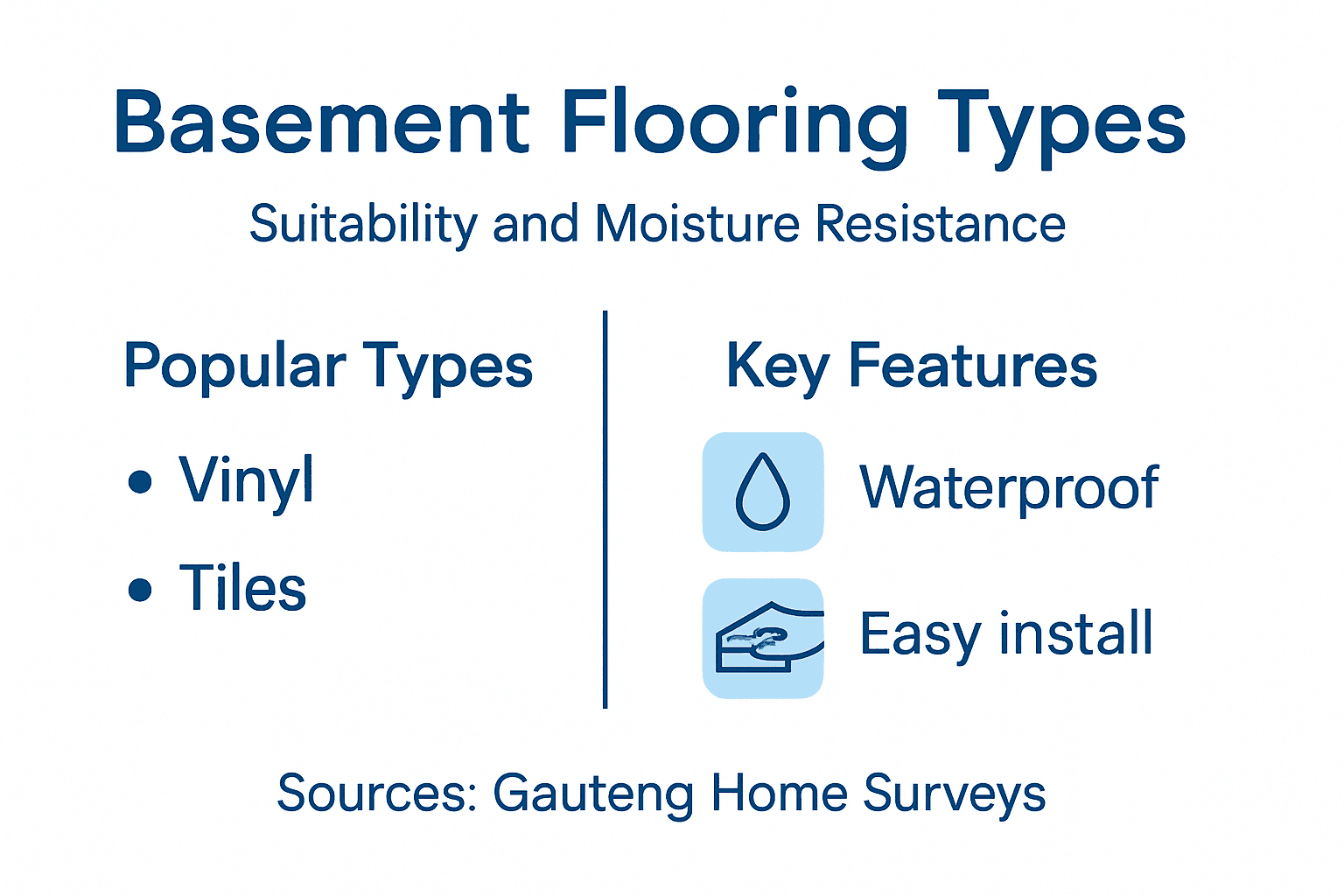
When evaluating basement flooring types, several key materials stand out for their moisture-resistant properties:
- Ceramic Tiles: Excellent water resistance with proper membrane installation
- Polymer-Modified Mortars: High durability and exceptional moisture protection
- Self-Levelling Cementitious Screeds: Smooth, seamless surfaces that block water infiltration
- Epoxy Flooring: Chemical-resistant and completely waterproof coating
- Vinyl Plank Flooring: Water-resistant and relatively economical option
Each flooring type presents unique advantages and potential limitations. Ceramic tiles, for instance, require meticulous membrane installation beneath the surface to prevent water seepage. Polymer-modified mortars offer superior structural integrity, making them particularly suitable for basements experiencing intermittent moisture challenges.
Not all waterproof flooring solutions are created equal – match your selection to your specific basement conditions.
Moisture resistance varies significantly between materials. Hydrophobic technologies have transformed basement flooring, enabling homeowners to create robust, long-lasting environments that withstand challenging humidity levels. Professional assessment becomes crucial in determining which flooring type will provide optimal protection for your specific basement environment.
Considerations for selecting basement flooring extend beyond mere water resistance. Factors like thermal insulation, aesthetic appeal, installation complexity, and long-term maintenance requirements all play critical roles in making an informed decision.
Pro tip: Always inspect your basement’s existing moisture levels and consult a professional before finalising your flooring selection to ensure maximum effectiveness.
Here’s a quick reference comparing key waterproof basement flooring types and their suitability for South African conditions:
| Flooring Type | Moisture Protection Level | Installation Complexity | Typical Cost Range |
|---|---|---|---|
| Ceramic Tiles | Moderate to High | High | R10,000–R30,000 |
| Polymer-Modified Mortars | High | Moderate | R12,000–R28,000 |
| Self-Levelling Screeds | High | Moderate | R15,000–R35,000 |
| Epoxy Flooring | Very High | Moderate to High | R18,000–R45,000 |
| Vinyl Plank Flooring | Moderate | Low | R5,000–R15,000 |
How Waterproofing Protects South African Basements
Basement waterproofing represents a critical defence mechanism for South African homeowners battling moisture-related challenges. Waterproofing strategies for South African properties are specifically designed to address the unique environmental conditions prevalent in regions like Gauteng, where humidity and ground moisture can pose significant structural risks.
The primary protective mechanisms of waterproofing include:
- Moisture Barrier Creation: Preventing water penetration through walls and floors
- Structural Integrity Preservation: Protecting foundation from water-induced deterioration
- Mould and Mildew Prevention: Eliminating conditions conducive to fungal growth
- Thermal Insulation Enhancement: Reducing heat loss and improving energy efficiency
- Property Value Protection: Maintaining structural soundness and aesthetic appeal
Understanding the geological and climatic characteristics of South African landscapes becomes crucial in developing effective waterproofing strategies. Different regions experience varying moisture challenges, requiring tailored approaches that consider soil composition, water table levels, and precipitation patterns.
Effective waterproofing is not merely a construction technique, but a comprehensive approach to protecting your property’s long-term structural health.
Hydrostatic pressure represents a significant threat to basement structures, particularly in areas with high groundwater levels. Professional waterproofing solutions create robust defence mechanisms that redirect water flow, prevent seepage, and maintain a dry, stable basement environment. These techniques involve sophisticated membrane technologies, drainage systems, and chemical treatments that work synergistically to combat moisture intrusion.
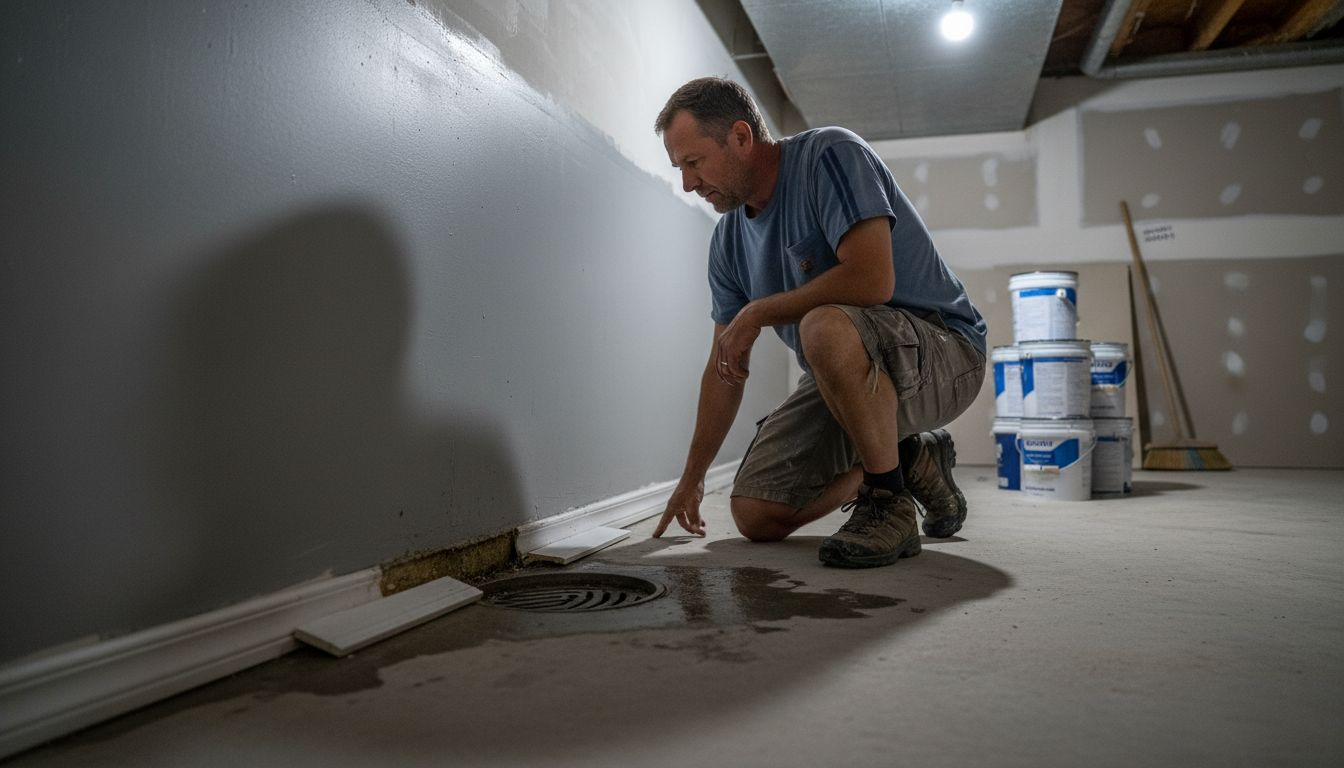
Homeowners must recognise that waterproofing extends beyond surface-level treatments. It encompasses a holistic approach involving structural assessment, targeted interventions, and ongoing maintenance to ensure continuous protection against water-related damages.
Pro tip: Conduct regular professional moisture assessments to identify potential vulnerabilities and implement preventative waterproofing measures before significant damage occurs.
Installation Process and Common Challenges
Waterproofing basement floors in South African homes demands a meticulous and strategic approach that addresses the unique environmental challenges of the region. Basement waterproofing implementation requires comprehensive planning and expert technical execution to ensure long-lasting protection against moisture intrusion.
The typical installation process involves several critical stages:
- Surface Preparation: Thorough cleaning and assessment of existing concrete surfaces
- Moisture Detection: Advanced diagnostic techniques to identify potential water entry points
- Surface Repair: Addressing cracks, structural weaknesses, and existing damage
- Membrane Application: Precise installation of waterproofing membranes
- Drainage System Integration: Implementing effective water redirection mechanisms
Each stage presents its own set of technical challenges. Surface preparation requires removing existing coatings, repairing minor imperfections, and creating a smooth, receptive substrate for waterproofing treatments. Moisture detection involves sophisticated diagnostic tools that map potential vulnerability zones within the basement structure.
Professional waterproofing is not a one-size-fits-all solution, but a customised approach tailored to each property’s unique characteristics.
Common installation challenges frequently encountered in Gauteng basements include managing expansive clay soils, addressing high water table levels, and mitigating seasonal humidity fluctuations. These environmental factors can compromise waterproofing effectiveness if not carefully addressed during the installation process. Technicians must develop adaptive strategies that account for ground movement, potential structural settlement, and localised moisture dynamics.
Successful waterproofing demands a holistic understanding of basement environmental conditions. This involves comprehensive assessments that evaluate soil composition, drainage patterns, structural integrity, and potential water infiltration mechanisms. Professionals must design interventions that not only block immediate moisture threats but also provide long-term structural protection.
Pro tip: Invest in a professional comprehensive moisture assessment before initiating any waterproofing project to identify potential hidden challenges and develop a targeted intervention strategy.
Costs, Maintenance, and Mistakes to Avoid
Understanding the financial and practical considerations of basement waterproofing is crucial for South African homeowners seeking long-term property protection. Waterproofing investment strategies require careful planning to balance initial expenditure with potential long-term savings.
Typical cost considerations include:
- Initial Installation: Professional assessment and treatment costs
- Material Expenses: Quality waterproofing membranes and treatments
- Labour Charges: Specialist technical expertise
- Ongoing Maintenance: Annual inspections and preventative interventions
- Potential Repair Costs: Addressing unresolved moisture issues
Cost ranges can vary significantly depending on basement size, existing structural conditions, and complexity of water management requirements. Homeowners should anticipate investing between R5,000 to R50,000 for comprehensive waterproofing solutions, with complex projects potentially exceeding these estimates.
Preventative waterproofing investments are substantially more economical than extensive structural repairs caused by water damage.
Common maintenance mistakes that escalate costs include neglecting regular inspections, delaying minor repair work, and failing to address early signs of moisture infiltration. Homeowners frequently underestimate the importance of proactive maintenance, which can prevent exponential damage and repair expenses.
Successful long-term waterproofing demands a strategic approach that combines professional installation, periodic professional assessments, and immediate intervention when warning signs emerge. This holistic strategy helps mitigate potential structural risks and maintains the integrity of basement environments.
Pro tip: Budget for annual professional moisture inspections, treating them as essential preventative maintenance rather than optional expenses.
To help homeowners plan their waterproofing projects, here’s a summary of common basement waterproofing costs and maintenance considerations:
| Cost Factor | Typical Investment | Maintenance Impact |
|---|---|---|
| Installation (Professional) | R5,000–R50,000 | Determines long-term reliability |
| Materials Selection | R2,000–R20,000 | Quality affects durability |
| Annual Inspection | R500–R2,000 | Prevents major repairs |
| Repairing Moisture Issues | R3,000–R25,000 | Escalates if neglected |
Protect Your Gauteng Basement with Expert Waterproofing Solutions
Basement moisture and dampness present serious challenges for Gauteng homeowners, threatening the structural integrity and comfort of your property. This article highlights critical solutions like waterproof membranes, moisture barriers, and professional moisture assessments that are essential to preventing costly damage. If you want to safeguard your home effectively, understanding and implementing these waterproof basement flooring techniques is vital.
Discover trusted guidance and reliable services for all your waterproofing needs by exploring Uncategorized – Pro Waterproofing.
Act now to ensure your basement remains dry and structurally sound. Visit Pro Waterproofing for expert advice, professional evaluations, and tailored waterproofing solutions designed specifically for South African homes. Don’t wait until dampness causes irreparable damage. Contact us today and take the first step towards a safer, healthier, and more comfortable basement environment.
Frequently Asked Questions
What are the different types of waterproof basement flooring solutions?
Waterproof basement flooring solutions include cementitious waterproofing membranes, liquid-applied membranes, bituminous sheet membranes, and silane treatments. Each offers unique advantages based on the specific moisture challenges encountered in your basement.
How do I know which waterproof flooring solution is best for my basement?
The best waterproof flooring solution depends on factors like existing structural integrity, water table levels, and hydrostatic pressure. A professional assessment is crucial for determining the most effective approach for your particular basement conditions.
Are there specific materials that work better for waterproofing basements?
Some materials that provide moisture resistance include ceramic tiles, polymer-modified mortars, self-levelling cementitious screeds, epoxy flooring, and vinyl plank flooring. Each has distinct moisture-resistant properties, so it’s essential to match the material choice with your basement’s conditions.
How often should I conduct maintenance and inspections for my waterproof basement?
Regular inspections should occur at least once a year to identify potential vulnerabilities and address issues early. Ongoing maintenance, including prompt attention to any signs of moisture infiltration, is vital for preserving the effectiveness of your waterproofing solutions.