
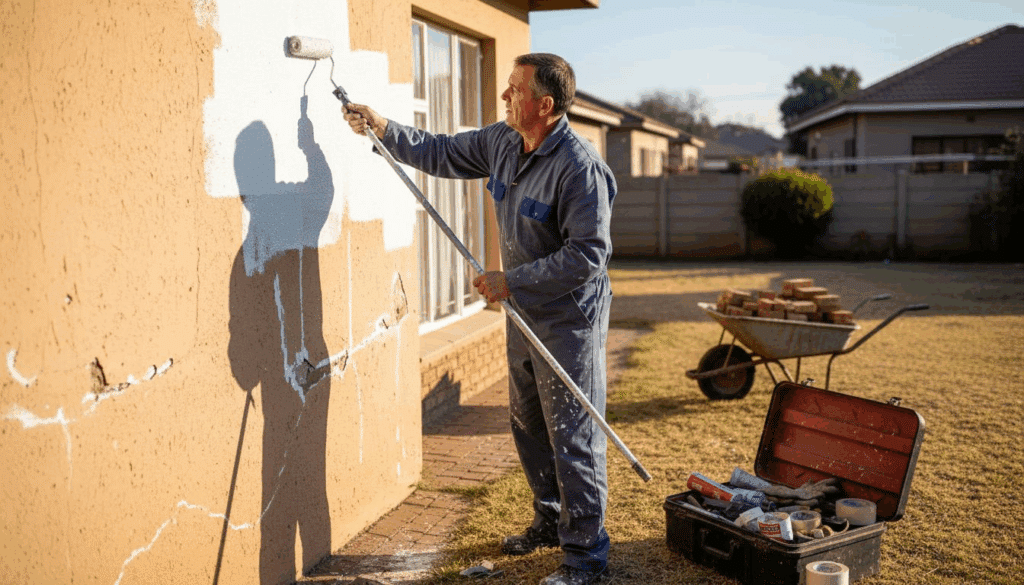
Moisture damage silently destroys South African properties every day. Up to 60% of building defects in South Africa relate to moisture damage, costing owners thousands in repairs and lost value. Waterproof coatings offer a proven defense, but many property owners don’t understand how they work or why proper application matters. This guide explains what waterproof coatings do, which types suit your property, and how to maximise their protective power.
Table of Contents
- Introduction To Waterproof Coatings
- How Waterproof Coatings Protect Properties
- Types Of Waterproof Coatings Suitable For South African Properties
- Common Misconceptions About Waterproof Coatings
- Environmental And Application Considerations
- Impact Of Waterproof Coatings On Property Longevity
- Practical Guide For Property Owners
- Protect Your South African Property With Pro Waterproofing
- Frequently Asked Questions About Waterproof Coatings
Key Takeaways
| Point | Details |
|---|---|
| Waterproof coatings create essential moisture barriers | They block water ingress and prevent costly structural damage when applied correctly. |
| Material choice and application quality determine effectiveness | Poor application can reduce effectiveness by up to 70%, making professional installation critical. |
| Different coating types suit different South African climates | Polyurethane, epoxy, cementitious, and bituminous coatings each excel in specific conditions. |
| Proper waterproofing extends property lifespan significantly | Well-maintained systems can add 10 to 20 years to building life and reduce repair costs. |
| Regular maintenance protects your investment long-term | Scheduled inspections and touch-ups can reduce waterproofing failure risk by up to 40%. |
Introduction to Waterproof Coatings
Waterproof coatings are protective liquid or membrane layers applied to building surfaces to create moisture barriers. They bond to substrates like concrete, metal, and masonry, forming impermeable shields that block water intrusion. Without this protection, moisture seeps into structures, causing mold growth, efflorescence, and structural decay that compromise safety and value.
South Africa’s diverse climate intensifies moisture challenges. Coastal properties face salt-laden humidity. Inland regions endure seasonal rains and temperature swings. Understanding the role of waterproof coatings becomes essential when you consider that up to 60% of building defects in South Africa relate to moisture damage. This prevalence makes waterproofing not optional but mandatory for property longevity.
Common moisture-prone areas include:
- Roofs and roof valleys where water pools
- External walls exposed to driving rain
- Basements and foundations below ground level
- Bathrooms and wet areas with constant humidity
- Balconies and terraces with inadequate drainage
Recognising these vulnerable zones helps you target waterproofing efforts where they matter most.
How Waterproof Coatings Protect Properties
Waterproof coatings work by forming impermeable barriers that physically block water molecules from penetrating building materials. When applied correctly, they adhere tightly to substrates, filling microscopic pores and creating seamless protective layers. Flexible formulations accommodate structural movement without cracking, maintaining integrity through thermal expansion and settling.
This barrier function prevents mold growth by denying moisture the access fungi need to thrive. It also stops structural decay by keeping water away from steel reinforcement and organic materials that rot when wet. The chemical composition of quality coatings resists UV degradation, ensuring long-term performance under South Africa’s intense sun.
Professional surface preparation determines success. Contractors must clean surfaces, repair cracks, and ensure proper adhesion. Poor application can reduce coating effectiveness by up to 70%, turning a protective investment into wasted expense. Rushed jobs skip critical prep steps, leaving gaps where moisture infiltrates.
Understanding waterproofing versus damp proofing clarifies why coatings outperform basic moisture control. Damp proofing slows moisture migration. Waterproofing stops it completely. This distinction matters for areas facing hydrostatic pressure or direct water exposure.
Pro Tip: Always verify your contractor holds current licensing and provides detailed surface preparation protocols before signing contracts. Ask to see previous project photos showing prep work, not just finished coatings.
Types of Waterproof Coatings Suitable for South African Properties
Different coating materials offer distinct advantages for South African conditions. Polyurethane coatings provide excellent flexibility and UV resistance, ideal for roofs and terraces. Epoxy coatings deliver superior chemical resistance and durability for industrial applications. Cementitious coatings suit masonry substrates and offer breathability for below-grade applications. Bituminous coatings excel in foundations and areas without UV exposure.
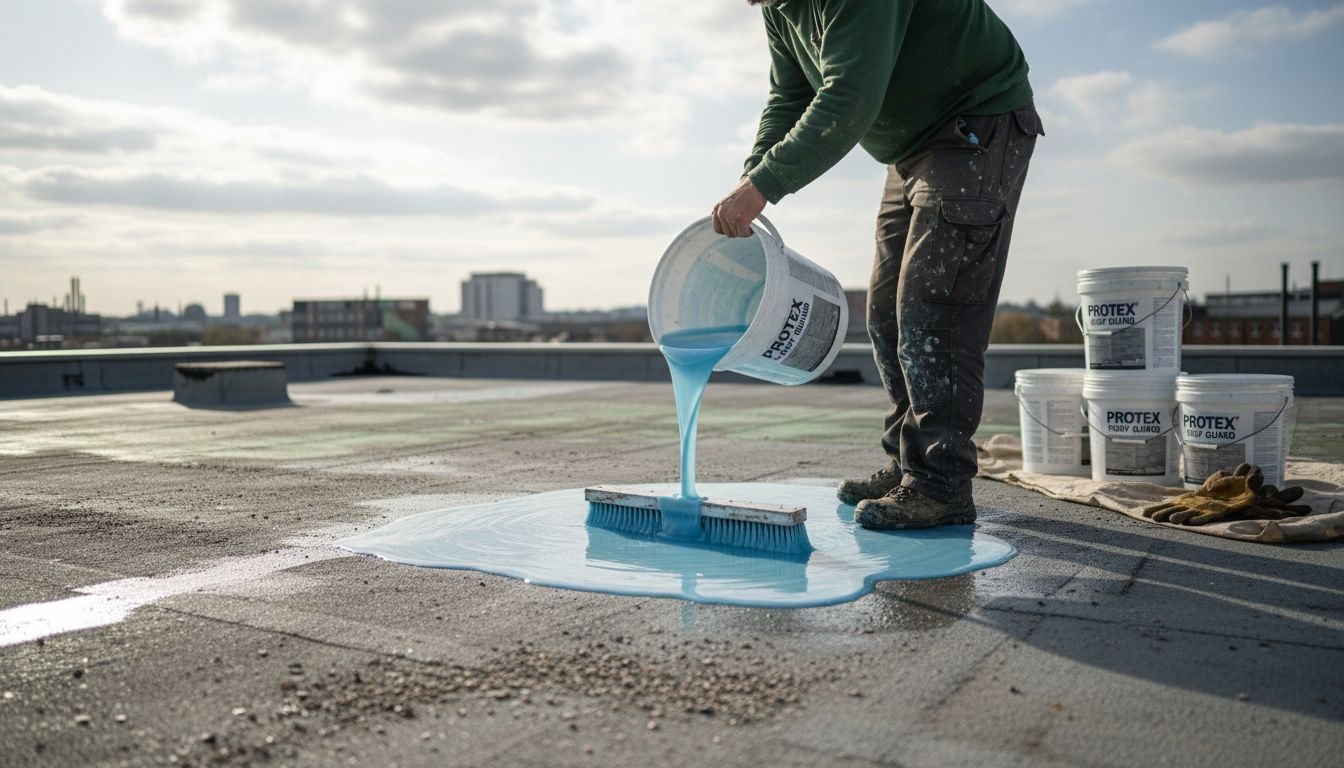
| Coating Type | Durability | UV Resistance | Typical Lifespan | Best Uses |
|---|---|---|---|---|
| Polyurethane | High | Excellent | 15-20 years | Roofs, terraces, balconies |
| Epoxy | Very High | Good | 20-25 years | Industrial floors, tanks |
| Cementitious | Moderate | Fair | 10-15 years | Basements, wet areas |
| Bituminous | High | Poor | 15-20 years | Foundations, underground |
Polyurethane and epoxy coatings offer high durability and are suitable for different surfaces, making them versatile choices for most property types. Selection depends on exposure conditions and substrate materials.
Regional climate dictates optimal coating choices:
- Coastal properties need UV-resistant polyurethane to combat salt and sun
- Inland areas benefit from flexible coatings handling temperature swings
- High-rainfall regions require thick-film applications for heavy water exposure
- Industrial sites demand epoxy formulations resisting chemicals and abrasion
Understanding different types of waterproof coatings empowers informed decisions matching your property’s specific needs.
Common Misconceptions About Waterproof Coatings
Many property owners believe all waterproof coatings perform identically regardless of application quality. This dangerous assumption leads to failed systems and costly repairs. Coating performance depends heavily on surface preparation, application thickness, curing conditions, and material selection. Skipping any step compromises the entire system.
Another prevalent myth suggests coatings require no maintenance after installation. Reality proves different. Even premium coatings degrade over time from UV exposure, thermal cycling, and mechanical wear. Poor application and lack of maintenance significantly reduce waterproofing effectiveness, turning 20-year systems into 5-year failures.
Coating suitability varies dramatically by surface and climate. What works brilliantly on Durban coastal roofs may fail on Johannesburg concrete foundations. Temperature ranges, humidity levels, and substrate porosity all influence performance. Generic solutions rarely deliver optimal results.
Common failure points include:
- Inadequate surface cleaning leaving contaminants that prevent adhesion
- Incorrect coating selection for substrate or exposure conditions
- Insufficient film thickness reducing barrier effectiveness
- Neglecting maintenance inspections until visible damage appears
Understanding why waterproofing maintenance matters prevents these costly mistakes.
Pro Tip: Schedule annual waterproofing inspections before rainy seasons. Early detection of minor issues costs far less than emergency repairs after water damage occurs.
Environmental and Application Considerations
South Africa’s intense UV radiation degrades waterproof coatings faster than moderate climates. UV-resistant formulations containing stabilisers and pigments extend service life significantly. Without this protection, coatings chalk, crack, and lose adhesion within years instead of decades.
Surface preparation forms the foundation of successful waterproofing. Contractors must remove all loose material, repair cracks wider than hairline, and ensure surfaces are clean and dry. Oil, dust, or moisture contamination prevents proper bonding, creating failure points where water infiltrates.
Maintenance best practices include:
- Bi-annual visual inspections checking for cracks or delamination
- Prompt repair of any damage before moisture penetrates
- Regular cleaning of drainage systems preventing water pooling
- Touch-up applications in high-wear areas extending system life
Climate zone variations demand tailored approaches. Coastal properties require salt-resistant coatings and more frequent maintenance. Arid regions need formulations handling extreme temperature fluctuations. Highveld areas must accommodate freeze-thaw cycles.
Maintenance can reduce waterproofing failure risk by up to 40%, making scheduled upkeep a smart investment. Proactive care costs less than reactive repairs and preserves property value effectively.
Common application mistakes include applying coatings in unsuitable weather, using incorrect tools creating uneven coverage, and rushing curing times. Each error compromises performance and shortens lifespan.
Impact of Waterproof Coatings on Property Longevity
Data proves waterproof coatings dramatically extend building lifespan and reduce maintenance costs. The difference between protected and unprotected properties becomes stark over decades.
| Scenario | Average Lifespan | Repair Cost (20 Years) | Lifespan Impact |
|---|---|---|---|
| No waterproofing | 30-40 years | R150,000-R300,000 | Baseline |
| Poor waterproofing | 35-45 years | R80,000-R150,000 | +5-10 years |
| Quality waterproofing | 50-60 years | R20,000-R50,000 | +20-25 years |
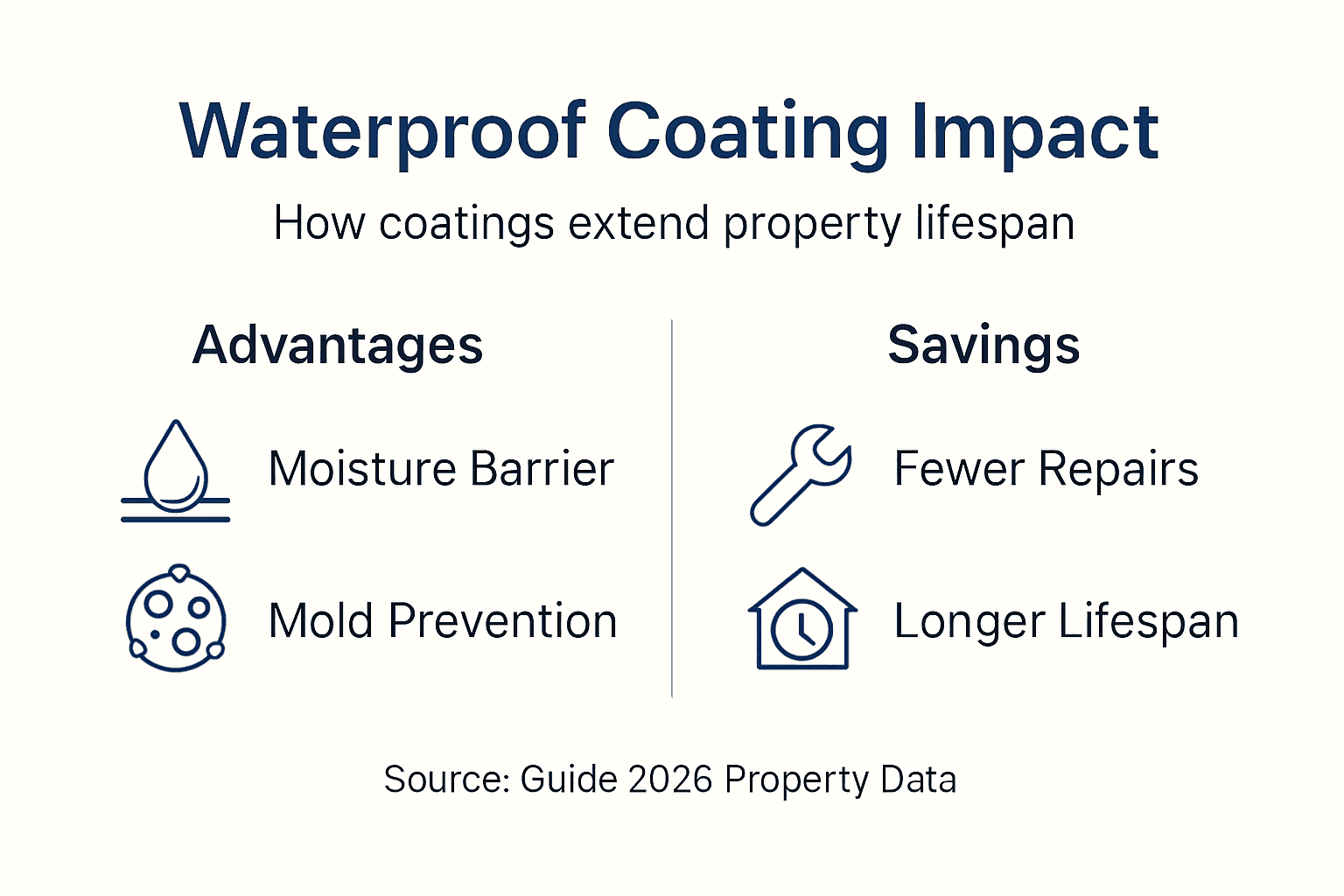
Properly applied waterproof coatings can add 10 to 20 plus years to property lifespan while slashing repair expenses. This financial benefit alone justifies investment in quality systems.
“Waterproof coatings form the first line of defence against moisture intrusion. When applied professionally with proper maintenance, they preserve structural integrity far beyond untreated buildings. We’ve documented cases where quality waterproofing extended commercial property lifespans by 25 years.” – Dr. Johan Venter, Building Science Researcher
A Johannesburg commercial building case illustrates these benefits. After comprehensive waterproofing in 2006, the property required only minor touch-ups through 2026. Comparable untreated buildings needed major structural repairs costing ten times more. The waterproofed building retained tenants and value while competitors struggled with moisture damage.
These coatings preserve investment value by preventing the cascading failures moisture causes. Water infiltration starts small but grows exponentially. Early protection stops problems before they begin. Understanding water damage prevention tips reinforces why proactive waterproofing makes economic sense.
Practical Guide for Property Owners
Taking action to waterproof your property requires systematic planning and execution. Follow these steps for optimal results:
- Assess current moisture issues by inspecting for stains, mold, or efflorescence indicating water intrusion
- Select coating materials matched to your climate zone, substrate type, and exposure conditions
- Hire licensed contractors with proven South African waterproofing experience and references
- Implement a maintenance plan with scheduled inspections and budgeted touch-up applications
- Document all work with photos and warranties for future reference and property value
When interviewing contractors, ask critical questions. Request proof of licensing, insurance, and warranties covering both materials and workmanship. Verify they conduct thorough surface preparation and use specified coating thicknesses. Watch for vague answers or pressure to skip important steps.
Recognising poor surface prep helps avoid disasters. Surfaces should be completely clean, dry, and repaired before coating application. Dusty, damp, or damaged substrates guarantee failure regardless of coating quality. Insist on seeing prep work completion before coating begins.
Pro Tip: Request written warranties covering at least 10 years for materials and 5 years for workmanship. Reputable contractors stand behind their work with comprehensive guarantees, while questionable operators offer minimal coverage.
Consulting how to select waterproofing contractors provides detailed guidance on evaluating professionals. Making informed choices about choosing waterproofing solutions ensures your investment delivers maximum protection and value.
Protect Your South African Property with Pro Waterproofing
Pro Waterproofing brings decades of South African experience to every project. We understand local climate challenges and building materials, tailoring solutions to your specific property needs. Our professional teams handle everything from initial assessment through ongoing maintenance, ensuring your waterproofing investment performs optimally for years.
We guide you through material selection, matching coatings to your exposure conditions and budget. Our licensed contractors follow rigorous surface preparation and application protocols, backed by comprehensive warranties. Whether you need residential roof protection or commercial building waterproofing, we deliver results you can trust.
Explore our resources on choosing waterproofing solutions and selecting a waterproofing contractor. Discover our expert residential waterproofing services designed specifically for South African homes. Contact us today to schedule your property assessment and protect your investment.
Frequently Asked Questions About Waterproof Coatings
What surfaces in South African homes benefit most from waterproof coatings?
Roofs, external walls, basements, and wet areas like bathrooms gain maximum protection from quality coatings. These surfaces face constant moisture exposure and suffer the most damage when unprotected. Balconies and terraces also benefit significantly.
How often should waterproof coatings be inspected and maintained?
Schedule professional inspections twice yearly, ideally before and after rainy seasons. Annual maintenance including cleaning and minor repairs extends coating lifespan dramatically. High-exposure areas may need more frequent attention.
Can waterproof coatings prevent mold entirely?
Coatings significantly reduce mold risk by blocking moisture that fungi need to grow. However, interior humidity and ventilation also affect mold development. Combining proper waterproofing with adequate ventilation provides best results.
Is it safe to apply waterproof coatings yourself?
DIY application risks poor surface preparation and incorrect coating thickness that compromise effectiveness. Professional contractors have training, equipment, and experience ensuring proper installation. Poor DIY jobs often cost more to fix than professional application costs initially.
What warranty coverage is typical for professional waterproofing services?
Reputable contractors offer 10 to 15-year material warranties and 5 to 10-year workmanship guarantees. Always get warranties in writing before work begins. Avoid contractors offering less than 5-year coverage, as this signals quality concerns.
Recommended
- Role of Waterproofing Coatings – Protecting South African Property
- 7 Essential Waterproofing Methods 2025 for South African Owners
- 7 Top Waterproofing Materials for Homes in 2025
- Concrete Waterproofing SA 2026: Stop 50% Structural Damage
- Water Resistant vs Waterproof Clothing – Choosing Right Workwear – WorkWearComfort