
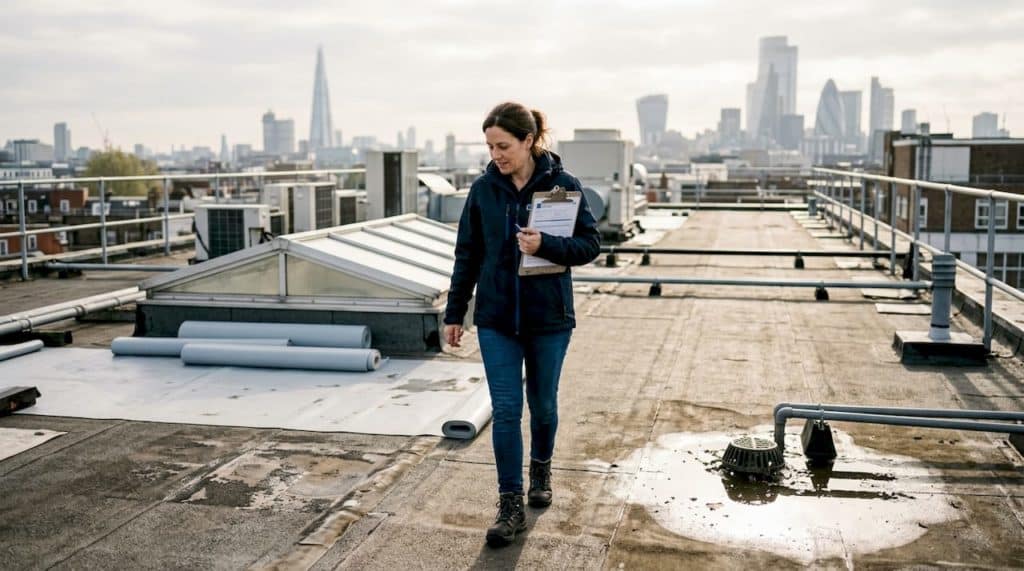
Choosing the right waterproof material can feel overwhelming when you’re trying to protect your property from South Africa’s unpredictable weather patterns. Heavy rains, intense UV exposure, and fluctuating temperatures demand materials that won’t fail when you need them most. This article provides a practical framework for evaluating waterproof materials, detailed examples of proven options, and clear comparisons to help you make confident decisions that protect your investment for years to come.
Table of Contents
- Key takeaways
- How to evaluate waterproof materials before choosing
- Common waterproof materials and their applications
- Comparing waterproof materials: performance and cost overview
- Choosing the right waterproof material for your property
- Pro Waterproofing services for lasting water protection
- Frequently asked questions
Key Takeaways
| Point | Details |
|---|---|
| Evaluation criteria | Choose waterproofing by substrate type, water exposure, climate resilience, movement flexibility, installation complexity and lifecycle cost. |
| Material options | Common choices include bituminous membranes, liquid membranes, PVC sheets and cementitious coatings, depending on area and climate. |
| Climate considerations | South Africa’s coastal and inland climates require materials that resist UV, humidity, salt spray and temperature fluctuations. |
| Durability and costs | Durability and lifecycle costs should guide material choice, as cheaper options may fail sooner and incur higher upkeep. |
| Installation and maintenance | Professional installation quality and regular maintenance extend waterproofing longevity and protect your investment. |
How to evaluate waterproof materials before choosing
Selecting effective waterproofing starts with understanding what your property actually needs. The substrate you’re protecting, whether concrete, masonry, or metal, directly influences which materials will bond properly and perform reliably. Water exposure levels matter equally. A basement facing constant groundwater pressure requires different protection than a balcony exposed to occasional rainfall.
South Africa’s climate variations demand careful consideration. Coastal properties battle salt spray and humidity, whilst inland areas face intense UV radiation and temperature swings. Your chosen material must withstand these specific environmental stresses without degrading prematurely. Selecting the right waterproof material depends on application area, climate, durability, and budget.
Durability determines how long your waterproofing investment lasts. Look for materials with proven track records in similar applications and climates. Flexibility becomes critical where structures experience movement or settling, particularly in newer buildings. UV resistance prevents breakdown from sun exposure, especially important for exposed roofs and exterior walls.
Key evaluation criteria include:
- Substrate compatibility and bonding strength
- Expected water exposure intensity and duration
- Climate resistance including UV, temperature extremes, and humidity
- Material flexibility to accommodate structural movement
- Installation complexity and labour requirements
- Lifecycle cost including maintenance and replacement timing
- Warranty coverage and manufacturer support
Cost effectiveness extends beyond initial purchase price. A cheaper material requiring replacement every five years costs more long term than a premium option lasting twenty years with minimal maintenance. Factor in application labour costs, as some materials demand specialised installation that increases total project expense.
Pro Tip: Consult professional waterproofing contractors for site assessments tailored to your property’s specific conditions. Their experience identifying hidden vulnerabilities and recommending appropriate materials often prevents costly mistakes and ensures optimal protection.
Common waterproof materials and their applications
Bituminous membranes represent one of the most established waterproofing solutions for South African properties. These petroleum based sheets come in modified bitumen formulations that enhance flexibility and durability. Bituminous membranes are widely used for roofs and foundations due to water resistance and durability. They excel in flat roof applications and below grade waterproofing where constant water pressure demands robust protection.
Bituminous membrane advantages:
- Excellent water resistance and proven longevity
- Strong adhesion to concrete and masonry substrates
- Resistant to root penetration for buried applications
- Available in self adhesive or torch applied varieties
Bituminous membrane limitations:
- UV degradation requires protective covering on exposed surfaces
- Installation demands skilled labour and proper surface preparation
- Limited flexibility in extreme cold temperatures
- Seam integrity depends heavily on installation quality
Liquid membranes offer versatility that sheet materials cannot match. These polymer based coatings cure to form seamless, monolithic barriers that conform to complex shapes and penetrations. Liquid membranes provide seamless, flexible waterproofing ideal for complex shapes and repairs. They work brilliantly for balconies, planter boxes, and areas with multiple pipes or fixtures where cutting and fitting sheet membranes becomes impractical.
Liquid membrane strengths:
- Seamless application eliminates vulnerable joints
- Excellent flexibility accommodates structural movement
- Easy application around penetrations and details
- Self levelling properties ensure uniform thickness
Liquid membrane considerations:
- Multiple coats required to achieve specified thickness
- Application timing depends on weather conditions
- Substrate preparation critical for proper adhesion
- Some formulations emit strong odours during curing
PVC and TPO sheets provide durable solutions for large scale waterproofing projects. These thermoplastic membranes resist UV degradation, chemicals, and biological growth whilst maintaining flexibility across wide temperature ranges. Commercial buildings and industrial facilities frequently specify these materials for their longevity and minimal maintenance requirements.
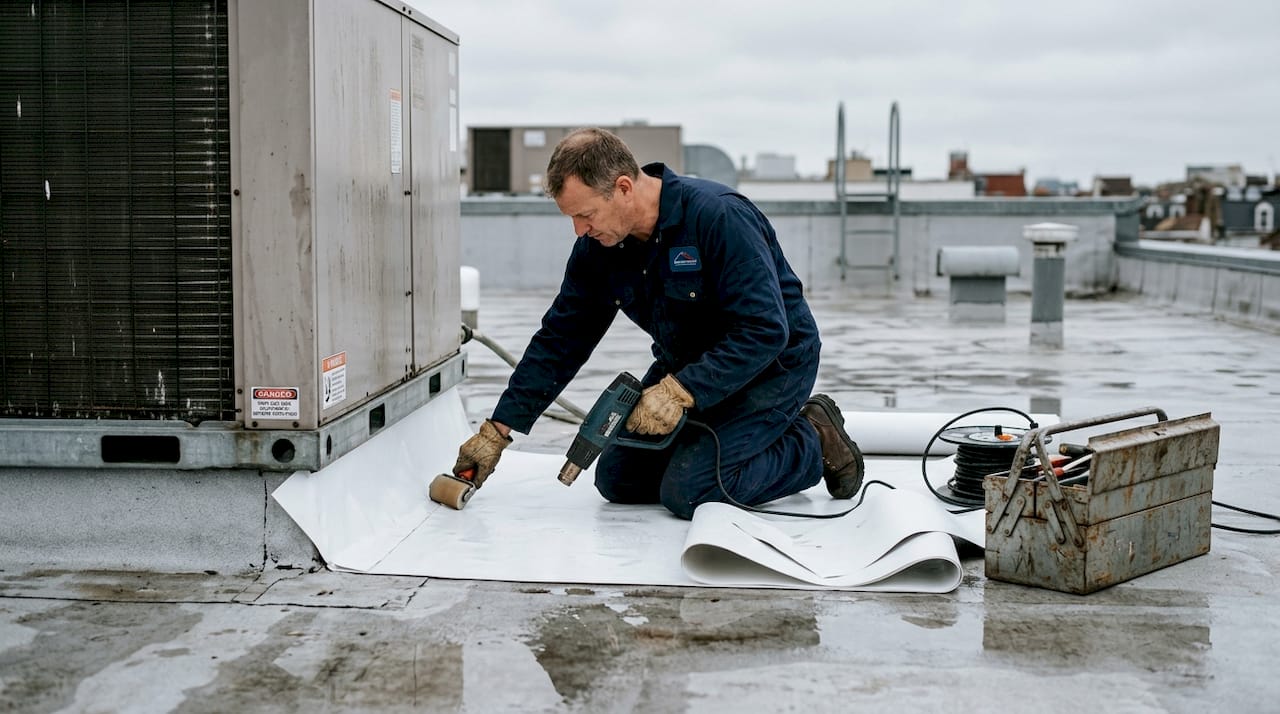
Cementitious coatings bring simplicity to interior waterproofing applications. Cementitious coatings are easy to apply for basements and wet areas, offering robust protection. Mixed with water to form a slurry, they brush or spray onto concrete and masonry surfaces to create a crystalline barrier that blocks water whilst allowing vapour transmission. Bathrooms, basements, and water tanks commonly use these affordable, reliable coatings.
Comparing waterproof materials: performance and cost overview
Understanding how materials stack up against each other helps you balance performance needs with budget realities. Different waterproof materials vary significantly in cost, lifespan, and maintenance requirements. The following comparison highlights key differences to inform your decision.
| Material | Durability | Installation cost | Maintenance | Best use cases |
|---|---|---|---|---|
| Bituminous membranes | 15 to 25 years | Moderate to high | Low, inspect seams annually | Flat roofs, foundations, below grade walls |
| Liquid membranes | 10 to 20 years | Moderate | Low, recoat high traffic areas | Balconies, complex details, repairs |
| PVC/TPO sheets | 20 to 30 years | High | Very low | Commercial roofs, large flat surfaces |
| Cementitious coatings | 8 to 15 years | Low to moderate | Moderate, reapply as needed | Interior wet areas, basements, tanks |
Bituminous membranes deliver excellent value for traditional applications where their proven performance justifies moderate upfront costs. Installation requires skilled labour and proper surface preparation, but once correctly applied, they demand minimal attention beyond periodic inspections. Their longevity makes them cost effective over the building lifecycle.
Liquid membranes balance versatility with reasonable pricing. Whilst multiple coats increase labour time, their ability to waterproof complex geometries without seams often saves money compared to cutting and fitting sheet materials. High traffic areas may need recoating every eight to ten years, but protected applications last considerably longer.
PVC and TPO sheets command premium prices but deliver exceptional durability with virtually no maintenance. Their upfront cost makes them less attractive for residential projects, yet commercial applications benefit from decades of reliable service. Heat welded seams create watertight bonds stronger than the membrane itself. Bituminous roofing comparison studies show that lifecycle value often exceeds initial investment.
Cementitious coatings offer the most accessible entry point for property owners on tight budgets. Their straightforward application reduces labour costs, and DIY capable homeowners can tackle smaller projects themselves. Shorter lifespans mean more frequent reapplication, but low material costs keep total ownership expenses reasonable for interior applications.
Pro Tip: Calculate lifecycle cost by dividing total expense including installation and maintenance by expected years of service. A material costing twice as much but lasting three times longer delivers better value than the cheaper alternative.
Choosing the right waterproof material for your property
Transforming knowledge into action requires a systematic approach that matches materials to your specific situation. Follow these steps to select waterproofing that protects your property effectively whilst respecting your budget.
-
Assess your property’s waterproofing needs by identifying all areas requiring protection. Document current water intrusion problems, vulnerable locations, and substrate types. Consider future plans that might affect waterproofing requirements, such as landscaping changes or building extensions.
-
Evaluate environmental factors affecting your location. Coastal properties face different challenges than inland sites. Measure sun exposure on roofs and walls to gauge UV resistance requirements. Review local rainfall patterns and drainage conditions that influence water pressure on waterproofing systems.
-
Shortlist materials matching your substrate and exposure conditions. Reference the waterproofing materials list to identify options suitable for your application. Eliminate materials incompatible with your substrate or unable to withstand your climate conditions.
-
Compare lifecycle costs for remaining options using the performance data and cost overview provided earlier. Factor in your property’s expected lifespan and your plans for ownership. A material lasting five years beyond your planned sale date wastes money, whilst one failing before you sell damages property value.
-
Consult qualified waterproofing professionals for site specific recommendations. Proper material selection combined with professional application ensures lasting protection. Contractors familiar with local conditions provide insights that generic product information cannot match. They identify installation challenges and recommend solutions before problems arise.
-
Verify contractor credentials and review their experience with your chosen material. Select waterproofing contractors who demonstrate proven expertise and offer comprehensive warranties. Proper installation matters as much as material quality, so choose applicators who follow manufacturer specifications precisely.
-
Plan ongoing maintenance to maximise your waterproofing investment. Establish inspection schedules and budget for minor repairs before they escalate into major failures. Understanding waterproofing maintenance importance helps you protect your property long term.
Correct installation fundamentally determines waterproofing success regardless of material quality. Surface preparation removes contaminants and creates proper bonding conditions. Application techniques must follow manufacturer specifications for thickness, overlap, and curing times. Shortcuts during installation create vulnerabilities that compromise even premium materials.
Maintenance extends waterproofing lifespan significantly. Annual inspections identify minor issues before water penetration causes structural damage. Clean drainage systems prevent water accumulation that overloads waterproofing capacity. Address small repairs promptly rather than waiting for catastrophic failure requiring complete system replacement.
Pro Waterproofing services for lasting water protection
Protecting your property demands more than selecting the right material. It requires expert assessment, precise installation, and ongoing support to ensure your waterproofing performs as intended. Pro Waterproofing brings decades of experience applying diverse waterproofing solutions across South African properties facing unique climate challenges.
Our team evaluates your property’s specific conditions to recommend materials that deliver optimal protection within your budget. We install bituminous membranes, liquid membranes, PVC systems, and cementitious coatings with meticulous attention to surface preparation and application standards. Every project receives comprehensive warranties backed by our commitment to quality workmanship and durable results.
Whether you’re waterproofing a new construction, repairing failed systems, or upgrading existing protection, Pro Waterproofing services provide customised solutions that safeguard your investment. Contact us for a professional assessment and detailed quote tailored to your property’s waterproofing needs.
Frequently asked questions
What factors affect waterproof material durability in South Africa?
Climate conditions including UV intensity, temperature fluctuations, and rainfall patterns directly impact material lifespan. Coastal salt exposure accelerates degradation of certain materials, whilst inland properties face extreme temperature swings. Proper material selection matching local conditions combined with correct installation and maintenance determines actual durability. Best waterproofing materials for your region account for these environmental stresses.
How do costs compare between different waterproof materials?
Cementitious coatings offer the lowest initial cost, typically ranging from affordable to moderate depending on application complexity. Bituminous membranes and liquid membranes fall in the moderate price range, whilst PVC and TPO sheets command premium pricing. However, lifecycle cost calculations often reveal that more expensive materials deliver better value through extended service life and reduced maintenance requirements.
Is professional installation necessary for best results?
Professional installation ensures correct surface preparation, proper application techniques, and adherence to manufacturer specifications that determine waterproofing success. Whilst some simple cementitious coating applications suit capable DIY homeowners, most waterproofing systems require specialised knowledge and equipment. Poor installation voids warranties and creates vulnerabilities that compromise even premium materials, making professional application a wise investment.
Can liquid membranes be used on all types of properties?
Liquid membranes suit residential, commercial, and industrial properties across diverse applications. They excel on complex surfaces, detailed areas, and repairs where seamless coverage provides advantages. Liquid membranes provide excellent flexibility and are suitable for complex shapes but may not always be ideal for large flat roofs. Consult professionals to determine if liquid membranes match your specific substrate and exposure conditions.
How often should waterproofing materials be inspected or maintained?
Regular inspection at least annually and after severe weather helps identify issues early to maintain waterproofing integrity. Coastal properties and those with heavy water exposure benefit from bi annual inspections. Address minor damage immediately to prevent water penetration that causes expensive structural repairs. Clean drainage systems and remove debris that could compromise waterproofing performance. Understanding waterproofing maintenance importance protects your investment long term.
What budget friendly waterproofing options are available for homeowners?
Cementitious coatings and some bituminous membranes offer affordable waterproofing solutions without sacrificing essential protection. Cementitious products work well for interior applications like bathrooms and basements where DIY installation is feasible. Modified bitumen membranes provide cost effective roof and foundation waterproofing when professionally installed. Professional contractors help you balance budget constraints with performance requirements to select materials delivering reliable protection at reasonable cost.
Recommended
- Commercial waterproofing checklist to protect your building in 2026
- Waterproof Coatings Extend SA Properties 20%: Guide 2026
- 7 Best Waterproofing Materials 2025 for Property Owners
- 7 Key 2025 Waterproofing Trends South Africa Homeowners Must Know
- 7 Key Benefits of Roof Insulation for Multi-Family Buildings