
TL;DR:
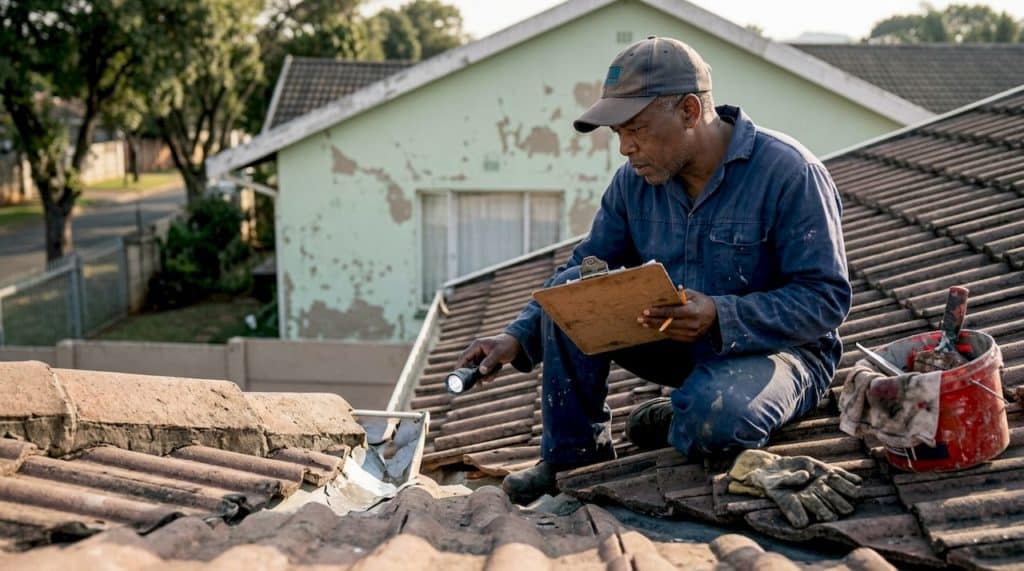
- Water leaks cause nearly 40% of structural damage in South African homes annually.
- Proper waterproofing is a legal requirement and essential for property value and safety.
- Regular assessment, professional installation, and maintenance prevent costly damage and repairs.
Water leaks cause nearly 40% of structural damage in South African homes annually, yet most property owners only act once ceilings are stained or walls are crumbling. The assumption that waterproofing is only relevant for old or visibly damaged buildings is one of the most expensive misconceptions in property management. Damage begins long before you see it, quietly eating into structural integrity and property value. In this article, we walk you through the evidence-based best practices every South African property owner and manager needs to know, from understanding the financial stakes to navigating regulations, choosing the right system, and following a proven methodology.
Table of Contents
- Understanding why waterproofing matters
- Key regulations and standards for waterproofing in South Africa
- Waterproofing versus damp proofing: What you must know
- The step-by-step methodology for effective waterproofing
- Our perspective: Why proactive waterproofing is your most valuable investment
- Protect your property with expert waterproofing
- Frequently asked questions
Key Takeaways
| Point | Details |
|---|---|
| Early action saves money | Proactive waterproofing and inspections prevent costly repairs and value loss. |
| Use qualified professionals | Only certified installers using SANS-compliant systems provide long-lasting results and legal protection. |
| Know the differences | Distinguish between damp proofing and waterproofing to avoid mismatched solutions and future risks. |
| Follow the full process | Successful waterproofing relies on thorough assessment, preparation, installation, and routine maintenance. |
Understanding why waterproofing matters
Water damage is not just an inconvenience. It is a financial and structural threat that compounds quietly over time. If you manage or own property in South Africa, the numbers are stark: water damage accounts for up to 80% of building maintenance costs when waterproofing fails. That is not a minor budget line item. That is the difference between a well-maintained asset and a liability.
Property values can drop by up to 30% when water damage is discovered during a sale or valuation. Buyers and valuers discount heavily for moisture problems, and rightfully so. Structural repairs, mould remediation, and insurance complications all add up fast. Waterproofing failure examples from across South Africa consistently show that what starts as a hairline crack or a poorly sealed joint can escalate into a R100,000 repair bill within a few seasons.
Here is what makes water damage particularly dangerous:
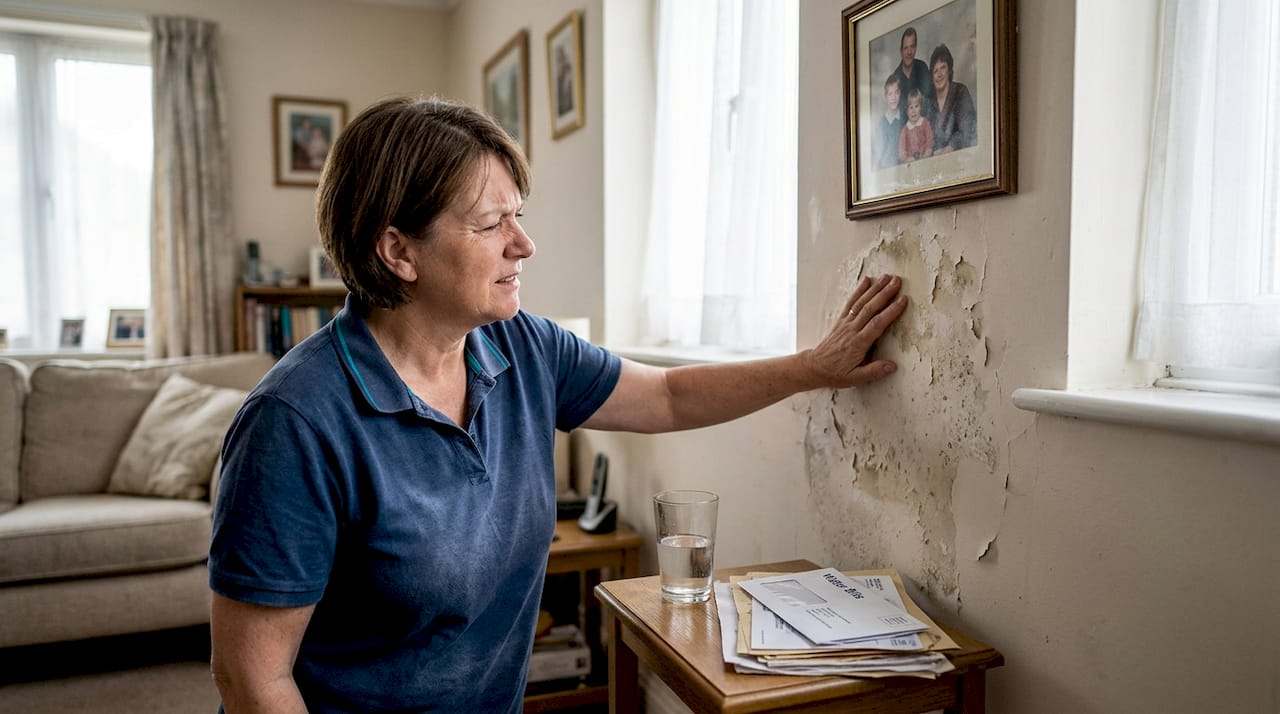
- It is invisible at first. Moisture infiltrates concrete, masonry, and timber long before any visible signs appear.
- It accelerates mould growth. Mould poses serious health risks to occupants and is extremely costly to remediate.
- It voids insurance claims. Many insurers reject claims where maintenance neglect is evident.
- It disrupts occupancy. Tenants and commercial occupants may vacate or seek rent reductions when leaks emerge.
“The most expensive waterproofing job is the one you delay. By the time you see the damage, you are already paying for years of neglect.”
The good news is that why waterproofing matters becomes very clear once you understand the return on investment. A professional waterproofing system installed correctly can cost a fraction of what reactive repairs demand. Spending R8,000 to R15,000 on a quality roof waterproofing application now is far more sensible than facing a R120,000 structural repair in three years. Prevention is not just smart. It is financially essential.
Key regulations and standards for waterproofing in South Africa
Waterproofing in South Africa is not simply a matter of good practice. It is a legal requirement. SANS 10400-Part L mandates that roof waterproofing systems must be installed by competent professionals, and this standard forms part of the National Building Regulations. Ignoring it does not just risk your building. It risks your insurance cover, your occupancy certificate, and potentially your legal standing as a property owner.
The Damp-Proofing and Waterproofing Association of Southern Africa (DWASA) plays a key role in upholding industry standards across the sector. DWASA-affiliated contractors are trained to apply systems that comply with current legislation, and engaging one significantly reduces your exposure to non-compliance risk.
Here is a practical overview of how SANS requirements translate into action:
| SANS 10400-Part L requirement | Practical step for property owners |
|---|---|
| Competent person must install system | Hire a DWASA-registered or certified contractor |
| Appropriate system for substrate type | Specify membrane type in writing before work begins |
| Compliance documentation required | Request a completion certificate and warranty on completion |
| Maintenance obligations exist | Schedule biannual inspections and keep records |
The 2026 waterproofing standards continue to reinforce these obligations, with greater emphasis on documentation and professional accountability. Non-compliance can result in insurance claim rejections, failed building inspections, and personal liability if a tenant or visitor is harmed due to structural water damage.
Key obligations to keep in mind:
- Always obtain written proof of contractor qualifications.
- Ensure your contractor provides a signed warranty and compliance certificate.
- Keep maintenance records as part of your property file.
- Review your insurance policy to confirm waterproofing compliance is required.
Waterproofing versus damp proofing: What you must know
One of the most common and costly mistakes property owners make is using the terms waterproofing and damp proofing interchangeably. They are not the same thing, and applying the wrong system to the wrong surface leads to premature failure and unnecessary expense.
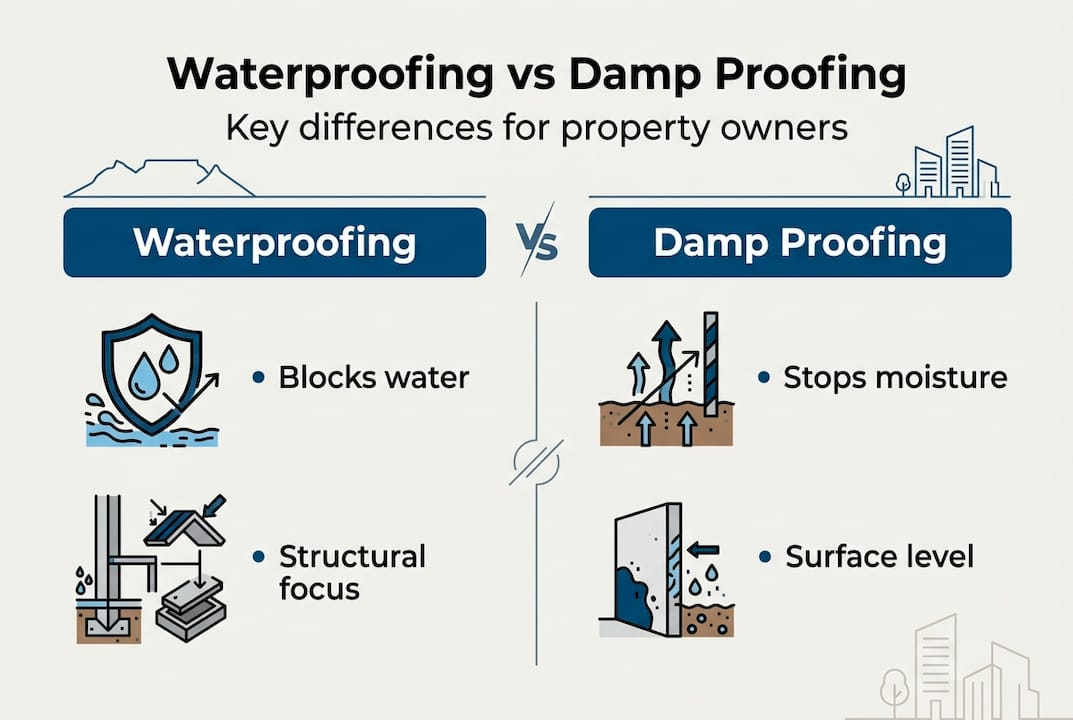
Damp proofing deals with vapour moisture above ground level, while waterproofing is designed to resist liquid water and hydrostatic pressure, whether above or below ground. Using a damp proof course on a basement wall that faces groundwater pressure, for example, will fail quickly and expensively.
| Feature | Damp proofing | Waterproofing |
|---|---|---|
| Moisture type addressed | Vapour/humidity | Liquid water and pressure |
| Typical application | Above-ground walls | Roofs, basements, wet areas |
| Material examples | Bitumen emulsion, DPC membrane | Torch-on membrane, liquid membrane |
| Failure risk if misapplied | Persistent damp, mould | Structural water ingress, flooding |
To identify which system your property needs, follow these steps:
- Identify the moisture source. Is it condensation, rising damp, or direct water ingress?
- Assess the location. Below-ground areas always require full waterproofing.
- Check for hydrostatic pressure. Roofs and basements face water pressure and need waterproofing membranes.
- Inspect existing systems. A competent contractor can test what is in place and whether it is appropriate.
- Specify in writing. Always document which system is being applied and why.
Pro Tip: Never accept a vague proposal that refers only to a “general moisture solution.” Insist that your contractor specifies whether they are applying a damp proofing or a waterproofing system, the exact materials being used, and the expected service life. This protects you legally and practically. For more detail, review the damp proofing vs waterproofing comparison and the role of damp proofing in South African buildings.
The step-by-step methodology for effective waterproofing
Knowing what system you need is only half the battle. How it is applied determines whether it lasts five years or twenty. Assessment, preparation, material selection, precise application, thorough testing, and biannual maintenance are the core steps that separate a durable installation from a costly patchjob.
Here is the proven methodology:
- Assessment and inspection. A competent contractor surveys the entire structure, identifies moisture entry points, and documents existing damage. This step cannot be skipped.
- Surface preparation. All loose material, contaminants, and existing failed coatings must be removed. Poor prep is the single biggest cause of premature waterproofing failure.
- Material selection. The correct membrane or coating is chosen based on substrate type, exposure conditions, and budget. Explore the range of waterproofing methods to understand your options.
- Multi-layered application. Professional systems involve primer coats, reinforcing layers, and topcoats. Single-coat applications rarely provide lasting protection.
- Testing and inspection. Flood testing, moisture readings, and visual checks confirm the system is performing before the site is handed back.
- Biannual maintenance. Twice-yearly inspections catch early deterioration before it becomes a leak. Learn how to identify waterproofing failures early to protect your investment.
Red flags to watch for during any waterproofing project:
- Contractor skips surface preparation or rushes it.
- Only one coat is applied where multiple are specified.
- No testing is carried out before completion.
- Written warranty is not provided.
- Contractor cannot produce proof of qualifications or insurance.
Pro Tip: Before work begins, ask your contractor for a written maintenance plan alongside the warranty. A credible professional will provide both without hesitation. If they cannot, that tells you everything you need to know.
Our perspective: Why proactive waterproofing is your most valuable investment
Here is something the industry rarely says plainly: most property owners only discover the value of waterproofing after it has failed them. By then, the disruption, cost, and stress are already in motion. The typical waterproofing failures we see across South African properties share one common thread. They were all preventable.
Every R10 invested proactively in professional waterproofing can realistically save R100 in future structural repairs, mould remediation, and insurance complications. That ratio is not marketing language. It reflects the real cost difference between a scheduled maintenance visit and a full structural intervention.
What gets overlooked most often is the compounding value of professional installation combined with biannual inspections. No DIY product or reactive patchjob replicates this. Credentials, compliance with SANS standards, and written warranties are not bureaucratic formalities. They are the foundation of an investment that protects your property value, your occupants’ health, and your peace of mind for years to come. Prevention is not a cost. It is the smartest return available in property maintenance.
Protect your property with expert waterproofing
If this article has made one thing clear, it is that waterproofing is not a task to defer or delegate to the cheapest quote. It is a technical, regulated, and high-stakes discipline that demands qualified professionals.
Pro Waterproofing connects South African property owners and managers with certified, warranty-backed specialists across residential, commercial, and industrial properties. Whether you need a full roof membrane system, basement waterproofing, or a professional assessment to understand what your building actually requires, our network of credentialled contractors is ready to help. Reach out today to arrange an inspection and get a transparent, compliant quote that protects your property for the long term.
Frequently asked questions
How often should waterproofing be inspected or renewed?
Biannual maintenance is recommended for all waterproofing systems, with major renewal typically required every 5 to 10 years depending on exposure conditions and the system used.
What are the warning signs of waterproofing failure?
Damp patches, bubbling paint, musty odours, and water stains are the most common early indicators. Knowing how to identify waterproofing failures early can prevent minor issues from becoming major structural problems.
Why can’t I simply use paint-on products from the hardware store?
Hardware store products are rarely durable enough or compliant with South African standards. Professional installation is critical for long-term performance, and DIY applications often mask underlying structural issues rather than resolving them.
Is waterproofing installation legally required for all buildings?
Yes. SANS 10400-Part L mandates professional waterproofing systems for roofs, walls, and basements, and all work must be carried out by a competent person to comply with South Africa’s National Building Regulations.
Recommended
- Industry standards waterproofing: protect South African properties
- 7 Essential Waterproofing Methods 2025 for South African Owners
- Complete waterproofing checklist for South African owners
- Comparing waterproofing methods for South African properties
- How Spring Rain Turns Leaky Basements Into Hazards