
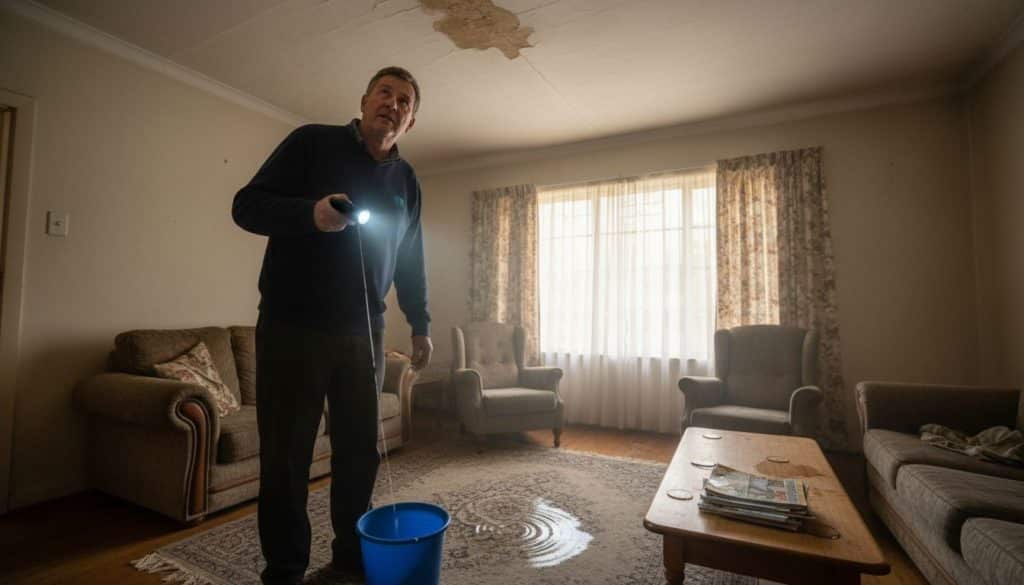
Waterproofing failure is not just a concern for ageing buildings—over 40 percent of british properties face moisture intrusion issues at some stage. This growing problem leaves homes and businesses across the United Kingdom vulnerable to hidden costs and lasting damage. Understanding exactly how and why waterproofing systems break down helps property owners take smarter steps to protect both their investments and long-term structural safety.
Table of Contents
- What Is Waterproofing Failure? Core Concepts
- Common Types And Typical Warning Signs
- Key Causes Behind Waterproofing Problems
- Risks And Consequences For Properties
- Preventing And Addressing Waterproofing Issues
Key Takeaways
| Point | Details |
|---|---|
| Understanding Waterproofing Failure | Waterproofing failure is a critical risk that can lead to significant property damage and loss of structural integrity due to water infiltration. |
| Common Indicators | Visible signs such as damp patches, paint bubbling, and mould growth indicate potential waterproofing issues that require immediate attention. |
| Key Causes | Poor installation practices, inadequate drainage, and material degradation are primary drivers of waterproofing problems, necessitating regular professional inspections. |
| Proactive Maintenance | Regular assessments and high-quality materials are essential for effective waterproofing, ensuring long-term protection for property structures. |
What Is Waterproofing Failure? Core Concepts
Waterproofing failure represents a critical structural vulnerability where a building’s protective water-resistant mechanisms break down, potentially causing extensive property damage. When water barriers become compromised, moisture can penetrate critical structural elements, leading to substantial long-term risks. Traditional membrane systems have inherent design limitations that can create potential water entry points if not professionally managed.
Waterproofing failure occurs through multiple mechanisms, typically involving material degradation, improper installation techniques, or structural movement. Buildings experience these failures when protective barriers lose their integrity, allowing water to infiltrate walls, foundations, and internal spaces. Common indicators include visible moisture patches, paint bubbling, wall staining, and unexplained dampness in seemingly sealed areas.
The consequences of waterproofing failure extend far beyond surface-level aesthetic concerns. Persistent moisture intrusion can compromise structural integrity, promote dangerous mould growth, reduce property value, and create significant repair expenses. Waterproofing failures can result from moisture penetration through laps, seams, and inadequate installation processes, requiring professional intervention to diagnose and rectify potential structural risks.
Key factors contributing to waterproofing failure include:
- Poor initial installation techniques
- Use of substandard waterproofing materials
- Lack of regular maintenance and inspection
- Structural settlement and movement
- Age-related material degradation
- Extreme weather conditions and environmental stress
Property owners must understand that waterproofing is not a one-time solution but an ongoing protective strategy requiring periodic professional assessment and targeted interventions.
Common Types And Typical Warning Signs
Waterproofing failures manifest in multiple complex forms, each presenting unique challenges for property owners. Common types of waterproofing problems include membrane deterioration, ponding water, and cracked roof tiles, which can significantly compromise structural integrity. These failures often develop gradually, making early detection critical for preventing extensive damage.
Structural membrane failures represent one of the most prevalent waterproofing issues. These occur when protective layers break down, allowing moisture to penetrate building materials. Warning signs include visible surface changes such as bubbling, blistering, unexplained dampness, and recurring water stains on interior walls or ceilings. Horizontal and vertical surfaces can both experience these vulnerabilities, with each area requiring specific diagnostic approaches.
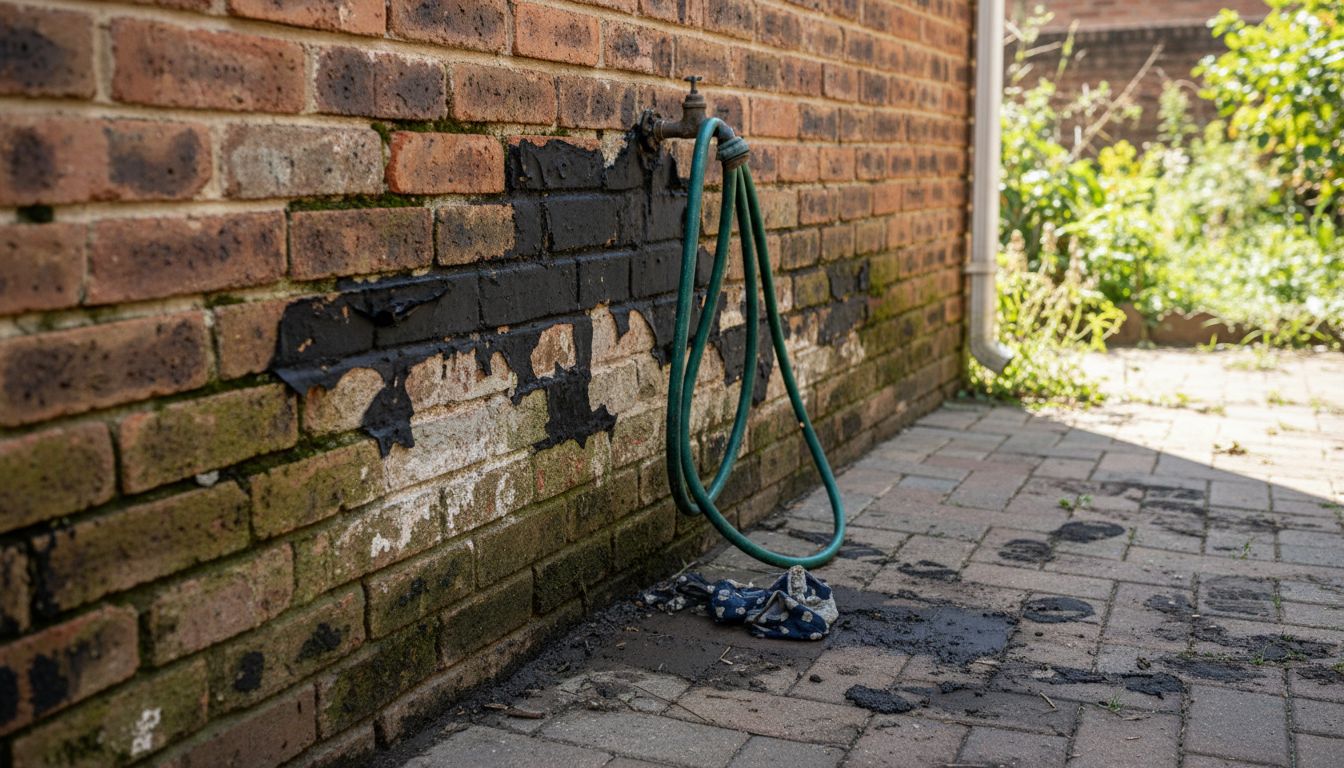
The spectrum of waterproofing failures extends beyond surface indicators, encompassing deeper structural concerns. Foundation-level water infiltration can cause significant long-term damage, potentially compromising load-bearing structures. Typical warning signs include persistent musty odours, white mineral deposits on walls (efflorescence), unexplained wall cracks, and areas of persistent dampness that do not respond to surface treatments.
Key waterproofing failure types include:
- Membrane deterioration
- Structural cracking
- Water ponding
- Inadequate surface sealing
- Compromised joint connections
- Material degradation
Property owners should conduct regular professional inspections, understanding that waterproofing challenges require proactive monitoring and targeted interventions to prevent escalating structural risks.
Key Causes Behind Waterproofing Problems
Waterproofing challenges often stem from multiple interconnected structural and environmental factors, with some causes being more prevalent than others. Primary causes of waterproofing problems include improper application, structural movement leading to cracks, and inadequate drainage systems that allow water to pool and exert significant pressure on protective materials.
Structural movement represents a critical underlying cause of waterproofing failures. Buildings naturally experience subtle shifts due to soil settlement, temperature fluctuations, and foundation stress. These movements create microscopic fractures in waterproofing membranes, gradually compromising their protective capabilities. Such structural dynamics can transform seemingly robust waterproofing systems into vulnerable entry points for moisture, leading to progressive deterioration.
Material selection and installation quality play pivotal roles in determining long-term waterproofing effectiveness. Substandard materials, inappropriate application techniques, and insufficient surface preparation can dramatically reduce a waterproofing system’s resilience. Environmental factors such as extreme temperature variations, persistent humidity, and aggressive chemical exposures further accelerate material degradation, creating additional stress on protective barriers.
Key root causes of waterproofing problems include:
- Inadequate surface preparation
- Poor material quality
- Incorrect installation techniques
- Structural settlement and ground movement
- Insufficient drainage systems
- Extreme environmental conditions
- Lack of regular maintenance
- Chemical degradation of waterproofing materials
Property owners must recognise that waterproofing is a complex technical process requiring professional expertise, precise material selection, and ongoing maintenance to ensure long-term structural protection.
Risks And Consequences For Properties
Waterproofing failures pose substantial risks to property structural integrity and financial value, with consequences extending far beyond superficial damage. Water infiltration can cause extensive damage to insulation, timber structures, and interior fixtures, potentially resulting in catastrophic and costly structural degradation.
Structural deterioration represents the most significant long-term consequence of persistent waterproofing failures. Continuous moisture penetration gradually weakens critical building materials, compromising load-bearing elements and creating potentially dangerous structural instabilities. Timber frameworks become susceptible to rot, concrete experiences accelerated corrosion of internal reinforcement, and foundational structures can develop critical fissures that undermine entire property stability.
Beyond physical structural risks, waterproofing failures generate substantial financial implications for property owners. Unaddressed moisture intrusion can dramatically reduce property market value, trigger extensive repair expenses, and potentially invalidate property insurance claims. Secondary consequences include accelerated mould growth, which creates significant health risks for occupants and requires specialised remediation processes that can prove exceptionally expensive.
Key risks associated with waterproofing failures include:
- Structural material degradation
- Compromised building integrity
- Reduced property market value
- Increased maintenance and repair costs
- Health risks from mould proliferation
- Potential foundation damage
- Electrical system vulnerabilities
- Compromised thermal insulation
Property owners must recognise that proactive waterproofing maintenance represents a critical investment in protecting both structural integrity and long-term property value.
Preventing And Addressing Waterproofing Issues
Proactive waterproofing strategies represent the most effective approach to protecting property infrastructure. Preventative measures include precise application of waterproofing systems, ensuring comprehensive drainage, and selecting premium quality materials, with regular professional inspections serving as a critical defence mechanism against potential failures.
Professional assessment forms the cornerstone of effective waterproofing prevention. Skilled technicians conduct comprehensive evaluations identifying potential vulnerabilities before they escalate into significant structural challenges. These inspections involve detailed examination of existing waterproofing membranes, drainage systems, structural joints, and potential entry points for moisture, allowing targeted interventions that address underlying issues before they compromise building integrity.
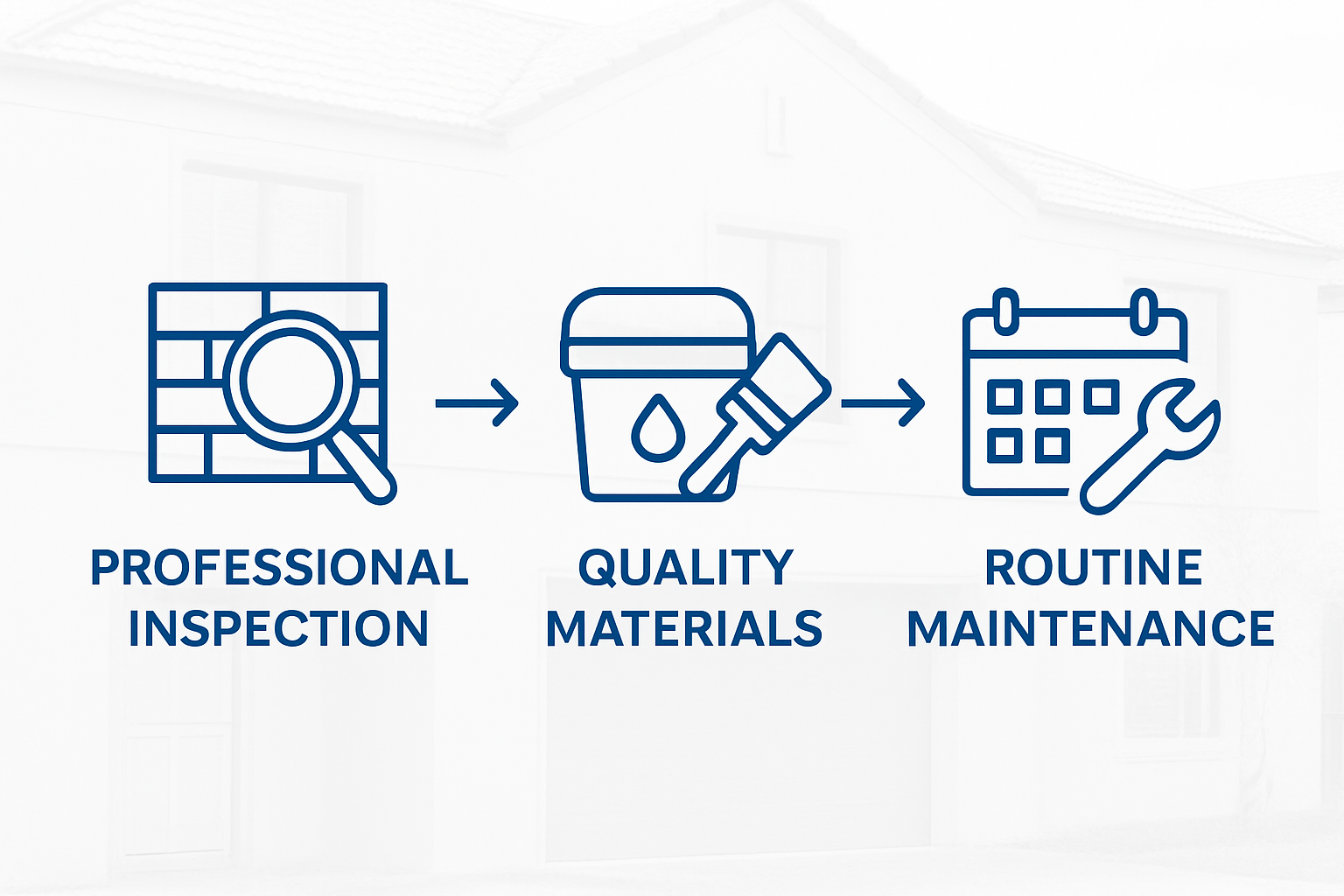
Avoiding common waterproofing mistakes requires meticulous attention to technical details and environmental conditions. Critical prevention strategies include selecting appropriate waterproofing materials matched to specific structural requirements, implementing robust drainage solutions, and maintaining strict application standards. Property owners must pay particular attention to surface preparation, weather conditions during application, and ongoing maintenance protocols that preserve the protective barrier’s long-term effectiveness.
Key preventative waterproofing strategies include:
- Conducting regular professional inspections
- Using high-quality waterproofing materials
- Implementing comprehensive drainage solutions
- Addressing structural cracks immediately
- Preparing surfaces correctly before application
- Monitoring moisture-prone areas consistently
- Applying waterproofing during optimal weather conditions
- Maintaining proper surface gradient for water runoff
Successful waterproofing demands a holistic approach combining technical expertise, quality materials, and proactive maintenance to safeguard property structural integrity.
Protect Your South African Property From Costly Waterproofing Failures
Waterproofing failure can undermine your property’s structural integrity and cause serious issues like mould growth, damp patches, and expensive repairs. Understanding the root causes such as membrane deterioration, poor installation, and inadequate drainage is the first step to safeguarding your investment. If you want to avoid these costly risks, professional waterproofing is essential. For detailed insights and expert solutions, explore our resource-rich Uncategorized – Pro Waterproofing section.
Don’t wait until the damage is visible. Visit Pro Waterproofing today for trusted, expert advice and tailored waterproofing services designed for South African homes and businesses. Take charge now and ensure your property stays dry and protected with our professional assessments, premium materials, and effective repair strategies. Start your waterproofing journey by contacting our specialists for a consultation and quote at Pro Waterproofing.
Frequently Asked Questions
What is waterproofing failure?
Waterproofing failure occurs when a building’s protective water-resistant mechanisms are compromised, allowing moisture to penetrate critical structural elements, leading to potential long-term damage.
What are the common signs of waterproofing failure?
Common signs include visible moisture patches, paint bubbling, wall staining, unexplained dampness in sealed areas, and persistent musty odours.
What causes waterproofing failures?
Key causes include improper installation techniques, use of substandard materials, lack of maintenance, structural movement, extreme weather conditions, and inadequate drainage systems.
How can I prevent waterproofing failure in my property?
Regular professional inspections, using high-quality waterproofing materials, implementing effective drainage solutions, and consistent maintenance are essential strategies to prevent waterproofing failure.
Recommended
- Waterproofing Failures Explained: Causes and Prevention
- What Is a Waterproofing Inspection and Why It Matters
- Understanding the Importance of Waterproofing in South Africa – Pro Waterproofing
- What Is Liquid Waterproofing and How It Protects Properties
- 7 Essential Civil Engineering Services List for Property Owners – FloridaLicensedEngineers.com
- 7 Key Steps for a Complete Residential Inspection Checklist – Texas Licensed Engineers | Residential & Commercial