
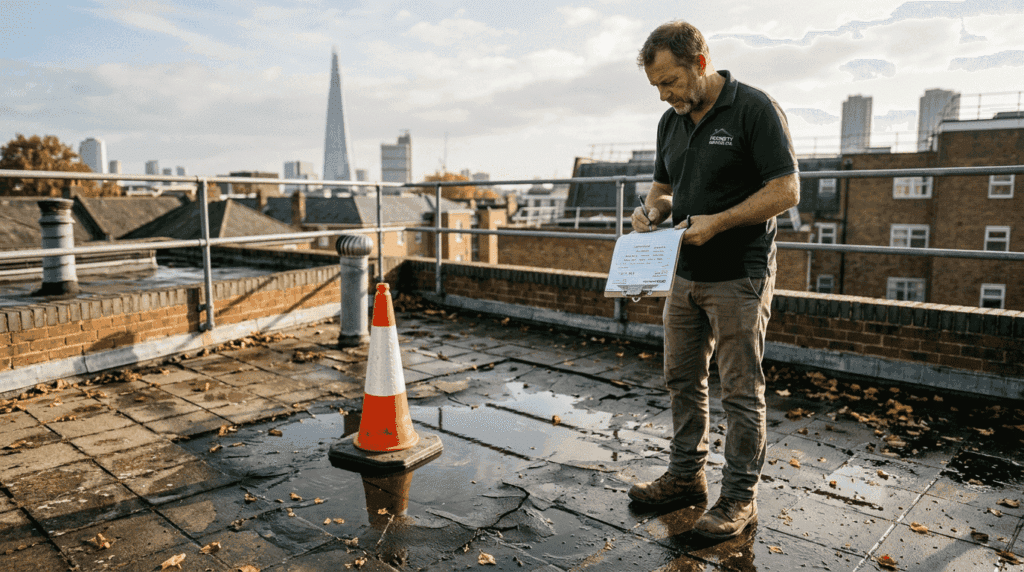
Waterproofing failures create unexpectedly high costs for South African property owners, with building defects causing substantial societal expenses each year. Many failures stem from avoidable issues like neglected maintenance and exceeded material lifespans rather than complex technical problems. Understanding specific failure examples empowers you to recognise warning signs early, prevent expensive structural repairs, and make informed decisions about waterproofing maintenance and contractor selection.
Table of Contents
- Common Examples Of Waterproofing Failures In Property Management
- Underlying Causes And Risks Of Waterproofing System Failures
- Early Signs Of Waterproofing Failure And Why Detection Matters
- The Role Of Standards And Professional Expertise In Preventing Failures
- Protect Your Property With Expert Waterproofing Services
Key takeaways
| Point | Details |
|---|---|
| Waterproofing failures cause substantial structural damage and repair costs | Defects create high expenses for property owners and society through extensive remediation work |
| Most failures result from preventable maintenance neglect or aged materials | Regular cleaning, inspection, and timely replacement prevent the majority of waterproofing issues |
| Early detection of warning signs prevents costly emergency repairs | Spotting damp stains, mould, or pooling water allows intervention before major damage occurs |
| Professional expertise and standards compliance ensure durable waterproofing | Certified specialists following South African regulations deliver reliable, long-lasting protection |
| Understanding common failure types guides effective property maintenance | Knowledge of typical issues helps prioritise inspections and allocate maintenance budgets wisely |
Common examples of waterproofing failures in property management
Property owners across South Africa encounter recurring waterproofing failures that follow predictable patterns. Recognising these common examples helps you spot problems before they escalate into structural emergencies.
Leaking terrace membranes represent one of the most frequent failures. Water infiltrates through compromised membranes on balconies and flat roofs, eventually reaching interior spaces below. You might notice ceiling stains in rooms directly beneath outdoor areas, signalling membrane deterioration.
Defective roofing systems often fail when materials exceed their technical service life. Bitumen sheets, tiles, and metal roofing all have finite lifespans. Once exceeded, these materials lose waterproofing integrity, allowing rainwater penetration that damages roof timbers and ceiling structures.
Inadequate stormwater management creates persistent moisture problems. Poorly designed drainage systems, blocked downpipes, or insufficient grading cause water to pool against building foundations. This prolonged exposure saturates walls and promotes rising damp throughout ground floor rooms.
Worn seals around doors and windows allow damp penetration into wall cavities. Perished rubber gaskets and deteriorated sealant compounds create gaps where wind-driven rain enters. These small entry points lead to hidden moisture accumulation within wall structures, fostering mould growth and material decay.
Common waterproofing failure points:
- Clogged gutters overflowing during heavy rainfall
- Cracked membrane corners on balcony edges
- Separated flashing at roof penetrations
- Deteriorated expansion joint seals
- Blocked weep holes in retaining walls
Pro Tip: Inspect all external waterproofing elements twice yearly, scheduling checks before and after the rainy season to catch emerging issues whilst they remain manageable and inexpensive to rectify.
Underlying causes and risks of waterproofing system failures
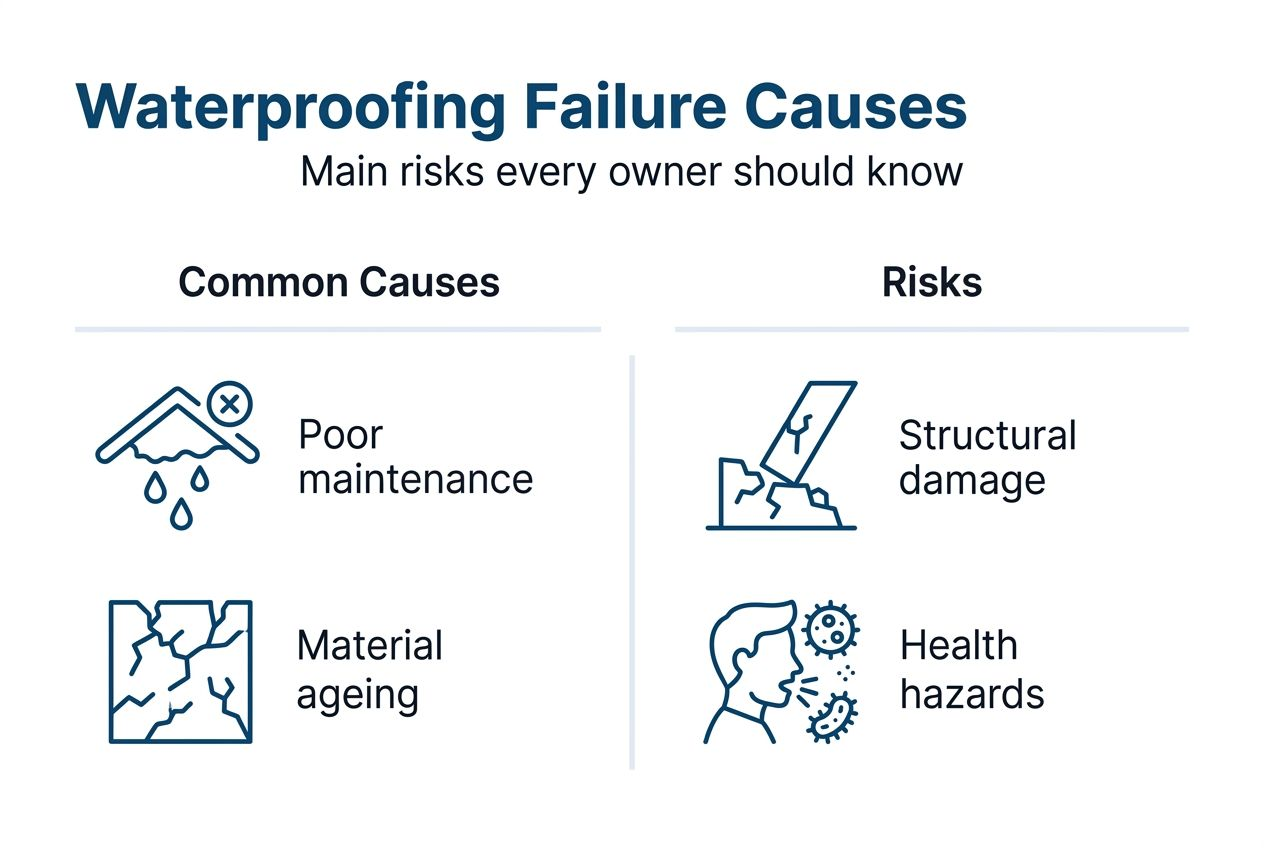
Most waterproofing failures trace back to avoidable human factors rather than inherent material defects. Research confirms that insufficient cleaning of gutters and worn components cause a high portion of building damage, representing preventable maintenance failures.
Inadequate cleaning and maintenance of drainage systems creates the foundation for future problems. Leaves, debris, and sediment accumulate in gutters and stormwater pipes, restricting water flow. When blockages prevent proper drainage, water backs up and finds alternative paths through your building envelope, often through vulnerable joints and penetrations.
Exceeding technical service life of membranes and coatings guarantees eventual failure. Every waterproofing product carries a manufacturer-specified lifespan, typically ranging from 10 to 25 years depending on material type and environmental exposure. Continuing to rely on aged systems beyond their design life invites predictable failures.
Defective ventilation systems trap moisture inside structures, creating internal condensation problems that mimic waterproofing failures. Poor airflow in roof spaces, bathrooms, and kitchens allows humidity to condense on cold surfaces. This moisture accumulation saturates building materials from within, causing damage identical to external water ingress.
Primary risk factors requiring monitoring:
- Deferred maintenance on accessible waterproofing components
- Absence of scheduled replacement programmes for aged materials
- Inadequate contractor qualifications during initial installation
- Substandard product specifications chosen to reduce costs
- Ignored early warning signs like minor staining or dampness
“Building owners who implement regular maintenance schedules significantly reduce waterproofing failure risks compared to reactive repair approaches that wait for visible damage.”
Pro Tip: Create a maintenance schedule for waterproofing systems that aligns with material lifespans, documenting all inspections and repairs to track system performance and plan timely replacements.
Early signs of waterproofing failure and why detection matters
Recognising waterproofing problems during early stages prevents minor issues from becoming structural catastrophes. Early detection proves crucial for avoiding costly repairs that escalate exponentially once water penetrates deep into building fabric.
Visible water stains on ceilings or walls provide the most obvious indicator. These discolourations appear as yellowish brown patches, often with darker edges. Stains typically emerge after heavy rainfall, revealing active leaks requiring immediate investigation to locate entry points.
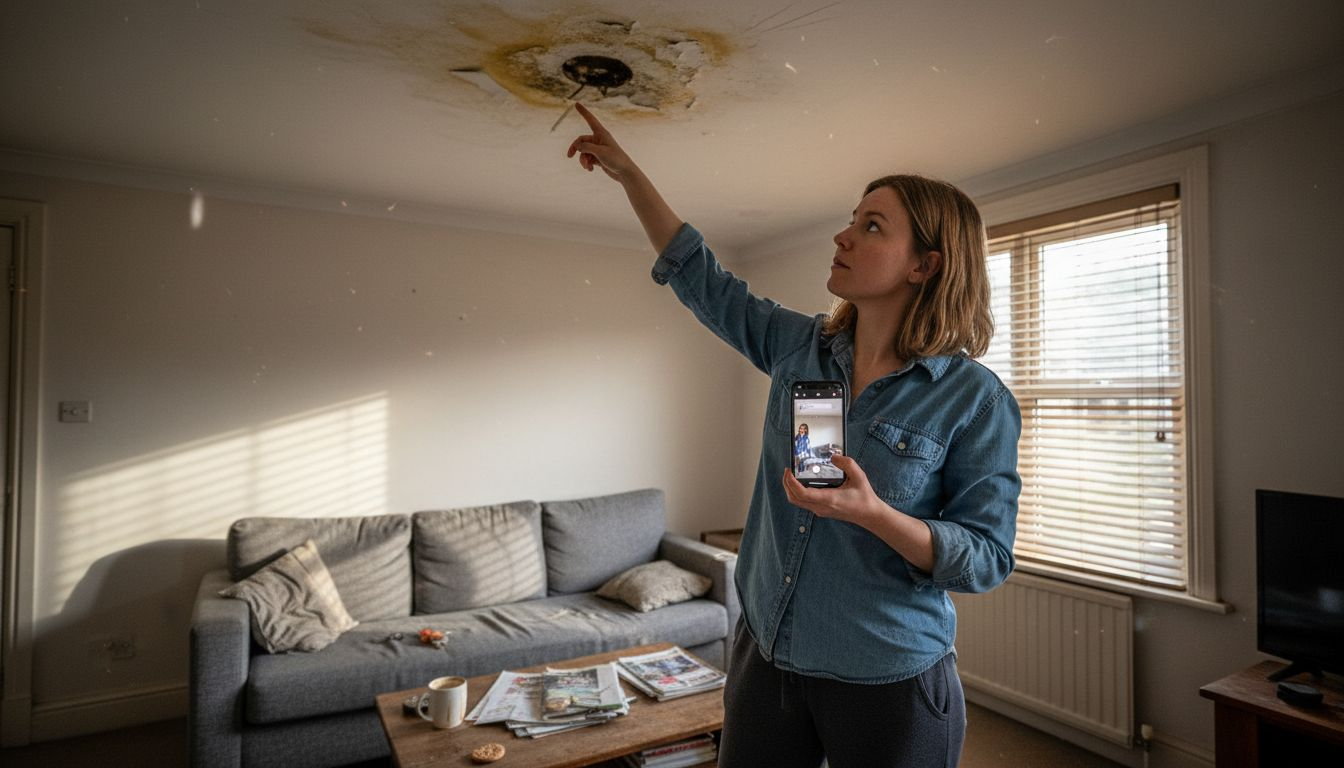
Mould growth and musty smells signal persistent moisture problems. Black or green mould colonies establish themselves on damp surfaces, releasing spores that create distinctive odours. These biological indicators confirm ongoing moisture presence even when visible water stains remain absent.
Peeling paint or bubbling wall surfaces reveal moisture trapped beneath decorative finishes. Paint loses adhesion when water infiltrates substrate materials, causing blistering and flaking. These cosmetic failures always indicate deeper waterproofing problems requiring investigation beyond simple repainting.
Pooling water on flat roofs or terraces demonstrates drainage inadequacies. Water should drain completely within hours after rainfall stops. Persistent puddles indicate blocked outlets, insufficient falls, or membrane depressions that trap water and accelerate weathering.
Critical warning signs demanding immediate action:
- Damp patches appearing near windows after rainfall
- Efflorescence forming white crystal deposits on masonry
- Soft or spongy spots when pressing ceiling surfaces
- Rust stains bleeding through painted metal flashings
- Increased insect activity attracted to damp timber
Regular visual inspections enable you to identify waterproofing failures before expensive structural repairs become necessary. Schedule quarterly walkthroughs focusing on known vulnerable areas like roof edges, penetrations, and below-grade walls.
The role of standards and professional expertise in preventing failures
Compliance with established waterproofing standards and engaging qualified professionals dramatically reduces failure risks. South Africa maintains National Certificate qualifications for waterproofing at NQF Level 2 to elevate industry skills and ensure consistent quality.
South African waterproofing work must satisfy SANS (South African National Standards) specifications covering material performance, application methods, and quality assurance procedures. These standards define minimum requirements for different building types and exposure conditions. Compliance ensures waterproofing systems perform reliably throughout their design life.
Using certified waterproofing contractors provides multiple advantages. Certified professionals understand local climate challenges, select appropriate materials for specific applications, and follow proven installation techniques. Their formal training covers common failure modes and prevention strategies that self-taught practitioners often overlook.
Non-compliance and unlicensed work create significant risks. Unqualified installers frequently use incorrect products, skip essential preparation steps, or employ improper techniques that compromise long-term performance. These shortcuts produce systems that fail prematurely, requiring complete replacement rather than simple repairs.
Waterproofing material comparison and certifications:
| Material Type | Typical Lifespan | Key Certifications | Best Applications |
|---|---|---|---|
| Bitumen membranes | 15-20 years | SABS approved | Flat roofs, basements |
| Liquid polyurethane | 10-15 years | SANS compliant | Balconies, complex details |
| Cementitious coatings | 8-12 years | ISO certified | Water tanks, retaining walls |
| EPDM rubber sheets | 20-25 years | SABS approved | Large flat roofs |
| Acrylic elastomeric | 7-10 years | Agrément certified | Vertical walls, refurbishment |
Verifying contractor credentials protects your investment. Request proof of formal qualifications, professional indemnity insurance, and references from recent projects. Examine warranties carefully, ensuring they cover both materials and workmanship for reasonable periods matching expected system lifespans.
Understanding South African waterproofing standards helps you evaluate contractor proposals and recognise when specifications meet regulatory requirements versus cutting corners that compromise performance.
Protect your property with expert waterproofing services
Understanding waterproofing failures represents the first step toward protecting your property investment. Professional waterproofing services help you move from knowledge to action, implementing preventive maintenance and reliable repairs that extend building lifespan.
Expert assessments catch early warning signs before minor issues escalate into expensive emergencies. Certified professionals identify vulnerable areas, evaluate existing system condition, and recommend targeted interventions that address root causes rather than masking symptoms. Their experience with South African building conditions ensures solutions suited to local climate challenges and construction practices.
Pro Waterproofing connects you with qualified specialists who follow national standards and deliver guaranteed workmanship. Whether you need routine maintenance, emergency leak repairs, or complete system replacement, professional guidance ensures your waterproofing investment delivers lasting protection and value.
FAQ
What are the most common causes of waterproofing failures?
Waterproofing failures typically arise from poor maintenance practices, material ageing beyond technical service life, and defective installation techniques. Neglected gutter cleaning and membrane deterioration represent key contributors. These preventable issues account for the majority of expensive building water damage incidents.
How can I identify waterproofing problems early in my property?
Look for damp stains, mould growth, peeling paint, and water pooling on flat surfaces after rainfall. Regular inspection of gutters, membranes, and drainage systems helps catch issues early. Early detection remains crucial for avoiding costly structural repairs that escalate when water penetrates deep into building fabric.
Why is choosing a certified waterproofing specialist important?
Certified specialists ensure work meets national waterproofing standards and provides reliable guarantees. They understand local environmental conditions, select appropriate quality materials, and apply proven techniques that deliver lasting performance. Formal qualifications demonstrate technical competence and professional accountability.
How often should waterproofing systems be inspected and maintained?
Inspect all external waterproofing elements twice yearly, ideally before and after the rainy season. Clean gutters and drains quarterly to prevent blockages. Schedule professional assessments every three to five years to evaluate membrane condition and identify components approaching the end of their service life requiring planned replacement.