
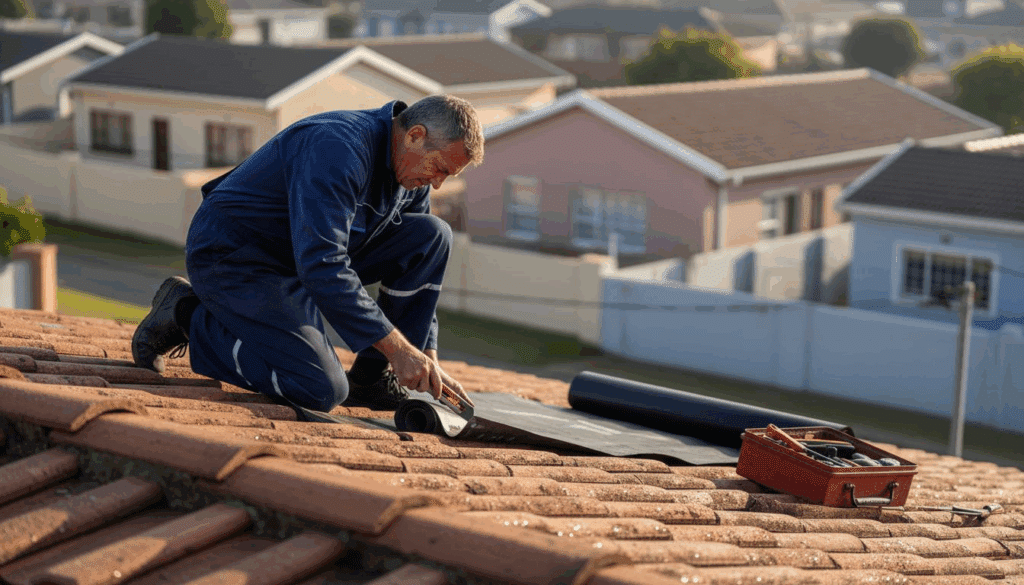
Finding durable waterproof roof materials feels crucial when relentless rain threatens homes across Gauteng and the Western Cape. Unchecked water intrusion leads to costly structural damage and constant stress for South African homeowners. By learning how to select the right protective coatings and membranes, you can safeguard your property from moisture and enjoy lasting peace of mind despite unpredictable weather.
Table of Contents
- What Is Waterproofing Roof Material?
- Types of Roof Waterproofing Systems
- How Waterproofing Materials Perform
- Costs, Risks and Common Pitfalls
- Selecting Reliable Contractors Locally
Key Takeaways
| Point | Details |
|---|---|
| Importance of Waterproofing | Waterproofing roof materials are essential for preventing water damage and prolonging roof lifespan in South African climates. |
| Types of Systems | Various waterproofing systems are available, each suited to specific roof types, including Liquid-Applied, Bituminous, and Polyurethane systems. |
| Assessing Material Performance | Key performance parameters include water resistance, durability, and adhesion, which are critical for effective moisture protection. |
| Choosing a Contractor | Selecting a reliable contractor involves verifying credentials, reviewing past work, and ensuring they understand local environmental challenges. |
What Is Waterproofing Roof Material?
Waterproofing roof material represents a specialised protective solution designed to prevent water penetration and moisture damage in residential roofing systems across South Africa. These protective coatings and membranes are engineered to create an impenetrable barrier against rain, humidity, and environmental moisture that can compromise structural integrity.
Understanding roof waterproofing fundamentals requires recognising the critical components involved in this protective process. Waterproofing materials typically include:
- Liquid-applied sealants
- Bituminous membranes
- Polyurethane coatings
- Acrylic-based waterproofing compounds
- Elastomeric roof treatments
These materials work by forming a continuous, seamless layer that repels water and prevents infiltration through minute cracks, joints, and potential weak points in roofing structures. The selection of an appropriate waterproofing material depends on multiple factors, including roof type, climate conditions, and existing structural characteristics.
South African homeowners face unique environmental challenges that make professional roof waterproofing essential. Regions like Gauteng and the Western Cape experience varied rainfall patterns and temperature fluctuations that can accelerate roof deterioration. By applying specialised waterproofing materials, property owners can significantly extend their roof’s lifespan and protect their investment against potential water-related damage.
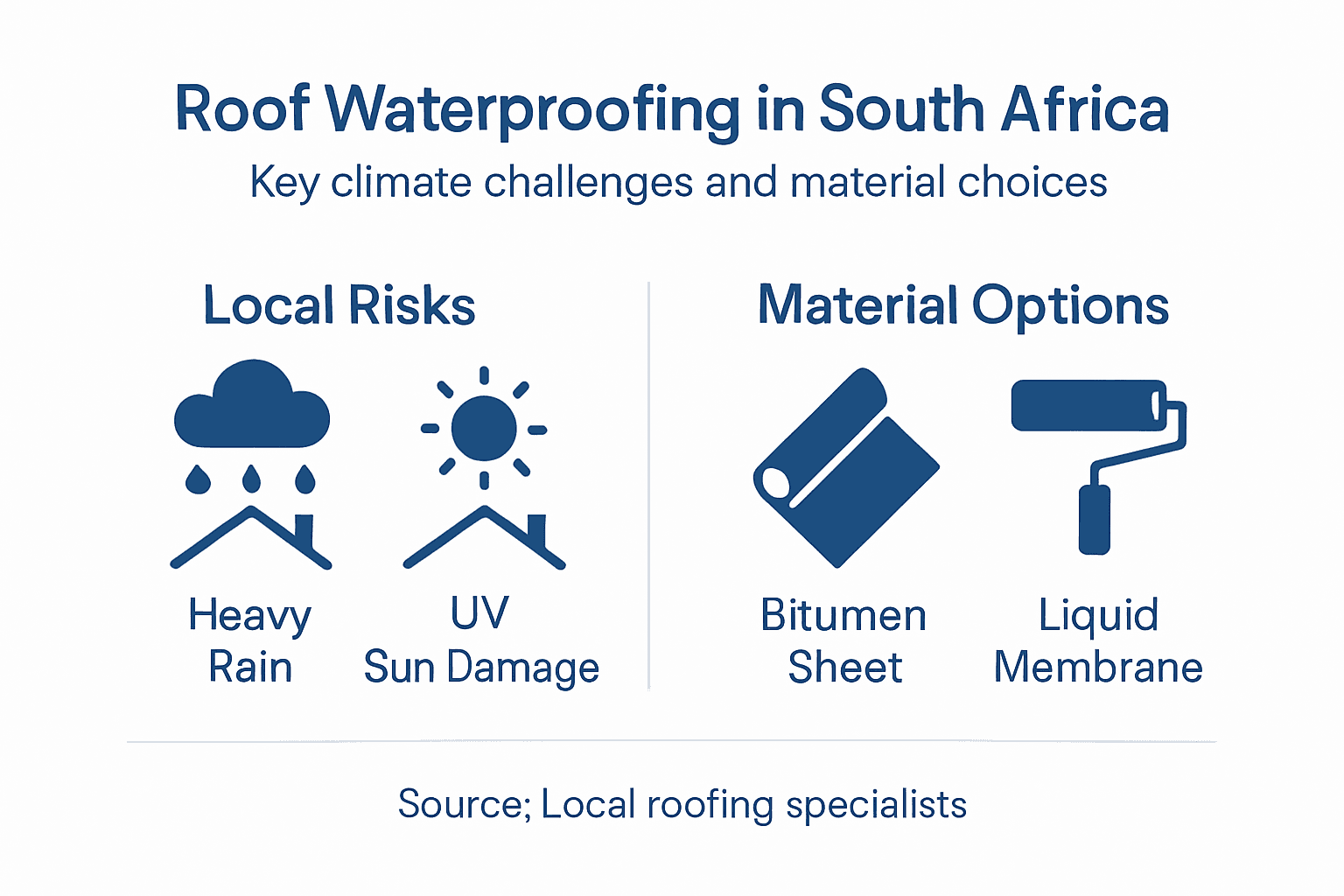
Pro tip: Always consult a professional waterproofing specialist to assess your specific roof requirements and recommend the most suitable waterproofing material for your home’s unique conditions.
Types of Roof Waterproofing Systems
Roof waterproofing systems are diverse and strategically designed to address the unique challenges faced by South African homeowners. Waterproofing systems in South Africa encompass multiple approaches tailored to different roofing structures, environmental conditions, and moisture protection requirements.
The primary types of roof waterproofing systems include:
-
Liquid-Applied Membrane Systems
- Seamless coating application
- Excellent for complex roof geometries
- Rapid installation process
-
Bituminous Membrane Waterproofing
- Highly durable protective layer
- Strong resistance to UV radiation
- Suitable for flat and low-slope roofs
-
Polyurethane Waterproofing
- Flexible and elastic coating
- Crack-bridging capabilities
- Superior adhesion to multiple surfaces
-
Acrylic-Based Waterproofing
- Reflective heat-resistant properties
- Cost-effective solution
- Environmentally friendly application
Each waterproofing system offers distinct advantages depending on specific architectural requirements and regional climate challenges. The selection process involves carefully evaluating factors such as roof pitch, existing material composition, expected water exposure, and long-term performance expectations.
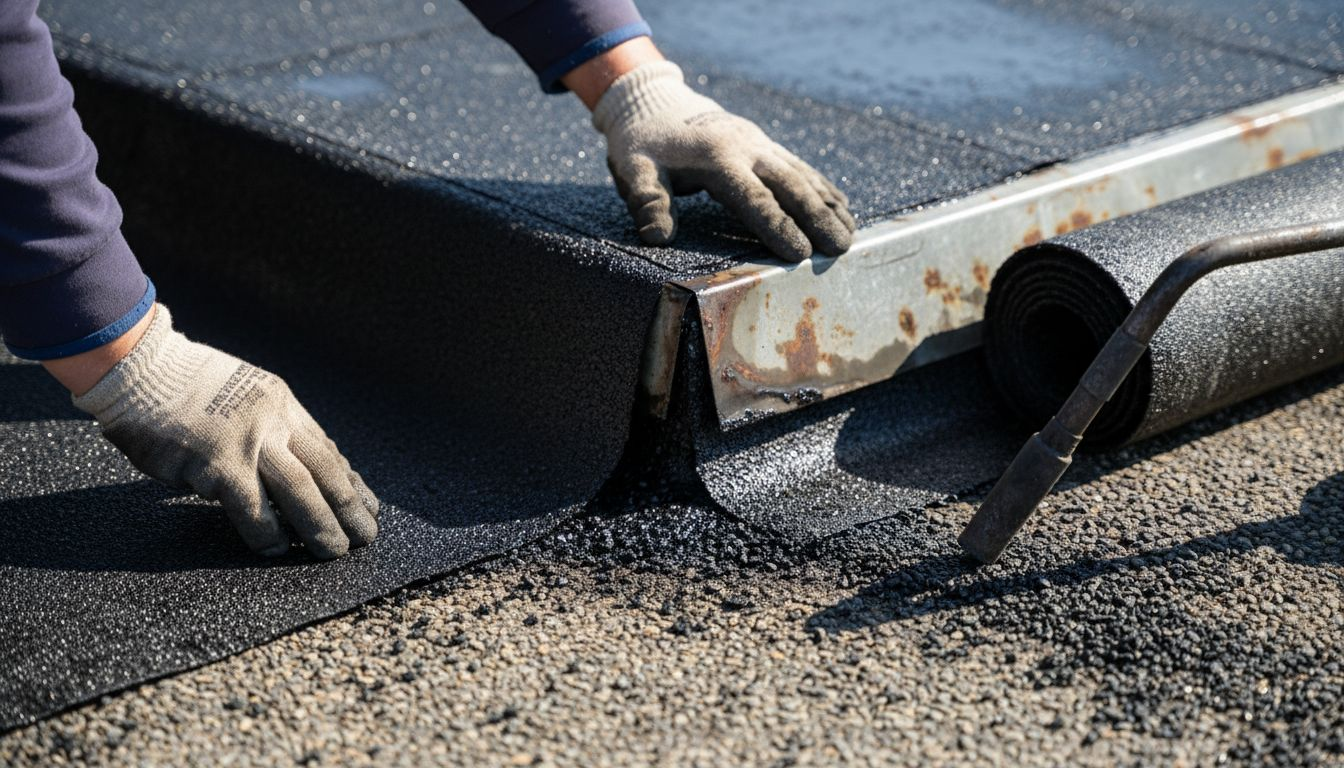
Here is a comparison of common roof waterproofing systems and their ideal applications:
| System Type | Best Suited For | Key Benefit |
|---|---|---|
| Liquid-Applied Membrane | Complex roof shapes | Fast, seamless coating |
| Bituminous Membrane | Flat or low-slope roofs | Robust UV protection |
| Polyurethane Waterproofing | Mixed material surfaces | Superior crack bridging |
| Acrylic-Based Waterproofing | Warmer climates | Reflects heat, saves energy |
Membrane technologies have significantly advanced in recent years, providing South African homeowners with increasingly sophisticated protective solutions. These innovative systems not only prevent water infiltration but also contribute to thermal regulation and structural longevity.
Pro tip: Consult a professional waterproofing specialist who can conduct a comprehensive roof assessment and recommend the most appropriate waterproofing system for your specific property and local environmental conditions.
How Waterproofing Materials Perform
Waterproofing materials are engineered to provide comprehensive protection against moisture intrusion, with performance characteristics that vary significantly across different environmental conditions. Common waterproofing materials demonstrate remarkable adaptive capabilities that address the complex challenges faced by South African properties.
The performance of waterproofing materials can be evaluated through several critical parameters:
-
Water Resistance
- Ability to prevent moisture penetration
- Maintaining structural integrity under hydrostatic pressure
- Resisting water absorption and degradation
-
Durability
- Resistance to environmental stress
- Long-term protective performance
- Maintaining material integrity during temperature fluctuations
-
Adhesion Characteristics
- Strong bonding with existing roof surfaces
- Consistent coverage across complex geometries
- Minimising potential weak points or separation
-
Thermal Stability
- Maintaining performance under extreme temperatures
- Preventing material breakdown during heat exposure
- Adapting to thermal expansion and contraction
Membrane technologies play a crucial role in determining overall waterproofing effectiveness. Different materials respond uniquely to South Africa’s diverse climate zones, from the humid coastal regions to the dry inland areas. This variability necessitates a nuanced approach to selecting and applying waterproofing solutions.
Moisture protection extends beyond simple water blockage. High-quality waterproofing materials also contribute to thermal regulation, prevent structural degradation, and protect against potential mould and mildew development. The sophisticated chemistry behind modern waterproofing compounds ensures comprehensive protection against environmental challenges.
Pro tip: Always request detailed performance specifications from your waterproofing contractor, including water resistance ratings, expected lifespan, and performance under local climate conditions.
Costs, Risks and Common Pitfalls
Roof waterproofing cost per square metre represents a critical consideration for South African homeowners seeking to protect their property from moisture damage. Waterproofing expenses typically range between R130 to R500 per square metre, depending on multiple complex factors including roof complexity, material selection, and existing structural condition.
The primary risks and potential pitfalls associated with roof waterproofing include:
-
Material Selection Errors
- Choosing inappropriate waterproofing compounds
- Selecting low-cost materials with inadequate performance
- Ignoring specific environmental requirements
-
Installation Mistakes
- Improper surface preparation
- Insufficient layer thickness
- Inadequate surface cleaning before application
-
Contractor-Related Risks
- Hiring unlicensed or inexperienced professionals
- Lack of comprehensive warranty coverage
- Insufficient post-installation support
-
Financial Considerations
- Underestimating total project costs
- Neglecting long-term maintenance expenses
- Failing to budget for potential repairs
Understanding the true cost of waterproofing extends beyond initial installation expenses. Poorly executed waterproofing can lead to significant structural damage, potentially costing homeowners substantially more in repairs and renovations compared to investing in high-quality initial treatment.
Professional assessment remains crucial in mitigating risks. Experienced waterproofing specialists can provide comprehensive evaluations that identify potential vulnerabilities, recommend appropriate materials, and ensure proper application techniques that maximise long-term protection.
The table below summarises risks and long-term considerations for roof waterproofing projects:
| Risk Area | Long-Term Impact | Prevention Strategy |
|---|---|---|
| Poor Material Choice | Frequent repairs needed | Consult roofing specialists |
| Incorrect Installation | Early roof failure | Insist on trained professionals |
| Inadequate Budgeting | Unplanned future expenses | Verify all maintenance costs |
Pro tip: Request detailed written quotes from multiple licensed contractors, comparing not just price but comprehensive service offerings, material specifications, and warranty terms.
Selecting Reliable Contractors Locally
Choosing the right waterproofing contractor requires a comprehensive approach to evaluating potential professionals in the South African market. Homeowners must navigate a complex landscape of service providers, balancing technical expertise, local experience, and proven reliability.
Key criteria for selecting a dependable waterproofing contractor include:
-
Professional Credentials
- Valid trade licensing
- Industry certifications
- Registered business documentation
- Verifiable professional memberships
-
Portfolio Assessment
- Documented project history
- Demonstrated experience in local environments
- Quality of previous waterproofing installations
- Specialisation in residential roof treatments
-
Client Verification Strategies
- Requesting comprehensive references
- Checking online reviews and testimonials
- Contacting previous clients directly
- Investigating complaint resolution history
-
Technical Competence Indicators
- Understanding of regional climate challenges
- Familiarity with multiple waterproofing techniques
- Knowledge of local building regulations
- Use of contemporary materials and technologies
Transparency represents a critical factor when evaluating potential contractors. Reputable professionals provide detailed written quotes, clearly articulate their methodology, and demonstrate willingness to explain technical processes. They should offer comprehensive warranties and maintain open communication channels throughout the project lifecycle.
Homeowners must remain vigilant about potential red flags, such as contractors offering significantly lower quotes than market rates or displaying reluctance to provide detailed documentation. Professional waterproofing requires substantial technical expertise, and cost should never be the sole determining factor.
Pro tip: Request a minimum of three detailed written quotes from licensed contractors, comparing their technical approach, material specifications, and comprehensive warranty offerings.
Protect Your Home with Expert Roof Waterproofing Solutions
Water damage, leaking roofs and costly repairs are real threats for South African homeowners facing harsh weather and ageing structures. This article highlights the importance of choosing the right waterproofing roof material and system to create a strong moisture barrier that extends your roof’s lifespan and safeguards your property investment. If you recognise the risks of poor material choice or installation mistakes it is vital to act now.
Explore expert advice and solutions in our Uncategorized section to find trusted information tailored to your roofing needs.
Don’t wait until water damage disrupts your home. At Pro Waterproofing, we specialise in professional waterproofing for South African roofs. Our team will help you select the right materials and ensure flawless application backed by comprehensive warranties. Contact us today for a detailed roof assessment and personalised quote. Your home deserves reliable protection and peace of mind.
Frequently Asked Questions
What is waterproofing roof material?
Waterproofing roof material is a protective solution that prevents water penetration and moisture damage in roofing systems. It includes various protective coatings and membranes designed to create an impermeable barrier against environmental moisture.
What are the different types of roof waterproofing systems?
The primary types of roof waterproofing systems include liquid-applied membrane systems, bituminous membrane waterproofing, polyurethane waterproofing, and acrylic-based waterproofing. Each type is tailored to specific roofing structures and environmental conditions.
How do waterproofing materials perform against moisture?
Waterproofing materials excel in water resistance, durability, adhesion, and thermal stability. They are engineered to prevent moisture penetration, maintain structural integrity, and adapt to temperature fluctuations, ensuring comprehensive protection against environmental challenges.
What should I consider when selecting a waterproofing contractor?
When choosing a waterproofing contractor, consider their professional credentials, project portfolio, client references, and technical competence. Ensure they can offer detailed quotes, use contemporary materials, and maintain transparency throughout the project.