
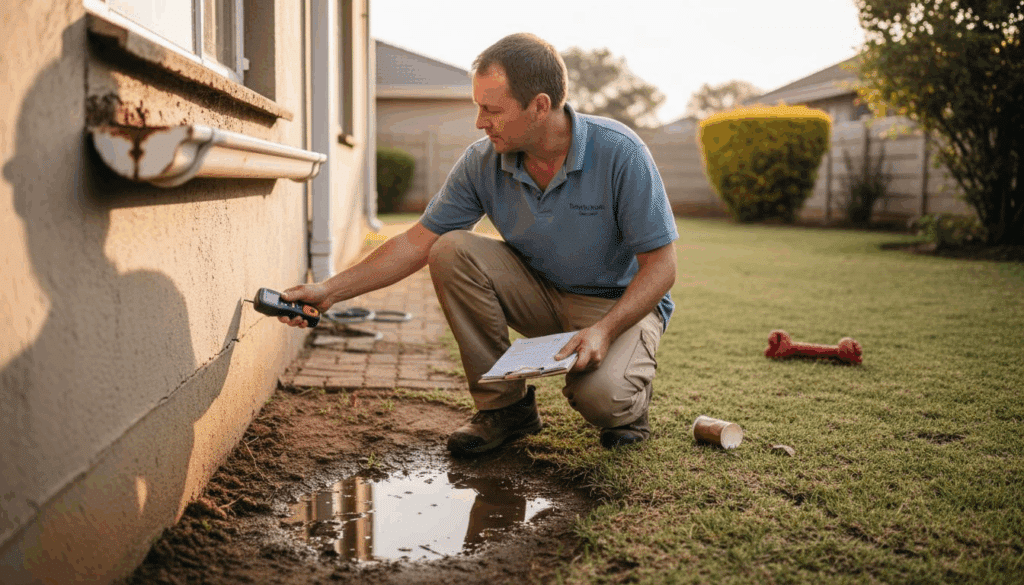
Imagine trying to discuss waterproofing with contractors and finding the jargon confusing or unclear. For homeowners in Gauteng and Western Cape, knowing how moisture can threaten both new builds and older properties is more than routine maintenance, it is about protecting investments and personal safety. This guide makes sense of key waterproofing terminology so you can ask questions confidently, understand recommendations, and keep your home secure against South Africa’s unpredictable climate.
Table of Contents
- What Waterproofing Means In Property Care
- Key Terms Used By Contractors And Inspectors
- Types Of Waterproofing Systems Explained
- Common Application Methods And Materials
- Typical Risks, Pitfalls And Misunderstandings
Key Takeaways
| Point | Details |
|---|---|
| Importance of Waterproofing | Essential for preventing moisture intrusion and protecting structural integrity. |
| Tailored Solutions | Different surfaces require specific waterproofing techniques; one size does not fit all. |
| Understanding Terminology | Familiarity with waterproofing terms enables better communication with professionals. |
| Risks of Poor Preparation | Inadequate substrate preparation can lead to waterproofing failures; proper assessment is crucial. |
What Waterproofing Means In Property Care
Waterproofing represents a critical property maintenance strategy designed to protect structures from moisture intrusion and potential damage. At its core, waterproofing involves implementing specialised techniques and materials that prevent water from penetrating building surfaces, foundations, and critical structural elements. The South African National Standard (SANS) provides a comprehensive framework for understanding these protective measures, defining waterproofing as systematic moisture prevention techniques essential for maintaining building integrity.
In practical terms, waterproofing goes beyond simple surface protection. It encompasses a range of technical interventions targeting different building components, including foundations, roofs, walls, and subterranean spaces. These interventions might involve applying specialised membranes, sealants, chemical treatments, and drainage systems designed to redirect water away from vulnerable structural areas. The primary goal remains consistent: preventing moisture from compromising a building’s structural integrity, preventing mould growth, and protecting interior spaces from potential water-related damage.
Property owners should understand that waterproofing is not a one-size-fits-all solution. Different surfaces and architectural designs require tailored approaches. Concrete foundations might need hydraulic cement treatments, while external walls could require specialised polymer-based sealants. The complexity of waterproofing techniques underscores the importance of professional assessment and targeted interventions specific to each property’s unique characteristics and environmental challenges.
Pro tip: Conduct a comprehensive moisture inspection annually, focusing on potential entry points like window frames, roof edges, and foundation joints to catch potential waterproofing issues early.
Key Terms Used By Contractors And Inspectors
Navigating the technical landscape of waterproofing requires understanding a specific set of professional terminology used by contractors and inspections professionals. Specialised waterproofing terminology helps ensure precise communication and accurate project specifications, enabling homeowners to engage more effectively with technical experts.
Key waterproofing terms that property owners should familiarise themselves with include membranes, damp-proof courses (DPC), vapour barriers, and tanking systems. A membrane refers to a thin, flexible material applied to surfaces to prevent water penetration, while a damp-proof course is a horizontal barrier designed to stop moisture rising through walls and foundations. Vapour barriers specifically block water vapour transmission, and tanking systems represent comprehensive waterproofing solutions typically used in below-ground structures like basements.
Contractors and inspectors often use technical measurement and application terminology that can seem complex to homeowners. Terms like liquid-applied membranes (seamless protective coatings painted or sprayed onto surfaces), torch-on membranes (heat-applied waterproofing materials), and primers (preparatory substances that enhance adhesion) are crucial for understanding the specific techniques being employed during waterproofing projects. Understanding these terms empowers property owners to ask informed questions and make confident decisions about their waterproofing needs.
Pro tip: Create a digital or physical glossary of waterproofing terms to reference during contractor consultations, helping you communicate more precisely and understand technical recommendations.
Types Of Waterproofing Systems Explained
Waterproofing systems in South Africa are complex protective strategies designed to shield buildings from moisture intrusion. These systems are typically categorised into three primary approaches: integral waterproofing, barrier membranes, and surface treatments, each addressing different aspects of moisture protection and structural integrity.
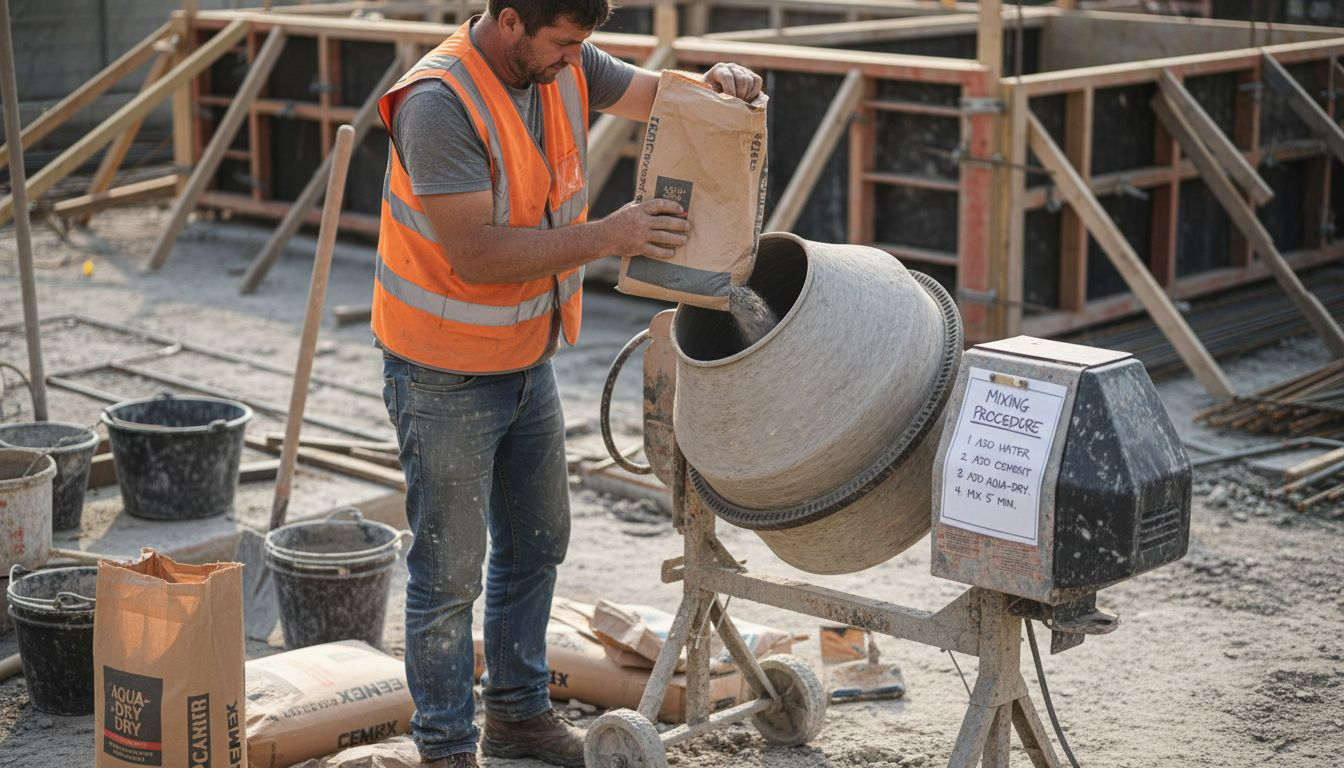
Integral waterproofing represents a proactive approach where waterproofing compounds are directly mixed into concrete during construction. This method modifies the concrete’s molecular structure, reducing its permeability from within. Barrier membranes, by contrast, provide an external protective layer, which can be implemented through sheet membranes or liquid-applied coatings. These membranes create a physical blockade against water penetration, typically applied to foundations, basements, and underground structures where direct water contact is most probable.
Surface treatments form the third critical category of waterproofing systems. These treatments involve applying specialised sealants, coatings, and hydrophobic compounds directly onto existing surfaces. Such treatments are particularly effective for areas like exterior walls, roofs, and terraces, where water exposure is frequent but direct structural compromise is not immediate. The selection of an appropriate waterproofing system depends on multiple factors, including environmental conditions, building structure, potential water exposure, and long-term durability requirements.
Here is a comparison of common waterproofing systems and where they are typically applied:
| System Type | Typical Application Areas | Core Advantage |
|---|---|---|
| Integral Waterproofing | Concrete foundations, slabs | Protects from inside out |
| Barrier Membranes | Basements, external walls | Strong external water resistance |
| Surface Treatments | Roofs, terraces, balconies | Easy re-application and upkeep |
Pro tip: Request detailed technical specifications from your waterproofing contractor, ensuring you understand which specific system is most suitable for each area of your property.
Common Application Methods And Materials
Waterproofing materials in South African construction encompass a diverse range of specialised products designed to address different environmental challenges and substrate requirements. Understanding these materials and their application methods is crucial for property owners seeking effective moisture protection strategies.
Liquid membranes represent a versatile waterproofing solution, offering seamless coverage and exceptional flexibility. These materials are typically applied using rollers, brushes, or spray equipment, creating a continuous protective barrier that can conform to complex surface geometries. Sheet membranes, in contrast, provide high tensile resistance and are particularly effective for areas requiring robust structural protection. These pre-manufactured membranes are carefully installed with precise overlapping techniques and heat-welded or mechanically fastened to ensure complete water-tight sealing.
Cementitious products and bituminous solutions offer additional waterproofing options tailored to specific environmental conditions. Cementitious materials are especially effective for concrete surfaces, forming a rigid, durable barrier when properly mixed and applied. Bituminous solutions excel in harsh weather conditions, providing exceptional resistance to temperature fluctuations and UV exposure. Polyurethane-based systems represent a modern approach, delivering superior durability and flexibility, with excellent resistance to environmental degradation. The selection of appropriate materials depends on multiple factors, including substrate composition, anticipated moisture exposure, and long-term performance requirements.
Pro tip: Always request material compatibility testing and manufacturer-recommended application protocols to ensure optimal waterproofing performance in your specific environmental context.
Typical Risks, Pitfalls And Misunderstandings
Waterproofing failures in South African construction represent complex challenges that extend far beyond simple moisture prevention. Property owners frequently encounter critical misconceptions that can compromise the effectiveness of their waterproofing investments, leading to potentially expensive and structurally damaging consequences.
One of the most significant risks emerges from poor substrate preparation, where contractors neglect essential groundwork before applying waterproofing systems. Insufficient surface cleaning, improper priming, and inadequate moisture assessment can render even high-quality waterproofing materials ineffective. Incorrect system selection compounds these risks, with many property owners choosing waterproofing solutions that do not match their specific environmental conditions, substrate types, or structural requirements. Critical installation errors such as insufficient membrane bedding, inadequate overlap techniques, and rushed curing processes can create microscopic vulnerabilities that compromise entire waterproofing strategies.
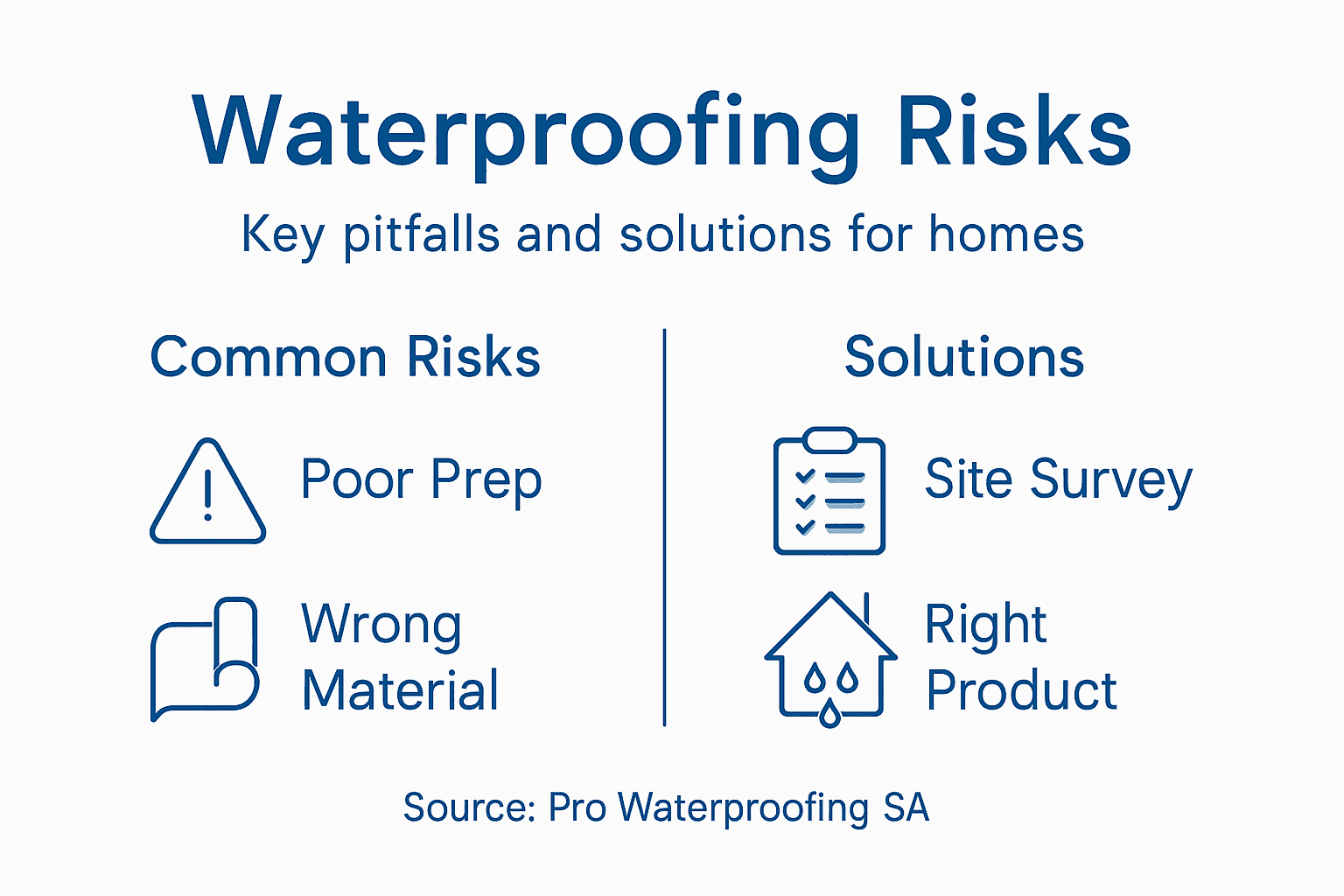
Misunderstandings about waterproofing’s scope frequently lead to inappropriate maintenance and unrealistic expectations. Many property owners limit their understanding to basement and roof protection, overlooking critical areas like external walls, foundations, and underground structures. Substandard materials, often selected based on cost rather than performance, introduce significant long-term risks. These materials may deteriorate rapidly under South Africa’s diverse climatic conditions, creating hidden moisture pathways that can cause structural damage, mould growth, and gradual material degradation. Professional contractors emphasise the importance of adhering to South African National Standards and conducting comprehensive design assessments to mitigate these potential failures.
Below is a summary of key risks in waterproofing projects and how to minimise them:
| Risk | Why It Occurs | Recommended Prevention Measure |
|---|---|---|
| Poor substrate preparation | Inadequate cleaning or priming | Conduct thorough surface preparation |
| Incorrect material selection | Ignoring compatibility/environment | Seek expert advice and testing |
| Substandard installation techniques | Rushed work or lack of expertise | Hire qualified contractors |
| Unrealistic maintenance expectations | Overlooking non-obvious risk areas | Regular comprehensive inspections |
Pro tip: Invest in a professional moisture assessment and comprehensive waterproofing survey before committing to any treatment, ensuring a targeted approach that addresses your specific property’s unique challenges.
Unlock Confidence with Expert Waterproofing Solutions
Understanding waterproofing terminology can be overwhelming but it is vital to protect your South African property from costly moisture damage. This article breaks down essential terms like membranes, damp-proof courses and tanking systems to help you navigate conversations with contractors more confidently. However, knowing the words is only the first step. You need trusted, professional help to transform that knowledge into effective waterproofing that safeguards your home or business.
Explore our expert insights in the Uncategorized category to deepen your understanding of waterproofing methods and pitfalls.
Don’t let technical jargon leave you uncertain when it comes to protecting what matters most. Visit Pro Waterproofing today to connect with skilled waterproofing specialists who prioritise quality, licensing and warranties. Start your project now with expert guidance tailored to your property’s unique needs and avoid common mistakes that cause expensive damage. Take control of your property’s future by requesting a comprehensive consultation and quote today.
Frequently Asked Questions
What is the purpose of a damp-proof course (DPC)?
A damp-proof course acts as a horizontal barrier to prevent moisture from rising through walls and foundations, protecting the structure from potential water damage.
How does integral waterproofing work?
Integral waterproofing involves adding waterproofing compounds directly into concrete during the mixing process, altering the molecular structure to reduce permeability from within.
What are liquid-applied membranes, and when should they be used?
Liquid-applied membranes are seamless coatings applied to surfaces for waterproofing. They are ideal for complex surface geometries and provide excellent flexibility.
Why is surface preparation important before waterproofing installation?
Proper surface preparation is crucial because inadequate cleaning or priming can compromise the effectiveness of waterproofing materials, leading to potential failures and structural damage.