

Persistent damp marks creeping along interior walls can quickly turn a welcoming home in Gauteng or Western Cape into an uncomfortable, unhealthy space. Moisture not only damages paint and plaster but also encourages mould growth and threatens the structure itself. Understanding interior wall waterproofing gives you the clarity to address these concerns at the source, protecting your investment and helping create a dry, lasting living environment in South Africa’s unpredictable climate.
Table of Contents
- What Is Interior Wall Waterproofing?
- Common Waterproofing Systems Explained
- Effective Application Methods and Materials
- Costs, Lifespan and Choosing Contractors
- South African Standards and Legal Requirements
Key Takeaways
| Point | Details |
|---|---|
| Importance of Interior Waterproofing | It protects buildings from moisture-related damage, ensuring structural integrity and a healthy indoor environment. |
| Common Waterproofing Systems | Various methods like Crystalline, Membrane, and Injection Waterproofing are suited to specific moisture challenges and building requirements. |
| Application Techniques Matter | Effective waterproofing relies on meticulous surface preparation and precise application methods, which significantly influence long-term durability. |
| Compliance and Standards | Adherence to South African building regulations and standards is essential for legal compliance and ensuring quality workmanship in waterproofing projects. |
What Is Interior Wall Waterproofing?
Interior wall waterproofing represents a critical home maintenance strategy designed to protect buildings from moisture-related damage in South Africa’s diverse climatic conditions. This specialised process involves creating protective barriers within internal wall structures to prevent water penetration, condensation, and potential structural deterioration.
Understanding interior wall waterproofing begins with recognising the primary sources of moisture intrusion. Comprehensive moisture protection strategies reveal several critical factors contributing to wall dampness:
- Plumbing leaks and pipe condensation
- Groundwater seepage through foundation walls
- Inadequate building ventilation
- Construction defects or poor initial waterproofing
- High environmental humidity levels
The primary objective of interior wall waterproofing is preventing potential damage such as:
- Mould and mildew growth
- Structural material deterioration
- Paint and plaster degradation
- Reduced thermal insulation efficiency
- Potential health risks from fungal contamination
Professional waterproofing interventions can protect your property’s structural integrity and maintain a healthy indoor environment.
Waterproofing techniques vary depending on specific moisture challenges, including applying specialised sealants, installing moisture barriers, improving drainage systems, and addressing underlying structural vulnerabilities. Professional assessment helps determine the most appropriate intervention for each unique scenario.
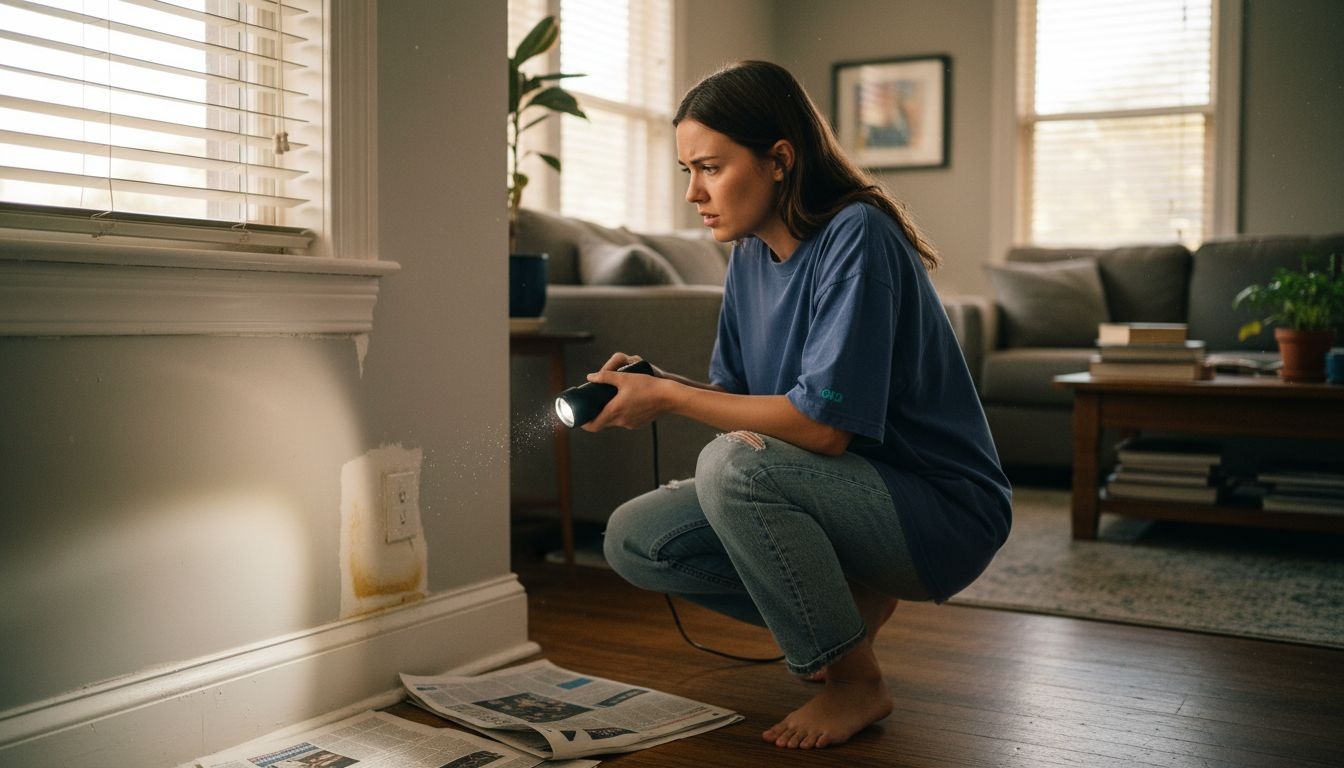
Pro tip: Conduct regular moisture inspections to identify potential water ingress points before they develop into significant structural problems.
Common Waterproofing Systems Explained
Waterproofing systems in South Africa represent sophisticated approaches to protecting buildings from moisture damage, with each method tailored to specific structural and environmental challenges. Waterproofing systems offer diverse protection strategies that address unique residential and commercial building requirements.
The primary waterproofing systems commonly employed in South African construction include:
- Crystalline Waterproofing: A chemical treatment that penetrates concrete structures, creating permanent water-resistant barriers
- Membrane Waterproofing: Involves applying specialised protective layers that block moisture penetration
- Injection Waterproofing: Uses specialised chemical compounds injected directly into wall structures to seal potential water entry points
- Cementitious Waterproofing: Utilises cement-based compounds to create rigid, impermeable surface coatings
- Liquid-Applied Membranes: Provides flexible, seamless protection through spray or roller application
Each waterproofing system has distinct characteristics that make it suitable for different scenarios. Crystalline waterproofing, for instance, works exceptionally well in areas with high groundwater tables, while membrane systems provide excellent protection for foundations and underground structures.
Here is a comparison of major interior wall waterproofing systems used in South Africa:
| System Type | Best Use Case | Durability Range | Relative Cost Level |
|---|---|---|---|
| Crystalline Waterproofing | High groundwater, below grade areas | 15–25 years | Medium–High |
| Membrane Waterproofing | Foundations, underground structures | 10–20 years | Medium |
| Injection Waterproofing | Filling wall cracks, localised leaks | 8–15 years | Medium |
| Cementitious Waterproofing | Basements, bathrooms, rigid surfaces | 7–12 years | Low–Medium |
| Liquid-Applied Membranes | Large, seamless wall areas | 10–18 years | Medium |
Professional waterproofing requires careful assessment of building structure, moisture sources, and environmental conditions to select the most appropriate intervention.
Understanding the nuanced differences between these systems helps property owners make informed decisions about protecting their investments. Factors such as building age, construction materials, local climate, and specific moisture challenges significantly influence system selection.
Pro tip: Always consult a professional waterproofing specialist who can conduct a comprehensive site assessment and recommend the most suitable protection strategy for your specific property.
Effective Application Methods and Materials
Successful waterproofing demands precise application techniques and carefully selected materials that can withstand South Africa’s diverse environmental conditions. Waterproofing system selection requires comprehensive understanding of material compatibility and application intricacies.
Key considerations for effective waterproofing application include:
- Surface Preparation: Thorough cleaning and repair of existing surfaces before treatment
- Moisture Content Assessment: Measuring and controlling substrate humidity levels
- Temperature Considerations: Applying materials within recommended environmental conditions
- Proper Material Mixing: Ensuring precise ratios and consistent compound preparation
- Application Technique: Using appropriate tools and methods for specific waterproofing systems
The application process typically involves several critical steps to ensure comprehensive protection. Professional applicators employ specialised techniques that go beyond simple surface coating, focusing on creating comprehensive moisture barriers that address potential future water infiltration points.
Successful waterproofing is 70% preparation and 30% actual application – precision matters more than speed.
Different waterproofing materials require unique application methods. Crystalline treatments, for instance, demand microscopic penetration into concrete structures, while liquid membranes require smooth, even roller or spray applications that create seamless protective layers.
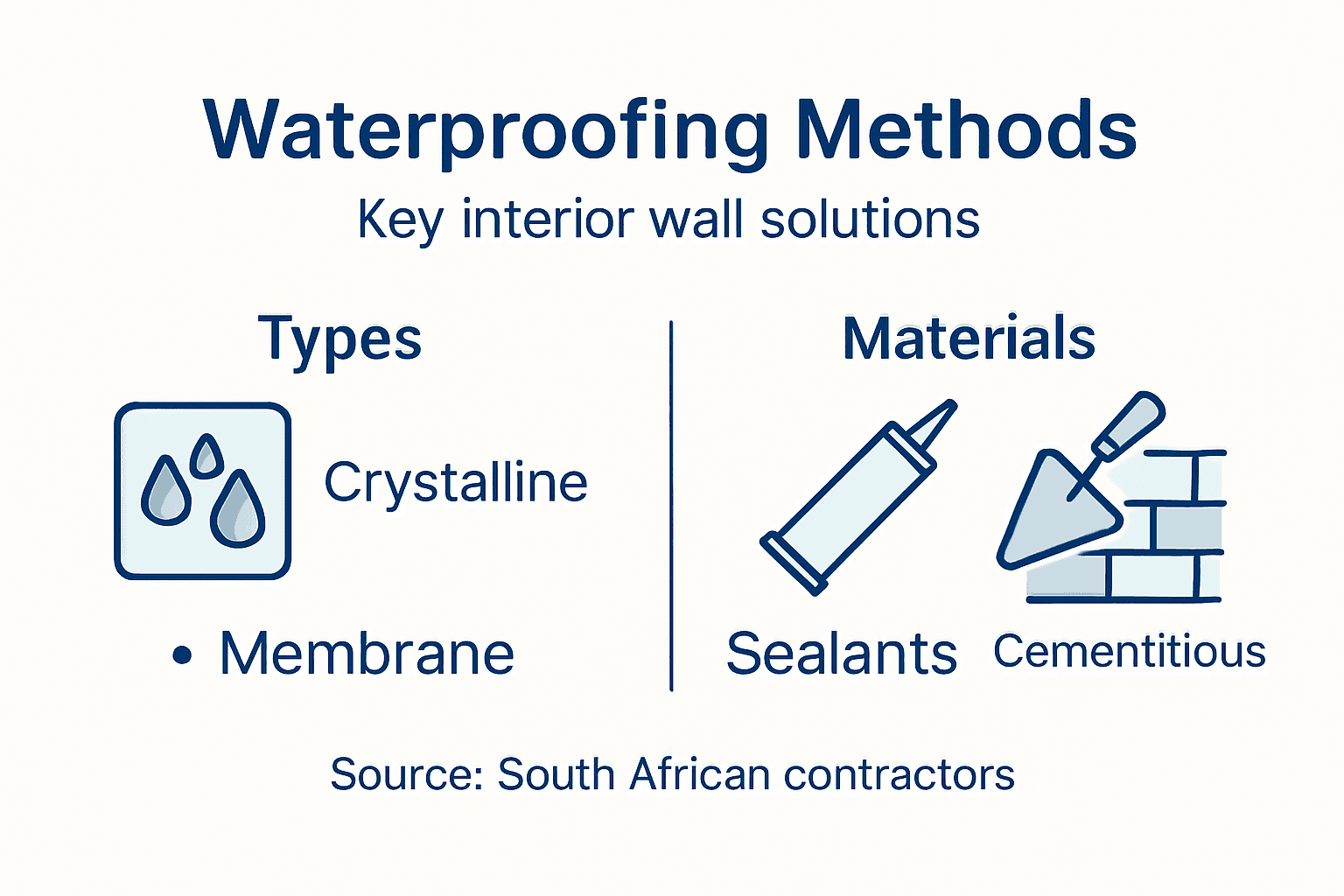
Pro tip: Invest in professional surface assessment and preparation before waterproofing to maximise long-term protection and material performance.
Costs, Lifespan and Choosing Contractors
Waterproofing investments in South Africa require careful financial planning and strategic contractor selection to ensure long-term protection and value. Construction cost considerations significantly impact project budgeting and overall economic feasibility for property owners.
Typical waterproofing project cost factors include:
- Square meterage of treatment area
- Complexity of existing wall or foundation conditions
- Selected waterproofing system and material quality
- Labour rates and professional expertise required
- Extent of surface preparation needed
- Additional remedial work for structural damages
The expected lifespan of waterproofing treatments varies depending on multiple variables. Professional-grade applications typically last between 10-25 years, with crystalline and high-quality membrane systems offering longer protection when correctly installed.
Investing in quality waterproofing is substantially more cost-effective than repeatedly repairing water damage.
Contractor selection represents a critical decision in ensuring successful waterproofing outcomes. Professional contractors ensure quality workmanship through comprehensive understanding of local building regulations and specialised application techniques.
Pro tip: Request detailed written quotes from at least three certified waterproofing specialists, comparing their proposed materials, techniques, and warranty offerings before making a final selection.
South African Standards and Legal Requirements
Waterproofing regulations in South Africa represent a comprehensive framework designed to ensure structural integrity, safety, and environmental protection for buildings across diverse geographical regions. National standards regulate waterproofing practices through carefully developed technical specifications that address critical construction requirements.
Key regulatory aspects encompass:
- Compliance with South African National Standards (SANS)
- Adherence to National Building Regulations
- Specific technical requirements for moisture protection
- Environmental safety considerations
- Structural integrity preservation
- Quality assurance protocols
The South African Bureau of Standards (SABS) plays a pivotal role in establishing and maintaining these critical regulatory frameworks. Specific standards like SANS 10252-1 provide detailed guidelines for water supply, drainage installations, and indirect waterproofing requirements that protect buildings from potential moisture-related damages.
Compliance with national standards is not optional – it is a legal requirement for construction and renovation projects.
Legal requirements for waterproofing extend beyond technical specifications, encompassing broader considerations of structural safety, environmental protection, and long-term building performance. Professional contractors must demonstrate comprehensive understanding of these complex regulatory landscapes to ensure successful project implementation.
Key factors influence waterproofing project success in South Africa:
| Factor | Description | Impact if Neglected |
|---|---|---|
| Proper Surface Prep | Ensures adhesion and waterproof effectiveness | Early failure, leaks |
| Material Selection | Must suit climate and building substrate | Reduced protection, cost |
| Contractor Expertise | Determines quality of installation | Warranty issues, rework |
| Regulatory Compliance | Meets South African legal standards | Legal penalties, risk |
Pro tip: Always request documented proof of standards compliance and certification from waterproofing contractors before commencing any project.
Protect Your Home With Expert Interior Wall Waterproofing Solutions
Dealing with damp and moisture in your walls can lead to costly repairs and health risks. If you have identified signs like mould growth or peeling paint it is crucial to act quickly with professional waterproofing that addresses root causes such as groundwater seepage or plumbing leaks. Understanding the right waterproofing system and ensuring expert application can prevent further structural damage and provide peace of mind.
Explore how Uncategorized – Pro Waterproofing offers detailed guidance and specialised services tailored to South African conditions.
Do not wait until dampness compromises your property’s integrity. Visit Pro Waterproofing now to connect with certified experts who prioritise quality workmanship, compliance with South African standards, and long-lasting protection. Take the first step towards a dry, damage-free home by requesting a personalised quote or professional consultation today.
Frequently Asked Questions
What is interior wall waterproofing?
Interior wall waterproofing is a technique used to create protective barriers within internal wall structures to prevent water penetration and moisture-related damage.
What are the common methods of interior wall waterproofing?
Common methods include crystalline waterproofing, membrane waterproofing, injection waterproofing, cementitious waterproofing, and liquid-applied membranes, each tailored for specific moisture challenges.
How long does waterproofing last once applied?
The lifespan of waterproofing treatments typically ranges from 10 to 25 years, depending on the system used and the quality of the installation.
What factors should I consider when selecting a waterproofing system?
When selecting a waterproofing system, consider factors such as the building’s age, construction materials, local climate, specific moisture challenges, and the expertise of the contractor.