
TL;DR:
- Most roof leaks originate from penetrations, edges, valleys, and chimneys, not open surfaces.
- Regular inspection and maintenance of flashings, sealants, and gutters can prevent most leaks.
- Professional diagnosis is often necessary as water can travel far from its entry point.
Most homeowners assume a roof leak means a gaping hole somewhere above the ceiling. The reality is far more precise and, frankly, more useful to know. Around 90% of diagnosed leaks originate not from open roof surfaces but from penetrations, perimeter edges, valleys, and chimneys. These are the interruptions in your roof where different materials meet. Once you understand where leaks actually begin, you stop wasting money on broad repairs that miss the real problem entirely. This guide walks you through the true causes of roof leaks, what makes certain roofs more vulnerable, and the practical steps you can take to protect your property before damage sets in.
Table of Contents
- The most common causes of roof leaks
- How roof features and materials affect leak risk
- Hidden and confusing leak sources: edge cases every owner should know
- Proactive leak prevention and regular maintenance
- Why chasing roof leaks is rarely straightforward: our expert view
- Get professional leak detection and waterproofing help
- Frequently asked questions
Key Takeaways
| Point | Details |
|---|---|
| Penetrations are main weak spots | Most leaks start at chimneys, flashings, and roof joints, not from worn-out open areas. |
| Material age affects leaks | Older roofs and expired sealants are far more likely to start leaking, especially after heavy rain. |
| Leak sources often mislead | Water moves in unexpected ways inside roofing, so leaks appear far from the actual entry point. |
| Regular checks prevent problems | Annual inspections and targeted maintenance are the best long-term defence against roof leaks. |
The most common causes of roof leaks
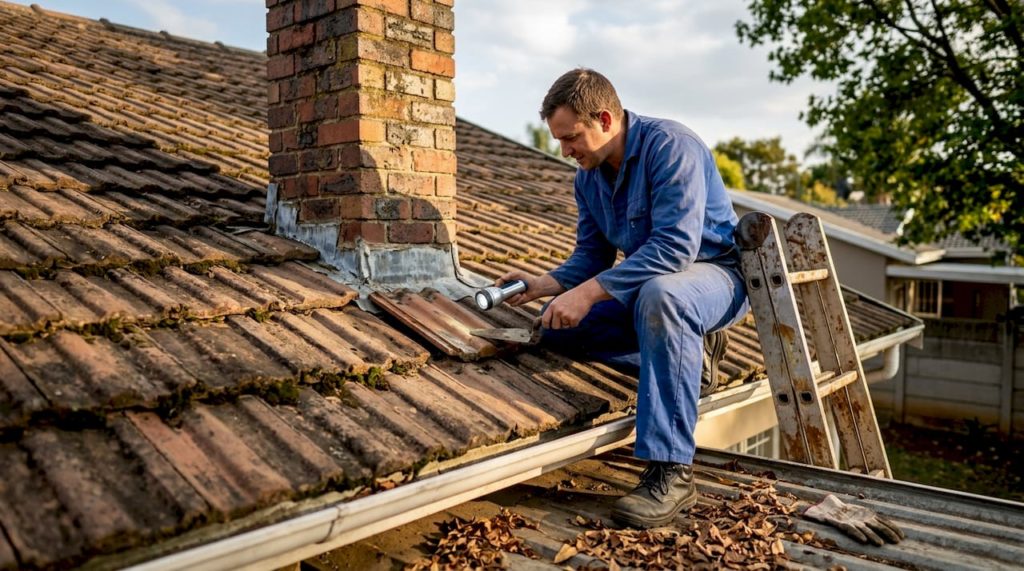
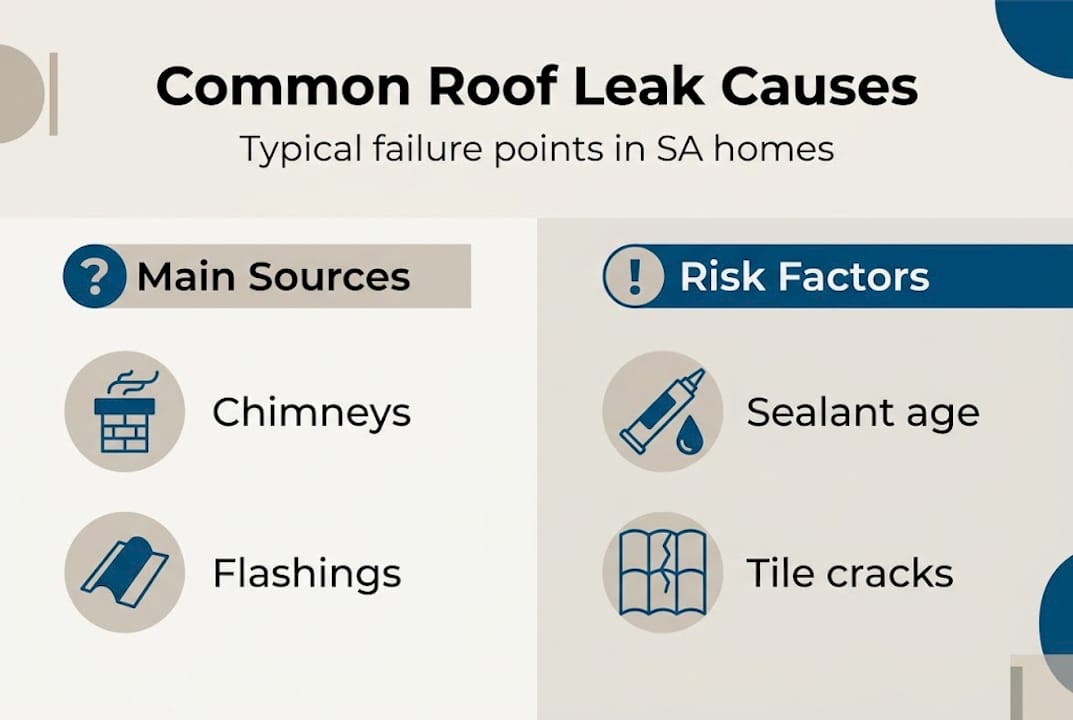
If you have ever had a roofer point vaguely at your ceiling and say “water’s getting in somewhere,” you will appreciate why understanding the actual sources matters so much. The evidence is clear: flashing failures at penetrations, valleys, and chimneys are the leading cause of leaks in pitched roofs. Flashing is the thin metal or sealant material used to seal joints where different roof sections meet. When it corrodes, lifts, or was never installed correctly, water finds its way straight through.
Here is a quick comparison of the most common leak sources and how frequently they appear:
| Leak source | Typical frequency | Primary cause |
|---|---|---|
| Penetrations (pipes, vents) | Very high | Sealant failure, poor installation |
| Valleys and joins | High | Flashing corrosion or displacement |
| Chimney surrounds | High | Mortar cracks, flashing gaps |
| Ridge and perimeter edges | Moderate | Wind uplift, sealant degradation |
| Open roof surface | Low | Physical damage, severe storm impact |
The pattern is consistent. Leaks cluster around interruptions, not open expanses of roofing material. This is why you can have a roof that looks perfectly intact from the street and still find water inside after every rainstorm.
Other contributing factors include:
- Material wear over time, which accelerates in South Africa’s harsh UV and heat conditions
- Storm damage, particularly from hail or high winds that dislodge tiles or lift flashing
- Poor original installation, where shortcuts taken years ago only become apparent after weathering
- Blocked gutters, which cause water to back up under roof edges
For a broader picture of what goes wrong on South African roofs, the articles on common roof issues and key roof leak issues in South Africa offer useful context. Understanding these patterns is the first step towards making informed decisions rather than reactive, expensive ones.
How roof features and materials affect leak risk
Not all roofs age the same way, and the materials your roof is made from directly influence how quickly it becomes vulnerable to leaks. Asphalt shingles lose protective granules after 20 to 30 years, while elastomeric sealants, which are widely used across South African residential and commercial properties, typically last just 7 to 10 years before they begin to crack and lose adhesion.
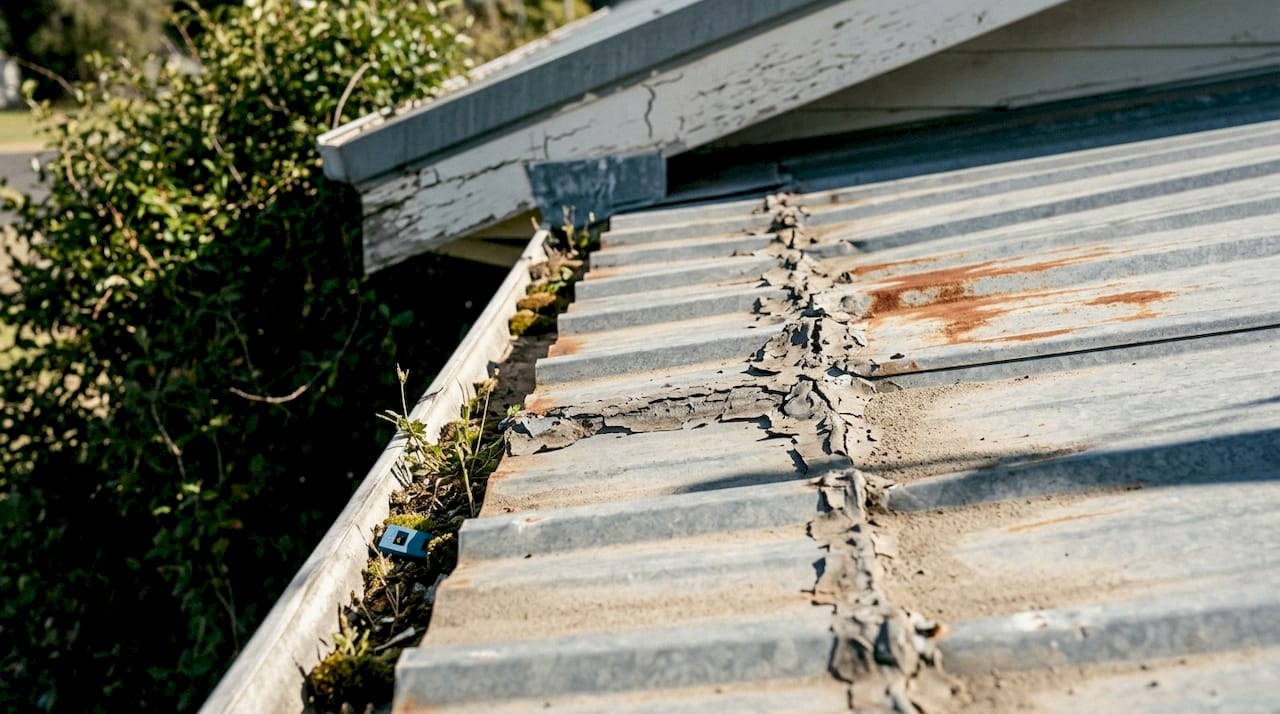
Here is how common roofing materials compare in terms of leak risk over time:
| Material | Typical lifespan | Key vulnerability |
|---|---|---|
| Elastomeric sealant | 7 to 10 years | UV degradation, thermal cracking |
| Asphalt shingles | 20 to 30 years | Granule loss, wind uplift |
| Concrete or clay tiles | 40 to 50 years | Cracking, mortar failure at ridges |
| IBR or corrugated metal | 20 to 40 years | Fastener corrosion, seam separation |
| Torch-on membrane | 10 to 20 years | Seam failure, puncture damage |
Flat roofs present a specific challenge in South Africa. Because water does not shed as quickly, any dip or hollow in the surface allows pooling, which puts constant pressure on seals and membranes. Pitched roofs shed water faster but are more exposed to wind-driven rain at their joins and edges.
The design of your roof matters too. A simple gabled roof with few penetrations carries far less risk than a complex multi-level structure with multiple valleys, skylights, and HVAC penetrations. Every additional feature is a potential entry point.
- Regularly inspect sealants around all pipe and vent penetrations
- Check ridge capping and perimeter flashings after major storms
- Look for bubbling, cracking, or discolouration in membrane surfaces
- Ensure roof-to-wall junctions are sealed and intact
Pro Tip: If your property is more than ten years old and the sealants have never been reapplied, schedule an inspection before the next rainy season. Proactive resealing costs a fraction of what water damage repairs do.
For practical guidance on extending the life of your roof, the articles on lasting roof repair tips and roof leak diagnostics are worth reading before you call anyone out.
Hidden and confusing leak sources: edge cases every owner should know
Some of the most frustrating leak situations are the ones where the water appears nowhere near where it entered. Water travels along rafters and roofing materials, sometimes travelling several metres before dripping onto a ceiling. This means the damp patch above your bedroom could have its origin at a flashing failure on the opposite side of the roof.
“The spot where water appears inside a building is almost never where it entered. Always trace the moisture path upward and outward before assuming you have found the source.”
Condensation is another common culprit that gets misread as a roof leak. In humid climates, or in poorly ventilated roof spaces, warm moist air meets cooler surfaces and deposits moisture. This can look exactly like a slow drip leak but has nothing to do with your roof covering. Treating it as a waterproofing problem will not solve it.
Flat roofs carry their own set of hidden risks:
- Ponding water exerts hydrostatic pressure on membranes and seams, slowly forcing water through tiny gaps
- Blocked drainage outlets cause water levels to rise until they find any available exit point
- Delaminating membranes may appear intact from above but have separated from the substrate below
- Invisible micro-cracks in sealant coatings that only open under the weight of standing water
Pro Tip: If you suspect condensation rather than a leak, check whether the damp appears during cold mornings or after rain. Condensation tends to form overnight and dry out by midday. A leak will persist or worsen after rainfall.
Understanding these subtler patterns helps you avoid paying for the wrong repair twice. The articles on identifying roof leak sources and examples of leaky roofs show real-world scenarios that illustrate just how deceptive moisture movement can be.
Proactive leak prevention and regular maintenance
Knowing where leaks come from gives you a clear framework for preventing them. The good news is that penetration and perimeter leaks, which account for roughly 90% of cases, are also among the most preventable with routine attention.
Here is a practical maintenance sequence to follow:
- Inspect penetrations and seals twice a year, ideally before and after the rainy season. Look for cracking, lifting, or discolouration around every pipe, vent, and skylight.
- Check all flashings at valleys, chimneys, and roof-to-wall junctions. Tap metal flashings gently; a hollow sound can indicate they have lifted away from the substrate.
- Clear gutters and downpipes of debris before the rains arrive. Blocked drainage is a direct contributor to water backing up under roof edges.
- Assess the roof surface for missing tiles, cracked ridge capping, or bubbling membrane sections.
- Book a professional inspection after any significant storm, particularly those involving hail or wind speeds above 60 km/h.
Pro Tip: Do not wait for a visible drip before acting. Water staining on ceiling boards, peeling paint near cornices, or a musty smell in the roof space are all early warning signs worth investigating immediately.
Beyond inspections, consider these ongoing protective measures:
- Reapply elastomeric sealants on a 7 to 10 year cycle, or sooner if cracking is visible
- Ensure roof-to-wall junctions are treated with a flexible waterproofing compound
- Trim overhanging trees that deposit debris and retain moisture on the roof surface
For a structured approach, the roof waterproofing checklist is a helpful resource, and if you have a flat roof specifically, the guide on waterproofing flat roofs covers the additional steps required for that roof type.
Why chasing roof leaks is rarely straightforward: our expert view
After years of working on South African roofs, we have seen a consistent pattern: homeowners who attempt to fix leaks themselves often end up spending more in the long run. Not because DIY is inherently wrong, but because leak diagnosis genuinely requires a systematic approach that accounts for how water travels along rafters and appears far from its source.
The most common mistake we see is treating the symptom. Someone spots a damp patch, applies sealant directly below it, and considers the job done. Three months later, the same patch returns because the actual entry point was never addressed. Rushed repairs like this are not just ineffective; they can mask the real problem and allow structural damage to worsen quietly.
What actually works is a methodical trace from the point of water appearance back to the roof surface, accounting for the slope, the rafter direction, and all penetrations in between. This is not complicated, but it requires patience and experience. The real-world leak examples we document regularly show just how indirect the path from entry to appearance can be. Our strong advice: if a leak has returned after a previous repair, stop patching and start diagnosing properly.
Get professional leak detection and waterproofing help
Understanding the causes of roof leaks is genuinely empowering, but there comes a point where expert eyes and professional tools make all the difference. DIY maintenance can keep minor issues in check, but persistent or recurring leaks almost always signal a deeper problem that needs proper diagnosis.

Pro Waterproofing works with South African homeowners and property managers to identify the true source of leaks and apply solutions that last. Whether you need a full roof assessment or targeted repairs at specific penetrations and joins, our network of vetted specialists understands local conditions, materials, and construction methods. If you are unsure where to start, the guide on how to identify roof leaks is a useful first step before booking an assessment. Reach out today for a quote or contractor referral.
Frequently asked questions
Can a small roof leak get worse over time?
Yes. Small leaks cause major damage over time, including structural rot, mould growth, and ceiling collapse if left unaddressed for extended periods.
How do I tell if my flat roof leak is from ponding or a sealing issue?
Persistent water pooling after rain usually signals ponding, where flat roofs face hydrostatic pressure on membranes, while scattered interior drips tend to point to flashing or sealant failure.
Why does the leak show up far from where water entered the roof?
Because water travels along rafters and roofing materials before dripping, leaks can appear several metres away from the actual entry point.
How long do roof sealants typically last in South Africa?
Elastomeric sealants last 7 to 10 years under normal conditions, though South Africa’s intense UV exposure can shorten this lifespan noticeably.